
When do digital healthcare solutions improve care?
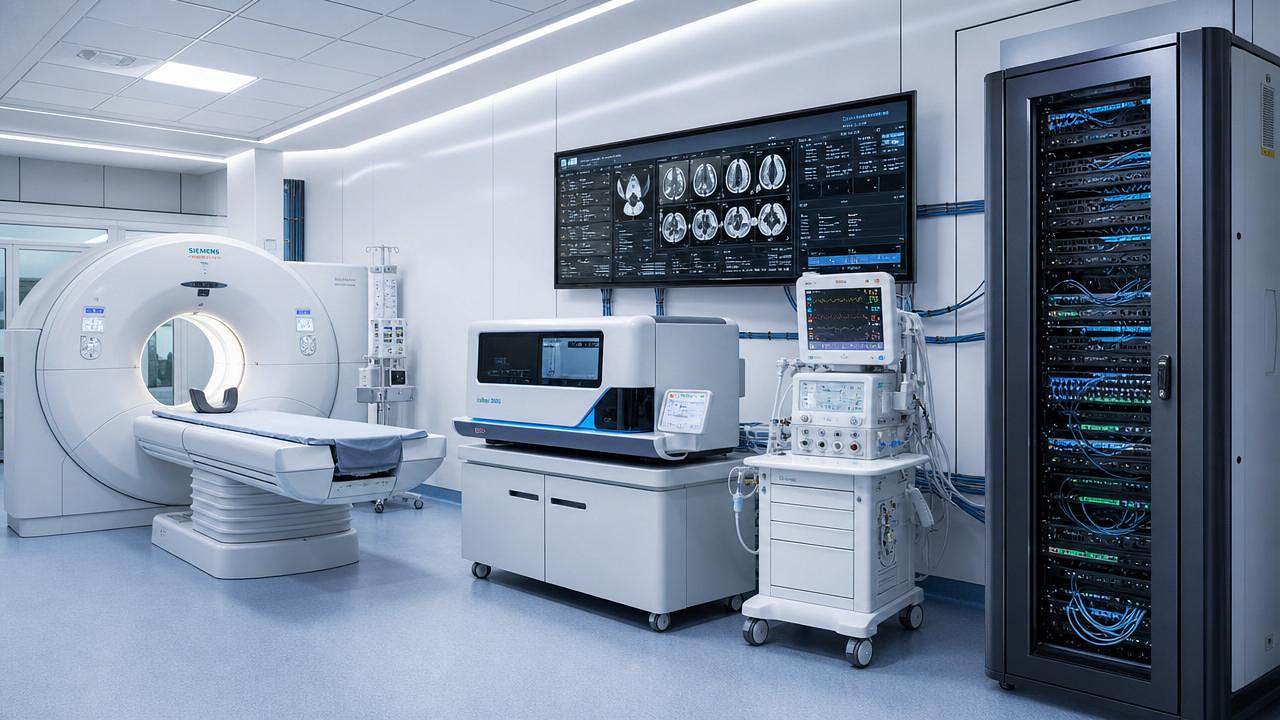




Digital healthcare solutions improve care when they solve measurable clinical, operational, and compliance challenges, not when they merely add another technology layer.
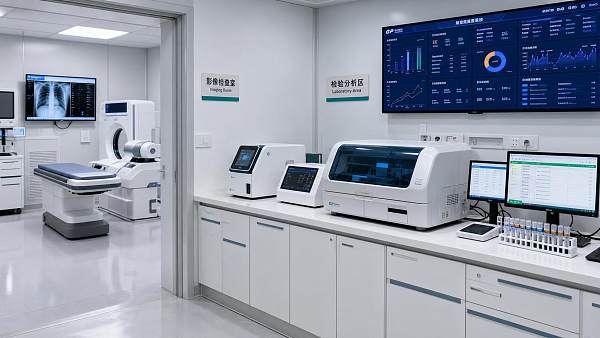
Their value appears when imaging, IVD, life support, operating rooms, and endoscopy systems connect safely with workflows, governance, and outcomes.
When digital healthcare solutions become clinically meaningful
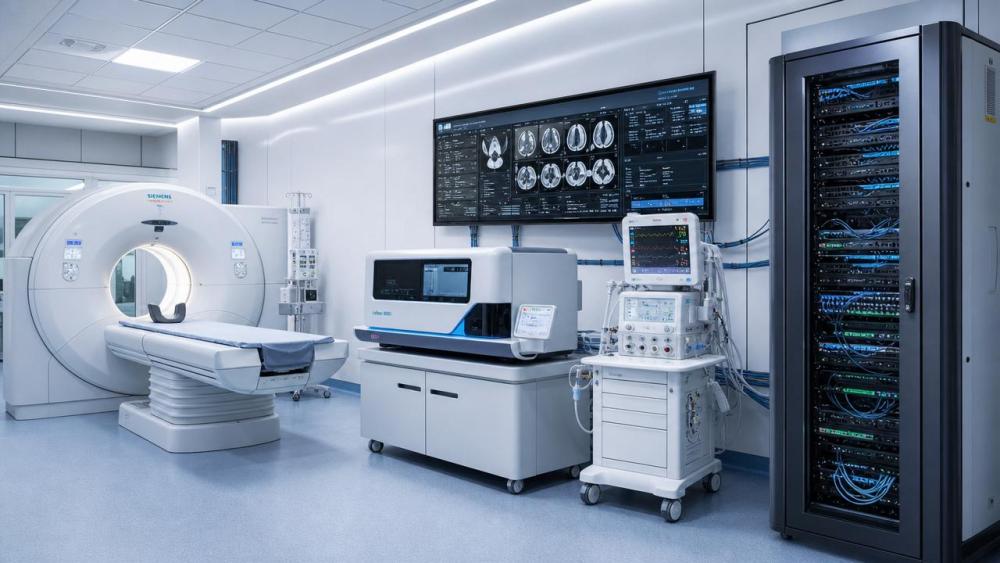
Digital healthcare solutions become meaningful when they improve decisions at moments where delay, uncertainty, or manual variation can harm patients.
In advanced medicine, these moments often occur during diagnosis, monitoring, intervention, and post-procedure review.
A connected CT workflow is useful when it shortens reporting time without reducing diagnostic confidence.
An AI-assisted MRI reconstruction tool matters when it preserves image quality while reducing scan burden.
An IVD data platform creates value when it links molecular results with clinical context and quality controls.
The same principle applies in intensive care, endoscopy suites, and hybrid operating rooms.
Digital healthcare solutions must support trusted action, not generate isolated dashboards or disconnected alerts.
A practical definition for modern clinical environments
In this context, digital healthcare solutions are integrated systems that capture, process, exchange, analyze, and protect clinical data.
They may include device connectivity, AI algorithms, cloud infrastructure, cybersecurity controls, interoperability layers, and clinical decision support.
The definition should remain grounded in clinical utility.
A solution is not digital because it has a screen.
It is digital because it changes how reliable information moves through care.
For AMDS, the strongest digital healthcare solutions link physical measurement with validated medical reasoning.
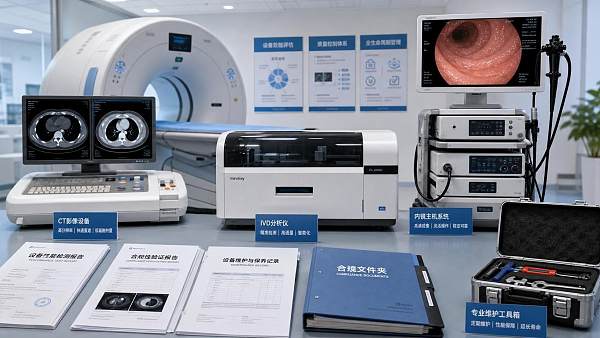
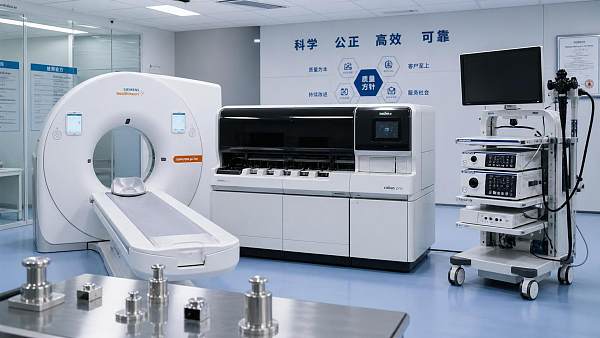
Examples include photon-counting CT analytics, PCR result traceability, ECMO monitoring, digital operating rooms, and 4K endoscopic visualization.
Each example connects measurement precision with workflow discipline and regulatory accountability.
Industry signals that indicate real value
Healthcare systems are investing carefully because financial pressure, staffing constraints, and compliance expectations are rising together.
Digital healthcare solutions gain priority when they address these pressures with evidence, not vague transformation language.
These signals show why digital healthcare solutions must be evaluated across clinical, technical, economic, and regulatory dimensions.
A system that improves one dimension while weakening another rarely scales safely.
Clinical value across the five pillars of advanced care
Medical imaging diagnostic equipment
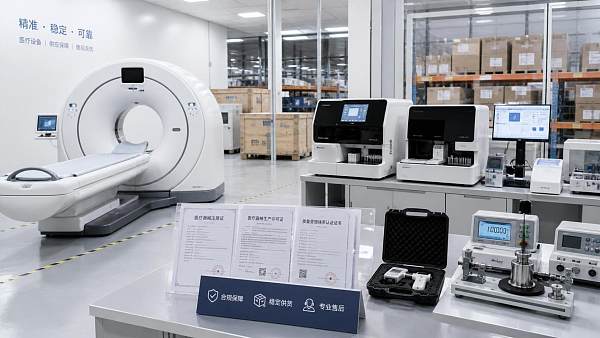
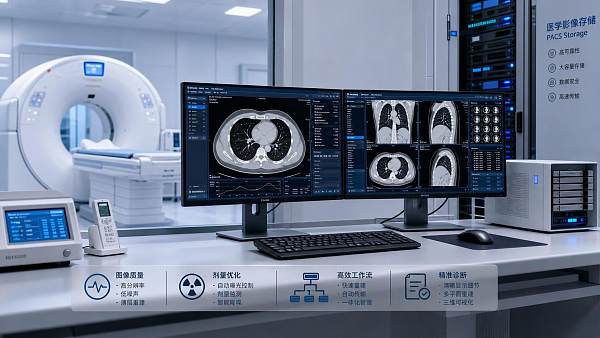
In imaging, digital healthcare solutions improve care when acquisition, reconstruction, reporting, and storage become a continuous clinical pathway.
AI reconstruction can reduce noise, shorten examination time, and support earlier detection of tumors or cardiovascular disease.
However, the benefit depends on validation across patient groups, scanners, protocols, and real reporting conditions.
In vitro diagnostic instruments
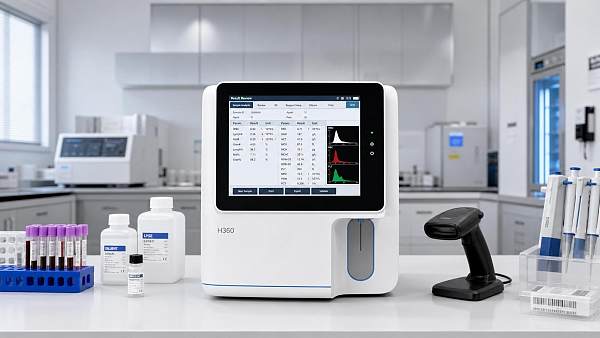
In IVD, digital healthcare solutions improve care by strengthening sample tracking, result interpretation, and quality assurance.
Chemiluminescence, PCR amplification, and biomarker platforms generate powerful evidence only when pre-analytical errors are controlled.
Digital traceability helps connect microliter-level biochemical signals with correct patient identity and timely clinical action.
High-end life support equipment
In critical care, digital healthcare solutions improve care when they detect deterioration earlier without overwhelming teams with false alarms.
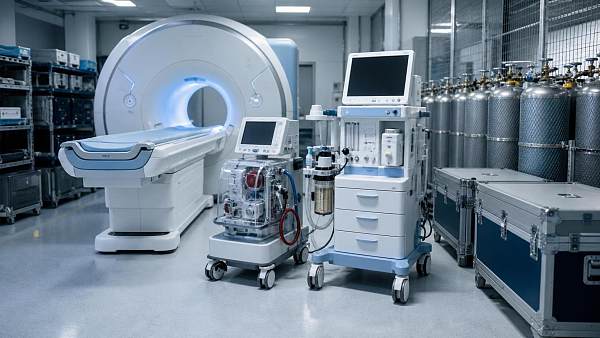
Ventilators, infusion devices, and ECMO platforms need dependable monitoring, secure data exchange, and clear escalation logic.
The goal is not more alarms, but better prioritization during life-threatening instability.
Core operating room equipment
In operating rooms, digital healthcare solutions improve care when equipment states, imaging feeds, and procedural documentation align.
Integrated OR platforms can reduce preparation gaps, support team coordination, and improve surgical record completeness.
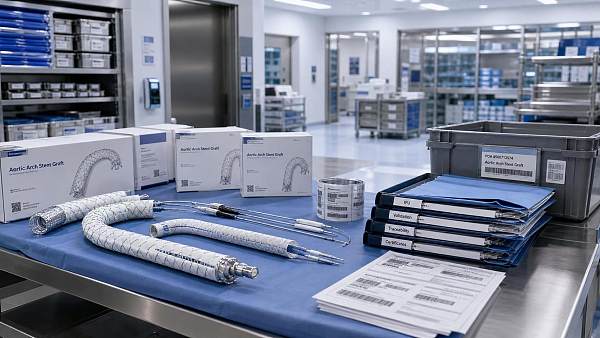
Shadowless lighting, digital tables, anesthesia systems, and surgical displays must operate as coordinated infrastructure.
Medical endoscope systems
In endoscopy, digital healthcare solutions improve care when visualization is sharper, navigation is safer, and documentation is objective.
4K, 3D optics, anti-fog design, and image enhancement can support minimally invasive decision-making.
The strongest systems improve anatomical recognition while reducing tissue trauma and procedural uncertainty.
Operational and financial conditions for improvement
Clinical value alone is insufficient if adoption creates bottlenecks, data silos, or unsustainable costs.
Digital healthcare solutions improve care when their operational design fits real scheduling, staffing, maintenance, and reimbursement constraints.
- They reduce repetitive manual work without removing necessary clinical review.
- They integrate with PACS, LIS, HIS, EMR, and device management platforms.
- They support uptime, serviceability, and rapid recovery after faults.
- They generate metrics linked to outcomes, capacity, or reimbursement.
- They protect data while enabling appropriate clinical access.
Under DRG payment models, digital healthcare solutions must also demonstrate resource discipline.
Shorter length of stay, fewer repeat scans, better utilization, and reduced complications can support financial defensibility.
The best business case links measurable care quality with reliable operational savings.
Compliance, safety, and trust requirements
Digital healthcare solutions improve care only when trust is engineered into the product lifecycle.
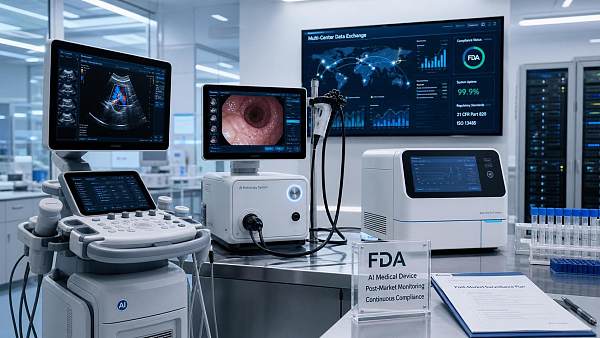
For regulated medical environments, this means cybersecurity, clinical validation, usability, post-market surveillance, and change control.
CE MDR and FDA expectations make evidence discipline essential, especially for software functions influencing diagnosis or treatment.
Algorithms must be evaluated for performance drift, bias, explainability, and failure modes.
Device connectivity must protect patient data and prevent unsafe commands or corrupted records.
A useful compliance approach begins before deployment.
- Define the intended clinical use and boundaries.
- Map risks from data capture to final decision.
- Validate performance in representative settings.
- Document human oversight and escalation rules.
- Monitor outcomes after deployment.
This structure helps digital healthcare solutions remain clinically useful as environments, devices, and patient populations change.
Typical application categories and evaluation focus
Different categories require different evidence.
A triage algorithm should not be assessed like an operating room integration platform.
This category-based view prevents overgeneralization.
Digital healthcare solutions should be judged by the clinical action they support and the risk they introduce.
Practical guidance for responsible implementation
Successful implementation starts with a clinical problem statement, not a technology preference.
The problem should name the patient pathway, baseline performance, decision point, and expected improvement.
Before scaling digital healthcare solutions, define acceptance criteria that can be measured in routine operations.
- Use baseline metrics before deployment.
- Test with real workflow variations.
- Maintain human oversight for high-risk decisions.
- Plan cybersecurity and interoperability early.
- Review economic impact after adoption.
- Update training when software behavior changes.
Avoid deployments where data quality is poor, responsibilities are unclear, or benefits cannot be measured.
Digital healthcare solutions are strongest when they strengthen existing clinical accountability rather than obscure it.
The AMDS perspective on measurable improvement
AMDS views modern MedTech through the last line of defense for human health and life.
From this perspective, digital healthcare solutions must connect engineering precision with clinical safety and international compliance.
Image reconstruction algorithms, molecular reactions, and life support data streams all require rigorous interpretation.
The Strategic Intelligence Center supports this interpretation across compliance access, med-engineering analysis, and health economics.
The practical question is always the same.
Does the solution make diagnosis, intervention, monitoring, or resource use safer and more reliable?
If the answer is measurable, digital healthcare solutions can move from promising technology to trusted infrastructure.
Next steps for turning digital capability into better care
Begin with one high-value pathway, such as stroke imaging, sepsis testing, ICU ventilation, surgical documentation, or endoscopic lesion detection.
Map the current workflow, identify failure points, and define the clinical evidence needed for adoption.
Then evaluate digital healthcare solutions against patient safety, interoperability, regulatory readiness, and return on investment.
Care improves when digital systems help professionals act earlier, decide more accurately, and document more reliably.
That is the practical threshold separating meaningful digital transformation from technology accumulation.
For advanced clinical environments, the best digital healthcare solutions protect precision, preserve accountability, and guard life at critical moments.
Recommended News
 Aug 28, 2026Planning Operating Room Technology for a High-Throughput Surgery CenterOperating room technology for a surgery center: plan workflows, integration, uptime, and safety to boost throughput and create future-ready surgical rooms.
 Aug 27, 2026Building Medical Compliance Analytics for Middle East Market AccessMedical compliance analytics Middle East: build device-specific evidence maps, align local requirements, and accelerate market access with confidence.
 Aug 26, 2026How Surgical Equipment Digitalization Is Reshaping Hospital Investment in Latin AmericaSurgical equipment digitalization Latin America is reshaping hospital investment, from smart ORs to ROI-driven upgrades. Explore what buyers now value most.
 Aug 25, 2026How to Evaluate a Medical Compliance Intelligence Provider for Global Market AccessMedical compliance intelligence provider selection can make or break global market access. Learn how to assess technical depth, update quality, and commercial fit before choosing.
 Aug 24, 2026How Advanced Clinical Imaging Is Improving Cardiology Diagnosis and Treatment PlanningAdvanced clinical imaging cardiology is transforming diagnosis and treatment planning with clearer anatomy, tissue insight, and procedural guidance. Discover how it reduces uncertainty and supports smarter cardiac decisions.
 Aug 23, 2026How to Source Medical Devices in North America: Supplier Vetting and Market Access RisksMedical device sourcing North America made practical: learn how to vet suppliers, reduce compliance risks, and protect market access with smarter procurement decisions.
 Aug 22, 2026What Are Integrated Critical Care Systems and How Do Hospitals Evaluate Them?Critical care systems integrated: learn how hospitals assess ICU platforms for interoperability, alarm safety, workflow efficiency, and long-term value before buying.
 Aug 21, 2026How to Evaluate High-Resolution Diagnostic Imaging Systems for Detail-Critical ExamsDiagnostic imaging systems high resolution: learn how to compare detail-critical performance, workflow fit, dose efficiency, and ROI to choose the right system with confidence.
 Aug 20, 2026How to Evaluate Medical Equipment Performance Before Purchase?Medical equipment evaluation performance starts before purchase. Learn how to assess safety, workflow fit, compliance, uptime, and total cost to choose devices that truly perform.
 Aug 19, 2026How to Evaluate Small-Footprint Laboratory Diagnostic Equipment for Space-Limited LabsLaboratory diagnostic equipment small footprint choices require more than size checks. Learn how to assess workflow, throughput, compliance, and service access for smarter lab buying.
 Aug 18, 2026Biochemical Molecular Diagnostics Explained: Methods, Clinical Uses, and Lab Selection CriteriaBiochemical molecular diagnostics explained: compare key methods, clinical applications, and lab selection criteria to choose reliable, compliant testing with confidence.
 Aug 17, 2026How to Choose Diagnostic Equipment Solutions for a Clinic: Key Factors That Affect Workflow and CostDiagnostic equipment solutions clinic buyers can use to improve workflow, control total cost, and avoid hidden service risks. Learn the key factors before you invest.
 Aug 16, 2026How to Choose a Blood Cell Analyzer for a Small Lab: Throughput, CBC Menu, and CostBlood cell analyzers small lab buyers can compare throughput, CBC menu, and total operating cost with confidence. Learn how to avoid waste, reduce downtime, and choose the right fit.
 Aug 16, 2026FDA Approval of AMDS Hybrid Prosthesis Removes IRB Step for Faster U.S. AccessFDA approval of AMDS Hybrid Prosthesis removes the IRB step, speeding U.S. access for acute aortic dissection care and reshaping hospital procurement and supporting equipment demand.
 Aug 15, 2026What Hospital Technology Infrastructure Is Needed for Reliable Interoperability?Hospital technology infrastructure interoperability depends on secure networks, integration engines, identity services, and governance. Discover what hospitals need for reliable, scalable connectivity.
 Aug 14, 2026What to Look for in an Advanced Diagnostic Systems Distributor Before You BuyAdvanced diagnostic systems distributor: learn what to check before buying, from compliance and technical depth to delivery reliability and after-sales support. Make a smarter procurement decision today.
 Aug 14, 2026China Temporarily Bans Helium ExportsChina Temporarily Bans Helium Exports: learn how the July 10, 2026 rule may disrupt MRI, ECMO, and anesthesia device supply chains, compliance, and delivery planning for global buyers.
 Aug 13, 2026How CT Reconstruction Technology Impacts Image Quality, Dose, and WorkflowMedical imaging reconstruction technology CT shapes image quality, dose, and workflow. Learn how smarter CT reconstruction improves diagnostics and efficiency.
 Aug 13, 2026FDA clears AMDS PMA, easing U.S. hospital accessFDA clears AMDS PMA, easing U.S. hospital access for Artivion’s aortic arch device and speeding procurement, compliance, and deployment.
 Aug 12, 2026Hospital Diagnostic Equipment Comparison: What Buyers Should Evaluate Beyond PriceDiagnostic equipment comparison hospital buyers can trust: learn how to evaluate clinical performance, uptime, compliance, integration, and long-term ROI beyond price.
 Aug 12, 2026FDA Draft Guidance Reshapes AI Device ComplianceFDA Draft Guidance reshapes AI device compliance with new postmarket monitoring expectations for AI/ML-enabled SaMD. Learn what it means for U.S. market access, distributors, and exporters.
 Aug 11, 2026How to Evaluate a Diagnostic Medical Systems Manufacturer for Quality and Market AccessDiagnostic medical systems manufacturer selection starts with more than specs. Learn how to assess quality systems, regulatory readiness, service uptime, and market access before you buy.
 Aug 11, 2026EU MDR Deadline Extended for ECMO and ICU DevicesEU MDR deadline extended for ECMO and ICU devices to 2027. Learn what Regulation (EU) 2026/1347 means for compliance, exports, procurement, and roadmap filing.
 Aug 10, 2026How to Evaluate Laboratory Automation Systems in Europe for Multi-Site Lab OperationsLaboratory automation systems Europe buyers can use this guide to compare interoperability, compliance, service coverage, and ROI for multi-site lab operations with confidence.









Related News
- 00
0000-00
How Surgical Equipment Digitalization Is Reshaping Hospital Investment in Latin America - 00
0000-00
Hospital Diagnostic Equipment Comparison: What Buyers Should Evaluate Beyond Price - 00
0000-00
What Drives Precision Diagnostics Technology Cost in Labs and Hospitals? - 00
0000-00
What Drives Clinical Diagnostics Solutions Cost Across PCR, Immunoassay, and Hematology? - 00
0000-00
ICU Equipment Price Breakdown: What Buyers Should Budget Beyond the Base Cost
Weekly Insights
Stay ahead with our curated technology reports delivered every Monday.