
Why medical intelligence platforms fail after deployment
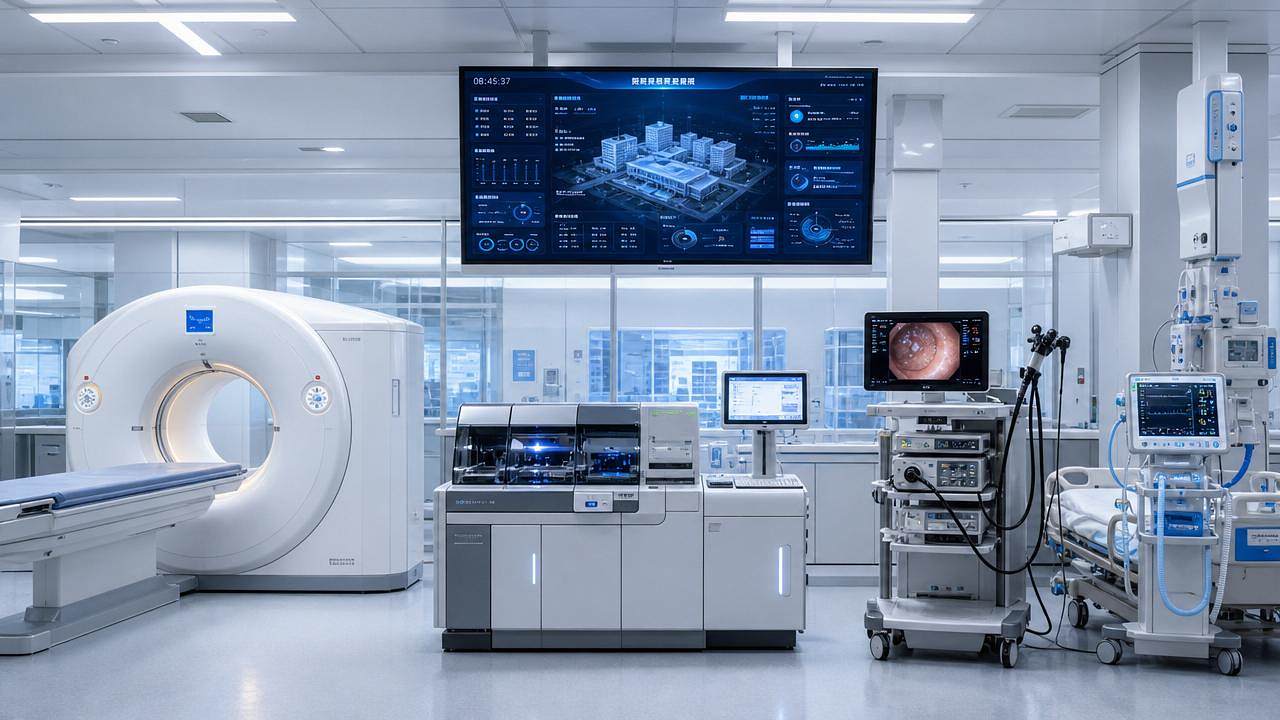




A medical intelligence platform can impress during a pilot, then struggle once it meets real hospital pressure. Daily clinical operations are messy, time-sensitive, and tightly regulated.
That is why post-deployment failure rarely comes from software alone. It usually begins where technical architecture, data quality, compliance, and workflow reality collide.
In advanced healthcare environments, every medical intelligence platform must support imaging, IVD, life support, surgical, and endoscopy ecosystems without disrupting care delivery.
For intelligence-led organizations such as AMDS, the core lesson is clear: clinical value appears only when intelligence systems fit real decisions, real data, and real accountability.
What a medical intelligence platform is supposed to achieve
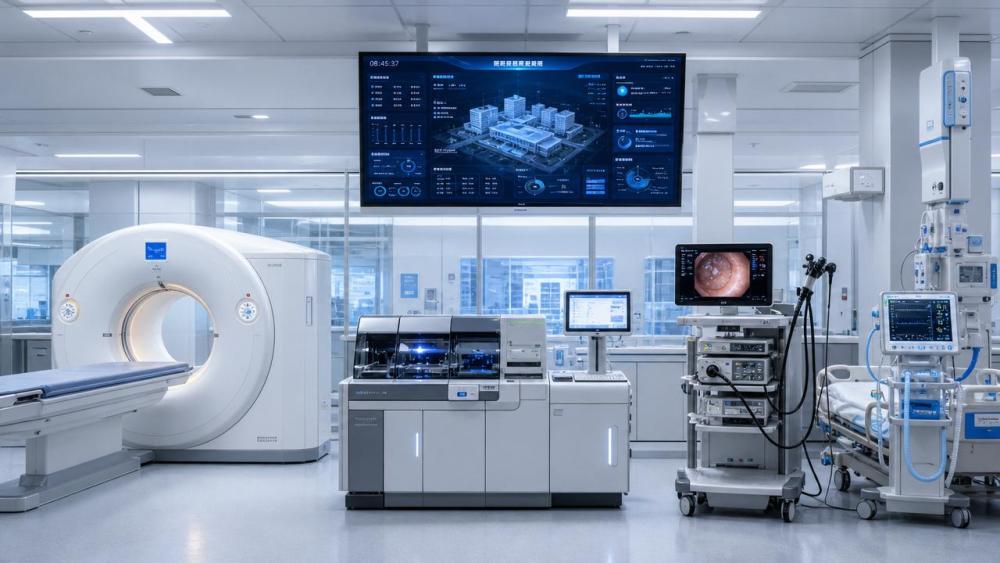
A medical intelligence platform connects fragmented technical and clinical signals into one usable decision environment. It turns device data, workflow data, and compliance records into operational insight.
In theory, the platform should improve visibility across diagnostic equipment, laboratory systems, life support devices, operating rooms, and minimally invasive tools.
It should also help unify engineering, quality, and business planning. That includes uptime monitoring, asset utilization, risk management, audit readiness, and service prioritization.
The promise is strong because modern healthcare depends on connected decisions. However, a medical intelligence platform fails when the design assumes clean data and simple behavior.
Core functions often expected after deployment
- Device fleet visibility across sites and modalities
- Clinical workflow tracking and bottleneck detection
- Regulatory document control and traceability support
- Integration with PACS, LIS, HIS, RIS, and service tools
- Maintenance prediction and incident escalation logic
- Executive reporting tied to cost, risk, and outcomes
Why deployment failure happens in real operating environments
The biggest problem is mismatch. A medical intelligence platform is often configured around vendor assumptions rather than actual hospital behavior.
Departments do not work with identical urgency, vocabulary, or data discipline. Imaging teams, laboratory teams, ICU teams, and surgical units all generate different operational truths.
When a single platform forces uniform logic onto non-uniform workflows, the result is poor adoption, delayed response, and growing distrust in system outputs.
Common failure drivers
These weaknesses usually appear slowly. At first, dashboards still function. Later, teams stop trusting recommendations, and manual workarounds become the real operating system.
The industry context behind medical intelligence platform risk
Healthcare technology is no longer a single-device market. It is a connected environment shaped by regulation, reimbursement pressure, cybersecurity demands, and rising clinical complexity.
AMDS closely tracks the five pillars that define advanced clinical infrastructure. Each pillar creates different expectations for any medical intelligence platform.
- Medical imaging requires reliable device performance, image workflow continuity, and service precision.
- IVD environments demand sample traceability, assay consistency, and instrument uptime.
- Life support equipment requires absolute reliability and strict failure escalation logic.
- Operating room infrastructure depends on schedule integrity and coordination between systems.
- Endoscopy platforms require integration of imaging quality, disinfection records, and procedure readiness.
A medical intelligence platform must therefore serve not one digital hospital, but many operational micro-worlds inside the same institution.
That complexity explains why deployment is only the beginning. Real success depends on long-term clinical fit, not installation completion.
Business value depends on operational trust, not feature volume
A medical intelligence platform creates value only when users trust the outputs enough to change action. Trust comes from relevance, speed, transparency, and consistency.
If the platform flags the wrong issues, misses urgent exceptions, or cannot explain risk logic, it becomes another reporting layer rather than a decision engine.
Where value is usually won or lost
- Faster incident response for high-value equipment
- Better maintenance planning through reliable device signals
- Improved utilization of imaging and surgical assets
- Reduced compliance exposure through traceable workflows
- Stronger ROI evidence for capital and service decisions
This is especially important under cost-controlled healthcare models. If the medical intelligence platform cannot support measurable efficiency or clinical reliability, executive support weakens.
Feature-rich systems often fail because they optimize breadth. Sustainable platforms optimize the few decisions that matter most every day.
Typical deployment scenarios where breakdown becomes visible
Failure patterns differ by setting. The same medical intelligence platform may perform well in one domain and poorly in another.
These cases show a simple truth. A medical intelligence platform must be localized to each operational pathway while preserving enterprise-level governance.
Practical measures that reduce failure after deployment
The best prevention strategy starts before go-live. Teams should define what the medical intelligence platform must improve within ninety days, not what it might improve eventually.
Deployment discipline that matters
- Map real workflows before building dashboards or rules.
- Set data ownership for every critical field and interface.
- Validate outputs against live operational events, not sample data alone.
- Align security, privacy, and audit controls early.
- Create escalation paths for data defects and logic disputes.
- Review adoption weekly during the first post-launch phase.
It is also important to assign platform stewardship. Without one governing body, the medical intelligence platform fragments into disconnected reports and inconsistent decision rules.
Organizations that succeed usually treat deployment as a managed clinical operations program, not as a closed IT implementation.
A grounded next step for more reliable platform outcomes
If a medical intelligence platform is underperforming, start with one service line and three questions: Which decisions matter most, which data feeds them, and who owns corrective action?
Then test platform outputs against actual workflow timing, device behavior, and compliance checkpoints. Small validation loops reveal hidden failure points faster than broad redesign efforts.
For advanced MedTech intelligence work, AMDS highlights a durable principle: connect engineering truth, clinical reality, and regulatory discipline before scaling analytics across the enterprise.
That is how a medical intelligence platform moves from attractive deployment to dependable clinical infrastructure.
Recommended News
 Oct 07, 2026Hospital Diagnostic Equipment Procurement: A Framework for Comparing Cost, Capacity, and RiskHospital diagnostic equipment procurement made clearer: compare lifecycle cost, usable capacity, clinical fit, and operational risk to make confident, sustainable buying decisions.
 Oct 06, 2026How to Evaluate an Operating Room Technology Distributor for Hospital ProjectsOperating room technology distributor evaluation guide for hospitals: assess integration, compliance, lifecycle costs, service capacity, and delivery confidence before award.
 Oct 05, 2026Global Medical Procurement Planning: How Hospitals Can Reduce Supply Risk and CostGlobal medical procurement planning helps hospitals reduce supply risk, control lifecycle costs, and protect care continuity through smarter sourcing, service, and compliance strategies.
 Oct 03, 2026How Detection Algorithms Improve Sensitivity and Workflow in Medical ImagingMedical imaging algorithms detection improves sensitivity, manages false positives, and streamlines clinical workflows. Explore validation, integration, and governance essentials.
 Oct 02, 2026High-Flow ICU Ventilators: Key Selection Criteria for Acute Respiratory CareICU ventilators high flow: discover key selection criteria for accurate gas delivery, NIV performance, humidification, alarms, reliability, and safer acute respiratory care.
 Oct 01, 2026How to Evaluate Medical Equipment Intelligence Suppliers for Hospital ProcurementMedical equipment intelligence suppliers: learn how hospitals can assess evidence quality, total cost, compliance, interoperability, and cybersecurity for smarter procurement decisions.
 Sep 30, 2026ISO 13485 Requirements for Blood Testing Instruments: A Buyer’s ChecklistBlood testing instruments ISO 13485 buyer’s checklist: verify certification scope, traceability, installation, consumables, and supplier support before you buy.
 Sep 29, 2026How to Evaluate Integrated Operating Room Systems for Workflow, Imaging, and IT IntegrationIntegrated operating room systems: evaluate workflow, imaging, IT integration, cybersecurity, and lifecycle value to select a scalable surgical solution.
 Sep 28, 2026How to Evaluate a Genetic Testing Equipment Supplier for PCR Lab ProcurementGenetic testing equipment supplier evaluation guide for PCR labs: compare performance, compliance, workflow, service, supply resilience, and total cost.
 Sep 27, 2026How to Specify Custom Benchtop Diagnostic Instruments for Your Assay WorkflowCustom diagnostic instruments benchtop guide: specify optics, fluidics, automation, software integration, and support to build a reliable assay workflow.
 Sep 26, 2026How Cardiac Imaging Analysis Tools Turn CT and MRI Data into Clinical MetricsMedical imaging analysis cardiology tools transform cardiac CT and MRI into reliable metrics. Explore segmentation, validation, workflow integration, and AI review.
 Sep 25, 2026How Iterative Image Reconstruction Algorithms Balance CT Dose, Noise, and DetailIterative image reconstruction algorithms help CT teams balance dose, noise, and diagnostic detail. Explore practical insights for confident imaging decisions.
 Sep 24, 2026What Drives the Total Cost of Medical Technology Solutions Over Their Lifecycle?Medical technology solutions cost goes far beyond purchase price—explore lifecycle drivers from installation and service to software, training, compliance, and downtime.
 Sep 24, 2026Diagnostic Imaging Technology: How Modalities Support Different Clinical DecisionsDiagnostic imaging technology supports smarter clinical decisions across CT, MRI, ultrasound, and nuclear imaging. Explore modality strengths, workflows, and selection factors.
 Sep 22, 2026How Life Science Labs Can Select Biomedical Research Equipment by Workflow and ThroughputBiomedical research equipment life science labs can select with confidence by aligning workflow, throughput, automation, data integrity, and scalable support.
 Sep 21, 2026How to Plan LIS Connectivity for Chemiluminescence Analyzers Without Data GapsChemiluminescence analyzers LIS connectivity: learn how to prevent data gaps with field mapping, exception workflows, end-to-end validation, and reliable go-live planning.
 Sep 20, 2026Selecting Fluorescence PCR Instruments: Detection Channels, Sensitivity, and Workflow FitPCR diagnostic instruments fluorescence detection guide: compare channels, sensitivity, multiplexing, and workflow fit to select a reliable platform.
 Sep 19, 2026Biomedical Signal Processing: From Sensor Data to Clinical Decision SupportBiomedical signal processing transforms sensor data into reliable clinical decision support. Explore AI, imaging, IVD, ICU monitoring, and compliance-ready MedTech insights.
 Sep 18, 2026How to Evaluate a Diagnostic Imaging Platform for Multi-Modality Workflow IntegrationDiagnostic imaging platform evaluation guide: assess multi-modality workflows, interoperability, AI integration, image integrity, security, and scalability for safer clinical decisions.
 Sep 17, 2026ISO 13485 for Medical Imaging Equipment: What Manufacturers Must DocumentMedical imaging equipment ISO 13485: discover essential documentation for design controls, risk management, traceability, software, and post-market quality.
 Sep 16, 2026Robotic MIS Equipment: What Hospitals Should Evaluate Before AdoptionMinimally invasive surgical equipment robotic adoption guide: evaluate workflow, safety, imaging, costs, cybersecurity, and service readiness.
 Sep 15, 2026How to Evaluate Biomedical Signal Processing Suppliers for Clinical Device ProjectsBiomedical signal processing supplier evaluation guide for clinical device teams—compare signal fidelity, regulatory evidence, cybersecurity, integration, and lifecycle support.
 Sep 14, 2026How Integrated Clinical Diagnostics Solutions Reduce Turnaround Time Across Lab WorkflowsIntegrated clinical diagnostics solutions reduce lab turnaround time by connecting workflows, automation, and data. Discover practical strategies for faster, traceable results.
 Sep 13, 2026ECMO System Market Outlook: Demand Drivers, Investment Risks, and Growth OpportunitiesECMO system market outlook explores demand drivers, investment risks, regulatory factors, and growth opportunities shaping critical-care innovation and adoption.









Related News
- 00
0000-00
How to Evaluate an Operating Room Technology Distributor for Hospital Projects - 00
0000-00
How Detection Algorithms Improve Sensitivity and Workflow in Medical Imaging - 00
0000-00
How to Evaluate Integrated Operating Room Systems for Workflow, Imaging, and IT Integration - 00
0000-00
How Cardiac Imaging Analysis Tools Turn CT and MRI Data into Clinical Metrics - 00
0000-00
Diagnostic Imaging Technology: How Modalities Support Different Clinical Decisions
Weekly Insights
Stay ahead with our curated technology reports delivered every Monday.