
US ITC Launches Section 337 Investigation on Photon-Counting CT Detector Modules
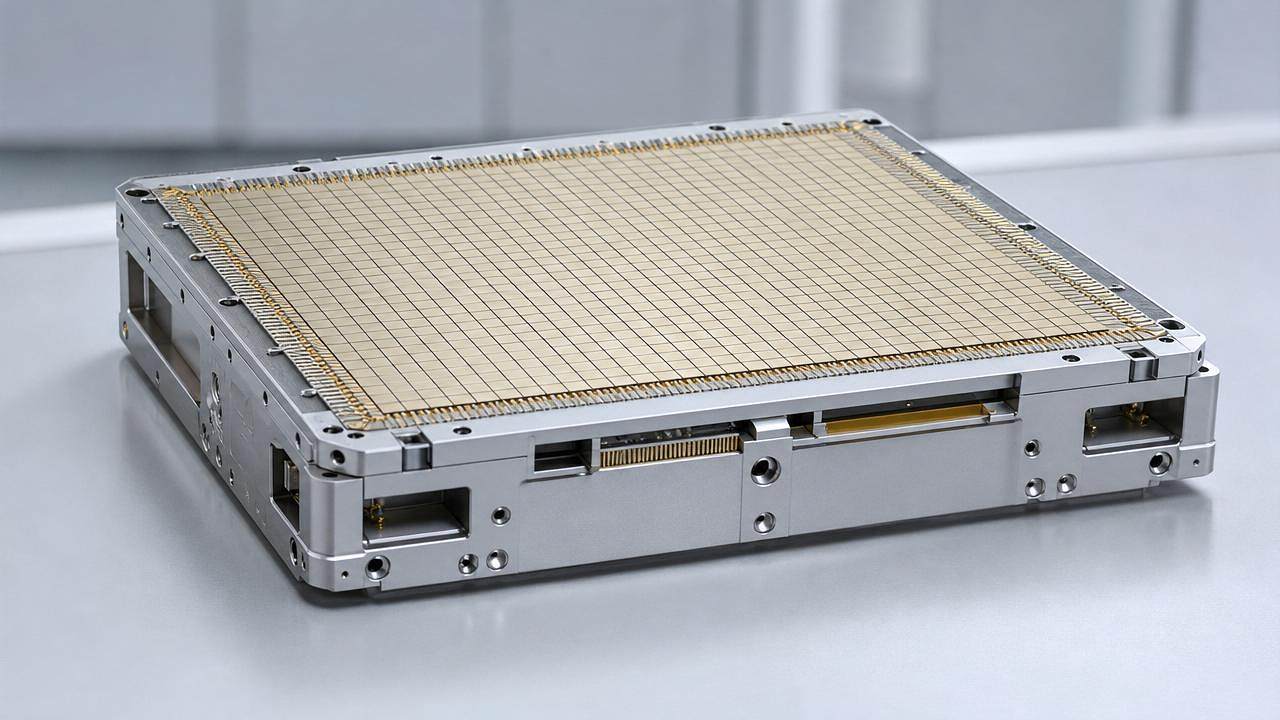




On May 27, 2026, the U.S. International Trade Commission (ITC) initiated investigation No. 337-TA-2155 concerning cadmium telluride (CdTe) and cadmium zinc telluride (CZT) detector modules used in photon-counting computed tomography (CT) systems. The investigation targets multiple Chinese exporters and alleges infringement of three core patents held by Varex Imaging Corporation (e.g., US11223789B2). This action is highly relevant to medical imaging device manufacturers, component suppliers, export compliance officers, and global supply chain managers — particularly those engaged in high-end diagnostic imaging hardware.
Event Overview
On May 27, 2026, the U.S. International Trade Commission formally instituted investigation No. 337-TA-2155. The complaint centers on CdTe/CZT-based detector modules designed for photon-counting CT systems, imported into the United States by several Chinese entities. The complainant, Varex Imaging Corporation, asserts that these modules infringe U.S. Patent Nos. US11223789B2, and two additional patents not publicly named in the initial notice. If a violation is found, the ITC may issue a general exclusion order (GEO), barring importation of infringing products regardless of source.
Industries Affected by Segment
Direct Exporters and OEMs
Companies exporting CdTe/CZT detector modules from China to the U.S. face immediate customs risk and potential shipment detention. A GEO would prohibit entry of any such module — even if manufactured outside China but incorporating components sourced from respondents — thereby disrupting existing commercial contracts and delivery commitments.
Photon-Counting CT System Integrators
Original equipment manufacturers assembling full photon-counting CT scanners may encounter supply chain interruptions if their detector modules fall under the scope of the investigation. Since CdTe/CZT detectors are currently among the few commercially viable sensor technologies for clinical photon-counting CT, alternatives are limited in performance and availability.
Materials and Subcomponent Suppliers
Vendors supplying CdTe or CZT crystals, readout ASICs, or hybridization services to module assemblers may see reduced order volumes or delayed qualification cycles. While not directly named in the complaint, downstream dependency means demand volatility can propagate upstream quickly.
Regulatory and Compliance Service Providers
Firms offering ITC litigation support, patent landscape analysis, or export control advisory services are likely to see increased client inquiries related to Section 337 defense strategy, design-around assessment, and import classification verification for detector-related goods.
What Stakeholders Should Monitor and Do Now
Track official filings and procedural deadlines
The ITC docket will publish key documents including the Notice of Investigation, Initial Determination timelines, and respondent submissions. Parties should monitor the ITC’s Electronic Document Information System (EDIS) for updates — especially the deadline for filing responses (typically 20 days after institution).
Identify whether specific product SKUs or technical configurations fall within claim scope
Analysis shows that the asserted patents relate to pixelated detector architecture, charge-sharing correction methods, and interconnect designs. Companies should conduct preliminary claim charting against their own module specifications — focusing on signal processing pathways and physical layout — rather than relying solely on material composition (e.g., CdTe vs. CZT).
Distinguish between policy signals and enforceable outcomes
Observably, this investigation reflects growing enforcement attention on high-value medical imaging components, but no determination has been made. A GEO remains contingent on findings of violation and domestic industry requirement satisfaction. Stakeholders should avoid premature operational changes based solely on the institution notice.
Prepare contingency plans for sourcing and documentation
Current more appropriate actions include reviewing bills of materials for traceability, validating origin declarations, and initiating internal discussions with legal counsel regarding potential design-arounds or licensing feasibility — especially if modules are already deployed in FDA-cleared systems subject to ongoing quality system regulation.
Editorial Perspective / Industry Observation
This investigation is better understood as an early-stage regulatory signal than an imminent trade barrier. Analysis shows that while Section 337 investigations carry significant weight, over 40% of such cases settle or terminate before final determination. From an industry perspective, it highlights increasing strategic use of IP enforcement in capital-intensive medtech subsegments where technical differentiation is narrow and lead times for alternative solutions are long. It also underscores how patent assertions targeting foundational components — rather than end-user devices — can ripple across multi-tiered global supply chains. Continued monitoring is warranted, particularly for developments around domestic industry standing and potential parallel proceedings at the U.S. Patent and Trademark Office (USPTO).
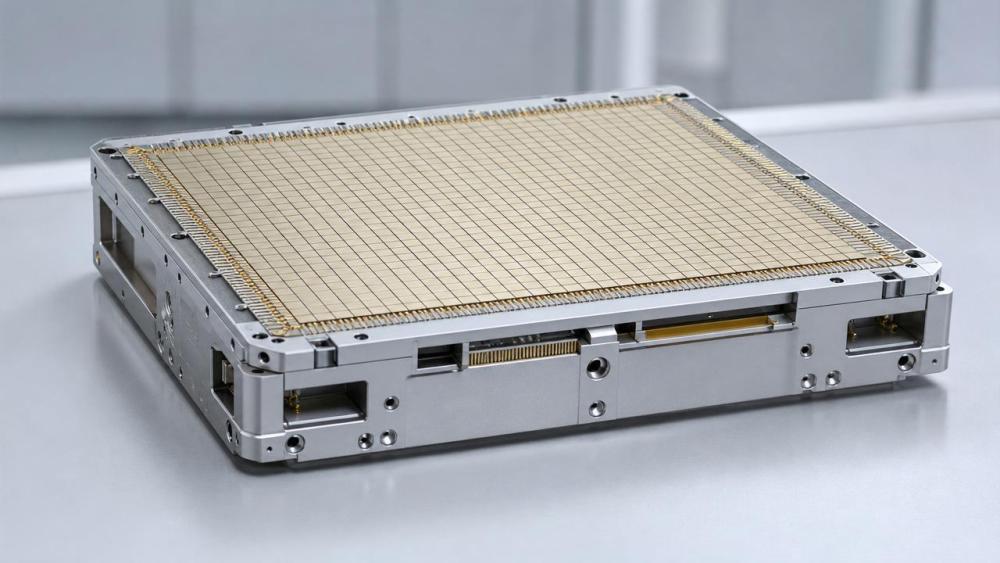
In summary, the ITC’s initiation of investigation 337-TA-2155 represents a targeted escalation in IP enforcement within advanced medical imaging hardware. Its significance lies less in immediate trade restriction and more in its implications for supply chain resilience, export compliance rigor, and long-term technology sourcing strategy. At this stage, it is more appropriately interpreted as a procedural milestone requiring measured assessment — not a definitive market access restriction.
Source: U.S. International Trade Commission (ITC) Official Notice of Investigation No. 337-TA-2155, issued May 27, 2026.
Note: Patent numbers and respondent identities remain subject to confirmation in subsequent ITC filings; further developments — including potential settlement, motion practice, or remedial orders — require ongoing observation.
Recommended News
 Aug 28, 2026Planning Operating Room Technology for a High-Throughput Surgery CenterOperating room technology for a surgery center: plan workflows, integration, uptime, and safety to boost throughput and create future-ready surgical rooms.
 Aug 27, 2026Building Medical Compliance Analytics for Middle East Market AccessMedical compliance analytics Middle East: build device-specific evidence maps, align local requirements, and accelerate market access with confidence.
 Aug 26, 2026How Surgical Equipment Digitalization Is Reshaping Hospital Investment in Latin AmericaSurgical equipment digitalization Latin America is reshaping hospital investment, from smart ORs to ROI-driven upgrades. Explore what buyers now value most.
 Aug 25, 2026How to Evaluate a Medical Compliance Intelligence Provider for Global Market AccessMedical compliance intelligence provider selection can make or break global market access. Learn how to assess technical depth, update quality, and commercial fit before choosing.
 Aug 24, 2026How Advanced Clinical Imaging Is Improving Cardiology Diagnosis and Treatment PlanningAdvanced clinical imaging cardiology is transforming diagnosis and treatment planning with clearer anatomy, tissue insight, and procedural guidance. Discover how it reduces uncertainty and supports smarter cardiac decisions.
 Aug 23, 2026How to Source Medical Devices in North America: Supplier Vetting and Market Access RisksMedical device sourcing North America made practical: learn how to vet suppliers, reduce compliance risks, and protect market access with smarter procurement decisions.
 Aug 22, 2026What Are Integrated Critical Care Systems and How Do Hospitals Evaluate Them?Critical care systems integrated: learn how hospitals assess ICU platforms for interoperability, alarm safety, workflow efficiency, and long-term value before buying.
 Aug 21, 2026How to Evaluate High-Resolution Diagnostic Imaging Systems for Detail-Critical ExamsDiagnostic imaging systems high resolution: learn how to compare detail-critical performance, workflow fit, dose efficiency, and ROI to choose the right system with confidence.
 Aug 20, 2026How to Evaluate Medical Equipment Performance Before Purchase?Medical equipment evaluation performance starts before purchase. Learn how to assess safety, workflow fit, compliance, uptime, and total cost to choose devices that truly perform.
 Aug 19, 2026How to Evaluate Small-Footprint Laboratory Diagnostic Equipment for Space-Limited LabsLaboratory diagnostic equipment small footprint choices require more than size checks. Learn how to assess workflow, throughput, compliance, and service access for smarter lab buying.
 Aug 18, 2026Biochemical Molecular Diagnostics Explained: Methods, Clinical Uses, and Lab Selection CriteriaBiochemical molecular diagnostics explained: compare key methods, clinical applications, and lab selection criteria to choose reliable, compliant testing with confidence.
 Aug 17, 2026How to Choose Diagnostic Equipment Solutions for a Clinic: Key Factors That Affect Workflow and CostDiagnostic equipment solutions clinic buyers can use to improve workflow, control total cost, and avoid hidden service risks. Learn the key factors before you invest.
 Aug 16, 2026How to Choose a Blood Cell Analyzer for a Small Lab: Throughput, CBC Menu, and CostBlood cell analyzers small lab buyers can compare throughput, CBC menu, and total operating cost with confidence. Learn how to avoid waste, reduce downtime, and choose the right fit.
 Aug 16, 2026FDA Approval of AMDS Hybrid Prosthesis Removes IRB Step for Faster U.S. AccessFDA approval of AMDS Hybrid Prosthesis removes the IRB step, speeding U.S. access for acute aortic dissection care and reshaping hospital procurement and supporting equipment demand.
 Aug 15, 2026What Hospital Technology Infrastructure Is Needed for Reliable Interoperability?Hospital technology infrastructure interoperability depends on secure networks, integration engines, identity services, and governance. Discover what hospitals need for reliable, scalable connectivity.
 Aug 14, 2026What to Look for in an Advanced Diagnostic Systems Distributor Before You BuyAdvanced diagnostic systems distributor: learn what to check before buying, from compliance and technical depth to delivery reliability and after-sales support. Make a smarter procurement decision today.
 Aug 14, 2026China Temporarily Bans Helium ExportsChina Temporarily Bans Helium Exports: learn how the July 10, 2026 rule may disrupt MRI, ECMO, and anesthesia device supply chains, compliance, and delivery planning for global buyers.
 Aug 13, 2026How CT Reconstruction Technology Impacts Image Quality, Dose, and WorkflowMedical imaging reconstruction technology CT shapes image quality, dose, and workflow. Learn how smarter CT reconstruction improves diagnostics and efficiency.
 Aug 13, 2026FDA clears AMDS PMA, easing U.S. hospital accessFDA clears AMDS PMA, easing U.S. hospital access for Artivion’s aortic arch device and speeding procurement, compliance, and deployment.
 Aug 12, 2026Hospital Diagnostic Equipment Comparison: What Buyers Should Evaluate Beyond PriceDiagnostic equipment comparison hospital buyers can trust: learn how to evaluate clinical performance, uptime, compliance, integration, and long-term ROI beyond price.
 Aug 12, 2026FDA Draft Guidance Reshapes AI Device ComplianceFDA Draft Guidance reshapes AI device compliance with new postmarket monitoring expectations for AI/ML-enabled SaMD. Learn what it means for U.S. market access, distributors, and exporters.
 Aug 11, 2026How to Evaluate a Diagnostic Medical Systems Manufacturer for Quality and Market AccessDiagnostic medical systems manufacturer selection starts with more than specs. Learn how to assess quality systems, regulatory readiness, service uptime, and market access before you buy.
 Aug 11, 2026EU MDR Deadline Extended for ECMO and ICU DevicesEU MDR deadline extended for ECMO and ICU devices to 2027. Learn what Regulation (EU) 2026/1347 means for compliance, exports, procurement, and roadmap filing.
 Aug 10, 2026How to Evaluate Laboratory Automation Systems in Europe for Multi-Site Lab OperationsLaboratory automation systems Europe buyers can use this guide to compare interoperability, compliance, service coverage, and ROI for multi-site lab operations with confidence.
















Related News
- 00
0000-00
Planning Operating Room Technology for a High-Throughput Surgery Center - 00
0000-00
Building Medical Compliance Analytics for Middle East Market Access - 00
0000-00
How Surgical Equipment Digitalization Is Reshaping Hospital Investment in Latin America - 00
0000-00
How to Evaluate a Medical Compliance Intelligence Provider for Global Market Access - 00
0000-00
How Advanced Clinical Imaging Is Improving Cardiology Diagnosis and Treatment Planning
Weekly Insights
Stay ahead with our curated technology reports delivered every Monday.