
Clinical validation standards often fail where it matters
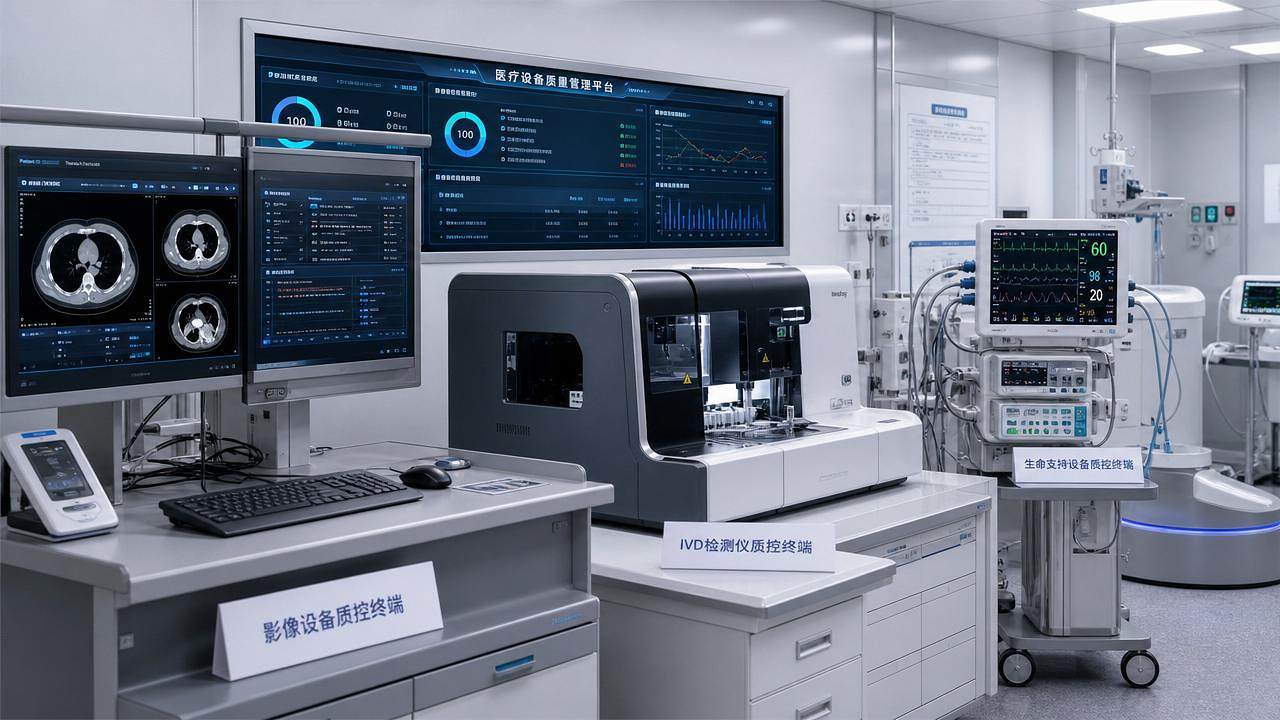




Clinical validation standards are meant to protect patients, yet they often miss the real-world risks that quality and safety teams face every day. In high-stakes MedTech environments, passing formal validation does not always guarantee clinical reliability, regulatory resilience, or operational safety. This article explores where clinical validation standards fall short, why those gaps matter, and how organizations can build stronger evidence frameworks that truly support frontline decision-making.
Why do clinical validation standards miss critical frontline risks?
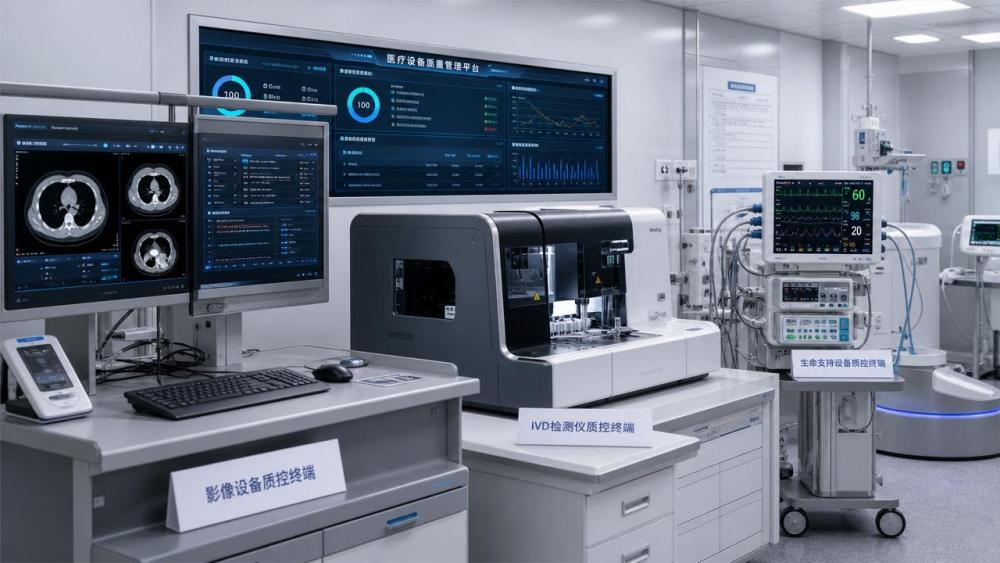
For quality control personnel and safety managers, the main problem is not whether clinical validation standards exist. The problem is that many standards are built to demonstrate baseline acceptability under defined conditions, while hospitals and laboratories operate under variable staffing, urgent timelines, mixed patient populations, and device interoperability pressures.
This gap becomes especially visible in medical imaging, IVD, critical life support, operating room infrastructure, and endoscope systems. In these fields, a device may satisfy formal validation endpoints yet still fail to deliver stable, reproducible performance when exposed to workflow complexity, maintenance variability, sample quality differences, or unexpected operator behavior.
AMDS focuses on this exact disconnect. By linking engineering detail, compliance logic, and clinical application reality, it helps teams examine whether clinical validation standards are measuring the outcomes that matter most: patient safety, operational consistency, audit readiness, and confidence under stress.
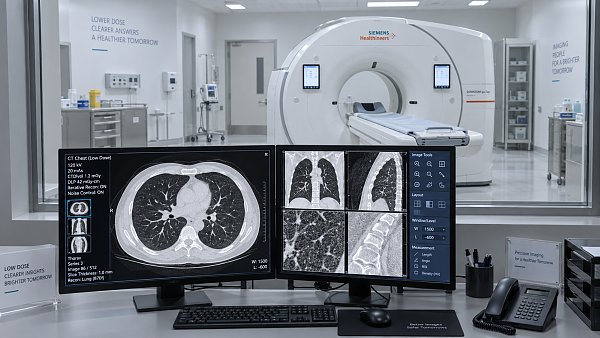
- A validated CT reconstruction workflow may underperform when patient motion, contrast timing, or multi-site protocol variation changes the input quality.
- A validated PCR or chemiluminescence assay may pass analytical targets but still produce avoidable workflow risk if pre-analytical handling is not tightly controlled.
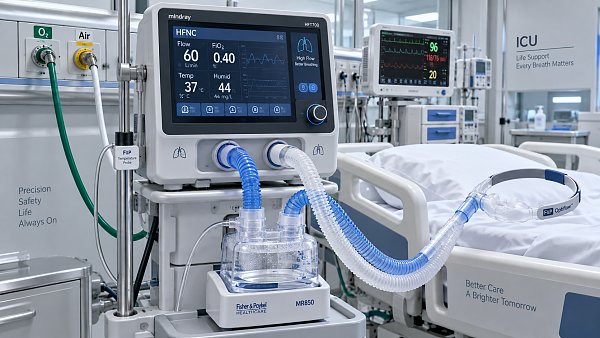
- A ventilator or ECMO-related subsystem may meet technical validation criteria but still create safety exposure if alarm logic, consumable compatibility, or training assumptions are weak.
Where clinical validation standards fail in real MedTech operations
The most useful way to assess clinical validation standards is not to ask whether they are important, but where they are incomplete. Quality and safety teams usually see five recurring blind spots across device categories.
1. Controlled studies do not reflect workflow volatility
Formal validation often relies on controlled sites, selected operators, fixed inclusion criteria, and predefined use conditions. Real healthcare delivery is different. Shift changes, incomplete handovers, urgent cases, reagent lot variation, image artifact burden, and delayed maintenance can all alter performance without technically violating the device label.
2. Endpoint selection may be too narrow
Many clinical validation standards prioritize sensitivity, specificity, image quality scoring, or procedural success rates. Those are necessary but incomplete. They may not capture repeatability over time, false reassurance risk, user recovery after error, or how performance changes in complex patient populations such as pediatrics, ICU patients, or obese patients.
3. Interoperability is underexamined
Devices rarely operate alone. Imaging systems depend on PACS, RIS, AI modules, contrast injectors, and protocol libraries. IVD platforms depend on LIS connectivity, sample logistics, and environmental controls. Validation that isolates the device but ignores the surrounding system can understate real operational risk.
4. Human factors get treated as training issues rather than design risks
When frontline errors occur, organizations often blame training gaps. But recurring misuse usually signals a design or workflow problem. If clinical validation standards do not stress-test alarm prioritization, interface readability, cleaning steps, cable routing, sample loading behavior, or emergency override logic, the evidence base remains incomplete.
5. Post-market reality evolves faster than pre-market evidence
Clinical environments change quickly. New disease patterns, different reimbursement models, software updates, AI-assisted tools, and revised care pathways can all shift the risk profile after launch. A standard that supported approval may not support ongoing safety assurance unless it is backed by active surveillance and evidence refresh.
The table below shows how common validation assumptions diverge from actual risk exposure in high-acuity MedTech settings where clinical validation standards are often treated as sufficient proof.
For safety leaders, the lesson is practical: passing validation is not the endpoint. It is the opening layer of evidence. Decision-makers need to test whether clinical validation standards align with actual use, local workflow, and post-market change.
What quality and safety teams should evaluate before approving a device or solution
Procurement and approval decisions often move faster than evidence review capacity. That is why quality and safety teams need a structured filter that goes beyond brochure claims and beyond the minimum interpretation of clinical validation standards.
A practical review checklist
- Check intended use boundaries. Confirm whether evidence covers your patient population, care setting, operator profile, and throughput demands.
- Examine evidence quality. Distinguish analytical, bench, simulated, reader-based, and real-world clinical data rather than grouping them together.
- Review failure modes. Ask what happens when image inputs are poor, samples are delayed, power quality fluctuates, accessories are substituted, or software interfaces lag.
- Test interoperability assumptions. Confirm compatibility with information systems, existing accessories, sterilization processes, maintenance routines, and alarm management protocols.
- Assess evidence refresh plans. Determine how the manufacturer monitors field data, software updates, complaints, adverse events, and protocol revisions.
The following procurement-oriented comparison helps teams translate clinical validation standards into approval criteria that are more defensible during audits, internal reviews, and supplier qualification decisions.
This shift from minimal review to stronger review is where many organizations reduce hidden lifecycle cost. It lowers the chance of late-stage CAPA pressure, emergency retraining, repeat audits, and supplier disputes after deployment.
How stronger evidence frameworks improve compliance and purchasing decisions
Clinical validation standards remain essential, but they work best when embedded inside a wider evidence framework. In MedTech, that framework should combine technical verification, clinical relevance, usability, interoperability, and post-market monitoring.
Key building blocks of a better framework
- Pre-market evidence mapping that separates what has been proven in lab conditions from what has been demonstrated in real care pathways.
- Human factors review tied to actual operator groups, including night shift staffing, training turnover, and emergency use conditions.
- Interoperability assessment across imaging, diagnostics, life support, and surgical ecosystems rather than product-by-product isolation.
- Post-market evidence loops using complaints, service trends, software change impact, and near-miss reports to update risk assumptions.
This matters for cost as much as compliance. A device that appears affordable at purchase can become expensive if weak validation transfer leads to extra downtime, rejected tests, procedure delays, repeat scans, or more complex internal audits. For teams under DRG pressure or fixed capital budgets, hidden quality cost can exceed the original price advantage.
AMDS is particularly relevant here because its intelligence model connects technical mechanism with compliance consequences. For example, AI-assisted reconstruction in imaging cannot be judged only by image sharpness. It must also be examined for artifact behavior, reader dependence, protocol consistency, and documentation traceability. The same applies to anti-fog endoscope optics, PCR amplification workflows, ventilator alarm systems, and OR equipment dependencies.
Which standards and compliance signals should teams watch closely?
Quality and safety teams should never reduce compliance review to a certificate check. Clinical validation standards gain value only when interpreted together with risk management, usability engineering, lifecycle documentation, and market-specific regulatory expectations.
Useful compliance signals in supplier review
- Whether the manufacturer can explain how validation endpoints connect to real clinical decisions rather than only presenting summary claims.
- Whether risk management documentation reflects foreseeable misuse, accessory interaction, cleaning limits, and alarm behavior.
- Whether post-market surveillance appears active, structured, and linked to design or labeling updates when needed.
- Whether evidence packages can support CE MDR or FDA scrutiny without major gaps in traceability and rationale.
In practical terms, teams evaluating clinical validation standards should ask not only “Was it validated?” but also “Under what assumptions?”, “Against which clinical decisions?”, and “How will evidence hold up when workflow changes?” Those questions improve supplier selection and reduce future remediation burden.
Common misconceptions about clinical validation standards
Does validated mean low risk?
No. Validation confirms that certain claims were supported under specified conditions. It does not eliminate residual risk, operational variability, or user-system interaction problems. Teams should still verify local fit, process robustness, and update controls.
If a device has market access, is the evidence enough for every hospital?
Not necessarily. A tertiary imaging center, a regional emergency hospital, and a high-throughput reference lab may face very different workload patterns, staffing models, and failure consequences. Clinical validation standards support market access, but local approval still needs contextual review.
Can post-market surveillance compensate for weak initial validation?
Only partly. Post-market data is valuable, but it is often slower, noisier, and more expensive to act on than better pre-deployment evidence review. Strong organizations use surveillance to refine assumptions, not to discover avoidable design blind spots too late.
Are human factors separate from clinical validation standards?
They should not be treated as separate in practice. If a device is clinically effective only when used perfectly, the real-world evidence case is incomplete. Safety performance depends on the interaction between technology, operator, environment, and workflow.
Why AMDS is a useful intelligence partner for quality and safety teams
AMDS is positioned at the intersection of medical engineering, compliance interpretation, and clinical application. That matters because clinical validation standards often fail where evidence is fragmented across departments. Engineering sees technical capability. Regulatory sees documentation. Procurement sees price and delivery. Clinical teams see usability. Safety teams must connect them all.
Through its Strategic Intelligence Center, AMDS helps organizations interpret imaging systems, IVD instruments, life support platforms, OR equipment, and endoscope technologies through a more complete lens. The value is not abstract. It supports clearer supplier conversations, better qualification criteria, stronger audit preparation, and more informed purchasing under budget and timeline pressure.
- For imaging teams, AMDS can help connect reconstruction algorithms, detector technology, and protocol design with practical validation concerns.
- For IVD stakeholders, AMDS can help frame assay evidence against pre-analytical risk, throughput reality, and compliance expectations.
- For ICU and OR decision-makers, AMDS can help examine whether equipment reliability claims match emergency use, infrastructure constraints, and training burden.
Why choose us for evidence review, selection support, and compliance-focused consultation?
If your team is struggling with clinical validation standards that look acceptable on paper but leave unanswered risk questions, AMDS can help you structure a more practical review path. The goal is to reduce uncertainty before procurement, qualification, market entry, or major deployment decisions.
You can consult AMDS on specific topics that matter to quality control personnel and safety managers:
- Parameter confirmation for imaging, IVD, endoscopy, life support, and OR equipment under real usage assumptions.
- Product selection support when multiple suppliers meet formal clinical validation standards but differ in risk profile, documentation quality, or workflow fit.
- Delivery timeline review and implementation planning for sites with strict commissioning windows or cross-functional approval requirements.
- Customized evidence frameworks covering certification expectations, audit preparation, supplier qualification questions, and field-use risk checkpoints.
- Quotation discussions that consider not only capital price but also training burden, maintenance dependency, interoperability cost, and hidden quality risk.
For organizations operating where every scan, assay, ventilation cycle, and minimally invasive procedure carries high consequence, stronger evidence is a strategic necessity. Clinical validation standards are the starting point. AMDS helps you decide what must come next.
Recommended News
 Oct 10, 2026What Does a Photon-Counting CT Cost? Budgeting for Acquisition and Lifecycle ExpensesPhoton-counting CT price explained: compare acquisition, site upgrades, software, training, and service costs to build a confident lifecycle budget.
 Oct 09, 2026Critical Care Cardiac Monitoring: Key Parameters for ICU System SelectionCritical care monitoring cardiac care: discover how to select ICU systems with reliable ECG, intelligent alarms, hemodynamic insight, interoperability, and resilience.
 Oct 08, 2026Operating Room Systems: Selection Criteria for Integrated Surgical WorkflowsOperating room systems selection guide for integrated surgical workflows—improve safety, interoperability, lifecycle value, and scalable clinical performance.
 Oct 07, 2026Hospital Diagnostic Equipment Procurement: A Framework for Comparing Cost, Capacity, and RiskHospital diagnostic equipment procurement made clearer: compare lifecycle cost, usable capacity, clinical fit, and operational risk to make confident, sustainable buying decisions.
 Oct 06, 2026How to Evaluate an Operating Room Technology Distributor for Hospital ProjectsOperating room technology distributor evaluation guide for hospitals: assess integration, compliance, lifecycle costs, service capacity, and delivery confidence before award.
 Oct 05, 2026Global Medical Procurement Planning: How Hospitals Can Reduce Supply Risk and CostGlobal medical procurement planning helps hospitals reduce supply risk, control lifecycle costs, and protect care continuity through smarter sourcing, service, and compliance strategies.
 Oct 03, 2026How Detection Algorithms Improve Sensitivity and Workflow in Medical ImagingMedical imaging algorithms detection improves sensitivity, manages false positives, and streamlines clinical workflows. Explore validation, integration, and governance essentials.
 Oct 02, 2026High-Flow ICU Ventilators: Key Selection Criteria for Acute Respiratory CareICU ventilators high flow: discover key selection criteria for accurate gas delivery, NIV performance, humidification, alarms, reliability, and safer acute respiratory care.
 Oct 01, 2026How to Evaluate Medical Equipment Intelligence Suppliers for Hospital ProcurementMedical equipment intelligence suppliers: learn how hospitals can assess evidence quality, total cost, compliance, interoperability, and cybersecurity for smarter procurement decisions.
 Sep 30, 2026ISO 13485 Requirements for Blood Testing Instruments: A Buyer’s ChecklistBlood testing instruments ISO 13485 buyer’s checklist: verify certification scope, traceability, installation, consumables, and supplier support before you buy.
 Sep 29, 2026How to Evaluate Integrated Operating Room Systems for Workflow, Imaging, and IT IntegrationIntegrated operating room systems: evaluate workflow, imaging, IT integration, cybersecurity, and lifecycle value to select a scalable surgical solution.
 Sep 28, 2026How to Evaluate a Genetic Testing Equipment Supplier for PCR Lab ProcurementGenetic testing equipment supplier evaluation guide for PCR labs: compare performance, compliance, workflow, service, supply resilience, and total cost.
 Sep 27, 2026How to Specify Custom Benchtop Diagnostic Instruments for Your Assay WorkflowCustom diagnostic instruments benchtop guide: specify optics, fluidics, automation, software integration, and support to build a reliable assay workflow.
 Sep 26, 2026How Cardiac Imaging Analysis Tools Turn CT and MRI Data into Clinical MetricsMedical imaging analysis cardiology tools transform cardiac CT and MRI into reliable metrics. Explore segmentation, validation, workflow integration, and AI review.
 Sep 25, 2026How Iterative Image Reconstruction Algorithms Balance CT Dose, Noise, and DetailIterative image reconstruction algorithms help CT teams balance dose, noise, and diagnostic detail. Explore practical insights for confident imaging decisions.
 Sep 24, 2026What Drives the Total Cost of Medical Technology Solutions Over Their Lifecycle?Medical technology solutions cost goes far beyond purchase price—explore lifecycle drivers from installation and service to software, training, compliance, and downtime.
 Sep 24, 2026Diagnostic Imaging Technology: How Modalities Support Different Clinical DecisionsDiagnostic imaging technology supports smarter clinical decisions across CT, MRI, ultrasound, and nuclear imaging. Explore modality strengths, workflows, and selection factors.
 Sep 22, 2026How Life Science Labs Can Select Biomedical Research Equipment by Workflow and ThroughputBiomedical research equipment life science labs can select with confidence by aligning workflow, throughput, automation, data integrity, and scalable support.
 Sep 21, 2026How to Plan LIS Connectivity for Chemiluminescence Analyzers Without Data GapsChemiluminescence analyzers LIS connectivity: learn how to prevent data gaps with field mapping, exception workflows, end-to-end validation, and reliable go-live planning.
 Sep 20, 2026Selecting Fluorescence PCR Instruments: Detection Channels, Sensitivity, and Workflow FitPCR diagnostic instruments fluorescence detection guide: compare channels, sensitivity, multiplexing, and workflow fit to select a reliable platform.
 Sep 19, 2026Biomedical Signal Processing: From Sensor Data to Clinical Decision SupportBiomedical signal processing transforms sensor data into reliable clinical decision support. Explore AI, imaging, IVD, ICU monitoring, and compliance-ready MedTech insights.
 Sep 18, 2026How to Evaluate a Diagnostic Imaging Platform for Multi-Modality Workflow IntegrationDiagnostic imaging platform evaluation guide: assess multi-modality workflows, interoperability, AI integration, image integrity, security, and scalability for safer clinical decisions.
 Sep 17, 2026ISO 13485 for Medical Imaging Equipment: What Manufacturers Must DocumentMedical imaging equipment ISO 13485: discover essential documentation for design controls, risk management, traceability, software, and post-market quality.
 Sep 16, 2026Robotic MIS Equipment: What Hospitals Should Evaluate Before AdoptionMinimally invasive surgical equipment robotic adoption guide: evaluate workflow, safety, imaging, costs, cybersecurity, and service readiness.


















Related News
- 00
0000-00
ISO 13485 Requirements for Blood Testing Instruments: A Buyer’s Checklist - 00
0000-00
ISO 13485 for Medical Imaging Equipment: What Manufacturers Must Document - 00
0000-00
Where to Find Reliable Medical Device Information for Research and Due Diligence - 00
0000-00
Medical Supplier Evaluation Checklist: How to Verify Quality, Compliance, and Delivery Risk - 00
0000-00
Do You Need a Local Distributor to Register Medical Devices in Southeast Asia?
Weekly Insights
Stay ahead with our curated technology reports delivered every Monday.