



For project managers overseeing hospitals, imaging centers, or MedTech deployments, equipment downtime is never just a technical delay—it affects patient throughput, compliance risk, service revenue, and clinical trust.
Effective clinical engineering solutions help teams move from reactive repairs to predictive maintenance, asset visibility, lifecycle planning, and faster incident response.
In complex environments where MRI, CT, IVD, ICU, and operating room systems must perform with near-zero tolerance for failure, a structured engineering strategy can turn reliability into a measurable operational advantage.
Downtime Is a Project Risk, Not a Maintenance Inconvenience
Most project managers underestimate downtime because it appears as a biomedical issue, not a portfolio, scheduling, or financial control problem.
In reality, a failed CT scanner can delay diagnosis, disrupt referrals, extend patient waiting lists, and weaken utilization assumptions in business cases.
When an IVD analyzer stops during peak testing hours, turnaround time suffers, clinicians lose confidence, and emergency pathways become more fragile.
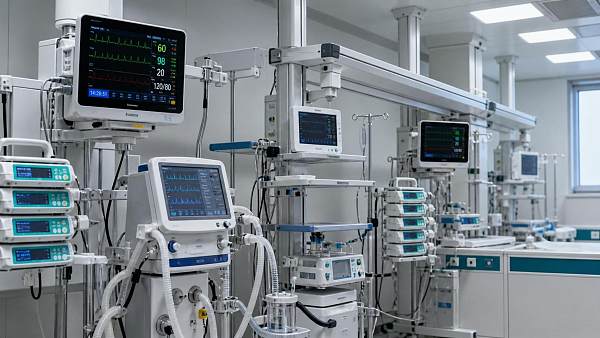
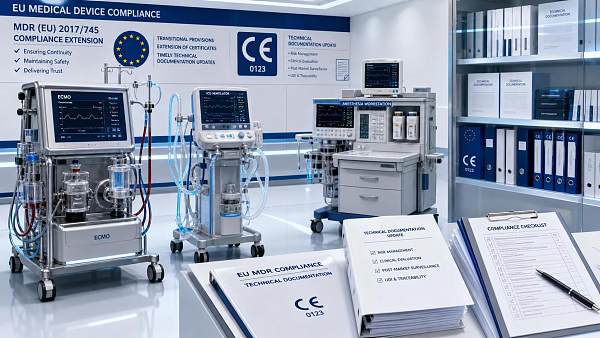
For ICU ventilators, anesthesia systems, ECMO platforms, or surgical lights, downtime is closer to operational risk than ordinary technical inconvenience.
Clinical engineering solutions reduce this exposure by connecting equipment performance, service workflow, compliance evidence, spare parts, and lifecycle decisions.
The central value is not simply fixing devices faster, but preventing avoidable interruptions before they affect patients and project outcomes.
What Project Managers Actually Need from Clinical Engineering
Project leaders need visibility first: what assets exist, where they operate, how critical they are, and which failures create bottlenecks.
Without a reliable asset baseline, maintenance plans become generic, warranty coverage is missed, and capital replacement discussions depend on anecdotes.
They also need predictable service response, because downtime events often collide with operating lists, imaging appointments, and contracted performance obligations.
A strong clinical engineering model defines escalation paths before incidents occur, including vendor contact rules, internal ownership, and clinical communication.
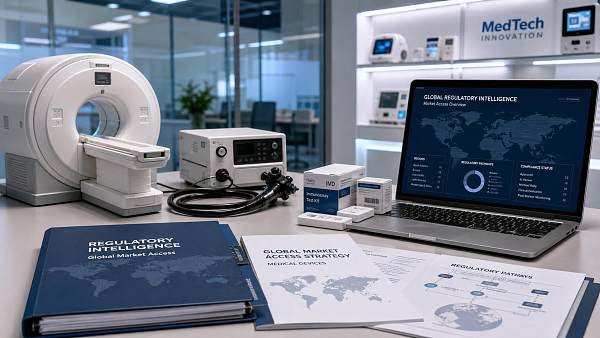
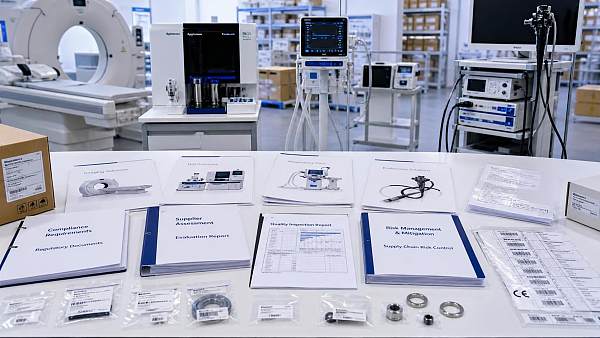
Project managers also need compliance-ready documentation, especially when equipment supports regulated diagnostics, radiation exposure, life support, or sterile procedures.
Finally, they need financial clarity: which maintenance actions protect revenue, which upgrades reduce risk, and which assets should be retired.
The Four Levers That Cut Downtime Most Reliably
The first lever is preventive maintenance based on clinical criticality, manufacturer requirements, utilization intensity, and historical failure patterns.
This prevents teams from treating a rarely used backup monitor and a high-throughput MRI system with the same service logic.
The second lever is predictive maintenance, using performance data, error logs, calibration drift, environmental conditions, and component wear indicators.
Predictive methods are especially valuable for imaging systems, where cooling, detector stability, magnet performance, and software faults can trigger costly interruptions.
The third lever is rapid incident response, supported by digital work orders, triage rules, spare-part access, and trained first-line troubleshooting.
The fourth lever is lifecycle management, which identifies aging assets before maintenance spending exceeds reliability, safety, or economic thresholds.
Together, these levers shift the organization from emergency recovery to planned reliability, which is easier to govern and defend financially.
How Downtime Reduction Changes by Equipment Category
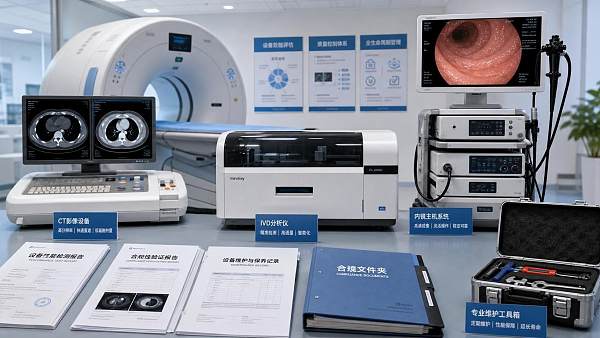
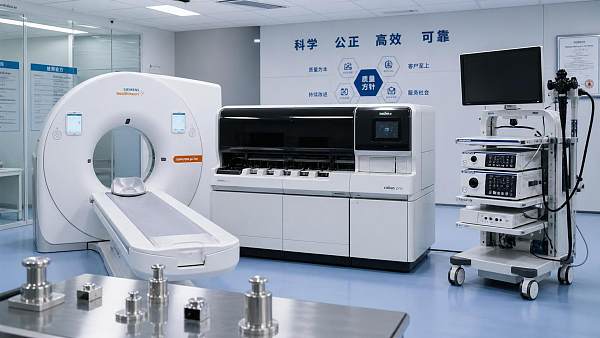
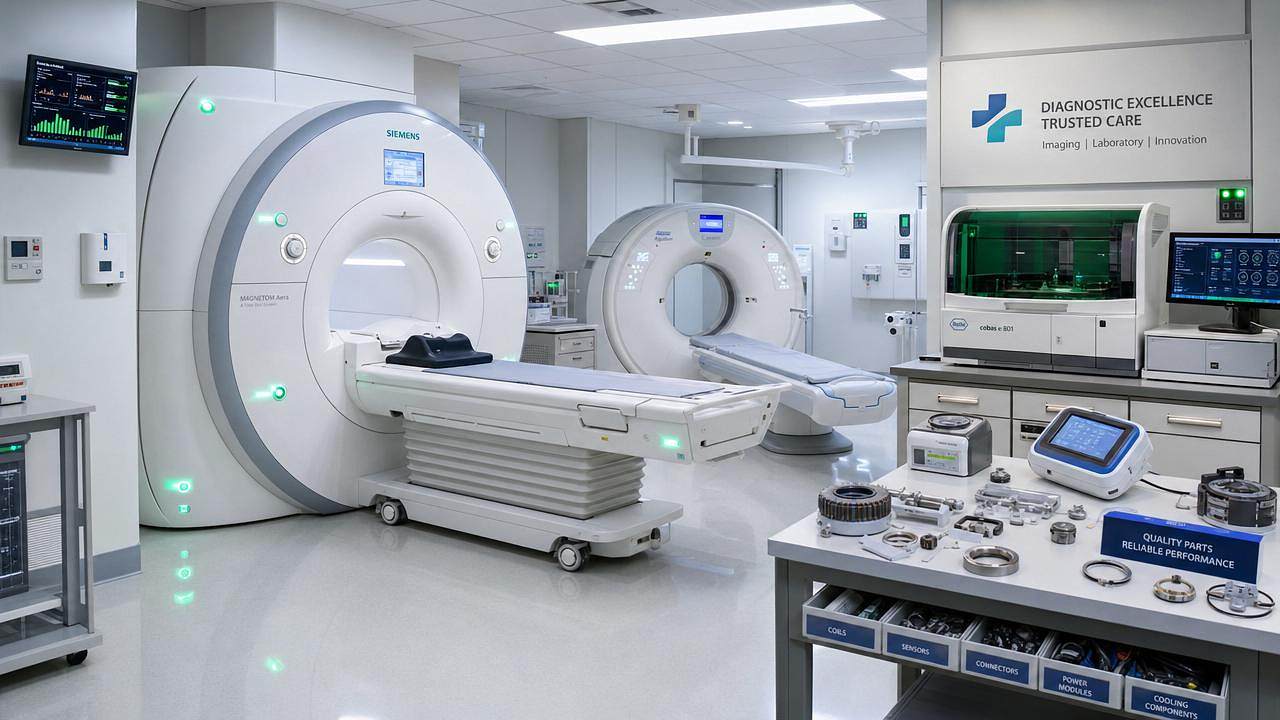
Medical imaging equipment requires attention to uptime windows, environmental stability, software configuration, radiation safety, and highly specialized vendor support.
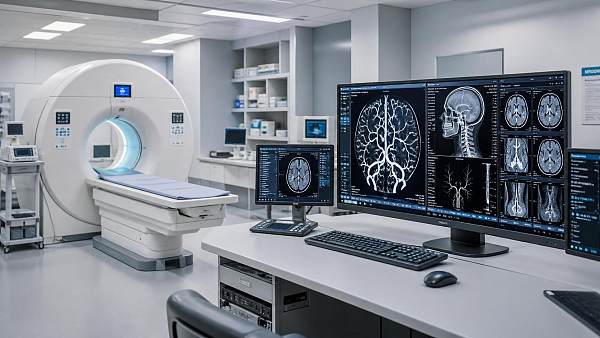
For MRI and CT, downtime can quickly affect hospital-wide patient flow because many pathways depend on timely image acquisition.
IVD laboratories require redundancy planning, reagent management, calibration discipline, and strict quality control because downtime directly affects diagnostic turnaround.
In high-volume laboratories, even short analyzer interruptions can create specimen backlogs that take several shifts to fully recover.
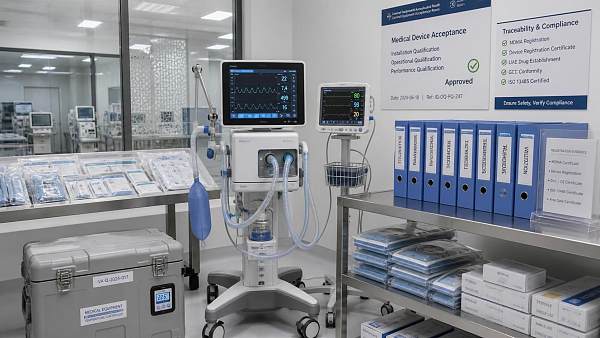
Life support equipment requires a different mindset, because availability must be proven, not assumed, especially during surges or emergency transfers.
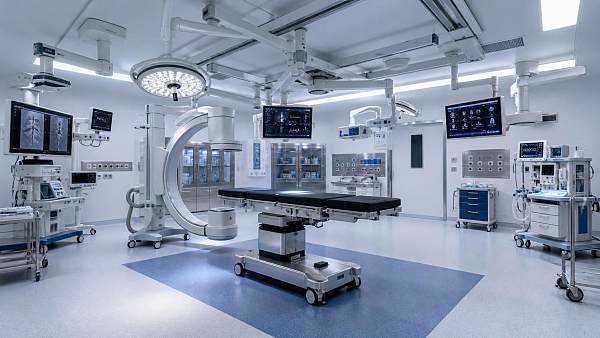
Operating room infrastructure depends on readiness checks, preventive replacement of wear components, electrical safety, and coordination with surgical schedules.
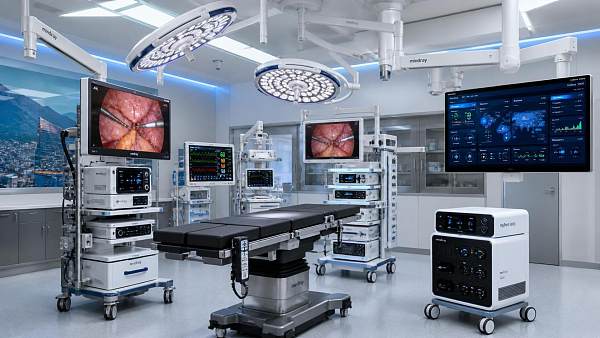
Endoscope systems require careful handling, reprocessing validation, optical performance checks, and fast repair loops to protect minimally invasive capacity.
The best clinical engineering solutions segment these categories, rather than applying one maintenance template across every device class.
Building a Practical Downtime Reduction Program
A useful program begins with asset classification, ranking devices by clinical criticality, utilization, replacement difficulty, regulatory sensitivity, and downtime impact.
This classification helps project managers decide where advanced monitoring is justified and where simpler preventive controls are sufficient.
The next step is creating service-level expectations for each class, including response time, repair time, escalation triggers, and communication responsibilities.
These expectations should be realistic, measurable, and aligned with vendor contracts, internal staffing, and spare-parts availability.
Teams should then integrate computerized maintenance management systems with procurement, inventory, incident reporting, and compliance documentation where possible.
Data integration matters because downtime often continues unnecessarily while teams search for serial numbers, manuals, warranty status, or service history.
Project managers should also schedule planned downtime with clinical leaders, protecting peak service hours and avoiding hidden disruption to patient pathways.
Finally, every major incident should generate a short root-cause review, focused on prevention rather than blame or technical detail alone.
What Metrics Prove the Program Is Working
Mean time between failures shows whether equipment reliability is improving, especially for high-value assets with repeated service events.
Mean time to repair reveals whether incident response is efficient, including diagnosis, parts procurement, vendor dispatch, and final validation.
Availability percentage translates engineering performance into operational language, showing whether equipment is ready when clinicians need it.
First-time fix rate helps identify whether technicians have the right skills, documentation, tools, and parts during the initial response.
Preventive maintenance completion rate remains important, but it should be interpreted alongside risk level, overdue reasons, and clinical consequences.
Cost per operating hour can be more useful than annual maintenance spending, because it links engineering expense to productive use.
For project managers, the most persuasive dashboard connects downtime hours with canceled procedures, delayed reports, lost scans, or laboratory turnaround breaches.
ROI: Where the Business Case Becomes Visible
The return on clinical engineering solutions is often strongest where equipment bottlenecks directly affect revenue, reimbursement, or patient throughput.
In imaging centers, higher scanner availability can increase completed studies without buying another machine or extending operating hours.
In hospitals, reliable operating room equipment protects surgical schedules, reducing overtime, cancellations, and inefficient use of specialist teams.
In laboratories, stable analyzer uptime supports faster reporting, better emergency care, and fewer expensive manual workarounds during peak demand.
For life support equipment, ROI includes risk reduction, disaster readiness, and avoidance of critical failures that are difficult to monetize.
Project managers should compare investment against avoided downtime cost, reduced emergency repairs, improved utilization, compliance protection, and deferred capital replacement.
A credible business case avoids vague savings claims and uses local operating data, including volumes, service revenue, labor costs, and failure history.
Common Implementation Risks and How to Avoid Them
One frequent mistake is buying software before clarifying workflows, ownership, data standards, and escalation rules across clinical and engineering teams.
Another risk is treating vendor contracts as complete downtime strategies, when internal triage and operational coordination remain equally important.
Some organizations over-focus on preventive maintenance completion while ignoring asset age, repeat faults, obsolescence, and clinical scheduling impact.
Data quality is another barrier, because incomplete asset records weaken analytics, warranty recovery, compliance reporting, and lifecycle planning.
Project managers should assign clear data owners, standardize naming conventions, and audit asset records during installation, relocation, and decommissioning.
Change management also matters, since clinicians must report issues early and engineering teams must communicate repair status in operational terms.
The most successful programs build trust by showing quick wins, such as faster response for critical devices or fewer repeated breakdowns.
How to Choose the Right Clinical Engineering Partner or Model
The right model depends on equipment complexity, internal expertise, geography, vendor dependency, regulatory exposure, and required service coverage.
Large hospitals may use hybrid teams, combining in-house biomedical engineers with OEM support for complex imaging or robotic systems.
Smaller facilities may prefer managed services, especially when they lack specialized staff or need predictable maintenance budgeting.
During selection, project managers should evaluate response capability, technical certifications, parts strategy, reporting transparency, and experience with critical equipment categories.
They should also ask how the provider supports compliance evidence, cybersecurity coordination, software updates, and end-of-life recommendations.
A strong partner will discuss operational outcomes, not only maintenance tasks, and will translate engineering activity into management-level insight.
The best clinical engineering solutions act like reliability infrastructure, supporting procurement, deployment, daily operations, audits, and replacement planning.
Conclusion: Reliability Is a Managed Outcome
Downtime falls when clinical engineering becomes part of project governance, not a service desk contacted only after equipment fails.
For project managers, the priority is to connect asset visibility, maintenance strategy, response workflows, compliance documentation, and lifecycle economics.
When these elements work together, hospitals and MedTech projects gain more predictable capacity, stronger audit readiness, and better financial control.
Most importantly, clinical teams gain confidence that critical systems will be available when diagnosis, treatment, or life support depends on them.
Effective clinical engineering solutions do not eliminate every failure, but they make downtime rarer, shorter, better understood, and easier to prevent.