
How advanced clinical diagnostics changes early care decisions
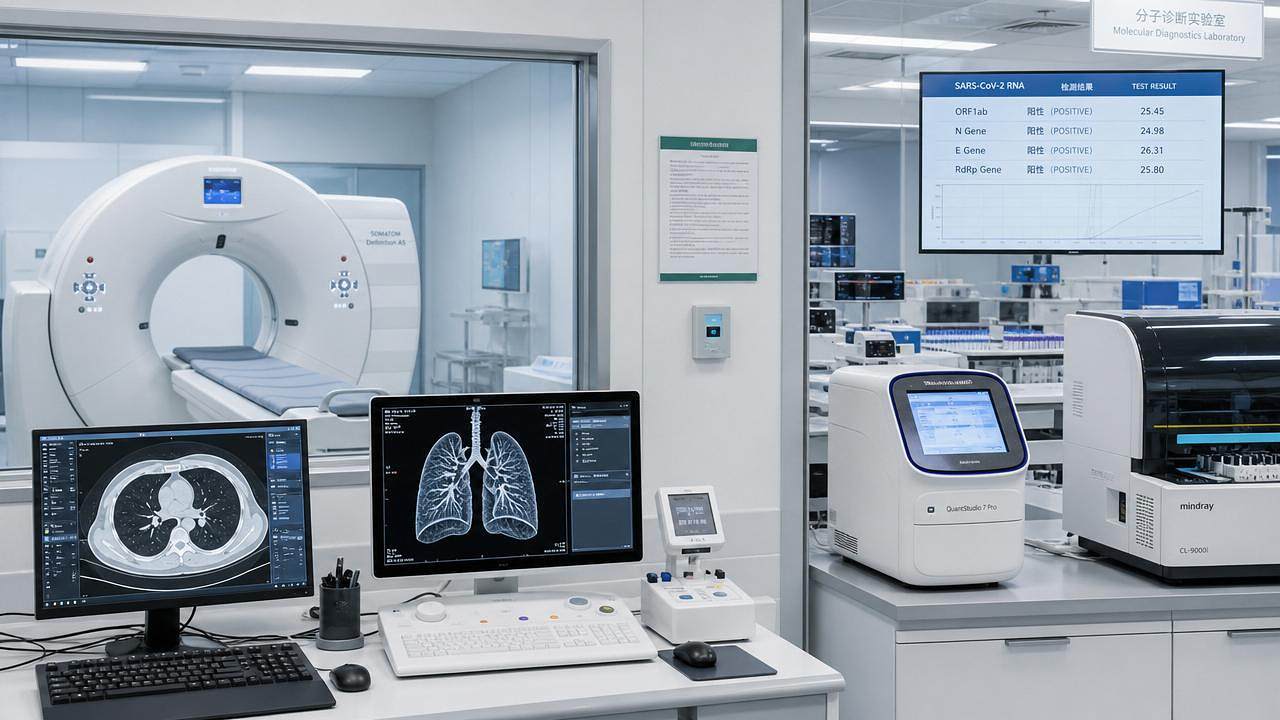




Advanced clinical diagnostics is reshaping how clinicians act at the earliest stage of care, turning complex imaging, IVD data, and real-time decision support into faster, more confident interventions. For information researchers tracking MedTech trends, this shift reveals how precision evidence not only improves early detection and triage, but also influences compliance, workflow efficiency, and treatment pathways across modern healthcare systems.
What does advanced clinical diagnostics mean in early care decisions?
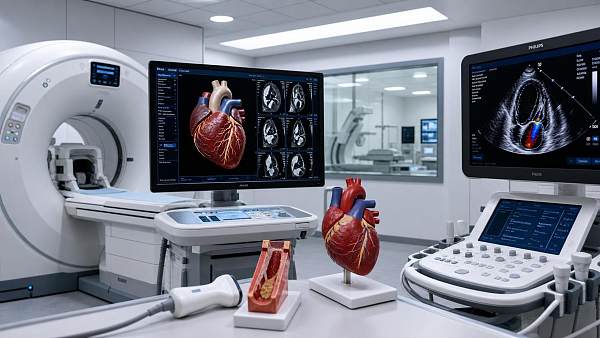
Advanced clinical diagnostics refers to high-value tools that generate earlier, clearer, and more actionable clinical evidence.
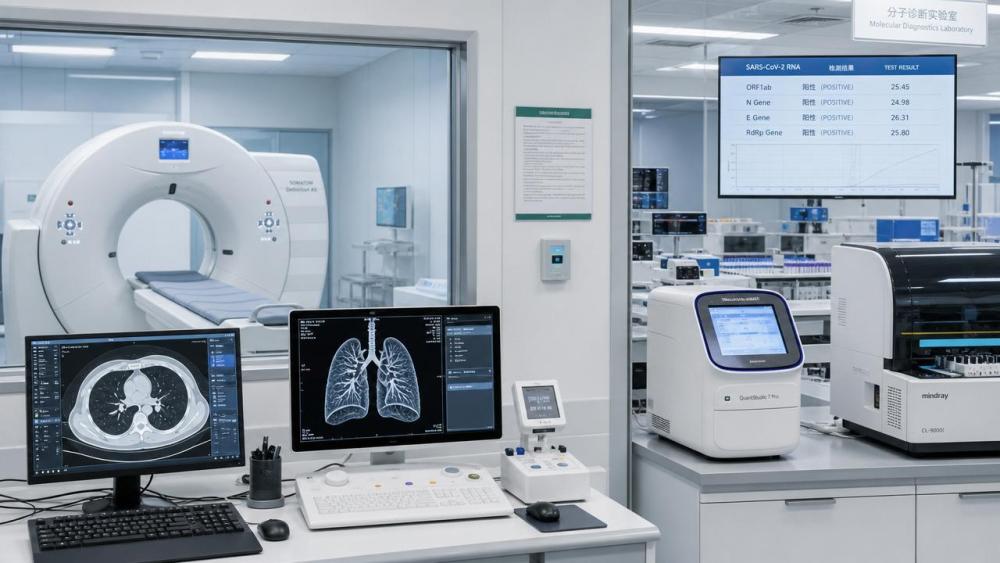
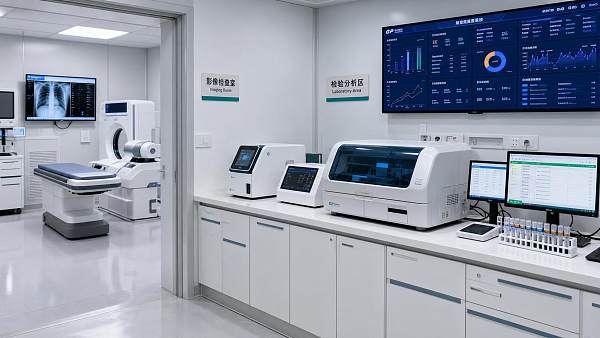
It combines medical imaging, in vitro diagnostics, digital interpretation, and decision support into one connected clinical process.
In practice, advanced clinical diagnostics helps reduce uncertainty during the first hours of patient evaluation.
That matters in oncology, infection control, cardiovascular events, respiratory failure, and emergency medicine.
Instead of relying only on symptoms, clinicians can act using imaging findings, biomarker signals, and trend data.
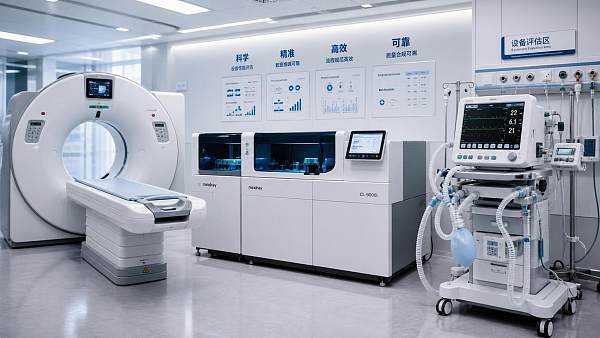
A chest CT may detect subtle lesions before symptoms worsen.
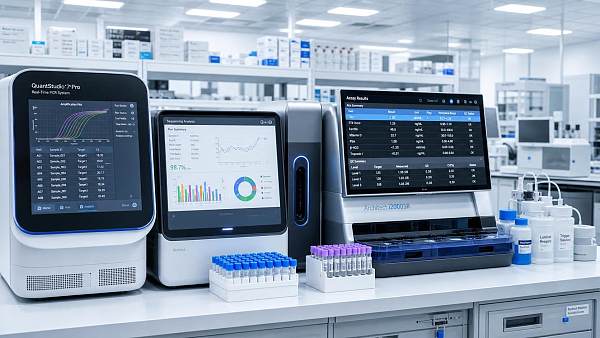
A PCR platform may confirm viral presence from a tiny sample.
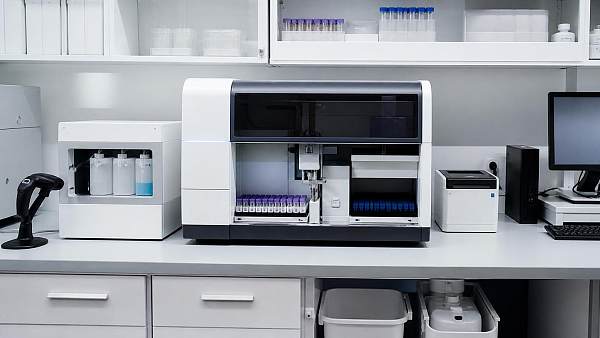
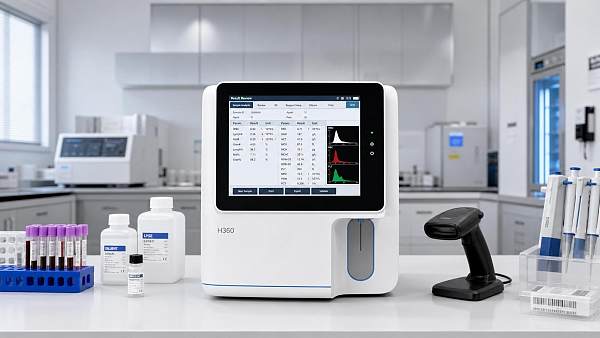
A chemiluminescence assay may reveal inflammation, cardiac injury, or tumor markers much earlier than conventional pathways.
This is why advanced clinical diagnostics increasingly shapes early care decisions across the broader healthcare industry.
Why is this shift strategically important?
Earlier evidence changes triage priority, test sequencing, admission decisions, and the timing of treatment escalation.
It also strengthens documentation for quality review, reimbursement logic, and regulatory alignment.
For intelligence-driven platforms like AMDS, the value lies in connecting technical performance with real clinical consequence.
How does advanced clinical diagnostics improve speed and accuracy at the first point of care?
The main advantage is not speed alone.
It is faster access to evidence that is specific enough to support meaningful action.
Advanced clinical diagnostics improves this through four mechanisms.
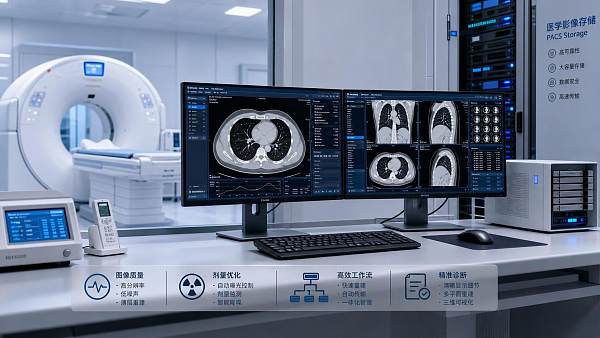
- High-resolution imaging reveals pathology earlier and with greater anatomical detail.
- IVD platforms detect molecular or protein signals before severe symptoms appear.
- AI-assisted workflows reduce reading delays and highlight urgent abnormalities.
- Integrated data systems connect results across departments for faster interpretation.
Consider stroke or pulmonary embolism pathways.
Minutes matter, but raw speed without clarity can still delay the right intervention.
Advanced clinical diagnostics helps teams distinguish look-alike conditions and choose treatment windows more confidently.
In sepsis screening, biomarker panels and microbiological tests may support earlier antimicrobial targeting.
In cancer workups, advanced imaging and pathology-linked assays can shorten the route from suspicion to treatment planning.
What changes in workflow?
The care pathway becomes less linear and more data-responsive.
Instead of waiting for multiple manual checkpoints, results can trigger parallel actions.
That includes specialist review, escalation to ICU support, endoscopy scheduling, or minimally invasive intervention planning.
Which clinical areas benefit most from advanced clinical diagnostics?
The strongest impact appears where disease progression is fast, hidden, or expensive to misclassify.
Several areas stand out across modern health systems.
1. Emergency and critical care
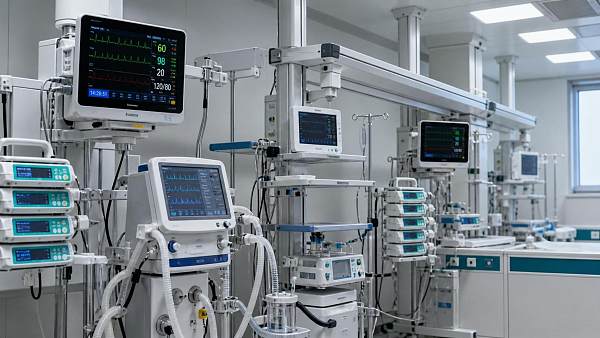
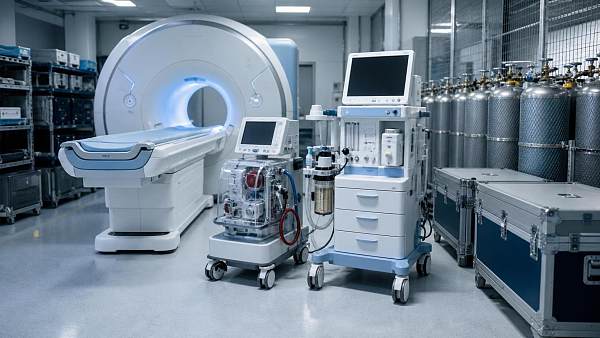
Rapid diagnostics guide airway support, ventilation strategy, circulatory stabilization, and ICU admission timing.
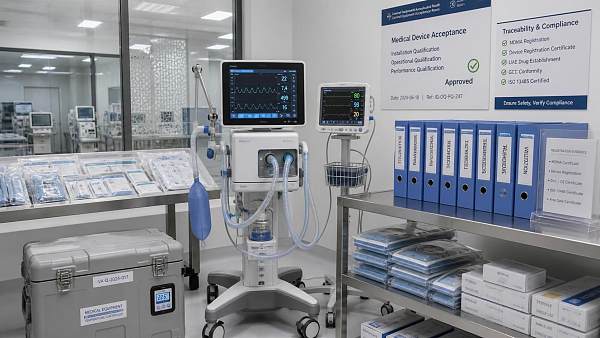
When life support equipment is involved, diagnostic certainty becomes even more important.
2. Oncology screening and staging
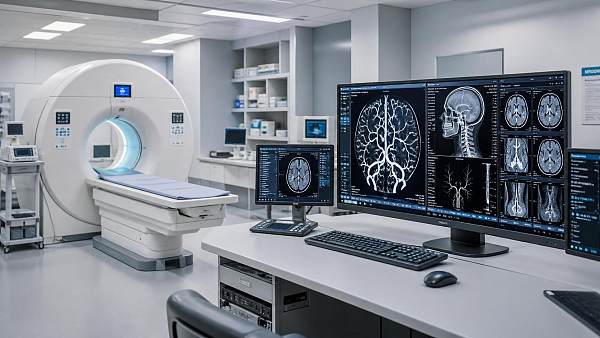
Imaging systems provide noninvasive structural insight, while IVD tools add molecular evidence.
Together, advanced clinical diagnostics supports earlier lesion detection and more precise treatment selection.
3. Infectious disease management
PCR and immunoassay platforms shorten the time between suspicion and confirmation.
That improves isolation decisions, therapy targeting, and outbreak control.
4. Cardiovascular care
Advanced clinical diagnostics can identify ischemia, structural abnormalities, and biomarker changes before clinical deterioration.
This often affects transfer urgency and intervention planning.
5. Minimally invasive surgery
Endoscope systems and image-guided planning depend on accurate diagnostic mapping.
Better diagnostics often means smaller incisions, shorter procedures, and fewer avoidable conversions.
How should organizations evaluate advanced clinical diagnostics solutions?
A common mistake is evaluating performance using only sensitivity claims or hardware specifications.
A better approach links technical capability to workflow, compliance, and economic outcome.
Key evaluation dimensions include the following.
- Clinical relevance: Does the output change early care decisions?
- Turnaround time: Can results arrive within meaningful treatment windows?
- Integration: Does it connect with hospital information and imaging systems?
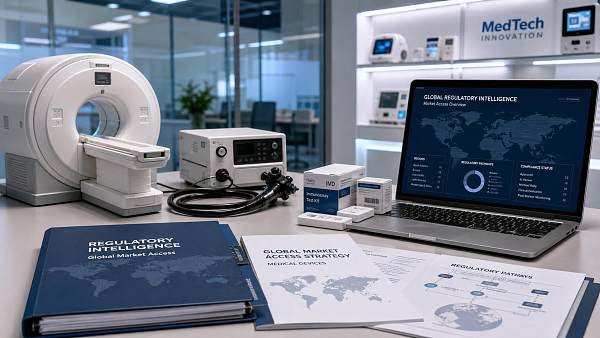
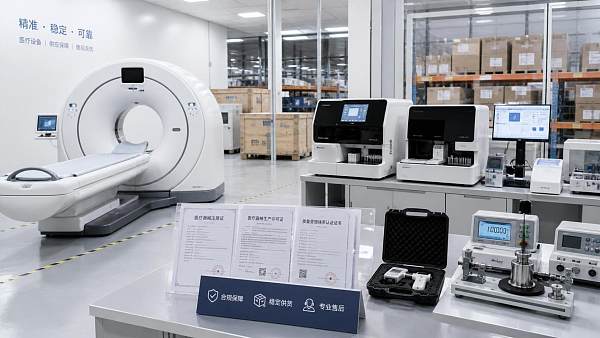
- Compliance: Is the system aligned with FDA, CE MDR, and audit expectations?
- Reliability: How stable is performance across sites, operators, and patient populations?
- Economic value: Does it reduce repeat testing, delayed admissions, or avoidable complications?
This broader view reflects the AMDS perspective on strategic MedTech intelligence.
The real question is not whether a system looks advanced.
The question is whether advanced clinical diagnostics produces safer, earlier, and more defensible decisions.
Quick evaluation table
What risks and misconceptions surround advanced clinical diagnostics?
One misconception is that more data automatically means better decisions.
In reality, too much unfiltered information can overload teams and slow escalation.
Another misconception is that AI alone guarantees diagnostic progress.
AI is useful only when paired with validated inputs, clear workflows, and accountable interpretation.
There are also implementation risks.
- Fragmented systems may create data silos.
- Weak training may reduce trust in advanced outputs.
- Inconsistent validation may harm reproducibility.
- Overtesting may increase cost without improving decisions.
Advanced clinical diagnostics should therefore be introduced as a care design strategy, not as isolated equipment procurement.
The strongest programs align diagnostics with pathways, staffing, quality metrics, and reimbursement realities.
What does the future of advanced clinical diagnostics mean for healthcare strategy?
The future points toward deeper integration across imaging, IVD, life support, and minimally invasive treatment platforms.
This creates a more continuous chain from detection to intervention.
For example, diagnostic imaging may trigger molecular confirmation, which then guides procedural planning and post-treatment monitoring.
That is where advanced clinical diagnostics becomes a system-level capability rather than a departmental tool.
AMDS tracks this convergence closely because it defines the upper boundary of precision medicine in real-world practice.
The combination of algorithmic reconstruction, biochemical detection, and compliance intelligence is no longer optional.
It is becoming essential for safe scaling in global healthcare markets.
Practical next steps
- Map which early care decisions currently suffer from diagnostic delay.
- Match those delays to imaging, IVD, or workflow intelligence gaps.
- Evaluate advanced clinical diagnostics using outcome, compliance, and ROI criteria together.
- Prioritize solutions that improve both evidence quality and operational reliability.
In summary, advanced clinical diagnostics changes early care decisions by making evidence faster, clearer, and more actionable.
Its value extends beyond diagnosis into triage, treatment selection, compliance readiness, and long-term healthcare efficiency.
A careful, integrated evaluation will reveal where advanced clinical diagnostics can deliver the greatest clinical and strategic advantage.
Recommended News
 Aug 28, 2026Planning Operating Room Technology for a High-Throughput Surgery CenterOperating room technology for a surgery center: plan workflows, integration, uptime, and safety to boost throughput and create future-ready surgical rooms.
 Aug 27, 2026Building Medical Compliance Analytics for Middle East Market AccessMedical compliance analytics Middle East: build device-specific evidence maps, align local requirements, and accelerate market access with confidence.
 Aug 26, 2026How Surgical Equipment Digitalization Is Reshaping Hospital Investment in Latin AmericaSurgical equipment digitalization Latin America is reshaping hospital investment, from smart ORs to ROI-driven upgrades. Explore what buyers now value most.
 Aug 25, 2026How to Evaluate a Medical Compliance Intelligence Provider for Global Market AccessMedical compliance intelligence provider selection can make or break global market access. Learn how to assess technical depth, update quality, and commercial fit before choosing.
 Aug 24, 2026How Advanced Clinical Imaging Is Improving Cardiology Diagnosis and Treatment PlanningAdvanced clinical imaging cardiology is transforming diagnosis and treatment planning with clearer anatomy, tissue insight, and procedural guidance. Discover how it reduces uncertainty and supports smarter cardiac decisions.
 Aug 23, 2026How to Source Medical Devices in North America: Supplier Vetting and Market Access RisksMedical device sourcing North America made practical: learn how to vet suppliers, reduce compliance risks, and protect market access with smarter procurement decisions.
 Aug 22, 2026What Are Integrated Critical Care Systems and How Do Hospitals Evaluate Them?Critical care systems integrated: learn how hospitals assess ICU platforms for interoperability, alarm safety, workflow efficiency, and long-term value before buying.
 Aug 21, 2026How to Evaluate High-Resolution Diagnostic Imaging Systems for Detail-Critical ExamsDiagnostic imaging systems high resolution: learn how to compare detail-critical performance, workflow fit, dose efficiency, and ROI to choose the right system with confidence.
 Aug 20, 2026How to Evaluate Medical Equipment Performance Before Purchase?Medical equipment evaluation performance starts before purchase. Learn how to assess safety, workflow fit, compliance, uptime, and total cost to choose devices that truly perform.
 Aug 19, 2026How to Evaluate Small-Footprint Laboratory Diagnostic Equipment for Space-Limited LabsLaboratory diagnostic equipment small footprint choices require more than size checks. Learn how to assess workflow, throughput, compliance, and service access for smarter lab buying.
 Aug 18, 2026Biochemical Molecular Diagnostics Explained: Methods, Clinical Uses, and Lab Selection CriteriaBiochemical molecular diagnostics explained: compare key methods, clinical applications, and lab selection criteria to choose reliable, compliant testing with confidence.
 Aug 17, 2026How to Choose Diagnostic Equipment Solutions for a Clinic: Key Factors That Affect Workflow and CostDiagnostic equipment solutions clinic buyers can use to improve workflow, control total cost, and avoid hidden service risks. Learn the key factors before you invest.
 Aug 16, 2026How to Choose a Blood Cell Analyzer for a Small Lab: Throughput, CBC Menu, and CostBlood cell analyzers small lab buyers can compare throughput, CBC menu, and total operating cost with confidence. Learn how to avoid waste, reduce downtime, and choose the right fit.
 Aug 16, 2026FDA Approval of AMDS Hybrid Prosthesis Removes IRB Step for Faster U.S. AccessFDA approval of AMDS Hybrid Prosthesis removes the IRB step, speeding U.S. access for acute aortic dissection care and reshaping hospital procurement and supporting equipment demand.
 Aug 15, 2026What Hospital Technology Infrastructure Is Needed for Reliable Interoperability?Hospital technology infrastructure interoperability depends on secure networks, integration engines, identity services, and governance. Discover what hospitals need for reliable, scalable connectivity.
 Aug 14, 2026What to Look for in an Advanced Diagnostic Systems Distributor Before You BuyAdvanced diagnostic systems distributor: learn what to check before buying, from compliance and technical depth to delivery reliability and after-sales support. Make a smarter procurement decision today.
 Aug 14, 2026China Temporarily Bans Helium ExportsChina Temporarily Bans Helium Exports: learn how the July 10, 2026 rule may disrupt MRI, ECMO, and anesthesia device supply chains, compliance, and delivery planning for global buyers.
 Aug 13, 2026How CT Reconstruction Technology Impacts Image Quality, Dose, and WorkflowMedical imaging reconstruction technology CT shapes image quality, dose, and workflow. Learn how smarter CT reconstruction improves diagnostics and efficiency.
 Aug 13, 2026FDA clears AMDS PMA, easing U.S. hospital accessFDA clears AMDS PMA, easing U.S. hospital access for Artivion’s aortic arch device and speeding procurement, compliance, and deployment.
 Aug 12, 2026Hospital Diagnostic Equipment Comparison: What Buyers Should Evaluate Beyond PriceDiagnostic equipment comparison hospital buyers can trust: learn how to evaluate clinical performance, uptime, compliance, integration, and long-term ROI beyond price.
 Aug 12, 2026FDA Draft Guidance Reshapes AI Device ComplianceFDA Draft Guidance reshapes AI device compliance with new postmarket monitoring expectations for AI/ML-enabled SaMD. Learn what it means for U.S. market access, distributors, and exporters.
 Aug 11, 2026How to Evaluate a Diagnostic Medical Systems Manufacturer for Quality and Market AccessDiagnostic medical systems manufacturer selection starts with more than specs. Learn how to assess quality systems, regulatory readiness, service uptime, and market access before you buy.
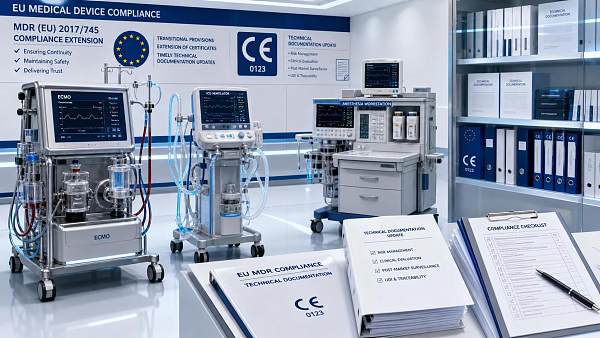
 Aug 11, 2026EU MDR Deadline Extended for ECMO and ICU DevicesEU MDR deadline extended for ECMO and ICU devices to 2027. Learn what Regulation (EU) 2026/1347 means for compliance, exports, procurement, and roadmap filing.
 Aug 10, 2026How to Evaluate Laboratory Automation Systems in Europe for Multi-Site Lab OperationsLaboratory automation systems Europe buyers can use this guide to compare interoperability, compliance, service coverage, and ROI for multi-site lab operations with confidence.





Related News
- 00
0000-00
Planning Operating Room Technology for a High-Throughput Surgery Center - 00
0000-00
How Advanced Clinical Imaging Is Improving Cardiology Diagnosis and Treatment Planning - 00
0000-00
What Are Integrated Critical Care Systems and How Do Hospitals Evaluate Them? - 00
0000-00
How to Evaluate High-Resolution Diagnostic Imaging Systems for Detail-Critical Exams - 00
0000-00
How to Evaluate Medical Equipment Performance Before Purchase?
Weekly Insights
Stay ahead with our curated technology reports delivered every Monday.