




Precision diagnostics technology can cut false results
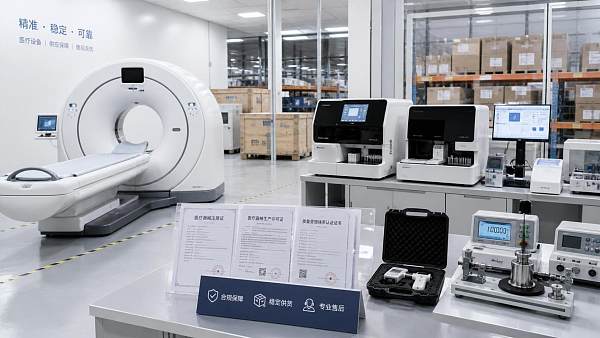
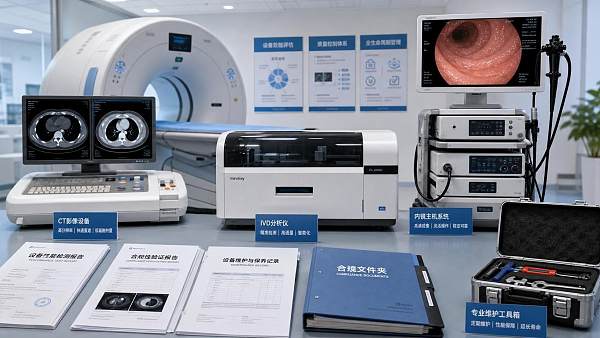
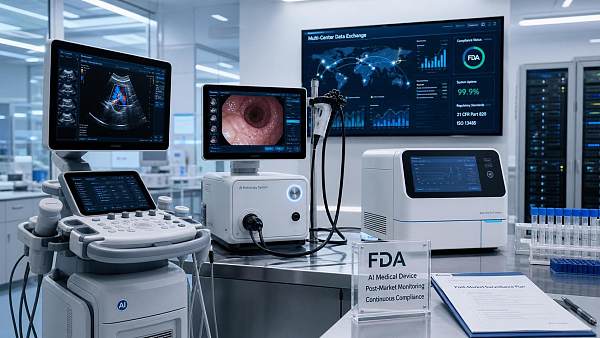
In clinical environments, every scan, sample, and device setting can influence a patient’s next step. Precision diagnostics technology helps operators reduce false positives, false negatives, and workflow uncertainty by combining advanced imaging, IVD accuracy, AI-assisted analysis, and strict compliance control.
For frontline users managing high-pressure diagnostic tasks, understanding how these systems improve reliability is essential to faster decisions, safer treatments, and stronger confidence in every reported result.
The core value is not simply “more advanced equipment.” It is fewer avoidable errors across acquisition, processing, interpretation, reporting, and follow-up.
Operators usually search this topic because they need practical confidence: how technology reduces false results, where errors still happen, and what workflows must change.
Precision diagnostics technology is most useful when it supports disciplined users, standardized protocols, quality control, and clear escalation rules, rather than replacing clinical judgment.
Where false results usually begin in daily diagnostic work

False diagnostic results rarely come from one dramatic failure. They more often emerge from small deviations that accumulate across several clinical steps.
In imaging, patient motion, positioning error, low contrast timing, metal artifacts, incorrect protocol selection, and reconstruction settings can all change diagnostic confidence.
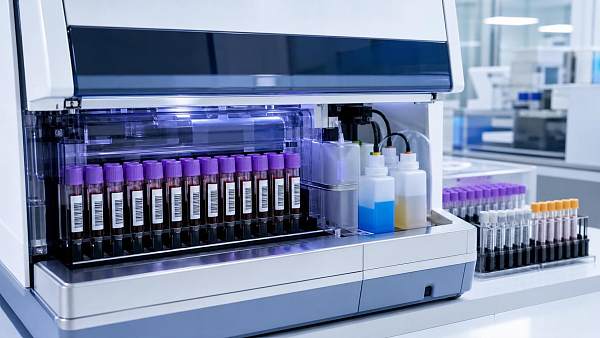
In IVD workflows, pre-analytical issues are especially common. Sample mislabeling, hemolysis, delayed processing, contamination, and wrong storage temperature may distort results.
For critical care testing, device calibration, sensor drift, reagent lot variation, and rushed documentation can create misleading readings during urgent decisions.
Operators care about these details because they are the people closest to the result before it becomes a treatment decision.
Precision diagnostics technology reduces risk by controlling variation, alerting users earlier, and making abnormal workflow conditions more visible before reporting.
How precision diagnostics technology reduces false positives
False positives can trigger unnecessary anxiety, repeat testing, invasive procedures, antibiotic overuse, or delayed discharge. They also increase workload for clinical teams.
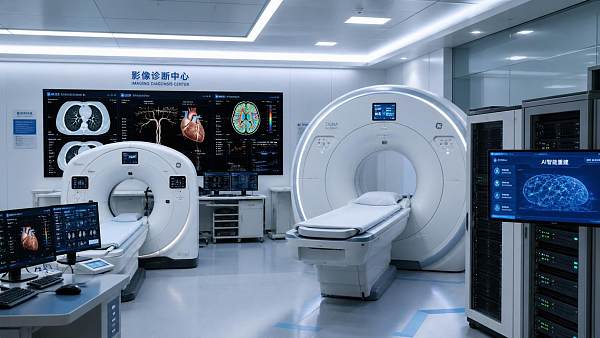
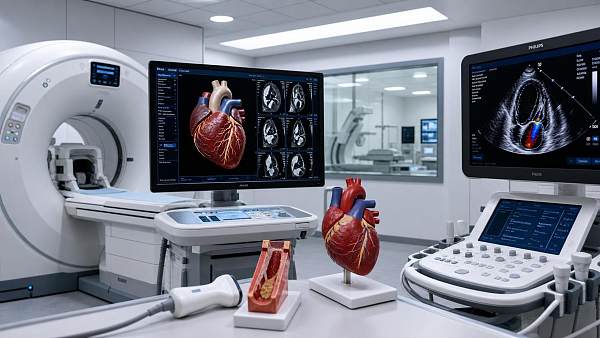
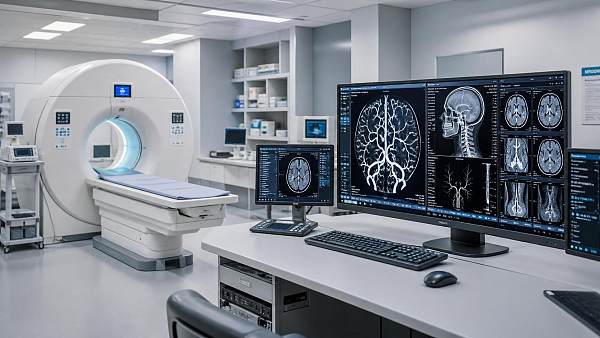
Advanced imaging systems reduce false positives by improving spatial resolution, contrast separation, noise suppression, and artifact correction during image reconstruction.
Photon-counting CT, high-field MRI, and AI-assisted reconstruction can help distinguish true lesions from noise, partial volume effects, and benign structures.
For operators, this means better images are not just prettier images. They reduce ambiguous findings that force radiologists into cautious over-calling.
In IVD, precision comes from assay specificity, controlled reaction conditions, automated pipetting, internal controls, and robust signal interpretation algorithms.
Molecular diagnostics such as PCR can reduce false positives when contamination control, amplification thresholds, and negative controls are properly managed.
Chemiluminescence immunoassays also benefit from improved antibody design, calibration traceability, and interference detection for substances such as heterophile antibodies.
The operator’s role remains crucial. Even the best system cannot compensate for poor sample handling, wrong patient identification, or ignored quality flags.
How technology helps prevent false negatives
False negatives are often more dangerous because they create false reassurance. A missed infection, tumor, clot, or organ failure signal can delay intervention.
Precision diagnostics technology addresses this by increasing sensitivity while preserving usable specificity, especially in early-stage or low-signal clinical scenarios.
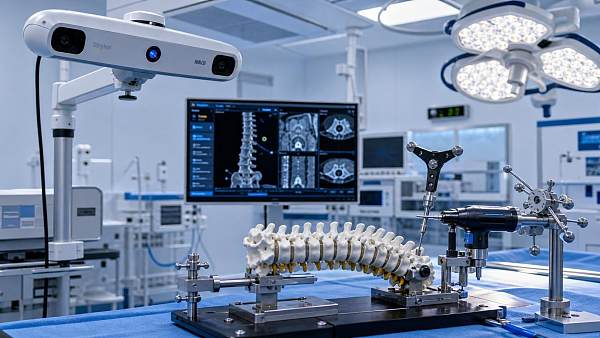
In imaging, optimized protocols can reveal subtle lesions through thinner slices, better contrast timing, motion correction, and advanced tissue characterization.
AI-assisted triage may highlight possible intracranial bleeding, pulmonary embolism, lung nodules, or fractures that could be overlooked during heavy workloads.
In IVD, high-sensitivity assays detect lower biomarker concentrations, helping clinicians identify early myocardial injury, infection, or endocrine abnormalities.
However, high sensitivity requires disciplined interpretation. Operators must understand reportable ranges, detection limits, gray zones, and when repeat testing is needed.
A low viral load, diluted sample, improper swab technique, or inhibitor presence can still cause a false negative molecular result.
Technology helps most when it gives the operator warnings, validity checks, and decision prompts before an unreliable result leaves the laboratory.
What operators should check before trusting an automated result
Automation improves consistency, but it does not remove responsibility. Operators should treat every result as the endpoint of a controlled process.
The first checkpoint is patient and sample identity. Barcode matching, accession verification, and electronic order reconciliation should be completed without shortcuts.
The second checkpoint is acquisition quality. Imaging operators should verify positioning, coverage, dose parameters, motion, contrast phase, and visible artifacts.
Laboratory users should review sample volume, clotting, hemolysis, lipemia, transport time, temperature exposure, and analyzer acceptance flags.
The third checkpoint is system readiness. Calibration status, maintenance logs, reagent validity, control performance, and software version should be current.
The fourth checkpoint is clinical plausibility. A result that strongly conflicts with symptoms, history, or previous data deserves careful review.
Precision diagnostics technology can display alerts, but the operator must know which alerts are critical and which require escalation.
A useful rule is simple: if the process looks unstable, the result should not be treated as routine.
AI assistance is valuable, but only with clear operating boundaries
AI is one of the most important forces behind modern precision diagnostics technology, especially in imaging review and pattern recognition.
It can reduce fatigue-related misses, prioritize urgent cases, standardize measurements, and support quantitative comparison across follow-up studies.
In endoscopy, AI can help detect small polyps, mucosal abnormalities, bleeding points, or lesions hidden near folds and shadows.
In laboratory diagnostics, algorithms may identify abnormal reaction curves, suspicious control trends, or inconsistent result patterns across related biomarkers.
Still, AI output should be treated as decision support, not an independent final authority. Operators need training on system limitations.
False confidence is a real risk. An AI mark may be wrong, and an unmarked area may still contain clinically relevant findings.
Good systems make uncertainty visible. They provide confidence scores, explainable markers, audit trails, and clear rules for human review.
The safest workflow combines AI speed with operator discipline and clinician interpretation, especially when results affect urgent or invasive treatment.
Why compliance and quality control matter as much as hardware
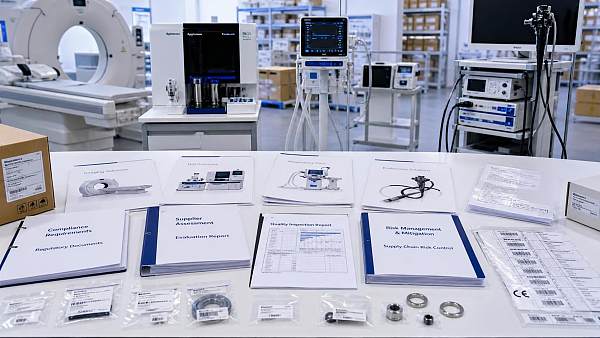
False result reduction depends on more than sensors, optics, reagents, or reconstruction algorithms. Compliance frameworks turn technical capability into repeatable performance.
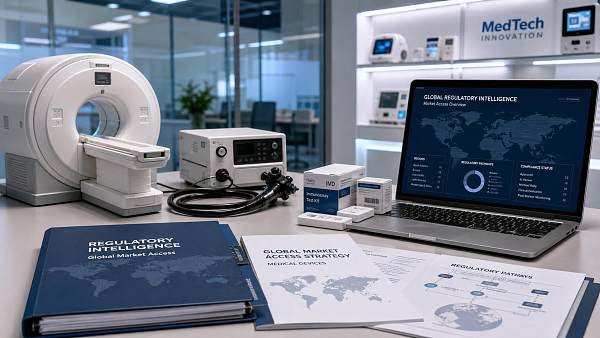
Standards such as FDA requirements, CE MDR expectations, ISO 13485, and laboratory quality systems help define evidence, traceability, and risk control.
For operators, compliance becomes practical through standard operating procedures, competency assessment, preventive maintenance, documentation, and incident reporting.
Quality control data should not be viewed as administrative burden. It is an early warning system for drift, instability, and hidden failure.
In IVD, Levey-Jennings charts, Westgard rules, external quality assessment, and lot-to-lot verification help protect result integrity.
In imaging, phantom testing, dose monitoring, detector calibration, coil checks, and protocol governance help maintain consistent diagnostic quality.
When these controls are ignored, even premium equipment can produce unreliable outputs that look technically sophisticated but clinically misleading.
The strongest diagnostic environments are those where users feel responsible for both patient throughput and result validity.
Practical workflow steps that reduce error before reporting
Operators can reduce false results by following a structured workflow that starts before the patient or sample reaches the device.
Before testing, confirm the order, indication, patient identity, contraindications, preparation requirements, and any factors that may interfere with results.
During acquisition or analysis, avoid silent workarounds. If a device rejects a sample or warns about image quality, investigate the reason.
After acquisition, review technical adequacy before releasing the case. This includes image coverage, phase timing, control status, and unexpected flags.
For borderline or implausible findings, repeat testing, alternate methods, senior review, or clinician consultation may prevent harmful misinterpretation.
Documentation should record deviations clearly. A note about hemolysis, motion artifact, or delayed processing can protect downstream decisions.
Team communication is also important. Radiographers, laboratory technologists, nurses, physicians, and biomedical engineers often hold different pieces of the error story.
Precision diagnostics technology works best when workflows encourage early correction rather than late explanation after a false result causes harm.
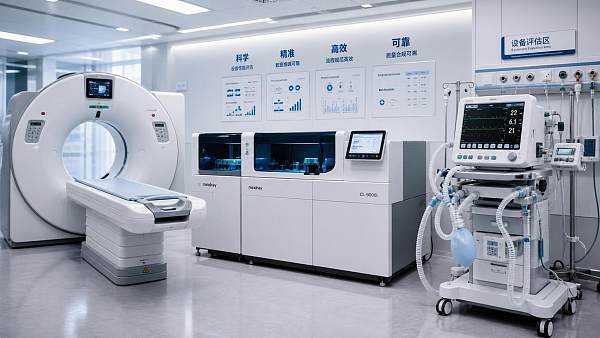
What to look for when evaluating diagnostic systems as a user
Frontline users should evaluate systems based on daily reliability, not only manufacturer specifications or headline performance claims.
Key questions include how often the system produces actionable alerts, how clearly it explains errors, and how easily users can verify status.
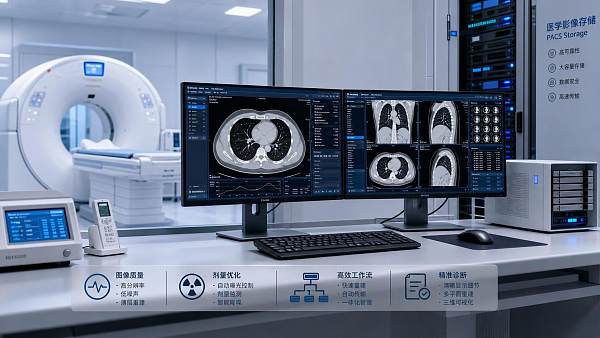
For imaging systems, assess protocol flexibility, artifact reduction, reconstruction speed, dose management, image consistency, and integration with PACS or reporting platforms.
For IVD platforms, examine sample traceability, onboard stability, reagent handling, contamination control, calibration frequency, and quality control visibility.
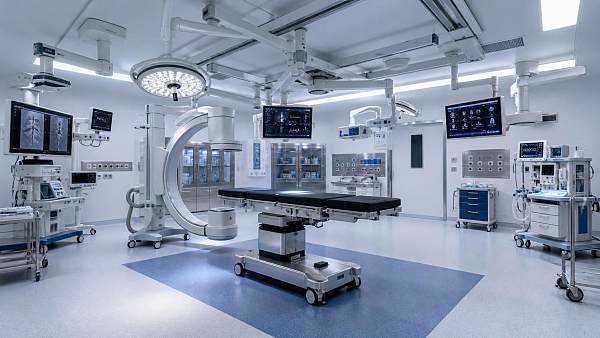
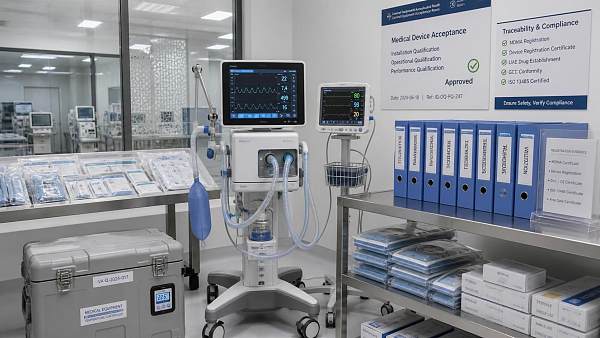
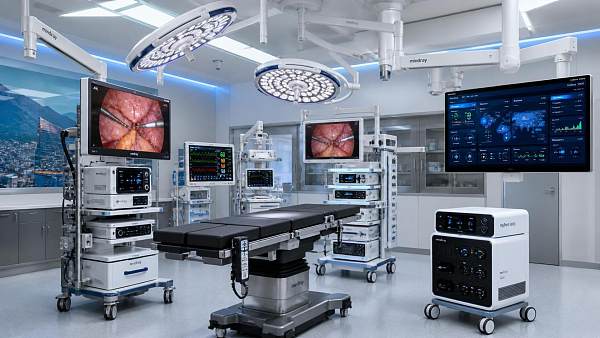
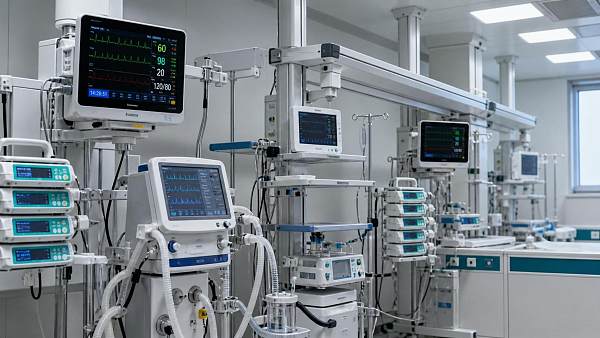
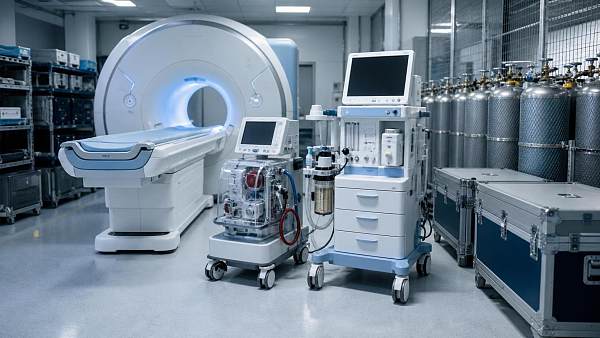
For critical life support or operating room equipment, reliability under pressure, alarm clarity, backup systems, and maintenance accessibility are essential.
Training quality matters as much as interface design. Users need scenario-based education, not only basic button-by-button demonstrations.
A strong system supports new users without slowing experts. It should reduce cognitive load while preserving transparency and manual control.
If operators cannot understand why a device accepts, rejects, flags, or modifies data, trust will remain fragile.
Reducing uncertainty in high-pressure clinical situations
Emergency departments, ICUs, operating rooms, and rapid response settings create conditions where false results can spread quickly through care decisions.
In these environments, precision diagnostics technology must deliver speed without sacrificing verification, because clinicians may act immediately on reported data.
Point-of-care testing, portable imaging, and integrated monitoring can shorten decision time, but they require strict operator training and connectivity safeguards.
For example, a blood gas result may guide ventilation, fluid therapy, or escalation to advanced life support within minutes.
If the sample is venous rather than arterial, delayed, clotted, or contaminated with IV fluid, the clinical consequences may be serious.
Similarly, an urgent scan must balance fast acquisition with enough quality to support confident exclusion of bleeding, obstruction, or embolism.
The goal is not perfection in ideal laboratory conditions. The goal is dependable performance during real clinical pressure.
Systems that guide users through urgent checks help reduce avoidable errors when time, workload, and patient risk are all high.
Conclusion: precision improves results when technology and users work together
Precision diagnostics technology can cut false results, but its real strength appears when advanced systems support disciplined clinical workflows.
Better imaging, more specific assays, AI assistance, automated controls, and compliance traceability all reduce uncertainty before results reach clinicians.
For operators, the practical message is clear. Trust the technology, but verify the process that produced the result.
False positives and false negatives decrease when users understand device limits, respond to alerts, maintain quality control, and escalate doubtful findings.
In modern healthcare, diagnostic confidence is not created by one machine. It is built through accurate tools, trained people, and accountable systems.
When these elements align, every scan, sample, and device reading becomes a stronger foundation for safer and faster patient care.