
EUDAMED UDI Mandate for Endoscopes Takes Effect May 28, 2026
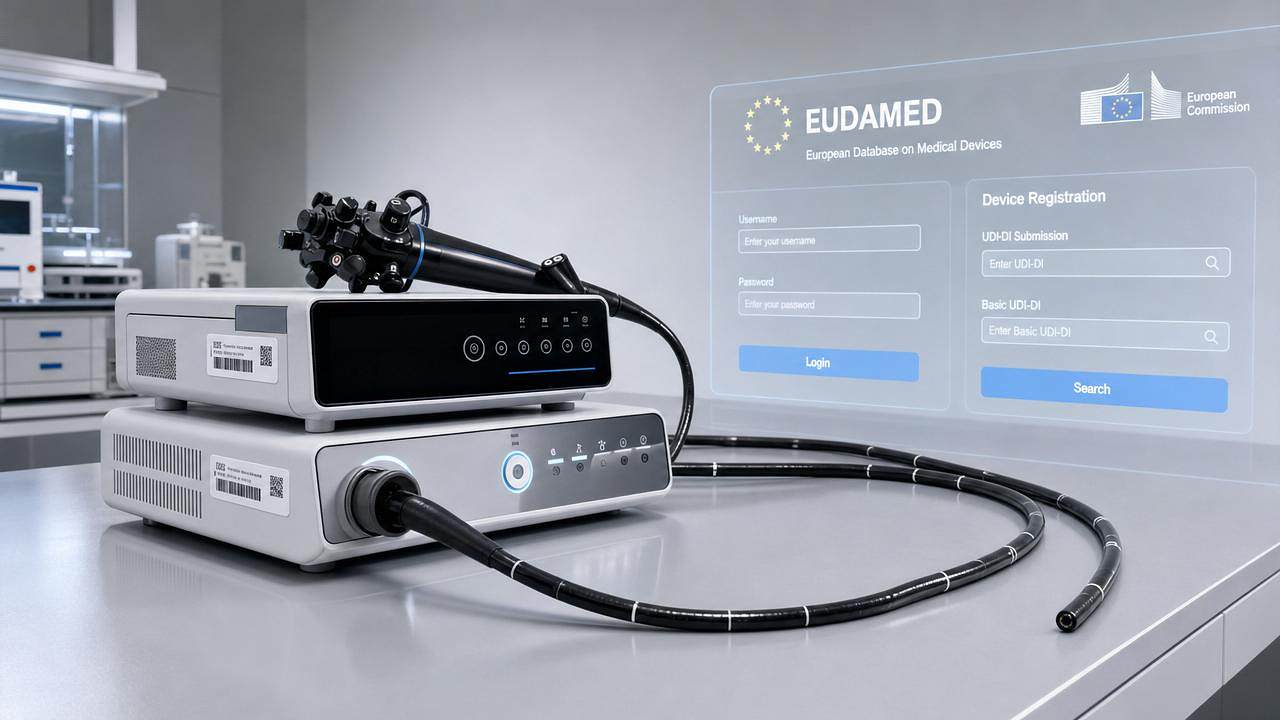




The European Union’s EUDAMED database will enforce mandatory UDI registration and full technical documentation submission for all newly imported endoscopic systems—including flexible videoscopes and rigid endoscopy systems—starting May 28, 2026. This regulatory shift directly impacts medical device manufacturers and exporters supplying the EU market under the Medical Device Regulation (MDR), particularly those based in China.
Key Regulatory Requirement Effective May 28, 2026
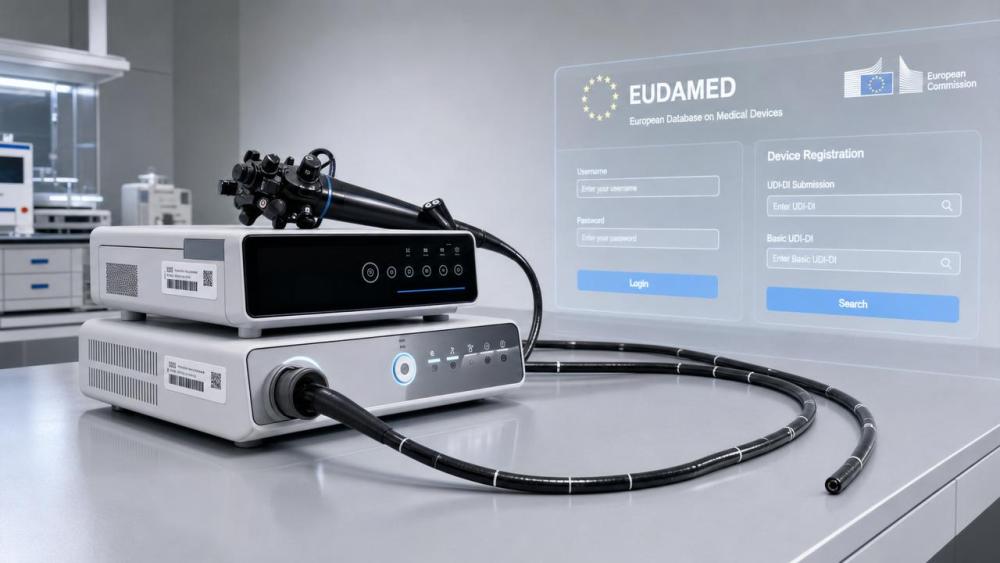
As of May 28, 2026, all new endoscopic systems placed on the EU market must be assigned a Unique Device Identifier (UDI) and fully registered in EUDAMED. This applies to both flexible videoscopes and rigid endoscopy systems. Products failing to complete UDI assignment and full database registration—including submission of technical documentation, clinical evaluation summaries, and declarations of conformity—will be denied customs clearance and prohibited from sale or distribution in the EU. The requirement applies universally to all manufacturers holding CE MDR certification.
Impact Across the Medical Device Supply Chain
Exporters and Direct Trading Companies
These entities face immediate operational risk: shipments scheduled for arrival in the EU after May 28, 2026, must have EUDAMED registration finalized prior to dispatch. Delayed or incomplete submissions will result in port detention, re-exportation, or destruction of goods—directly affecting revenue recognition and contractual delivery obligations.
Manufacturers and Contract Producers
CE MDR-certified manufacturers—especially those relying on third-party notified bodies—must now integrate EUDAMED data preparation into their quality management system. This includes updating UDI-DI assignments per device variant, verifying clinical evaluation summary content against EUDAMED schema requirements, and ensuring internal audit trails support real-time database updates.
Component and Subsystem Suppliers
While not directly responsible for EUDAMED registration, suppliers of critical subsystems (e.g., imaging modules, light sources, or sterilizable sheaths) may be asked by OEMs to provide updated technical files, traceability data, and UDI-compliant labeling specifications—potentially triggering revisions to supply agreements and documentation packages.
Regulatory Affairs and Compliance Service Providers
Specialized service firms supporting non-EU manufacturers must now expand scope to include EUDAMED module activation, role-based user provisioning (e.g., for Legal Manufacturer, Authorized Representative), and validation of uploaded documents against EU Commission guidance (MDCG 2019-11 Rev.2 and MDCG 2021-25). Demand for bilingual (English–local language) EUDAMED navigators is rising sharply.
Critical Action Points for Manufacturers
Complete UDI Assignment and Labeling Alignment
Ensure every endoscope model and configuration carries a compliant UDI-PI (production identifier) on label and packaging—and that the UDI-DI (device identifier) matches exactly what is submitted to EUDAMED. Verify barcode readability, human-readable format, and GS1 or HIBCC compliance per Annex VI of MDR.
Pre-submission Technical Documentation Readiness
Technical documentation must be structured per MDR Annex II and III, with clinical evaluation summaries conforming to MDCG 2020-6. All documents must be uploaded as PDF/A-3 or XML where applicable; file naming conventions, metadata tagging, and version control must align with EUDAMED’s ingestion rules.
Synchronize Registration Timing with Shipment Schedules
EUDAMED registration must be completed *before* the first consignment enters EU customs. Exporters should build a minimum 10-business-day buffer between final document upload and vessel departure—accounting for potential review requests from the EU Competent Authority or Notified Body.
Verify Authorized Representative’s EUDAMED Access & Authority
Non-EU manufacturers must ensure their EU Authorized Representative holds active EUDAMED access credentials and has been formally designated to submit and maintain data in Modules 1 (Actors), 2 (UDI/Devices), and 4 (Clinical Investigations). Delegation logs and power-of-attorney documents must be uploaded and kept current.
Industry Perspective: Beyond Compliance Toward Systemic Integration
Analysis shows this mandate marks a structural inflection point—not merely a documentation checkpoint. Observably, EUDAMED is evolving from a static registry into an interoperable data backbone linking post-market surveillance, vigilance reporting, and market surveillance activities. It is more appropriate to understand this as a foundational step toward real-time device traceability across the EU healthcare ecosystem. What deserves closer attention is the growing dependency on digital infrastructure readiness: manufacturers with legacy PDM or QMS systems lacking API connectivity face steep integration costs and extended timelines to achieve full EUDAMED synchronization. Moreover, the requirement for clinical evaluation summaries to be publicly accessible via EUDAMED increases transparency pressure—and raises expectations for methodological rigor beyond prior CE self-declaration norms.
Strategic Implications for Market Access
This deadline underscores that regulatory compliance for high-risk devices is no longer a one-time certification event but a continuous, data-driven operational discipline. For manufacturers exporting to the EU, successful EUDAMED registration signals maturity in technical documentation governance, clinical evidence generation, and cross-border regulatory coordination. Conversely, delays reflect systemic gaps—not just procedural oversights. The May 28, 2026, enforcement date therefore serves less as a cutoff and more as a benchmark for sustainable market participation.
Source Information and Verification Notes
This article was generated exclusively from the provided title, event date (2026-05-28), and event summary. Specific official source links were not provided in the input and should be verified continuously. Stakeholders are advised to monitor updates from the European Commission’s EUDAMED Helpdesk, official MDCG guidance documents, and national Competent Authorities for clarifications on submission timelines, module rollout sequencing, and interpretation of clinical evaluation summary requirements. Ongoing observation is recommended for implementation FAQs, Notified Body interpretation bulletins, and emerging industry feedback on technical upload challenges.
Recommended News
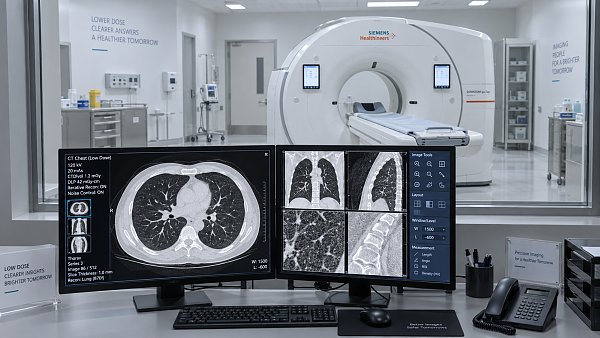
 Oct 10, 2026What Does a Photon-Counting CT Cost? Budgeting for Acquisition and Lifecycle ExpensesPhoton-counting CT price explained: compare acquisition, site upgrades, software, training, and service costs to build a confident lifecycle budget.
 Oct 09, 2026Critical Care Cardiac Monitoring: Key Parameters for ICU System SelectionCritical care monitoring cardiac care: discover how to select ICU systems with reliable ECG, intelligent alarms, hemodynamic insight, interoperability, and resilience.
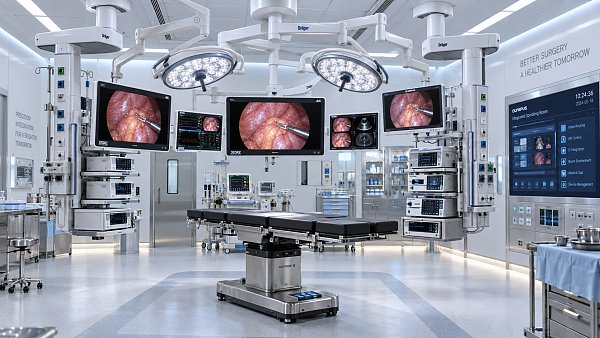
 Oct 08, 2026Operating Room Systems: Selection Criteria for Integrated Surgical WorkflowsOperating room systems selection guide for integrated surgical workflows—improve safety, interoperability, lifecycle value, and scalable clinical performance.
 Oct 07, 2026Hospital Diagnostic Equipment Procurement: A Framework for Comparing Cost, Capacity, and RiskHospital diagnostic equipment procurement made clearer: compare lifecycle cost, usable capacity, clinical fit, and operational risk to make confident, sustainable buying decisions.
 Oct 06, 2026How to Evaluate an Operating Room Technology Distributor for Hospital ProjectsOperating room technology distributor evaluation guide for hospitals: assess integration, compliance, lifecycle costs, service capacity, and delivery confidence before award.
 Oct 05, 2026Global Medical Procurement Planning: How Hospitals Can Reduce Supply Risk and CostGlobal medical procurement planning helps hospitals reduce supply risk, control lifecycle costs, and protect care continuity through smarter sourcing, service, and compliance strategies.
 Oct 03, 2026How Detection Algorithms Improve Sensitivity and Workflow in Medical ImagingMedical imaging algorithms detection improves sensitivity, manages false positives, and streamlines clinical workflows. Explore validation, integration, and governance essentials.
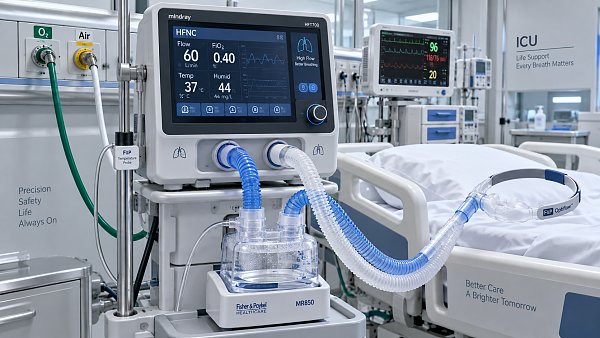
 Oct 02, 2026High-Flow ICU Ventilators: Key Selection Criteria for Acute Respiratory CareICU ventilators high flow: discover key selection criteria for accurate gas delivery, NIV performance, humidification, alarms, reliability, and safer acute respiratory care.
 Oct 01, 2026How to Evaluate Medical Equipment Intelligence Suppliers for Hospital ProcurementMedical equipment intelligence suppliers: learn how hospitals can assess evidence quality, total cost, compliance, interoperability, and cybersecurity for smarter procurement decisions.
 Sep 30, 2026ISO 13485 Requirements for Blood Testing Instruments: A Buyer’s ChecklistBlood testing instruments ISO 13485 buyer’s checklist: verify certification scope, traceability, installation, consumables, and supplier support before you buy.
 Sep 29, 2026How to Evaluate Integrated Operating Room Systems for Workflow, Imaging, and IT IntegrationIntegrated operating room systems: evaluate workflow, imaging, IT integration, cybersecurity, and lifecycle value to select a scalable surgical solution.
 Sep 28, 2026How to Evaluate a Genetic Testing Equipment Supplier for PCR Lab ProcurementGenetic testing equipment supplier evaluation guide for PCR labs: compare performance, compliance, workflow, service, supply resilience, and total cost.
 Sep 27, 2026How to Specify Custom Benchtop Diagnostic Instruments for Your Assay WorkflowCustom diagnostic instruments benchtop guide: specify optics, fluidics, automation, software integration, and support to build a reliable assay workflow.
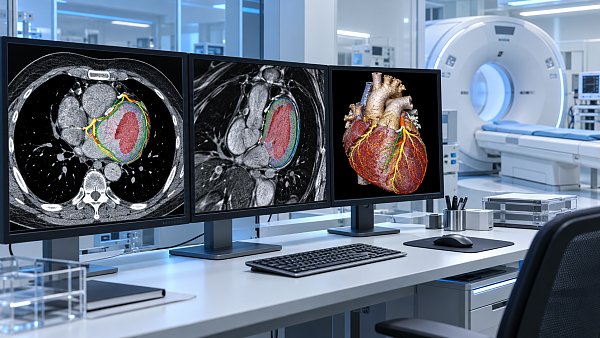
 Sep 26, 2026How Cardiac Imaging Analysis Tools Turn CT and MRI Data into Clinical MetricsMedical imaging analysis cardiology tools transform cardiac CT and MRI into reliable metrics. Explore segmentation, validation, workflow integration, and AI review.
 Sep 25, 2026How Iterative Image Reconstruction Algorithms Balance CT Dose, Noise, and DetailIterative image reconstruction algorithms help CT teams balance dose, noise, and diagnostic detail. Explore practical insights for confident imaging decisions.
 Sep 24, 2026What Drives the Total Cost of Medical Technology Solutions Over Their Lifecycle?Medical technology solutions cost goes far beyond purchase price—explore lifecycle drivers from installation and service to software, training, compliance, and downtime.
 Sep 24, 2026Diagnostic Imaging Technology: How Modalities Support Different Clinical DecisionsDiagnostic imaging technology supports smarter clinical decisions across CT, MRI, ultrasound, and nuclear imaging. Explore modality strengths, workflows, and selection factors.
 Sep 22, 2026How Life Science Labs Can Select Biomedical Research Equipment by Workflow and ThroughputBiomedical research equipment life science labs can select with confidence by aligning workflow, throughput, automation, data integrity, and scalable support.
 Sep 21, 2026How to Plan LIS Connectivity for Chemiluminescence Analyzers Without Data GapsChemiluminescence analyzers LIS connectivity: learn how to prevent data gaps with field mapping, exception workflows, end-to-end validation, and reliable go-live planning.
 Sep 20, 2026Selecting Fluorescence PCR Instruments: Detection Channels, Sensitivity, and Workflow FitPCR diagnostic instruments fluorescence detection guide: compare channels, sensitivity, multiplexing, and workflow fit to select a reliable platform.
 Sep 19, 2026Biomedical Signal Processing: From Sensor Data to Clinical Decision SupportBiomedical signal processing transforms sensor data into reliable clinical decision support. Explore AI, imaging, IVD, ICU monitoring, and compliance-ready MedTech insights.
 Sep 18, 2026How to Evaluate a Diagnostic Imaging Platform for Multi-Modality Workflow IntegrationDiagnostic imaging platform evaluation guide: assess multi-modality workflows, interoperability, AI integration, image integrity, security, and scalability for safer clinical decisions.
 Sep 17, 2026ISO 13485 for Medical Imaging Equipment: What Manufacturers Must DocumentMedical imaging equipment ISO 13485: discover essential documentation for design controls, risk management, traceability, software, and post-market quality.
 Sep 16, 2026Robotic MIS Equipment: What Hospitals Should Evaluate Before AdoptionMinimally invasive surgical equipment robotic adoption guide: evaluate workflow, safety, imaging, costs, cybersecurity, and service readiness.
















Related News
- 00
0000-00
What Does a Photon-Counting CT Cost? Budgeting for Acquisition and Lifecycle Expenses - 00
0000-00
Critical Care Cardiac Monitoring: Key Parameters for ICU System Selection - 00
0000-00
Operating Room Systems: Selection Criteria for Integrated Surgical Workflows - 00
0000-00
Hospital Diagnostic Equipment Procurement: A Framework for Comparing Cost, Capacity, and Risk - 00
0000-00
How to Evaluate an Operating Room Technology Distributor for Hospital Projects
Weekly Insights
Stay ahead with our curated technology reports delivered every Monday.