
Brazil ANVISA Enforces Local Leak Testing for Anesthesia Workstations
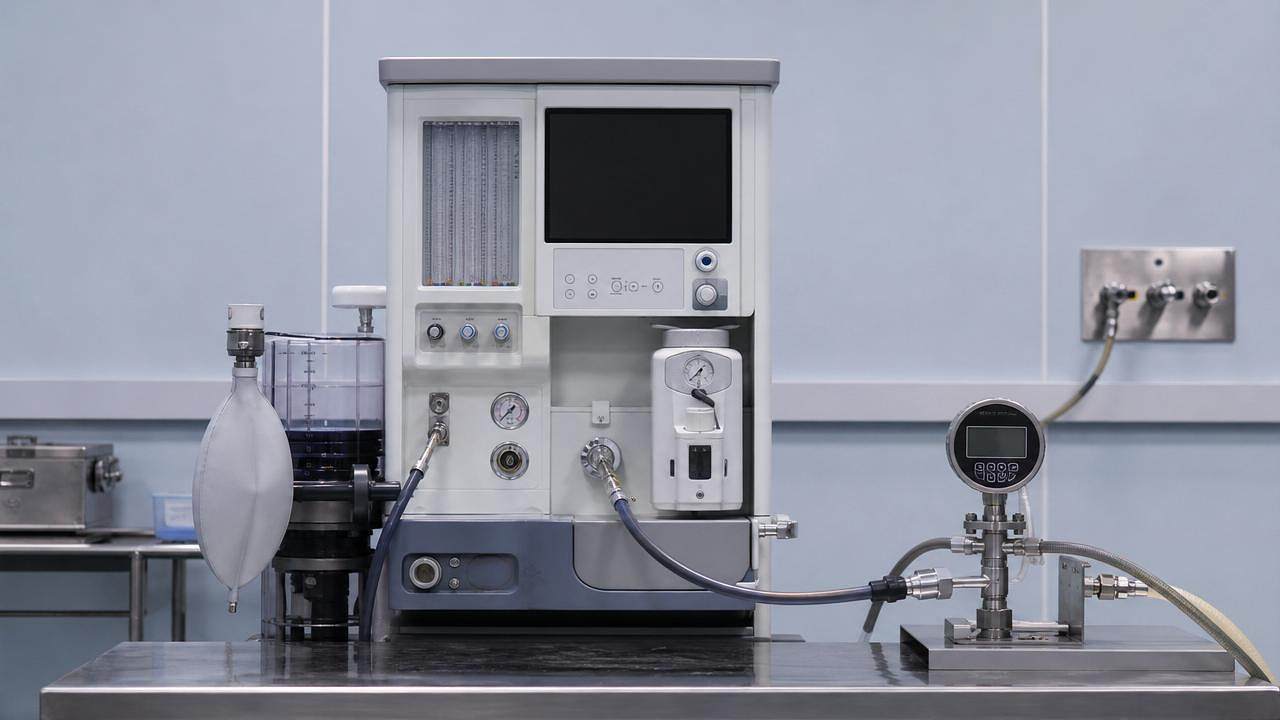




Effective 27 May 2026, Brazil’s National Health Surveillance Agency (ANVISA) has introduced a mandatory requirement for all newly submitted anesthesia workstations to undergo full-system pneumatic circuit leakage testing—conducted exclusively in ANVISA-authorized laboratories within Brazil—per Annex DD of NBR IEC 60601-2-13. This regulatory shift directly impacts medical device exporters, particularly manufacturers based in China, and signals a tightening of technical compliance barriers for market access.
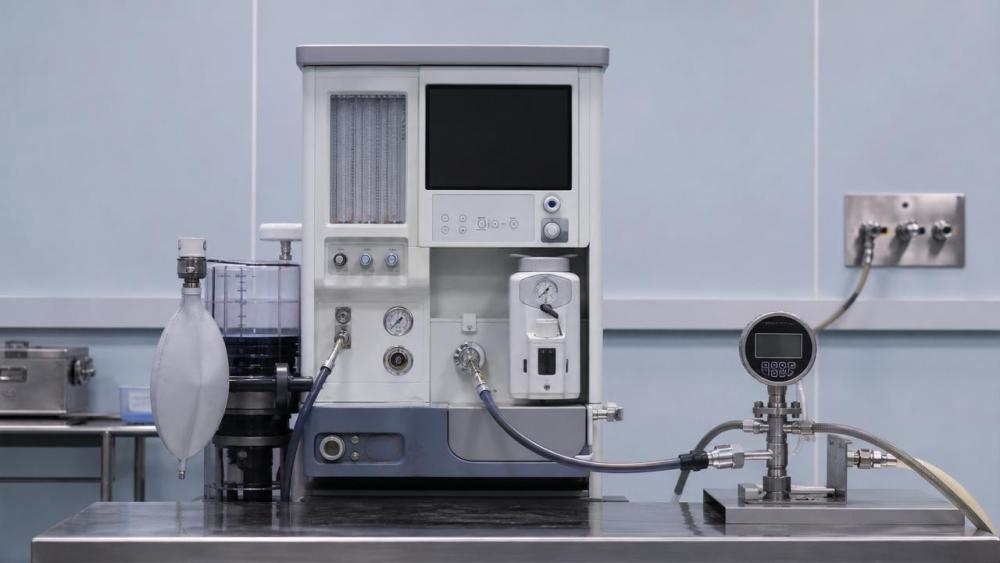
Mandatory Local Verification Takes Effect
As of 27 May 2026, ANVISA no longer accepts self-reported test data or simulated third-party leakage assessments for new anesthesia workstation registrations. All submissions must be accompanied by validated, on-site leakage rate measurements performed on complete units at accredited Brazilian laboratories. Manufacturers—especially those outside Brazil—must ensure their devices are equipped with accessible, standardized test interfaces and allocate 6–8 weeks for local verification as part of the registration timeline.
Impact Across the Supply Chain
Exporters and Distributors
Direct trade enterprises face extended time-to-market due to mandatory in-country testing. Registration timelines now hinge on laboratory capacity and scheduling, increasing planning uncertainty and potentially delaying tender responses or contract fulfillment.
Component and Subsystem Suppliers
Raw material and subsystem procurement entities must align specifications with the physical requirements of Annex DD testing—including pressure port placement, sealing integrity, and serviceability during measurement. Design changes may trigger upstream supplier requalification.
Medical Device Manufacturers
Manufacturing firms—particularly those in China—must revise product design documentation, production controls, and quality assurance protocols to embed test interface provisions and ensure repeatability of leakage performance under real-world operating conditions.
Regulatory and Compliance Service Providers
Supply chain support organizations—including certification consultants and local representatives—must expand service scope to include test coordination, lab liaison, report translation, and technical dossier adaptation to meet ANVISA’s evidentiary expectations.
Key Actions for Exporting Companies
Integrate Test Interface Design Early
Pre-install standardized pneumatic test ports compliant with NBR IEC 60601-2-13 Annex DD during product development—not as a post-design retrofit—to avoid costly redesigns or certification delays.
Secure Lab Capacity Ahead of Submission
Engage ANVISA-accredited laboratories at least 10–12 weeks prior to registration filing; current lead times for leakage testing range from 6 to 8 weeks, with limited slots available for international clients.
Update Technical Documentation
Revise risk management files, verification protocols, and labeling to explicitly reference local test results—not internal or simulated data—as the sole basis for leakage compliance claims in Brazilian submissions.
Reassess Delivery Schedules and Tender Bids
Incorporate the mandatory 6–8-week verification window into delivery commitments and tender response timelines; failure to do so may result in non-compliance penalties or bid disqualification.
Emerging Regulatory Trend: From Paper Review to Physical Validation
Analysis shows that ANVISA’s move reflects a broader regional shift toward empirical, in-market validation—reducing reliance on manufacturer-supplied evidence and strengthening post-market surveillance foundations. From an industry perspective, this signals increasing emphasis on verifiable device performance under actual service conditions rather than theoretical compliance. What deserves closer attention is how this precedent may influence other Latin American regulators considering similar annex-specific enforcement, especially for life-supporting equipment where gas integrity is clinically critical.
Strategic Implication for Global Market Access
This requirement does not represent an isolated procedural update but rather a structural recalibration of compliance expectations—elevating physical verification from optional assurance to mandatory gatekeeping. For manufacturers, it underscores that regulatory readiness now includes infrastructure preparedness (e.g., test interfaces), logistical agility (e.g., lab coordination), and cross-border technical alignment—not just documentation accuracy. A measured, proactive approach to implementation remains more appropriate than reactive compliance.
Source Information and Verification Notes
This article is generated exclusively from the provided title, event date (27 May 2026), and summary text. It reflects no external data, proprietary reports, or unverified policy drafts. Specific official source links were not provided in the input and should be verified continuously. Stakeholders are advised to monitor ANVISA’s official notices, upcoming guidance documents on Annex DD implementation, tender specification updates from Brazilian public hospitals, and feedback from early-adopter manufacturers regarding lab processing consistency and reporting expectations.
Recommended News
 Oct 09, 2026Critical Care Cardiac Monitoring: Key Parameters for ICU System SelectionCritical care monitoring cardiac care: discover how to select ICU systems with reliable ECG, intelligent alarms, hemodynamic insight, interoperability, and resilience.
 Oct 08, 2026Operating Room Systems: Selection Criteria for Integrated Surgical WorkflowsOperating room systems selection guide for integrated surgical workflows—improve safety, interoperability, lifecycle value, and scalable clinical performance.
 Oct 07, 2026Hospital Diagnostic Equipment Procurement: A Framework for Comparing Cost, Capacity, and RiskHospital diagnostic equipment procurement made clearer: compare lifecycle cost, usable capacity, clinical fit, and operational risk to make confident, sustainable buying decisions.
 Oct 06, 2026How to Evaluate an Operating Room Technology Distributor for Hospital ProjectsOperating room technology distributor evaluation guide for hospitals: assess integration, compliance, lifecycle costs, service capacity, and delivery confidence before award.
 Oct 05, 2026Global Medical Procurement Planning: How Hospitals Can Reduce Supply Risk and CostGlobal medical procurement planning helps hospitals reduce supply risk, control lifecycle costs, and protect care continuity through smarter sourcing, service, and compliance strategies.
 Oct 03, 2026How Detection Algorithms Improve Sensitivity and Workflow in Medical ImagingMedical imaging algorithms detection improves sensitivity, manages false positives, and streamlines clinical workflows. Explore validation, integration, and governance essentials.
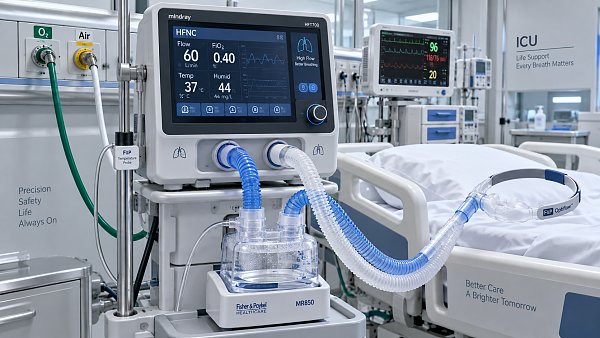
 Oct 02, 2026High-Flow ICU Ventilators: Key Selection Criteria for Acute Respiratory CareICU ventilators high flow: discover key selection criteria for accurate gas delivery, NIV performance, humidification, alarms, reliability, and safer acute respiratory care.
 Oct 01, 2026How to Evaluate Medical Equipment Intelligence Suppliers for Hospital ProcurementMedical equipment intelligence suppliers: learn how hospitals can assess evidence quality, total cost, compliance, interoperability, and cybersecurity for smarter procurement decisions.
 Sep 30, 2026ISO 13485 Requirements for Blood Testing Instruments: A Buyer’s ChecklistBlood testing instruments ISO 13485 buyer’s checklist: verify certification scope, traceability, installation, consumables, and supplier support before you buy.
 Sep 29, 2026How to Evaluate Integrated Operating Room Systems for Workflow, Imaging, and IT IntegrationIntegrated operating room systems: evaluate workflow, imaging, IT integration, cybersecurity, and lifecycle value to select a scalable surgical solution.
 Sep 28, 2026How to Evaluate a Genetic Testing Equipment Supplier for PCR Lab ProcurementGenetic testing equipment supplier evaluation guide for PCR labs: compare performance, compliance, workflow, service, supply resilience, and total cost.
 Sep 27, 2026How to Specify Custom Benchtop Diagnostic Instruments for Your Assay WorkflowCustom diagnostic instruments benchtop guide: specify optics, fluidics, automation, software integration, and support to build a reliable assay workflow.
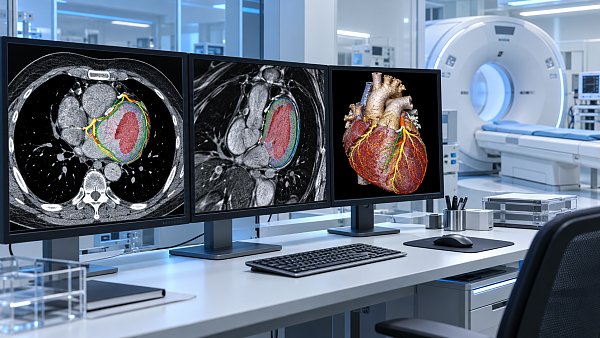
 Sep 26, 2026How Cardiac Imaging Analysis Tools Turn CT and MRI Data into Clinical MetricsMedical imaging analysis cardiology tools transform cardiac CT and MRI into reliable metrics. Explore segmentation, validation, workflow integration, and AI review.
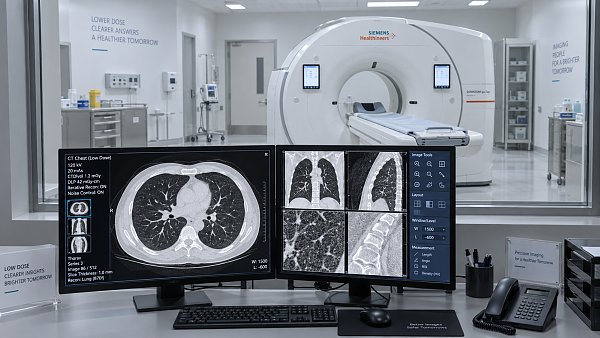
 Sep 25, 2026How Iterative Image Reconstruction Algorithms Balance CT Dose, Noise, and DetailIterative image reconstruction algorithms help CT teams balance dose, noise, and diagnostic detail. Explore practical insights for confident imaging decisions.
 Sep 24, 2026What Drives the Total Cost of Medical Technology Solutions Over Their Lifecycle?Medical technology solutions cost goes far beyond purchase price—explore lifecycle drivers from installation and service to software, training, compliance, and downtime.
 Sep 24, 2026Diagnostic Imaging Technology: How Modalities Support Different Clinical DecisionsDiagnostic imaging technology supports smarter clinical decisions across CT, MRI, ultrasound, and nuclear imaging. Explore modality strengths, workflows, and selection factors.
 Sep 22, 2026How Life Science Labs Can Select Biomedical Research Equipment by Workflow and ThroughputBiomedical research equipment life science labs can select with confidence by aligning workflow, throughput, automation, data integrity, and scalable support.
 Sep 21, 2026How to Plan LIS Connectivity for Chemiluminescence Analyzers Without Data GapsChemiluminescence analyzers LIS connectivity: learn how to prevent data gaps with field mapping, exception workflows, end-to-end validation, and reliable go-live planning.
 Sep 20, 2026Selecting Fluorescence PCR Instruments: Detection Channels, Sensitivity, and Workflow FitPCR diagnostic instruments fluorescence detection guide: compare channels, sensitivity, multiplexing, and workflow fit to select a reliable platform.
 Sep 19, 2026Biomedical Signal Processing: From Sensor Data to Clinical Decision SupportBiomedical signal processing transforms sensor data into reliable clinical decision support. Explore AI, imaging, IVD, ICU monitoring, and compliance-ready MedTech insights.
 Sep 18, 2026How to Evaluate a Diagnostic Imaging Platform for Multi-Modality Workflow IntegrationDiagnostic imaging platform evaluation guide: assess multi-modality workflows, interoperability, AI integration, image integrity, security, and scalability for safer clinical decisions.
 Sep 17, 2026ISO 13485 for Medical Imaging Equipment: What Manufacturers Must DocumentMedical imaging equipment ISO 13485: discover essential documentation for design controls, risk management, traceability, software, and post-market quality.
 Sep 16, 2026Robotic MIS Equipment: What Hospitals Should Evaluate Before AdoptionMinimally invasive surgical equipment robotic adoption guide: evaluate workflow, safety, imaging, costs, cybersecurity, and service readiness.
 Sep 15, 2026How to Evaluate Biomedical Signal Processing Suppliers for Clinical Device ProjectsBiomedical signal processing supplier evaluation guide for clinical device teams—compare signal fidelity, regulatory evidence, cybersecurity, integration, and lifecycle support.















Related News
- 00
0000-00
Critical Care Cardiac Monitoring: Key Parameters for ICU System Selection - 00
0000-00
Operating Room Systems: Selection Criteria for Integrated Surgical Workflows - 00
0000-00
Hospital Diagnostic Equipment Procurement: A Framework for Comparing Cost, Capacity, and Risk - 00
0000-00
How to Evaluate an Operating Room Technology Distributor for Hospital Projects - 00
0000-00
Global Medical Procurement Planning: How Hospitals Can Reduce Supply Risk and Cost
Weekly Insights
Stay ahead with our curated technology reports delivered every Monday.