
TÜV Rheinland Updates Optical Test Standard for Medical Endoscopes
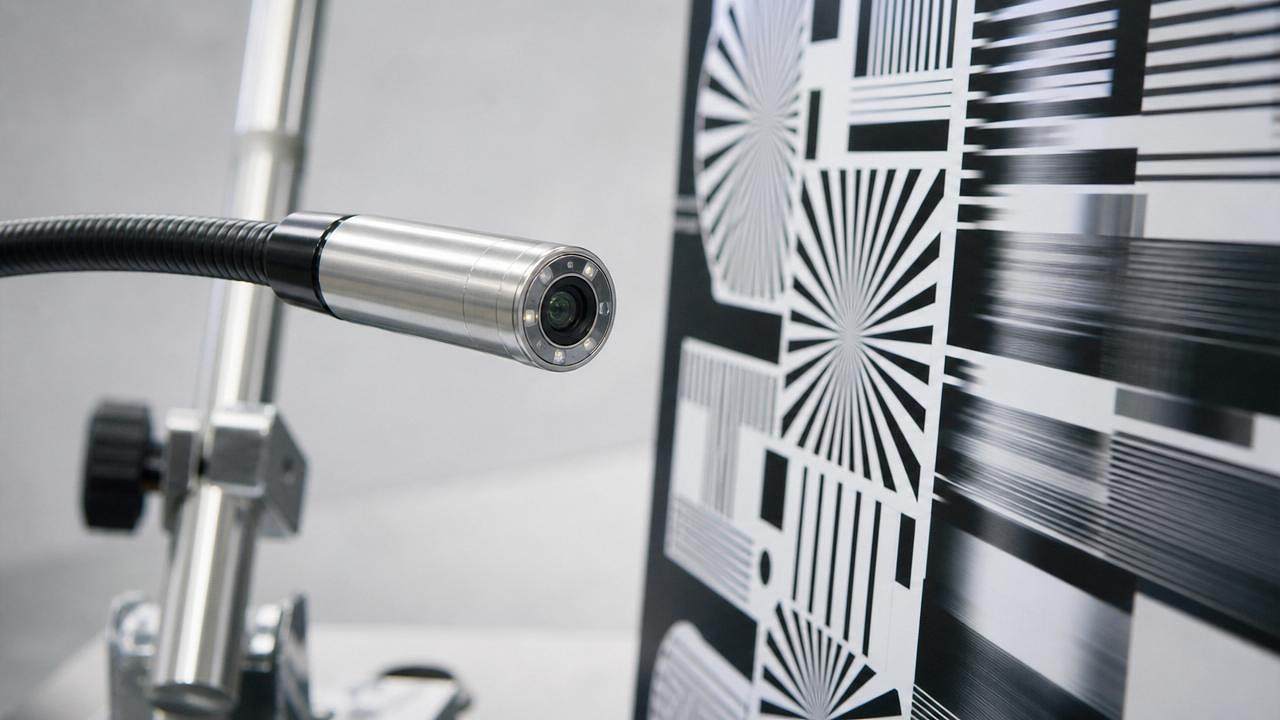




On May 16, 2026, German certification body TÜV Rheinland released version 3.2 of its Medical Endoscopes – Optical Performance Test Protocol, introducing a new mandatory test for motion blur suppression in 4K flexible video endoscopes seeking CE marking. This update directly impacts manufacturers, testing service providers, and regulatory affairs teams in the medical device sector—particularly those engaged in EU market access for high-resolution endoscopic imaging systems.
Event Overview
On May 16, 2026, TÜV Rheinland published Medical Endoscopes – Optical Performance Test Protocol V3.2. The revision adds a compulsory ‘Motion Blur Suppression (MBS)’ test requirement for all 4K flexible video endoscopes applying for CE certification. Under this test, devices must maintain an MTF50 decay rate of ≤12% while undergoing axial movement at 15 mm/s. Testing must be conducted using TÜV-designated dynamic targets and high-speed image acquisition systems. As a result, lead times for Chinese manufacturers submitting devices for evaluation have extended to six weeks.
Industries Affected by Segment
Endoscope Manufacturing Enterprises
Manufacturers of 4K flexible video endoscopes are directly affected because the MBS test is now a formal prerequisite for CE certification. Compliance requires hardware-level optimization—including lens design, image sensor readout speed, and real-time processing algorithms—to mitigate motion-induced resolution loss. Failure to meet the MTF50 decay threshold may delay or block CE marking.
Regulatory Affairs & Certification Service Providers
Third-party testing labs and regulatory consultants supporting CE submissions must now integrate the MBS test into their validation workflows. This includes acquiring or calibrating TÜV-specified dynamic targets and high-speed capture systems. Capacity constraints and longer turnaround times (now up to six weeks for Chinese applicants) may affect scheduling and resource planning.
Supply Chain & Component Suppliers
Suppliers of optical modules, CMOS image sensors, and embedded image-processing units face indirect but material impact. Components previously qualified for static resolution performance may no longer suffice; dynamic response characteristics—such as rolling shutter behavior, exposure time control, and frame-rate synchronization—now require verification earlier in the design phase.
What Enterprises and Practitioners Should Focus On Now
Monitor official implementation guidance from TÜV Rheinland
TÜV has not yet published detailed technical specifications for the dynamic target geometry or exact data acquisition parameters. Enterprises should track updates via TÜV’s official portal and certified training sessions to avoid misinterpretation during test preparation.
Prioritize MBS validation in early-stage R&D cycles
Given the six-week extended evaluation timeline, integrating MBS testing into prototype verification—not just final pre-submission checks—reduces late-stage rework risk. Engineering teams should assess sensor frame rates, exposure timing, and motion compensation firmware capabilities before formal submission.
Confirm alignment with notified body expectations ahead of submission
Some notified bodies may interpret the MBS requirement differently pending harmonization. Manufacturers should request written confirmation from their designated notified body on acceptable test setups and pass/fail evidence formats prior to initiating formal evaluation.
Review existing CE technical documentation for gaps
Legacy 4K endoscope files approved under earlier versions (e.g., V3.1) do not automatically satisfy the new MBS clause. Firms maintaining active CE certificates should assess whether post-certification changes or renewals will trigger re-evaluation under V3.2.
Editorial Perspective / Industry Observation
Observably, this update signals a shift toward performance validation under clinically relevant dynamic conditions—not just static resolution benchmarks. Analysis shows that TÜV Rheinland is aligning optical testing more closely with actual endoscopic use cases involving probe manipulation and tissue movement. While the MBS requirement is now codified in V3.2, its enforcement scope (e.g., retroactivity, exemptions for legacy models) remains subject to notified body discretion. From an industry perspective, this is currently best understood as a regulatory signal—indicating growing emphasis on motion-resilient imaging—rather than a fully matured compliance endpoint. Continued observation is warranted as other conformity assessment bodies and standards organizations (e.g., ISO/IEC) respond.
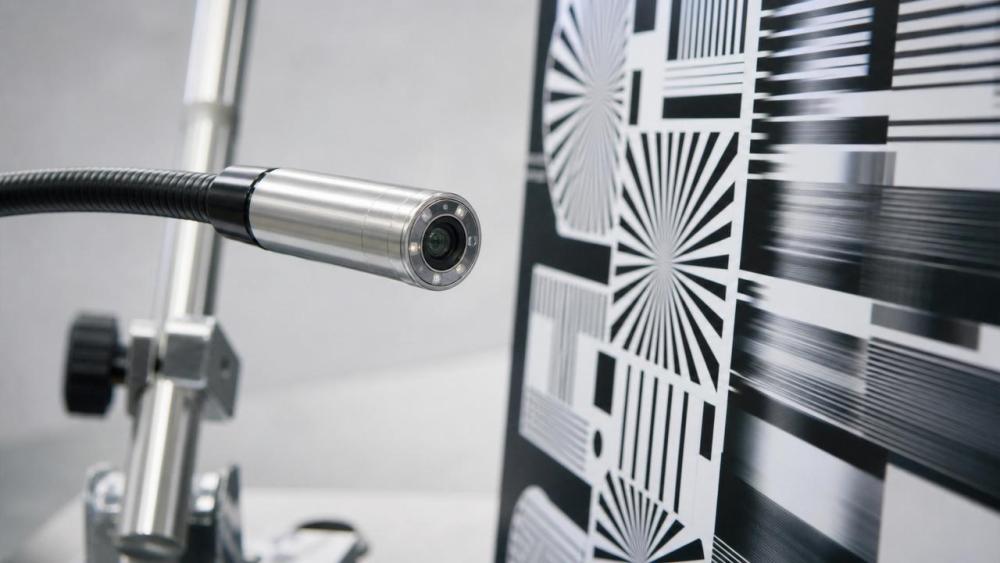
In summary, the introduction of the Motion Blur Suppression test reflects an evolving baseline for optical performance in advanced endoscopic devices targeting the EU market. It does not represent a broad-based revision of safety or biocompatibility requirements, but rather a targeted refinement in imaging fidelity validation. Currently, it is more appropriately understood as an operational adjustment for manufacturers and testers—requiring procedural updates and earlier engineering engagement—rather than a fundamental redesign mandate across the board.
Source: TÜV Rheinland official protocol release, Medical Endoscopes – Optical Performance Test Protocol V3.2, effective May 16, 2026. Note: Implementation details—including interpretation of MTF50 measurement methodology and applicability to hybrid rigid/flexible systems—remain under observation and are not yet publicly specified by TÜV Rheinland.
Recommended News
 Oct 07, 2026Hospital Diagnostic Equipment Procurement: A Framework for Comparing Cost, Capacity, and RiskHospital diagnostic equipment procurement made clearer: compare lifecycle cost, usable capacity, clinical fit, and operational risk to make confident, sustainable buying decisions.
 Oct 06, 2026How to Evaluate an Operating Room Technology Distributor for Hospital ProjectsOperating room technology distributor evaluation guide for hospitals: assess integration, compliance, lifecycle costs, service capacity, and delivery confidence before award.
 Oct 05, 2026Global Medical Procurement Planning: How Hospitals Can Reduce Supply Risk and CostGlobal medical procurement planning helps hospitals reduce supply risk, control lifecycle costs, and protect care continuity through smarter sourcing, service, and compliance strategies.
 Oct 03, 2026How Detection Algorithms Improve Sensitivity and Workflow in Medical ImagingMedical imaging algorithms detection improves sensitivity, manages false positives, and streamlines clinical workflows. Explore validation, integration, and governance essentials.
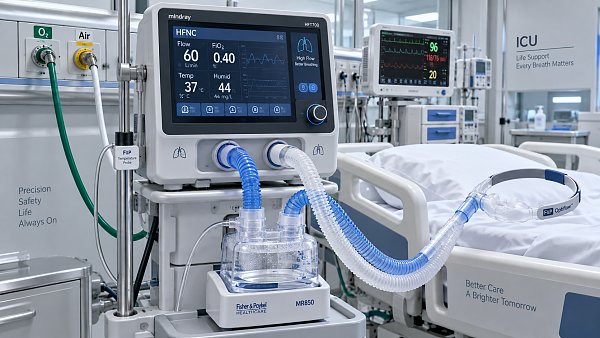
 Oct 02, 2026High-Flow ICU Ventilators: Key Selection Criteria for Acute Respiratory CareICU ventilators high flow: discover key selection criteria for accurate gas delivery, NIV performance, humidification, alarms, reliability, and safer acute respiratory care.
 Oct 01, 2026How to Evaluate Medical Equipment Intelligence Suppliers for Hospital ProcurementMedical equipment intelligence suppliers: learn how hospitals can assess evidence quality, total cost, compliance, interoperability, and cybersecurity for smarter procurement decisions.
 Sep 30, 2026ISO 13485 Requirements for Blood Testing Instruments: A Buyer’s ChecklistBlood testing instruments ISO 13485 buyer’s checklist: verify certification scope, traceability, installation, consumables, and supplier support before you buy.
 Sep 29, 2026How to Evaluate Integrated Operating Room Systems for Workflow, Imaging, and IT IntegrationIntegrated operating room systems: evaluate workflow, imaging, IT integration, cybersecurity, and lifecycle value to select a scalable surgical solution.
 Sep 28, 2026How to Evaluate a Genetic Testing Equipment Supplier for PCR Lab ProcurementGenetic testing equipment supplier evaluation guide for PCR labs: compare performance, compliance, workflow, service, supply resilience, and total cost.
 Sep 27, 2026How to Specify Custom Benchtop Diagnostic Instruments for Your Assay WorkflowCustom diagnostic instruments benchtop guide: specify optics, fluidics, automation, software integration, and support to build a reliable assay workflow.
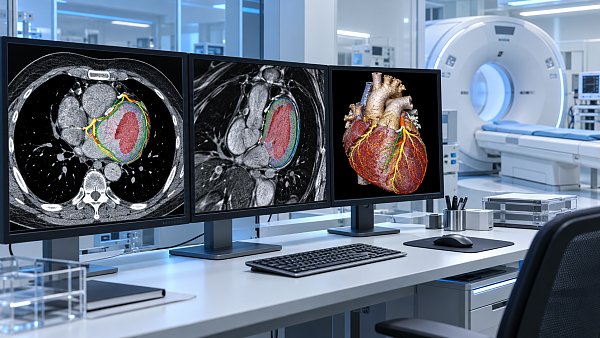
 Sep 26, 2026How Cardiac Imaging Analysis Tools Turn CT and MRI Data into Clinical MetricsMedical imaging analysis cardiology tools transform cardiac CT and MRI into reliable metrics. Explore segmentation, validation, workflow integration, and AI review.
 Sep 25, 2026How Iterative Image Reconstruction Algorithms Balance CT Dose, Noise, and DetailIterative image reconstruction algorithms help CT teams balance dose, noise, and diagnostic detail. Explore practical insights for confident imaging decisions.
 Sep 24, 2026What Drives the Total Cost of Medical Technology Solutions Over Their Lifecycle?Medical technology solutions cost goes far beyond purchase price—explore lifecycle drivers from installation and service to software, training, compliance, and downtime.
 Sep 24, 2026Diagnostic Imaging Technology: How Modalities Support Different Clinical DecisionsDiagnostic imaging technology supports smarter clinical decisions across CT, MRI, ultrasound, and nuclear imaging. Explore modality strengths, workflows, and selection factors.
 Sep 22, 2026How Life Science Labs Can Select Biomedical Research Equipment by Workflow and ThroughputBiomedical research equipment life science labs can select with confidence by aligning workflow, throughput, automation, data integrity, and scalable support.
 Sep 21, 2026How to Plan LIS Connectivity for Chemiluminescence Analyzers Without Data GapsChemiluminescence analyzers LIS connectivity: learn how to prevent data gaps with field mapping, exception workflows, end-to-end validation, and reliable go-live planning.
 Sep 20, 2026Selecting Fluorescence PCR Instruments: Detection Channels, Sensitivity, and Workflow FitPCR diagnostic instruments fluorescence detection guide: compare channels, sensitivity, multiplexing, and workflow fit to select a reliable platform.
 Sep 19, 2026Biomedical Signal Processing: From Sensor Data to Clinical Decision SupportBiomedical signal processing transforms sensor data into reliable clinical decision support. Explore AI, imaging, IVD, ICU monitoring, and compliance-ready MedTech insights.
 Sep 18, 2026How to Evaluate a Diagnostic Imaging Platform for Multi-Modality Workflow IntegrationDiagnostic imaging platform evaluation guide: assess multi-modality workflows, interoperability, AI integration, image integrity, security, and scalability for safer clinical decisions.
 Sep 17, 2026ISO 13485 for Medical Imaging Equipment: What Manufacturers Must DocumentMedical imaging equipment ISO 13485: discover essential documentation for design controls, risk management, traceability, software, and post-market quality.
 Sep 16, 2026Robotic MIS Equipment: What Hospitals Should Evaluate Before AdoptionMinimally invasive surgical equipment robotic adoption guide: evaluate workflow, safety, imaging, costs, cybersecurity, and service readiness.
 Sep 15, 2026How to Evaluate Biomedical Signal Processing Suppliers for Clinical Device ProjectsBiomedical signal processing supplier evaluation guide for clinical device teams—compare signal fidelity, regulatory evidence, cybersecurity, integration, and lifecycle support.
 Sep 14, 2026How Integrated Clinical Diagnostics Solutions Reduce Turnaround Time Across Lab WorkflowsIntegrated clinical diagnostics solutions reduce lab turnaround time by connecting workflows, automation, and data. Discover practical strategies for faster, traceable results.
 Sep 13, 2026ECMO System Market Outlook: Demand Drivers, Investment Risks, and Growth OpportunitiesECMO system market outlook explores demand drivers, investment risks, regulatory factors, and growth opportunities shaping critical-care innovation and adoption.









Related News
- 00
0000-00
Hospital Diagnostic Equipment Procurement: A Framework for Comparing Cost, Capacity, and Risk - 00
0000-00
How to Evaluate an Operating Room Technology Distributor for Hospital Projects - 00
0000-00
Global Medical Procurement Planning: How Hospitals Can Reduce Supply Risk and Cost - 00
0000-00
How Detection Algorithms Improve Sensitivity and Workflow in Medical Imaging - 00
0000-00
High-Flow ICU Ventilators: Key Selection Criteria for Acute Respiratory Care
Weekly Insights
Stay ahead with our curated technology reports delivered every Monday.