
Middle East Medical Device Imports Reopen After Truce
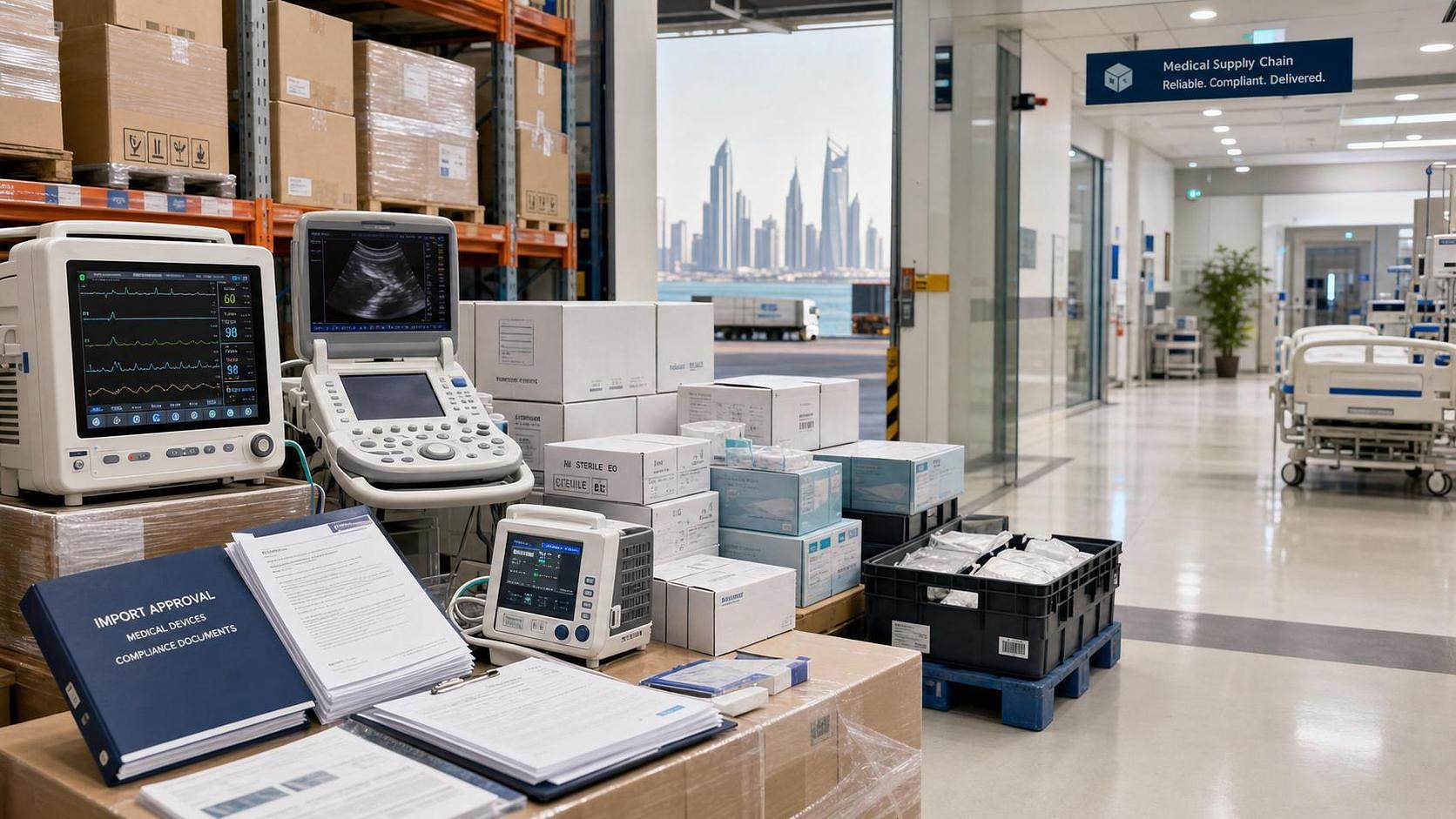




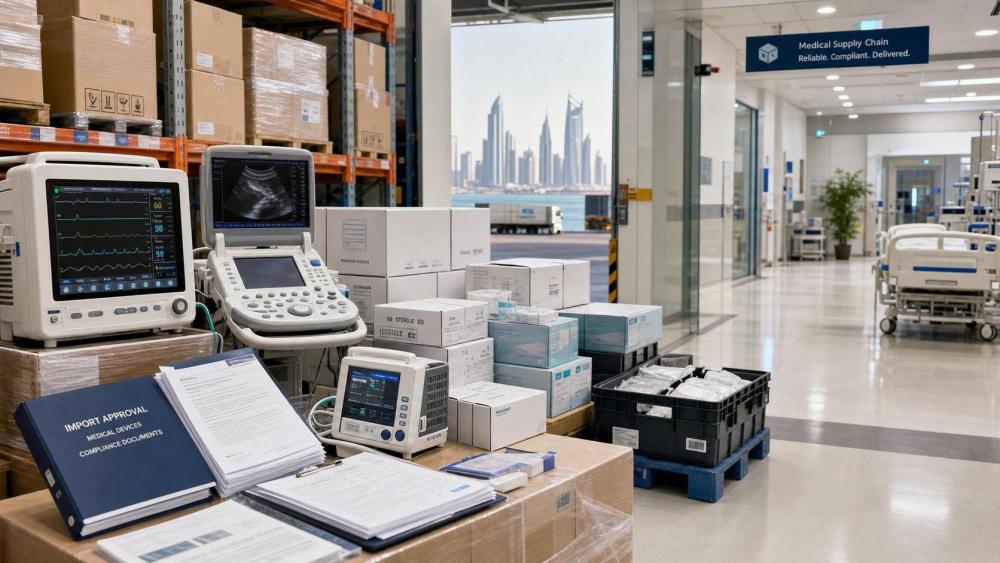
On June 19, 2026, the formal entry into force of a permanent ceasefire agreement between the United States and Iran coincided with the immediate resumption of medical device import approvals and procurement procedures across GCC markets, including Saudi Arabia and the UAE. For manufacturers, exporters, distributors, procurement teams, and compliance service providers, the development matters less as a geopolitical headline than as a rule-and-execution shift affecting market access, registration timing, purchasing cycles, and delivery planning across a reopened regional trade channel valued at $5.5 billion.
A Confirmed Reset in Import and Procurement Procedures
The confirmed facts are limited but commercially significant. On June 19, 2026, the United States and Iran formally signed a permanent ceasefire agreement. From that date, GCC countries, including Saudi Arabia and the UAE, resumed medical device import approval and procurement processes. At the same time, healthcare infrastructure spending under Saudi Vision 2030 is accelerating, while Iran is seeing concentrated replacement demand for more than $3 billion in aging medical equipment. The provided information also indicates that if Chinese medical device companies begin MDMA registration in June 2026, within an estimated cycle of 6 to 12 months, they may be positioned for large-scale Iranian tenders expected in Q1 2027.
Where the Rule Change Starts to Affect the Market
Export access is reopening, but only through compliant entry paths
For exporters and direct trading companies, the immediate impact is the reopening of approval and procurement channels rather than a guaranteed order flow. The practical effect is likely to appear first in application handling, buyer engagement, and qualification reviews. What deserves closer attention is whether product files, registration materials, and supporting trade documents are ready to move as import procedures restart.
Procurement teams may move faster than internal supplier readiness
For hospitals, public buyers, and channel partners, resumed procurement means projects can re-enter formal purchasing workflows. Analysis shows that this may compress timelines for specification alignment, supplier screening, and bid preparation. Companies that have not prepared technical documentation, product evidence, or after-sales commitments may find that reopened purchasing activity does not automatically translate into executable business.
Registration and compliance service providers gain a more time-sensitive role
For certification-related firms, regulatory advisers, and testing support organizations, the shift matters because market timing now interacts directly with registration lead times. The reference to a 6 to 12 month MDMA registration cycle suggests that compliance preparation is no longer a background task; it becomes part of tender positioning and market-entry sequencing. The key issue is not only whether registration is required, but whether companies can align their submission timing with anticipated procurement windows.
Delivery and support capabilities become part of market credibility
For distributors, supply chain service providers, and after-sales operators, the change affects more than shipment movement. Once approval and procurement procedures resume, buyers may place greater weight on delivery schedules, installation readiness, service response, and traceability records. From an industry perspective, reopened trade channels tend to expose weak post-sale arrangements just as quickly as they create sales opportunities.
What Companies Should Track Now
Check whether registration timing matches procurement timing
Analysis shows that the stated MDMA registration window of 6 to 12 months should be assessed against expected bid and purchase schedules. Companies considering entry should focus on whether June 2026 registration starts can realistically support participation in the Q1 2027 Iranian tender cycle referenced in the provided information.
Prepare technical and trade documentation before tender activity accelerates
As procurement procedures resume, businesses should pay close attention to the completeness of product dossiers, test reports, technical specifications, bid materials, and shipment documents. The current information does not provide execution details, so it is more appropriate to understand this as a readiness requirement rather than as proof that all submission standards have already stabilized.
Watch for official wording and implementation practice
Observably, the market signal is clear, but the operational meaning may still depend on how approval bodies, procurement entities, and counterparties express implementation requirements in practice. Companies should therefore monitor subsequent official wording, buyer-side qualification language, and any changes in approval handling or tender documentation.
Reassess service, traceability, and fulfillment commitments
For companies targeting GCC or Iranian demand, compliance does not end with product entry. What deserves closer attention is whether service coverage, spare parts planning, quality traceability, and delivery commitments can support contracts once procurement resumes. This is especially relevant where demand may concentrate around infrastructure expansion or equipment replacement cycles.
Why This Looks Like an Execution Signal, Not a Finished Rule Story
From an industry perspective, this development is best read as a meaningful execution signal: import approvals and procurement procedures are resuming, and that materially changes the commercial timetable for medical device businesses looking at the Middle East. At the same time, it would be premature to treat the reopening as a fully settled operating environment. Analysis shows that the next stage of market clarity will depend on how registration pathways, tender requirements, and buyer expectations are expressed in actual documents and workflows.
How to Read the Market at This Stage
The industry significance of this event lies in the reopening of a trade and procurement channel at a time when healthcare infrastructure investment and equipment replacement demand are both becoming more active. A neutral reading is that the change creates a clearer entry window, especially for companies able to align registration and bid preparation with expected procurement cycles. It is more appropriate to understand this development as a confirmed change in market access conditions, combined with a need for continued observation of implementation details.
Basis of This Article and What Still Needs Verification
This article is generated from the user-provided news title, event date, and event summary. For developments of this kind, relevant source categories typically include official announcements, regulator releases, customs or trade authority updates, industry association communications, standard-setting documents, and reporting by established media. No specific official source link was provided in the input, so the precise official basis still requires ongoing verification. Further observation should focus on policy details, compliance interpretation, tender document changes, market feedback, and how companies actually execute registration, procurement participation, and delivery arrangements.
Recommended News
 Sep 18, 2026How to Evaluate a Diagnostic Imaging Platform for Multi-Modality Workflow IntegrationDiagnostic imaging platform evaluation guide: assess multi-modality workflows, interoperability, AI integration, image integrity, security, and scalability for safer clinical decisions.
 Sep 17, 2026ISO 13485 for Medical Imaging Equipment: What Manufacturers Must DocumentMedical imaging equipment ISO 13485: discover essential documentation for design controls, risk management, traceability, software, and post-market quality.
 Sep 16, 2026Robotic MIS Equipment: What Hospitals Should Evaluate Before AdoptionMinimally invasive surgical equipment robotic adoption guide: evaluate workflow, safety, imaging, costs, cybersecurity, and service readiness.
 Sep 15, 2026How to Evaluate Biomedical Signal Processing Suppliers for Clinical Device ProjectsBiomedical signal processing supplier evaluation guide for clinical device teams—compare signal fidelity, regulatory evidence, cybersecurity, integration, and lifecycle support.
 Sep 14, 2026How Integrated Clinical Diagnostics Solutions Reduce Turnaround Time Across Lab WorkflowsIntegrated clinical diagnostics solutions reduce lab turnaround time by connecting workflows, automation, and data. Discover practical strategies for faster, traceable results.
 Sep 13, 2026ECMO System Market Outlook: Demand Drivers, Investment Risks, and Growth OpportunitiesECMO system market outlook explores demand drivers, investment risks, regulatory factors, and growth opportunities shaping critical-care innovation and adoption.
 Sep 12, 2026Where to Find Reliable Medical Device Information for Research and Due DiligenceMedical device information resource guide for due diligence: verify regulatory, clinical, safety, and technical evidence to make confident decisions.
 Sep 11, 2026Medical Equipment Intelligence: A Resource for Comparing Clinical TechnologiesMedical equipment intelligence resource for comparing clinical technologies by clinical fit, compliance, workflow, and total cost—make confident, evidence-led decisions.
 Sep 10, 2026How to Integrate Application-Specific Medical Solutions Into Existing Clinical WorkflowsApplication-specific medical solutions integration: learn how to align clinical workflows, interoperability, safety, and measurable outcomes for reliable deployment.
 Sep 09, 2026Medical Supplier Evaluation Checklist: How to Verify Quality, Compliance, and Delivery RiskMedical supplier evaluation checklist for verifying quality, compliance, service capacity, configuration accuracy, and delivery risk before purchase approval.
 Sep 08, 2026Selecting IVD Instruments With Automatic Sample Loading: Key Workflow CriteriaIVD instruments automatic sample loading: evaluate workflow capacity, traceability, STAT handling, LIS integration, and exceptions for smarter lab selection.
 Sep 07, 2026How to Evaluate a Clinical Diagnostic Systems Supplier for Hospital ProcurementClinical diagnostic systems supplier evaluation guide for hospitals: compare clinical performance, compliance, uptime, interoperability, cybersecurity, and lifecycle value.
 Sep 07, 2026How to Choose Critical Care Equipment for Emergency Room ReadinessCritical care equipment emergency room planning: discover how to select reliable, interoperable devices that strengthen readiness, safety, and lifecycle value.
 Sep 05, 2026Ventilator Comparison for ICU and Transport Use: Which Features Matter Most?Ventilator comparison for ICU and transport use: discover the features that support safer ventilation, reliable monitoring, battery planning, and seamless patient transfers.
 Sep 14, 2026Is Photon-Counting CT Clinically Better Than Conventional CT for Exporters?Is photon-counting CT clinically better than conventional CT for exporters? Explore clinical use cases, compliance, ROI, and market-ready sales strategy.
 Sep 14, 2026Do You Need a Local Distributor to Register Medical Devices in Southeast Asia?Do I need a local distributor to register devices in Southeast Asia? Learn how to separate regulatory ownership, import rights, and distribution for smoother market access.
 Sep 13, 2026How Should an MDR Clinical Performance Study Be Designed for IVD Products?How to design a clinical performance study for IVD products MDR: explore claim-driven endpoints, representative specimens, bias control, and audit-ready evidence.
 Sep 13, 2026What Validation Is Required for Medical Imaging Algorithms Under the MDR?What validation is required for medical imaging analysis algorithms MDR? Explore technical, clinical, risk, dataset, and post-market evidence requirements.
 Sep 12, 2026How Are AI Imaging False Positives Handled in Regulatory Review?How are AI imaging false positives handled under regulatory review? Explore FDA and EU MDR expectations for risk control, clinical validation, labeling, and post-market monitoring.
 Sep 12, 2026What After-Sales Technical Support Is Expected for Life-Support Exports?What after-sales technical support is expected for life support exports? Explore essential service, training, spare-parts, cybersecurity, and compliance requirements.
 Sep 11, 2026What Are the Trade-Offs Between Hematology Analyzer Technologies?What are the trade-offs between different hematology analyzer technologies? Compare impedance, optical, and fluorescence systems for accuracy, workflow, and cost.
 Sep 11, 2026Can One Registration Strategy Cover Imaging Devices in the EU and ASEAN?Can one registration strategy cover both EU and ASEAN for imaging devices? Discover how to build a core dossier, manage local approvals, and accelerate compliant market entry.
 Sep 10, 2026Where Can You Source Compliant Parts for Diagnostic Imaging Equipment?Where to source compliant parts for diagnostic imaging equipment: discover trusted OEM, approved distributor, and qualified supplier options for safer, traceable procurement.
 Sep 10, 2026What Pre-Market Testing Is Mandatory for Ventilator CE Marking?What pre-market testing is mandatory for ventilator system CE marking? Explore MDR requirements for performance, safety, EMC, alarms, software, usability, and clinical evidence.

















Related News
- 00
0000-00
Lead Glass Applications in Imaging Rooms: A Practical Buyer Guide - 00
0000-00
Medical Imaging Diagnostics Systems: Core Modalities, Use Cases, and Trade-Offs - 00
0000-00
AI in Medical Imaging Radiology: Where It Improves Reading Speed and Where It Falls Short - 00
0000-00
Saudi SFDA Opens 18-Day Fast Track for DR Devices - 00
0000-00
SFDA Fast-Track Cuts DR Device Approval to 22 Days
Weekly Insights
Stay ahead with our curated technology reports delivered every Monday.