
Why medical device clinical trials face delays





Medical device clinical trials are increasingly delayed by complex regulatory expectations, site activation bottlenecks, data integrity demands, and the rising need to prove both safety and real-world economic value. For business evaluators, these delays are not merely operational setbacks—they can reshape market-entry timelines, capital allocation, reimbursement strategies, and competitive positioning. Understanding where trials stall, from protocol design to FDA or CE MDR evidence requirements, is essential for assessing the true commercial readiness and risk profile of advanced medical technologies.
Where medical device clinical trials usually lose time

Delays rarely come from one dramatic failure. In medical device clinical trials, time is often lost through small misalignments between engineering claims, clinical endpoints, regulatory expectations, and site capacity.
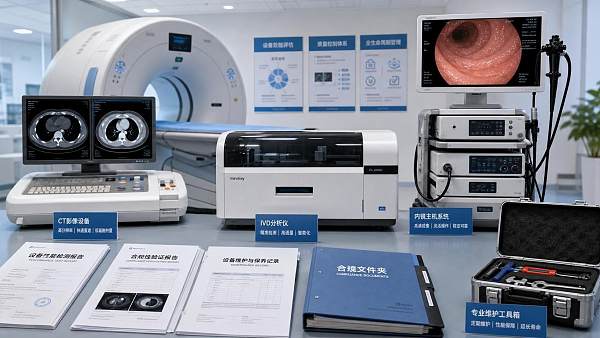
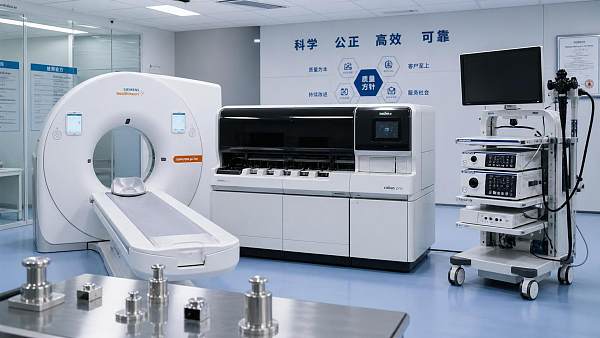
For advanced imaging, IVD, life support, operating room, and endoscope systems, the evidence burden is especially demanding because performance is tied directly to clinical decisions.
Common delay points across the trial journey
- Protocol assumptions are not aligned with intended use, patient population, comparator selection, or regulatory classification.
- Site contracts, ethics approvals, imaging calibration, laboratory readiness, or investigator training take longer than planned.
- Device iteration continues during the clinical phase, creating version-control and data comparability questions.
- Data capture systems are not prepared for audit trails, source verification, cybersecurity review, or software-related evidence.
- Health economic endpoints are added too late, weakening reimbursement discussions after regulatory clearance.
Business evaluators should treat these delay points as indicators of commercial maturity. A trial plan that looks technically sound may still be financially fragile.
Why trial complexity differs by device category
Medical device clinical trials are not uniform. A photon-counting CT system, PCR analyzer, ECMO platform, operating table, and 4K endoscope create very different evidence questions.
The following comparison helps procurement, investment, and market-access teams understand why timelines diverge across device categories.
This comparison shows why a single timeline benchmark can mislead decision-makers. Each device family carries a distinct regulatory, operational, and reimbursement burden.
Regulatory expectations that extend medical device clinical trials
Regulatory review has become more evidence-driven. Authorities increasingly expect a clear link between device design, clinical benefit, risk controls, and post-market surveillance planning.
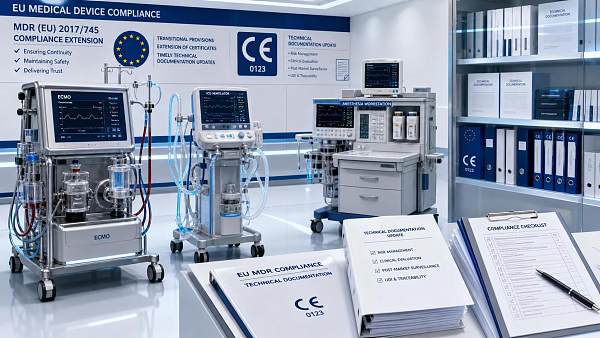
Under FDA pathways or CE MDR requirements, insufficient clinical evidence may trigger deficiency letters, additional analyses, or expanded follow-up. These events directly affect launch timing.
Evidence questions evaluators should ask early
- Is the intended use narrow enough to support a realistic clinical endpoint and patient population?
- Does the comparator reflect current clinical practice rather than an outdated benchmark?
- Are software, AI, cybersecurity, and usability claims supported by traceable verification and validation records?
- Does the clinical evaluation plan connect preclinical testing, literature, trial data, and post-market commitments?
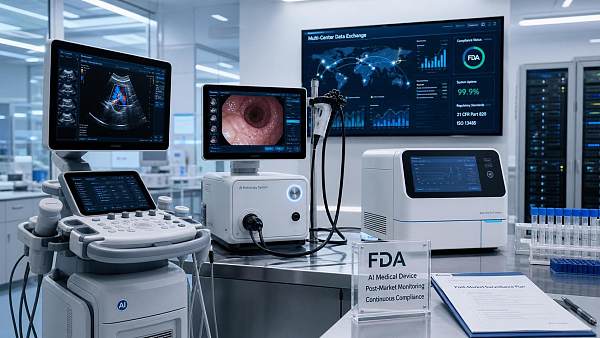
For medical device clinical trials involving AI-assisted imaging or digital diagnostics, algorithm change control is a frequent source of delay. Regulators need confidence that performance remains stable.
Site activation, enrollment, and workflow bottlenecks
Even strong protocols can stall at the hospital level. Sites must integrate trial procedures into real clinical environments without compromising patient safety or staff workload.
In imaging departments, calibration and reader workflows matter. In IVD laboratories, sample chain-of-custody and reagent controls matter. In ICUs, emergency conditions complicate consent.
Operational friction that business teams often underestimate
- Hospital legal teams may extend contract negotiation when indemnity, data rights, or device liability terms are unclear.
- Investigator enthusiasm may not translate into enrollment if patient eligibility criteria are too restrictive.
- Training requirements for surgeons, radiologists, laboratory technicians, or ICU nurses can reduce early trial throughput.
- Device logistics, installation qualification, maintenance response, and spare-part availability influence site confidence.
For business evaluators, site readiness is not a secondary issue. It is a practical test of whether the device can scale after approval.
Data integrity and digital evidence requirements
Modern medical device clinical trials generate complex data streams, including imaging files, laboratory results, device logs, software outputs, adverse events, and economic indicators.
When these streams are fragmented, trial teams lose time reconciling discrepancies. More importantly, weak data governance can reduce regulatory confidence in the entire evidence package.
Data areas that require early control
- Audit trails should identify who changed data, when the change occurred, and why the change was justified.
- Imaging files should preserve acquisition parameters, reconstruction settings, and reader assessment records.
- IVD datasets should connect sample identifiers, reagent lots, reference methods, and result interpretation rules.
- Connected devices should address cybersecurity, access control, software versioning, and data export consistency.
AMDS evaluates these requirements across both technical and clinical layers. This is critical when devices combine physics-based imaging, biochemical reactions, and digital intelligence.
How delays affect commercial valuation and market entry
A delayed clinical trial can change a device’s investment thesis. It may increase cash burn, postpone revenue, weaken distributor commitments, or give competitors time to close capability gaps.
The financial impact depends on market size, reimbursement dependency, manufacturing readiness, and whether the evidence gap affects a core claim or a secondary feature.
The table below supports business evaluation by linking delay causes with valuation and mitigation considerations in medical device clinical trials.
A trial delay is not always fatal, but unexplained delay is a warning sign. Business teams should separate manageable execution risk from structural evidence weakness.
Procurement and investment checklist before funding a device trial
Before allocating capital or entering a strategic partnership, evaluators should review trial readiness with the same rigor used for product performance and manufacturing capacity.
Practical checklist for decision-makers
- Confirm whether the device classification, intended use, and clinical claims have been tested against target market expectations.
- Request a protocol synopsis that clearly defines endpoints, inclusion criteria, sample size logic, and statistical assumptions.
- Review whether the device design history file supports the exact version used in the clinical investigation.
- Evaluate site selection by patient access, technical readiness, investigator experience, and operational predictability.
- Check whether economic outcomes are embedded early enough to support reimbursement and hospital purchasing decisions.
This checklist is especially relevant for cross-border MedTech companies entering FDA or CE MDR pathways. Documentation gaps often become costly late-stage corrections.
Misconceptions that create avoidable delay
Many medical device clinical trials are delayed because teams rely on assumptions that are true for consumer technology but unsafe in regulated healthcare markets.
Misconception 1: A strong prototype is enough
A promising prototype does not prove clinical benefit. Regulators and hospitals need evidence that performance is reproducible under intended operating conditions.
Misconception 2: Approval automatically creates demand
Hospitals consider budget pressure, staff training, service coverage, reimbursement fit, and workflow disruption. Clinical evidence must support purchasing logic.
Misconception 3: Software updates can be handled later
For AI imaging, connected IVD systems, and digital endoscopy platforms, software changes may affect safety, effectiveness, cybersecurity, and clinical data comparability.
FAQ: evaluating delays in medical device clinical trials
How can a business team tell whether a trial delay is manageable?
A manageable delay has a defined cause, corrective action, timeline, and budget impact. A high-risk delay involves unclear endpoints, unresolved regulatory feedback, or unstable device design.
Which devices face the most complex clinical evidence requirements?
Devices influencing diagnosis or life-sustaining intervention usually face higher scrutiny. Examples include advanced CT, MRI, molecular IVD, ventilators, ECMO, and high-risk endoscopic systems.
Should health economic evidence be included during the clinical trial?
In many cases, yes. Evidence on procedure time, repeat testing, ICU utilization, readmission reduction, or DRG impact can strengthen hospital adoption discussions.
What documents should be reviewed before investing in a trial-stage device?
Key documents include protocol synopsis, risk management file, clinical evaluation plan, verification and validation summary, regulatory pathway analysis, and data management plan.
How AMDS supports clearer trial and market-entry decisions
AMDS helps business evaluators interpret medical device clinical trials through a combined lens of compliance, engineering performance, clinical workflow, and health economics.
Our Strategic Intelligence Center analyzes FDA and CE MDR evidence expectations, AI-assisted imaging algorithms, IVD assay logic, endoscope optics, ICU device reliability, and DRG-based purchasing pressure.
Why choose AMDS for pre-investment and market-access evaluation?
- Consult on protocol feasibility, endpoint selection, comparator logic, and evidence gaps before capital is committed.
- Assess product selection risks across imaging, IVD, life support, operating room equipment, and endoscope platforms.
- Clarify certification requirements, documentation readiness, regulatory questions, and cross-border market-entry constraints.
- Support commercial judgment with reimbursement, hospital ROI, delivery timeline, service coverage, and procurement scenario analysis.
Contact AMDS to discuss device parameters, clinical trial risk, product selection, certification requirements, delivery constraints, customized intelligence reports, and quotation planning for MedTech market entry.
Recommended News
 Aug 29, 2026How to Select a Hematology Analyzer With Reliable Reticulocyte CountingHematology analyzers retic selection guide: compare precision, flags, workflow, QC, and connectivity to achieve reliable reticulocyte counting.
 Aug 28, 2026Planning Operating Room Technology for a High-Throughput Surgery CenterOperating room technology for a surgery center: plan workflows, integration, uptime, and safety to boost throughput and create future-ready surgical rooms.
 Aug 27, 2026Building Medical Compliance Analytics for Middle East Market AccessMedical compliance analytics Middle East: build device-specific evidence maps, align local requirements, and accelerate market access with confidence.
 Aug 26, 2026How Surgical Equipment Digitalization Is Reshaping Hospital Investment in Latin AmericaSurgical equipment digitalization Latin America is reshaping hospital investment, from smart ORs to ROI-driven upgrades. Explore what buyers now value most.
 Aug 25, 2026How to Evaluate a Medical Compliance Intelligence Provider for Global Market AccessMedical compliance intelligence provider selection can make or break global market access. Learn how to assess technical depth, update quality, and commercial fit before choosing.
 Aug 24, 2026How Advanced Clinical Imaging Is Improving Cardiology Diagnosis and Treatment PlanningAdvanced clinical imaging cardiology is transforming diagnosis and treatment planning with clearer anatomy, tissue insight, and procedural guidance. Discover how it reduces uncertainty and supports smarter cardiac decisions.
 Aug 23, 2026How to Source Medical Devices in North America: Supplier Vetting and Market Access RisksMedical device sourcing North America made practical: learn how to vet suppliers, reduce compliance risks, and protect market access with smarter procurement decisions.
 Aug 22, 2026What Are Integrated Critical Care Systems and How Do Hospitals Evaluate Them?Critical care systems integrated: learn how hospitals assess ICU platforms for interoperability, alarm safety, workflow efficiency, and long-term value before buying.
 Aug 21, 2026How to Evaluate High-Resolution Diagnostic Imaging Systems for Detail-Critical ExamsDiagnostic imaging systems high resolution: learn how to compare detail-critical performance, workflow fit, dose efficiency, and ROI to choose the right system with confidence.
 Aug 20, 2026How to Evaluate Medical Equipment Performance Before Purchase?Medical equipment evaluation performance starts before purchase. Learn how to assess safety, workflow fit, compliance, uptime, and total cost to choose devices that truly perform.
 Aug 19, 2026How to Evaluate Small-Footprint Laboratory Diagnostic Equipment for Space-Limited LabsLaboratory diagnostic equipment small footprint choices require more than size checks. Learn how to assess workflow, throughput, compliance, and service access for smarter lab buying.
 Aug 18, 2026Biochemical Molecular Diagnostics Explained: Methods, Clinical Uses, and Lab Selection CriteriaBiochemical molecular diagnostics explained: compare key methods, clinical applications, and lab selection criteria to choose reliable, compliant testing with confidence.
 Aug 17, 2026How to Choose Diagnostic Equipment Solutions for a Clinic: Key Factors That Affect Workflow and CostDiagnostic equipment solutions clinic buyers can use to improve workflow, control total cost, and avoid hidden service risks. Learn the key factors before you invest.
 Aug 16, 2026How to Choose a Blood Cell Analyzer for a Small Lab: Throughput, CBC Menu, and CostBlood cell analyzers small lab buyers can compare throughput, CBC menu, and total operating cost with confidence. Learn how to avoid waste, reduce downtime, and choose the right fit.
 Aug 16, 2026FDA Approval of AMDS Hybrid Prosthesis Removes IRB Step for Faster U.S. AccessFDA approval of AMDS Hybrid Prosthesis removes the IRB step, speeding U.S. access for acute aortic dissection care and reshaping hospital procurement and supporting equipment demand.
 Aug 15, 2026What Hospital Technology Infrastructure Is Needed for Reliable Interoperability?Hospital technology infrastructure interoperability depends on secure networks, integration engines, identity services, and governance. Discover what hospitals need for reliable, scalable connectivity.
 Aug 14, 2026What to Look for in an Advanced Diagnostic Systems Distributor Before You BuyAdvanced diagnostic systems distributor: learn what to check before buying, from compliance and technical depth to delivery reliability and after-sales support. Make a smarter procurement decision today.
 Aug 14, 2026China Temporarily Bans Helium ExportsChina Temporarily Bans Helium Exports: learn how the July 10, 2026 rule may disrupt MRI, ECMO, and anesthesia device supply chains, compliance, and delivery planning for global buyers.
 Aug 13, 2026How CT Reconstruction Technology Impacts Image Quality, Dose, and WorkflowMedical imaging reconstruction technology CT shapes image quality, dose, and workflow. Learn how smarter CT reconstruction improves diagnostics and efficiency.
 Aug 13, 2026FDA clears AMDS PMA, easing U.S. hospital accessFDA clears AMDS PMA, easing U.S. hospital access for Artivion’s aortic arch device and speeding procurement, compliance, and deployment.
 Aug 12, 2026Hospital Diagnostic Equipment Comparison: What Buyers Should Evaluate Beyond PriceDiagnostic equipment comparison hospital buyers can trust: learn how to evaluate clinical performance, uptime, compliance, integration, and long-term ROI beyond price.
 Aug 12, 2026FDA Draft Guidance Reshapes AI Device ComplianceFDA Draft Guidance reshapes AI device compliance with new postmarket monitoring expectations for AI/ML-enabled SaMD. Learn what it means for U.S. market access, distributors, and exporters.
 Aug 11, 2026How to Evaluate a Diagnostic Medical Systems Manufacturer for Quality and Market AccessDiagnostic medical systems manufacturer selection starts with more than specs. Learn how to assess quality systems, regulatory readiness, service uptime, and market access before you buy.
 Aug 11, 2026EU MDR Deadline Extended for ECMO and ICU DevicesEU MDR deadline extended for ECMO and ICU devices to 2027. Learn what Regulation (EU) 2026/1347 means for compliance, exports, procurement, and roadmap filing.












Related News
- 00
0000-00
Building Medical Compliance Analytics for Middle East Market Access - 00
0000-00
How to Evaluate a Medical Compliance Intelligence Provider for Global Market Access - 00
0000-00
How to Source Medical Devices in North America: Supplier Vetting and Market Access Risks - 00
0000-00
FDA Draft Guidance Reshapes AI Device Compliance - 00
0000-00
How to Evaluate a Diagnostic Medical Systems Manufacturer for Quality and Market Access
Weekly Insights
Stay ahead with our curated technology reports delivered every Monday.