
What is driving medical equipment innovation in 2026?
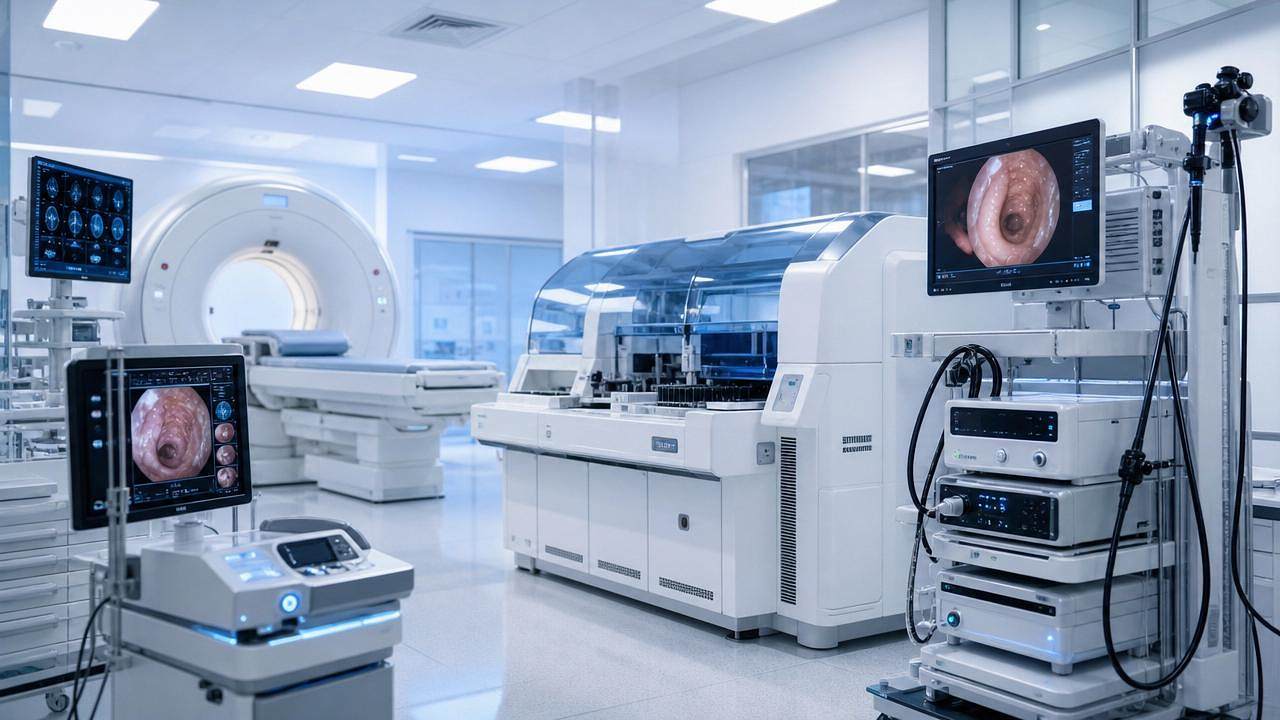




Medical equipment innovation in 2026 is being driven by a powerful convergence of AI-assisted diagnostics, precision imaging, advanced IVD, life-support reliability, and minimally invasive surgical systems. For information researchers tracking MedTech trends, understanding how clinical demand, regulatory pressure, digital healthcare, and hospital ROI reshape innovation is essential to identifying where the next breakthroughs—and market opportunities—will emerge.
Why is medical equipment innovation accelerating in 2026?
Medical equipment innovation is no longer driven by a single factor such as hardware upgrades or faster processors. In 2026, it is shaped by a combined pressure system: rising chronic disease burden, earlier screening needs, stricter compliance pathways, workforce shortages, and hospital demands for measurable financial outcomes.
For researchers and procurement analysts, this means innovation should be evaluated as a clinical-business-regulatory package. A scanner with stronger imaging capability matters, but so do workflow integration, reimbursement logic, uptime, cybersecurity, serviceability, and evidence for adoption in real care settings.
This is especially visible across the domains AMDS tracks closely: medical imaging, IVD, life support, operating room infrastructure, and endoscope systems. In these categories, progress happens where physics, biology, software, compliance, and economics intersect rather than in isolated product features.
- Hospitals want earlier and more accurate diagnosis without sharply increasing labor intensity.
- Clinicians expect devices to fit digital workflows, not create extra manual steps.
- Manufacturers face tighter evidence requirements from CE MDR, FDA, and post-market surveillance systems.
- Finance teams increasingly assess capital purchases through DRG-linked ROI and lifecycle cost rather than acquisition price alone.
The shift from device-centered to outcome-centered innovation
One of the biggest changes behind medical equipment innovation is that buyers now ask, “What outcome does this improve?” That outcome may be faster triage, lower rescans, more stable ventilation, shorter OR turnover, or fewer false positives in molecular testing. Devices that cannot demonstrate practical value are harder to justify.
AMDS focuses on this transition because frontier efficacy alone is not enough. The market increasingly rewards systems that align clinical precision with compliance readiness and operational logic. That is where strategic intelligence becomes useful for information researchers comparing technologies across regions and use cases.
Which technology pillars are driving medical equipment innovation most strongly?
The next table summarizes the main engines behind medical equipment innovation across AMDS’s core sectors. It helps researchers see not just what is changing, but why those changes matter in adoption and market access decisions.
The pattern is clear: medical equipment innovation is moving toward integrated performance. Image quality, assay sensitivity, mechanical stability, and software intelligence must now work together. A strong component is valuable, but a strong system is what gets adopted.
AI is important, but not as a standalone story
Many discussions oversimplify 2026 trends by treating AI as the whole innovation story. In practice, AI creates value only when paired with trustworthy data quality, clinically relevant outputs, validation evidence, and workflow compatibility. In imaging, for example, reconstruction speed matters less if artifacts remain hard to interpret or integration with PACS is weak.
AMDS’s engineering and compliance perspective is useful here because it connects algorithm claims with physical system limits, clinical usefulness, and market access realities. That integrated view helps researchers distinguish substantive innovation from promotional language.
How do clinical demand and hospital economics shape innovation priorities?
Medical equipment innovation in 2026 is shaped as much by hospital finance as by engineering ambition. Health systems are under pressure to increase throughput, control staffing strain, support earlier intervention, and justify capital expenditure through measurable utilization and reimbursement impact.
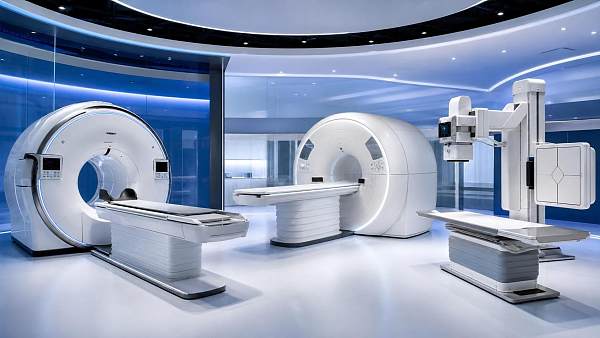
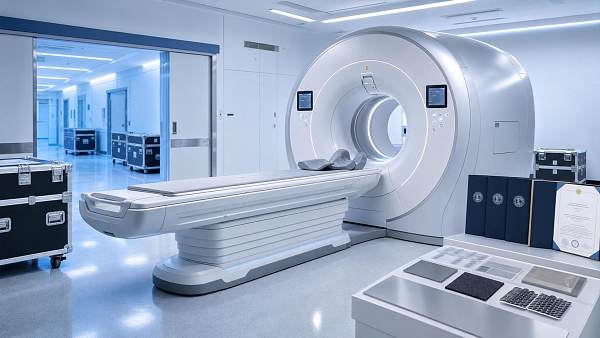
This is why high-end imaging, IVD automation, and minimally invasive systems continue to attract attention. They can influence several financial levers at once: diagnostic speed, bed turnover, complication risk, procedure volume, and clinician productivity. Under DRG-linked payment logic, those factors matter deeply.
- Earlier diagnosis can reduce downstream treatment cost and improve case management efficiency.
- Reliable life support equipment lowers the financial risk of unplanned downtime in intensive care.
- Minimally invasive tools may support shorter recovery pathways and more efficient operating room scheduling.
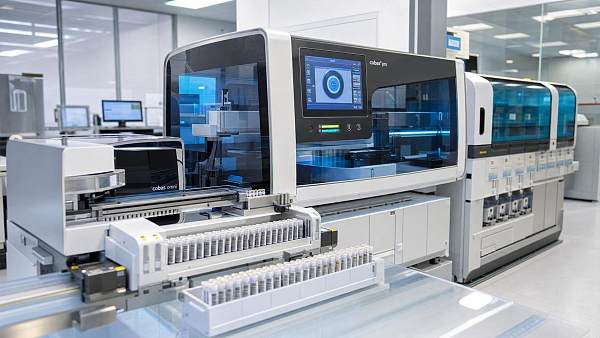
- Automation in IVD reduces manual handling pressure when testing demand fluctuates sharply.
Why ROI analysis now starts earlier in the research cycle
Information researchers are increasingly asked to screen technologies before formal procurement starts. That means early-stage market research now includes lifecycle cost, maintenance assumptions, consumables burden, training requirements, and utilization thresholds. Innovation without an adoption pathway often stalls before tender.
This is one reason AMDS emphasizes intelligence stitching across technical, regulatory, and economic dimensions. A promising device category may look attractive in performance terms but fail under local compliance timing, reimbursement logic, or service infrastructure constraints.
What should researchers compare when evaluating medical equipment innovation?
When evaluating medical equipment innovation, focusing only on headline specifications can be misleading. A better approach is to compare technologies through a structured decision framework that combines technical fit, clinical utility, compliance readiness, and implementation burden.
The table below provides a practical comparison checklist for information researchers, sourcing teams, and strategy analysts reviewing new MedTech platforms.
This framework helps researchers avoid a common mistake: confusing innovation visibility with innovation readiness. A novel system may generate strong conference attention yet still face barriers in installation complexity, training burden, evidence depth, or local approval sequencing.
Common comparison mistakes in MedTech research
- Comparing flagship features without checking whether they solve the target department’s actual bottleneck.
- Ignoring post-market obligations when assessing international launch feasibility.
- Assuming automation always reduces cost, even when throughput is too low to justify the platform.
- Treating service coverage and training as secondary, especially for critical life support equipment.
How do compliance and certification influence innovation decisions?
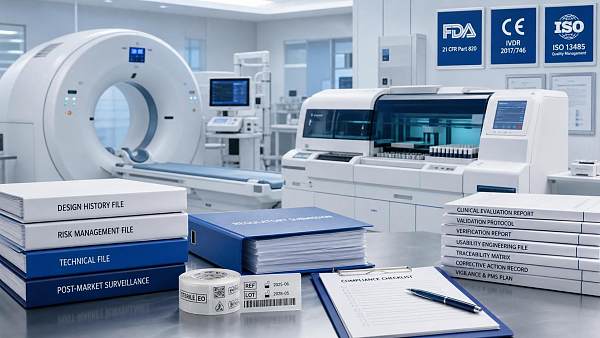
In 2026, medical equipment innovation is inseparable from compliance strategy. A device may be technically impressive, but if its evidence package, risk documentation, software validation, usability file, or post-market plan is weak, commercialization can slow dramatically. This is particularly relevant for AI-enabled systems and export-oriented manufacturers.
Researchers should therefore track innovation through two lenses at once: capability advancement and regulatory fit. AMDS’s Strategic Intelligence Center is positioned around this dual view, linking technical interpretation with access requirements under frameworks such as CE MDR and FDA review expectations.
Key compliance questions worth checking early
- Does the device category involve software as a medical device considerations or algorithm change control concerns?
- Are clinical evaluation and performance validation requirements proportionate to the claims being made?
- How mature is the manufacturer’s post-market surveillance and complaint handling structure?
- Will intended use wording affect market scope, reimbursement positioning, or risk classification?
For information researchers, these questions are practical rather than legalistic. They often determine whether a promising platform can move from prototype attention to real distribution, hospital acceptance, and sustained cross-border growth.
Which application scenarios will matter most for medical equipment innovation?
Medical equipment innovation tends to gain traction fastest where clinical urgency and operational pressure are both high. The following scenarios are especially important in 2026 because they combine patient impact with strong purchasing logic.
High-priority scenarios to watch
- Early oncology screening, where better imaging reconstruction and sensitive IVD markers can support earlier intervention pathways.
- Cardiovascular diagnosis, where speed, resolution, and workflow reliability directly affect triage and treatment planning.
- ICU respiratory and circulatory support, where device uptime, alarm precision, and control stability are central.
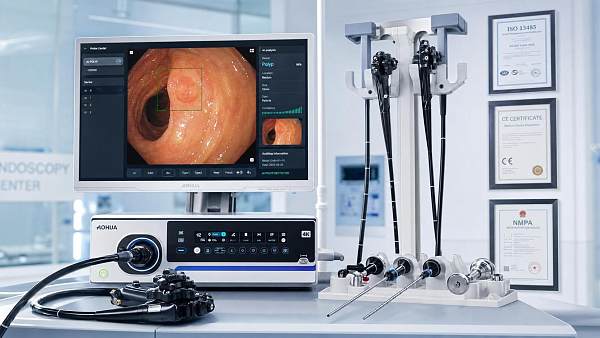
- Minimally invasive surgery, where endoscopic visualization and instrument agility influence recovery burden and surgical confidence.
- High-throughput labs, where automation and multiplex capability determine responsiveness during demand spikes.
Across all of these, the winning systems are usually not those with the longest feature list. They are the ones that deliver dependable value inside real hospital constraints: trained staff limits, budget scrutiny, compliance rules, and interoperability expectations.
FAQ: what do information researchers ask most about medical equipment innovation?
How should I judge whether medical equipment innovation is clinically meaningful or just incremental?
Start by identifying the baseline problem: image noise, false negatives, OR inefficiency, ventilation instability, or lab turnaround time. Then ask whether the new system changes that bottleneck in a measurable way. A small specification gain may be meaningful in one workflow and irrelevant in another.
What matters more in 2026: advanced technology or compliance readiness?
Neither should be separated. Advanced technology creates attention, but compliance readiness creates access. In global MedTech, the most commercially relevant medical equipment innovation usually combines technical progress with evidence discipline, documentation maturity, and realistic post-market planning.
How early should hospital ROI be considered when researching new equipment?
Earlier than many teams expect. ROI should be explored during initial market screening, not after a shortlist is made. Usage volume, consumables, maintenance, staffing effect, and reimbursement logic can all reshape whether a technically attractive system is truly viable.
Which sectors are likely to produce the strongest innovation signals?
Medical imaging, IVD, critical life support, and minimally invasive systems remain especially strong because they sit at the center of diagnostic accuracy, acute care reliability, and efficiency pressures. These are also areas where digitalization and precision medicine continue to reinforce demand.
Why work with AMDS when tracking medical equipment innovation?
For researchers, manufacturers, and strategy teams, the hardest part is rarely finding information. It is connecting scattered technical signals, compliance implications, and economic logic into a decision-ready view. That is where AMDS provides practical value across imaging, IVD, life support, OR infrastructure, and endoscope systems.
AMDS helps translate complex MedTech developments into usable intelligence by aligning engineering interpretation, regulatory access analysis, and hospital ROI thinking. This is especially helpful when comparing export opportunities, screening product positioning, or validating whether a trend has real market traction.
- Ask about parameter confirmation for imaging, IVD, life support, OR, or endoscopic systems.
- Discuss product selection logic based on target departments, use scenarios, and budget priorities.
- Review compliance questions related to CE MDR, FDA expectations, intended use, and documentation readiness.
- Evaluate delivery cycle assumptions, service requirements, and implementation risk before procurement advances.
- Explore custom intelligence support for quotation comparison, market mapping, and solution planning.
If your team is assessing where medical equipment innovation is truly heading in 2026, AMDS can help you narrow the field faster and with better context. The right discussion can begin with a specific technology question, a compliance barrier, a selection challenge, or a market-entry objective.
Recommended News
 Jun 18, 2026Critical Care Diagnostics: What to Measure, How Fast It Matters, and Where Delays HappenCritical care diagnostics explained: learn what to measure first, how fast results must arrive, where delays occur, and how smarter workflows improve urgent care decisions.
 Jun 18, 2026Medical Compliance Analytics vs Manual Audits: Which Scales Better for Risk Control?Medical compliance analytics vs manual audits: discover which model scales risk control better, cuts hidden compliance costs, and helps MedTech teams act earlier with confidence.
 Jun 18, 2026Healthcare Compliance Intelligence for Multi-Site Providers: Key Metrics and Reporting NeedsHealthcare compliance intelligence for multi-site providers: learn which metrics truly reflect audit readiness, patient safety, and site-level risk to improve reporting and drive better decisions.
 Jun 18, 2026How to Evaluate Clinical Decision Support Tools for ICU and Acute Care WorkflowsClinical decision support for ICU and acute care demands more than features. Learn how to assess workflow fit, interoperability, alert quality, compliance, and real clinical value.
 Jun 18, 2026Precision Medicine Solutions Explained: Use Cases, Data Inputs, and Adoption ChallengesPrecision medicine solutions explained: explore real use cases, key data inputs, and adoption challenges to see how personalized care improves decisions, workflows, and outcomes.
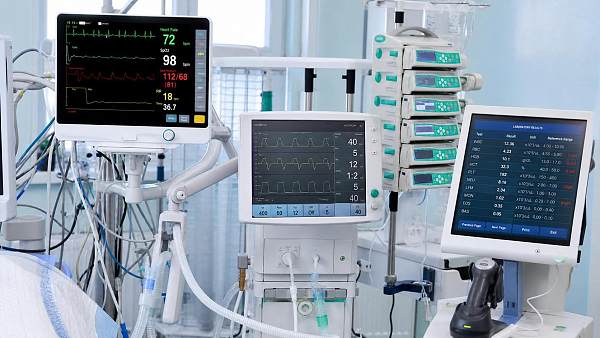
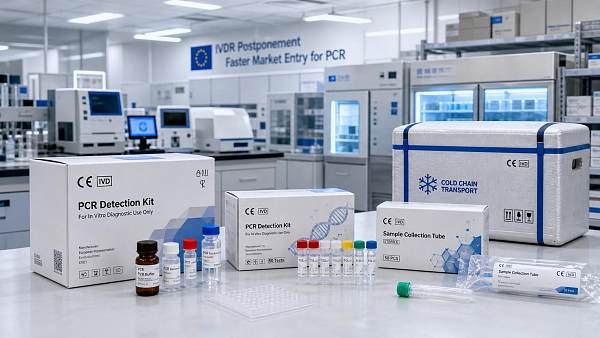
 Jun 18, 2026EU Extends IVDR Transition to End-2028, Reopens PCR Fast TrackEU Extends IVDR Transition to End-2028, reopening the PCR fast track for eligible CE-marked COVID-19 and respiratory tests. See what it means for compliance, market access, and supply planning.
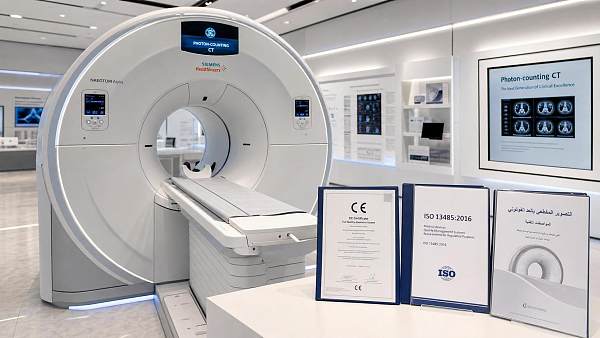
 Jun 18, 2026GCC CT Tender Sets Dual CE and ISO Entry RuleGCC CT Tender sets a dual CE and ISO entry rule for 2026 bids, requiring MDR Annex IV, ISO 13485:2016, and Arabic technical files. See who qualifies and how to prepare fast.
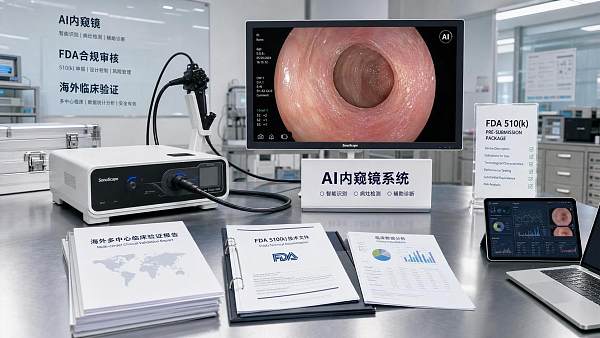
 Jun 18, 2026FDA Raises AI Endoscopy Validation BarFDA Raises AI Endoscopy Validation Bar: learn how the FDA’s new AI endoscopy rule raises 510(k) and De Novo evidence thresholds, impacts timelines, and reshapes clinical validation strategy.
 Jun 18, 2026Thailand Moves on ASEAN Pharma Buying, Cuts Imaging TariffsThailand moves on ASEAN pharma buying as it cuts imaging tariffs 5–8% for certified China-made systems. See how CE/FDA status, customs clearance, and hospital procurement may reshape market access.
 Jun 18, 2026MHRA Opens UK Pathway to FDA, Health Canada and TGA-Cleared DevicesMHRA opens a UK pathway for FDA, Health Canada, and TGA-cleared devices, offering medical device companies a faster Great Britain market entry route with lower compliance burden from 2027.
 Jun 17, 2026Clinical Engineering Solutions vs In-House Support: Cost, Risk, and Service ScopeClinical engineering solutions vs in-house support: compare true costs, compliance risk, uptime impact, and service scope to choose the smarter support model.
 Jun 17, 2026Medical Device Compliance Checklist: FDA, CE, ISO 13485, and Post-Market RequirementsMedical device compliance checklist covering FDA, CE MDR, ISO 13485, and post-market requirements. Learn how to reduce risk, strengthen audits, and speed market readiness.
 Jun 17, 2026Advanced Clinical Imaging for High-Acuity Care: When MRI, CT, or DR Makes SenseAdvanced clinical imaging for high-acuity care: learn when MRI, CT, or DR delivers the best speed, detail, and workflow value to improve urgent decisions and patient outcomes.
 Jun 17, 2026How to Evaluate IVD Instruments: Throughput, Automation, and Workflow FitIVD instruments evaluation starts with real lab needs. Learn how to compare throughput, automation, and workflow fit to improve efficiency, compliance, and diagnostic value.
 Jun 17, 2026IVD Molecular Testing Explained: Key Methods, Clinical Uses, and LimitsIVD molecular testing explained: explore key methods, clinical uses, and real-world limits to make smarter diagnostic, investment, and precision care decisions.
 Jun 17, 2026CMEF Shanghai 2026 Closes as AI Imaging Draws BuyersCMEF Shanghai 2026 reveals rising buyer demand for AI imaging, Photon-counting CT, MRI, and DR systems. Explore key procurement signals, interoperability trends, and export opportunities.
 Jun 17, 2026China ECMO Exports Surge as Bearing Reliance PersistsChina ECMO exports surge 368% in Q1 2026, but bearing reliance still threatens delivery timelines. Learn what it means for manufacturers, buyers, and supply chain planning.
 Jun 17, 2026GCC Launches Photon-Counting CT Tender With CE and ISO 13485 RuleGCC launches a photon-counting CT tender worth over $1.2B, requiring CE and ISO 13485 compliance. Explore what this means for bidders, delivery planning, and market access.
 Jun 17, 2026EU Extends IVDR Transition to 2028, Reopens PCR Fast TrackEU Extends IVDR Transition to 2028 and reopens the PCR fast track for CE and UKCA-certified products. Learn what this means for IVD exporters, compliance teams, and European market access.
 Jun 17, 2026FDA Sets New Evidence Rule for AI EndoscopyFDA Sets New Evidence Rule for AI Endoscopy: learn how the new clinical data requirement may delay clearance, reshape export timelines, and impact AI-enabled endoscopy suppliers.
 Jun 16, 2026Medical Compliance Analytics: Key Standards, Audit Metrics, and Data Review PointsMedical compliance analytics explained: explore key standards, audit metrics, and critical data review points to strengthen MedTech risk control, audit readiness, and market access.
 Jun 16, 2026IVD Molecular Testing vs Traditional Lab Methods: What Buyers Should Compare FirstIVD molecular testing vs traditional lab methods: compare accuracy, workflow, cost, compliance, and scalability first to choose the right diagnostic platform with confidence.
 Jun 16, 2026How Clinical Decision Support Helps Reduce Diagnostic Delays and Reporting ErrorsClinical decision support helps reduce diagnostic delays and reporting errors across imaging, IVD, and ICU workflows. See how smarter alerts and structured logic improve care.
 Jun 16, 2026Advanced Diagnostic Systems Selection Guide: Key Specs, Integration, and Workflow FitAdvanced diagnostic systems selection guide covering key specs, integration, workflow fit, compliance, and lifecycle cost—learn how to choose the right platform with confidence.







Related News
- 00
0000-00
Precision Medicine Solutions Explained: Use Cases, Data Inputs, and Adoption Challenges - 00
0000-00
Clinical Engineering Solutions vs In-House Support: Cost, Risk, and Service Scope - 00
0000-00
Advanced Clinical Imaging for High-Acuity Care: When MRI, CT, or DR Makes Sense - 00
0000-00
How Clinical Decision Support Helps Reduce Diagnostic Delays and Reporting Errors - 00
0000-00
Advanced Diagnostic Systems Selection Guide: Key Specs, Integration, and Workflow Fit
Weekly Insights
Stay ahead with our curated technology reports delivered every Monday.