
Clinical Engineering Solutions vs In-House Support: Cost, Risk, and Service Scope




Clinical Engineering Solutions vs In-House Support: Cost, Risk, and Service Scope
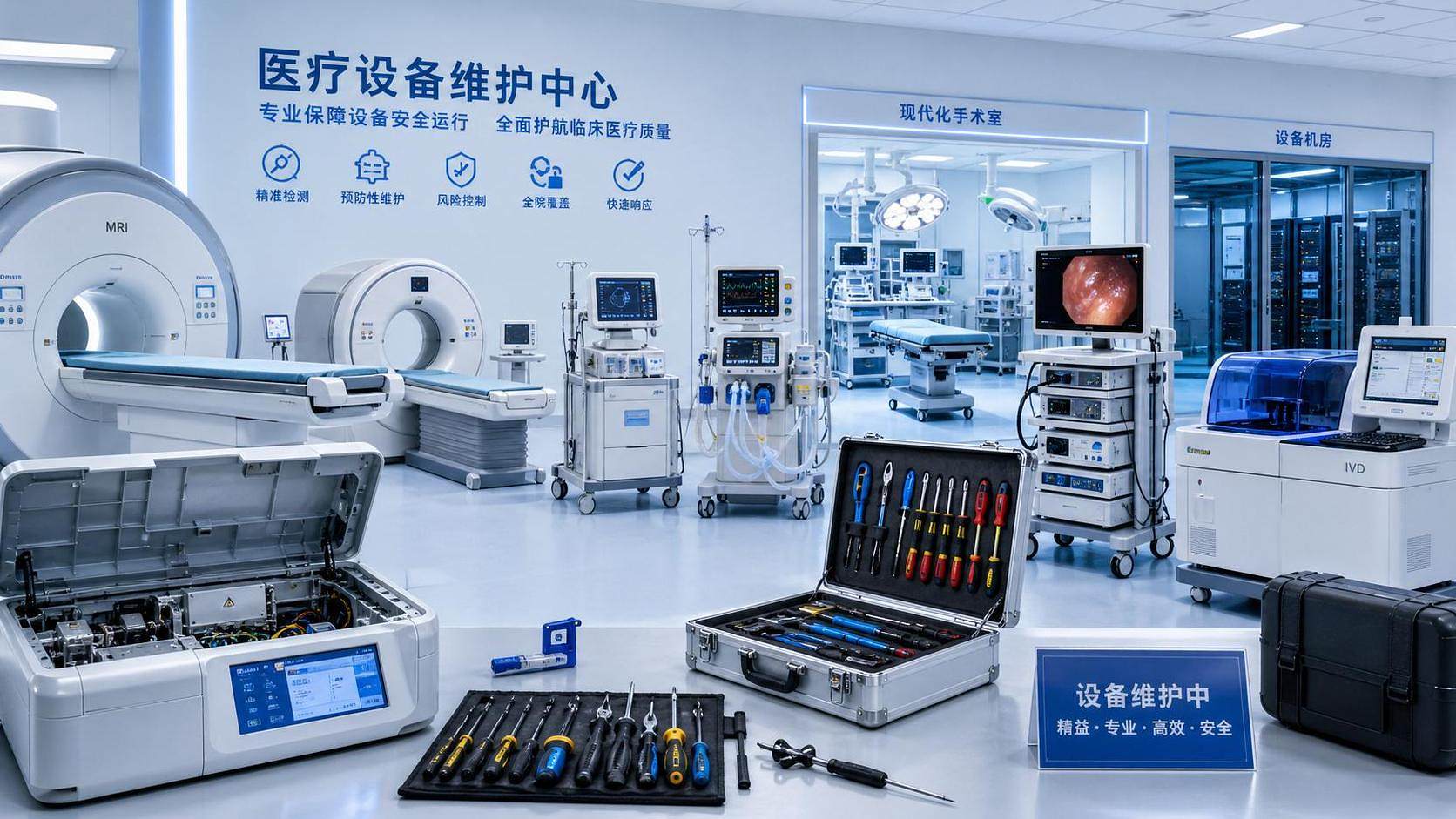
For procurement teams evaluating clinical engineering solutions against in-house support, the real decision goes far beyond hourly labor rates.
It affects total cost of ownership, compliance exposure, equipment uptime, and service coverage across critical medical technologies.
That is especially true for imaging, IVD, life support, endoscopy, and operating room platforms.
At first glance, keeping support in-house can look cheaper and easier to control.
In practice, the better choice depends on asset mix, response expectations, regulatory burden, and internal technical depth.
This is where modern clinical engineering solutions deserve a closer, more practical review.
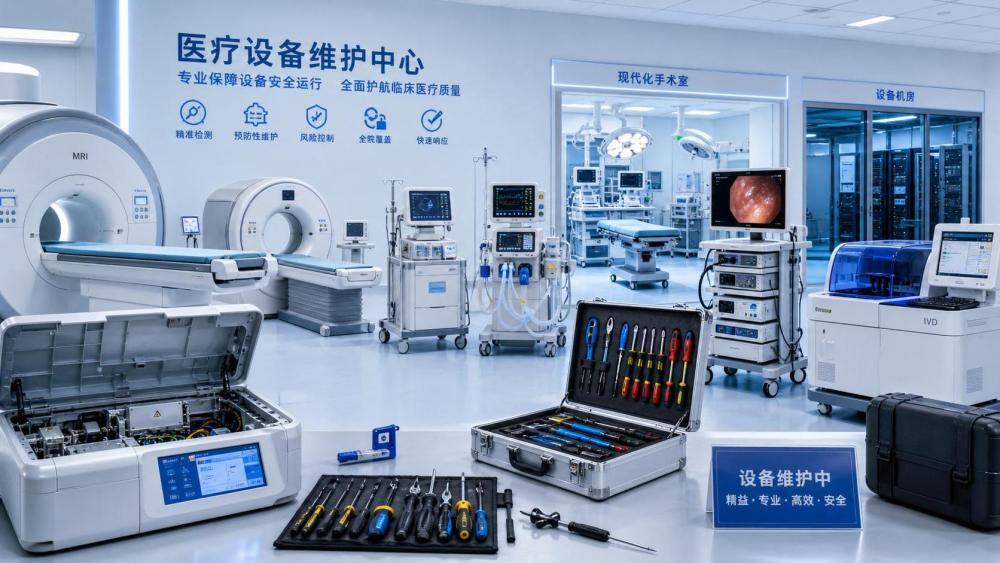
The most useful comparison is not vendor versus employee.
It is structured service capability versus the true operating demands of a clinical environment.
Why the Cost Comparison Is Often Misread
Many buying decisions start with salary, benefits, and contractor rates.
That view is too narrow for high-value medical assets.
A real cost model must include downtime, parts logistics, training, tooling, software access, and audit readiness.
Clinical engineering solutions usually bundle many of these hidden costs into one managed framework.
In-house teams often carry them separately, which makes spending harder to see but not smaller.
- Recruitment and retention for specialized biomedical engineers
- OEM training costs for MRI, CT, PCR, ventilators, and endoscopy systems
- Test equipment calibration and cybersecurity patch coordination
- Emergency parts sourcing and after-hours response coverage
- Documentation needed for inspections, accreditation, and quality reviews
From a procurement standpoint, these line items matter because they shape long-term cash flow.
They also influence whether service expenses stay predictable or turn into unplanned operational shocks.
Breaking Down Total Cost of Ownership
When comparing clinical engineering solutions with internal support, total cost of ownership should guide the decision.
A lower annual labor number can still produce a higher five-year service cost.
That happens when expensive systems sit idle or fail compliance checks.
Direct Cost Elements
- Labor, shift premiums, and on-call coverage
- Service contracts and subcontracted specialty repairs
- Parts inventory, loaners, and shipping
- Technical training and certification renewals
Indirect Cost Elements
- Lost procedure revenue from downtime
- Delayed diagnosis caused by unavailable imaging or IVD analyzers
- Compliance remediation and failed inspection recovery
- Capital planning mistakes due to weak service data
Well-designed clinical engineering solutions reduce indirect costs by standardizing maintenance planning and service visibility.
That can be more valuable than saving a few points on labor.
Risk Exposure: The Hidden Deciding Factor
Cost matters, but risk usually decides the smarter path.
A support model that struggles with high-acuity devices can create clinical and financial consequences very quickly.
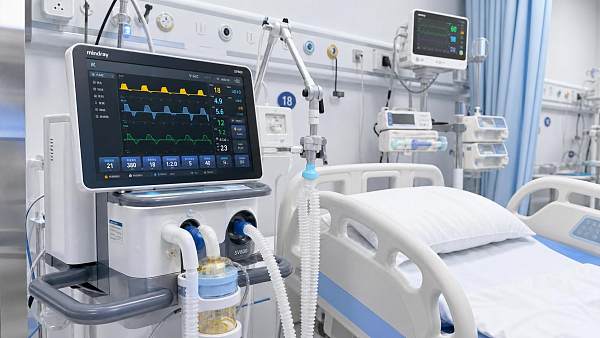
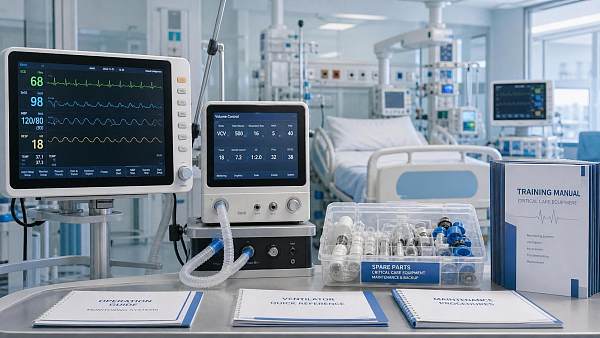
This is even more important for ventilators, ECMO support systems, infusion technologies, and advanced imaging fleets.
Clinical engineering solutions often include escalation paths, multi-site expertise, and documented service protocols.
Those features lower single-point dependency on one technician or one department.
Key Risk Areas to Evaluate
- Regulatory risk from incomplete preventive maintenance records
- Patient safety risk from delayed corrective action
- Cybersecurity risk on networked diagnostic systems
- Operational risk from weak backup coverage during leave or turnover
- Vendor management risk when multiple OEMs are involved
In-house support can manage these risks well, but only with mature processes and deep cross-training.
Without that maturity, risk concentration increases faster than many organizations expect.
Service Scope: Breadth Often Changes the Value Equation
The strongest case for clinical engineering solutions is often service scope.
A hospital may need one support model for imaging, another for IVD, and another for critical care devices.
That fragmented setup creates handoff problems, inconsistent reporting, and slower issue resolution.
Integrated clinical engineering solutions can unify service across diverse technologies and risk categories.
For buyers, service breadth should be measured against the real device portfolio, not a generic benchmark.
That is where AMDS-style intelligence becomes useful, especially in high-compliance, high-complexity environments.
When In-House Support Still Makes Sense
In-house support is not the wrong answer by default.
It can be effective for stable equipment fleets, lower-acuity devices, and organizations with strong biomedical leadership.
It also works well when service demand is predictable and local technical talent is easy to retain.
Best-Fit Conditions for Internal Teams
- Limited modality diversity across departments
- Strong CMMS discipline and service analytics
- Reliable OEM relationships and parts access
- Low turnover among trained technical staff
- Clear backup plans for high-risk assets
Even then, some organizations choose hybrid clinical engineering solutions for niche modalities or remote locations.
That approach keeps internal control while reducing coverage gaps.
A Practical Procurement Framework
A cleaner decision comes from scoring both models against the same operational criteria.
This avoids the common mistake of comparing visible labor cost with invisible service risk.
- Map the asset base by criticality, age, modality, and failure history.
- Estimate downtime cost by department, including lost revenue and scheduling disruption.
- Review compliance exposure for maintenance documentation, cybersecurity, and inspection readiness.
- Test internal staffing depth against vacations, turnover, and after-hours events.
- Compare proposed clinical engineering solutions on response time, escalation, reporting, and parts strategy.
- Model a hybrid option for high-end or high-risk equipment categories.
This method keeps the evaluation commercial, operational, and clinically grounded.
It also supports a more defensible sourcing decision when leadership asks for measurable justification.
Final Takeaway
The better choice is rarely about choosing the cheapest service model.
It is about choosing the support structure that protects uptime, compliance, and clinical continuity at a sustainable cost.
For complex equipment portfolios, clinical engineering solutions often deliver stronger value through broader scope and lower risk concentration.
For simpler environments, in-house support may still be the right economic fit.
The smartest next step is to evaluate both against actual service demand, not assumptions.
When the analysis is tied to cost, risk, and service scope, the procurement decision becomes much clearer.
Recommended News
 Jun 24, 2026Operating Room Technology Planning Checklist for New OR Builds and Renovation ProjectsOperating room technology planning checklist for new OR builds and renovations: reduce rework, improve workflow, control lifecycle costs, and make smarter capital decisions.
 Jun 24, 2026Endoscopic Imaging Technology Troubleshooting: Causes of Blur, Glare, and Color MismatchEndoscopic imaging technology troubleshooting made practical: identify blur, glare, and color mismatch fast with clear causes, quick checks, and reliable fixes to reduce downtime.
 Jun 24, 2026How Healthcare Compliance Intelligence Helps Reduce Market Access Delays and Audit RiskHealthcare compliance intelligence helps MedTech teams reduce market access delays, improve audit readiness, and make smarter launch decisions across complex global regulatory pathways.
 Jun 24, 2026Molecular Testing Systems Explained: PCR, Isothermal, and Multiplex Platforms ComparedMolecular testing systems compared: explore PCR, isothermal, and multiplex platforms to find the best fit for speed, accuracy, workflow, and smarter clinical decisions.
 Jun 24, 2026How to Evaluate IVD Instruments: 7 Specifications That Matter Before You Compare ModelsIVD instruments evaluation starts with the right specs. Learn the 7 factors that impact accuracy, throughput, compliance, workflow, and total cost before comparing models.
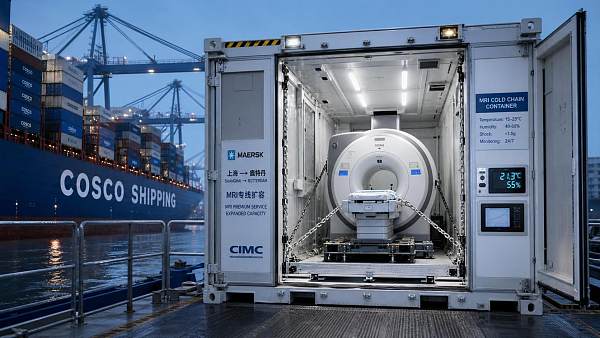
 Jun 24, 2026Shanghai-Rotterdam MRI Sea Lane Adds 40% CapacityShanghai-Rotterdam MRI sea lane adds 40% capacity for superconducting MRI transport, offering stable 28±3 day delivery and strict cold-chain control. See why manufacturers and buyers are watching closely.
 Jun 24, 2026MHRA Fast-Tracks Chemiluminescence IVDs in 30 DaysMHRA fast-tracks chemiluminescence IVDs in 30 days, waiving duplicate local testing for eligible overseas manufacturers. See what this means for UK market access, certification planning, and launch timing.
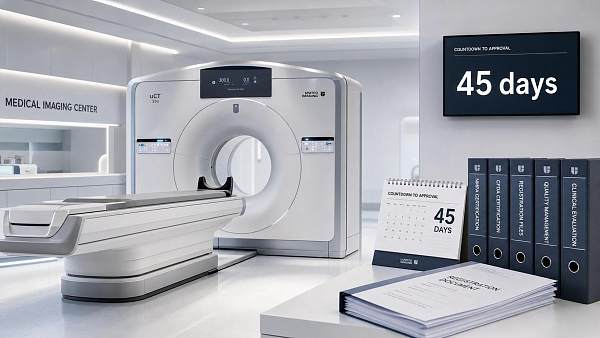
 Jun 24, 2026Saudi SFDA Fast-Track Cuts Photon-Counting CT Review to 45 DaysSaudi SFDA fast-track for photon-counting CT cuts review to 45 days from 180. Learn eligibility, NMPA Class III requirements, and what it means for faster Saudi market entry.
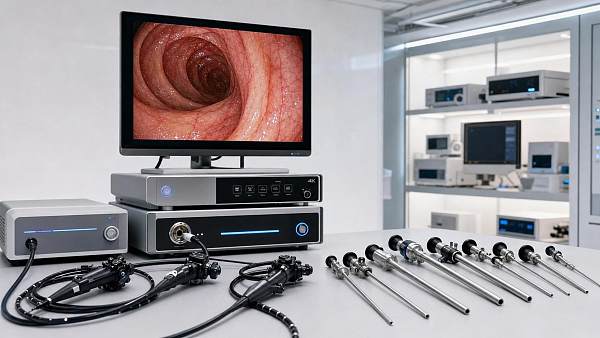
 Jun 24, 2026EU Shortens MDR Window for Class IIa Rigid EndoscopyEU MDR deadline for Class IIa rigid endoscopy has been moved up to Sept 19, 2026. Learn how CE certification, traceability, and EU market access risks may affect your supply chain now.
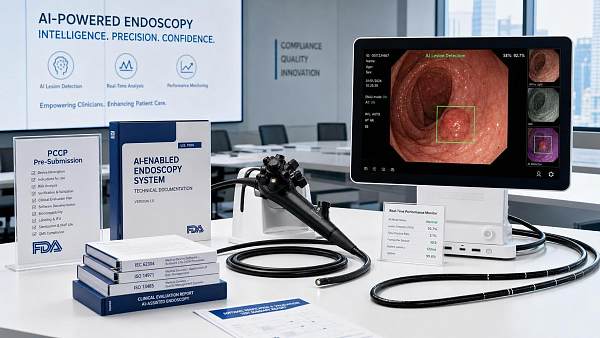
 Jun 24, 2026FDA Tightens PCCP Rule for AI Endoscopy SoftwareFDA Tightens PCCP Rule for AI Endoscopy Software: learn how new PCCP and real-time monitoring requirements may reshape U.S. registration, review timelines, and compliance costs.
 Jun 23, 2026Diagnostic Algorithm Development: Validation Steps, Performance Metrics, and Compliance BasicsDiagnostic algorithm development explained: learn validation steps, key performance metrics, and compliance basics to build safer, audit-ready medical AI with confidence.
 Jun 23, 2026Endoscopic Imaging Technology in Practice: How to Compare Resolution, Lighting, and Scope TypeEndoscopic imaging technology explained in practical terms—compare resolution, lighting, and scope type to improve clinical clarity, workflow efficiency, and smarter system selection.
 Jun 23, 2026ICU Ventilator Selection for Critical Care Ventilation: Which Parameters Matter Most?Critical care ventilation buyers: learn which ICU ventilator parameters matter most, from monitoring accuracy and lung protection to alarms, weaning tools, and long-term value.
 Jun 23, 2026Medical Device Precision Engineering Explained: Key Tolerances, Materials, and Risk PointsMedical device precision engineering explained: explore critical tolerances, material choices, contamination risks, and compliance factors that shape safer, more reliable MedTech performance.
 Jun 23, 2026How to Evaluate Surgical Navigation Systems: Accuracy, Workflow, and OR IntegrationSurgical navigation systems: learn how to evaluate accuracy, workflow, and OR integration to reduce risk, improve efficiency, and choose a platform that fits real clinical needs.
 Jun 23, 2026MHRA Opens 30-Day Fast Track for Chemiluminescence SystemsMHRA opens a 30-day fast track for chemiluminescence systems, reshaping UKCA market access. See what IVD manufacturers, distributors, and regulatory teams must do next.
 Jun 23, 2026SFDA Fast Track Cuts Photon-counting CT Review to 45 DaysSFDA Fast Track cuts Photon-counting CT review to 45 working days, reshaping Saudi market entry, compliance planning, and procurement timing. See what manufacturers and distributors should do next.
 Jun 23, 2026EU MDR Deadline Nears for Class IIa Rigid EndoscopyEU MDR deadline for Class IIa rigid endoscopy is approaching fast. Learn what the September 21, 2026 CE certification cutoff means for manufacturers, exporters, and EU distributors.
 Jun 23, 2026FDA Requires PCCP for AI Flexible VideoscopesFDA Requires PCCP for AI Flexible Videoscopes: learn what the October 1, 2026 rule means for 510(k) products, new submissions, compliance planning, and uninterrupted U.S. market access.
 Jun 22, 2026Endoscopic Imaging Technology in GI Diagnosis: Key Features and Common Image Quality IssuesEndoscopic imaging technology in GI diagnosis: explore key features, common image quality issues, and practical tips to improve clarity, accuracy, and workflow efficiency.
 Jun 22, 2026Clinical Life Support Systems: How to Compare Cost, Uptime, and Training RequirementsClinical life support buying guide: compare total cost, uptime, training, and compliance to choose safer, higher-value systems and avoid hidden long-term risks.
 Jun 22, 2026Pathological Reconstruction Algorithms Explained: Accuracy, Speed, and Data NeedsPathological reconstruction algorithms explained with a practical focus on accuracy, speed, and data needs. Learn how to compare vendors, validate claims, and choose systems ready for real clinical deployment.
 Jun 22, 2026Healthcare Technology Trends in 2025: Which Investments Matter Most for Providers?Healthcare technology trends in 2025 are reshaping provider investment priorities. Discover which innovations deliver clinical proof, ROI, compliance strength, and operational resilience.
 Jun 22, 2026What Is a Medical Intelligence Platform and How Hospitals Use It for Clinical DecisionsMedical intelligence platform explained: learn how hospitals connect imaging, lab, ICU, and OR data to make faster clinical decisions, improve compliance, and support safer, smarter care.













Related News
- 00
0000-00
Operating Room Technology Planning Checklist for New OR Builds and Renovation Projects - 00
0000-00
Medical Device Precision Engineering Explained: Key Tolerances, Materials, and Risk Points - 00
0000-00
How to Evaluate Surgical Navigation Systems: Accuracy, Workflow, and OR Integration - 00
0000-00
What Is a Medical Intelligence Platform and How Hospitals Use It for Clinical Decisions - 00
0000-00
How Clinical Engineering Intelligence Helps Reduce Downtime and Improve Preventive Maintenance
Weekly Insights
Stay ahead with our curated technology reports delivered every Monday.