
CMEF Shanghai 2026 Closes as AI Imaging Draws Buyers
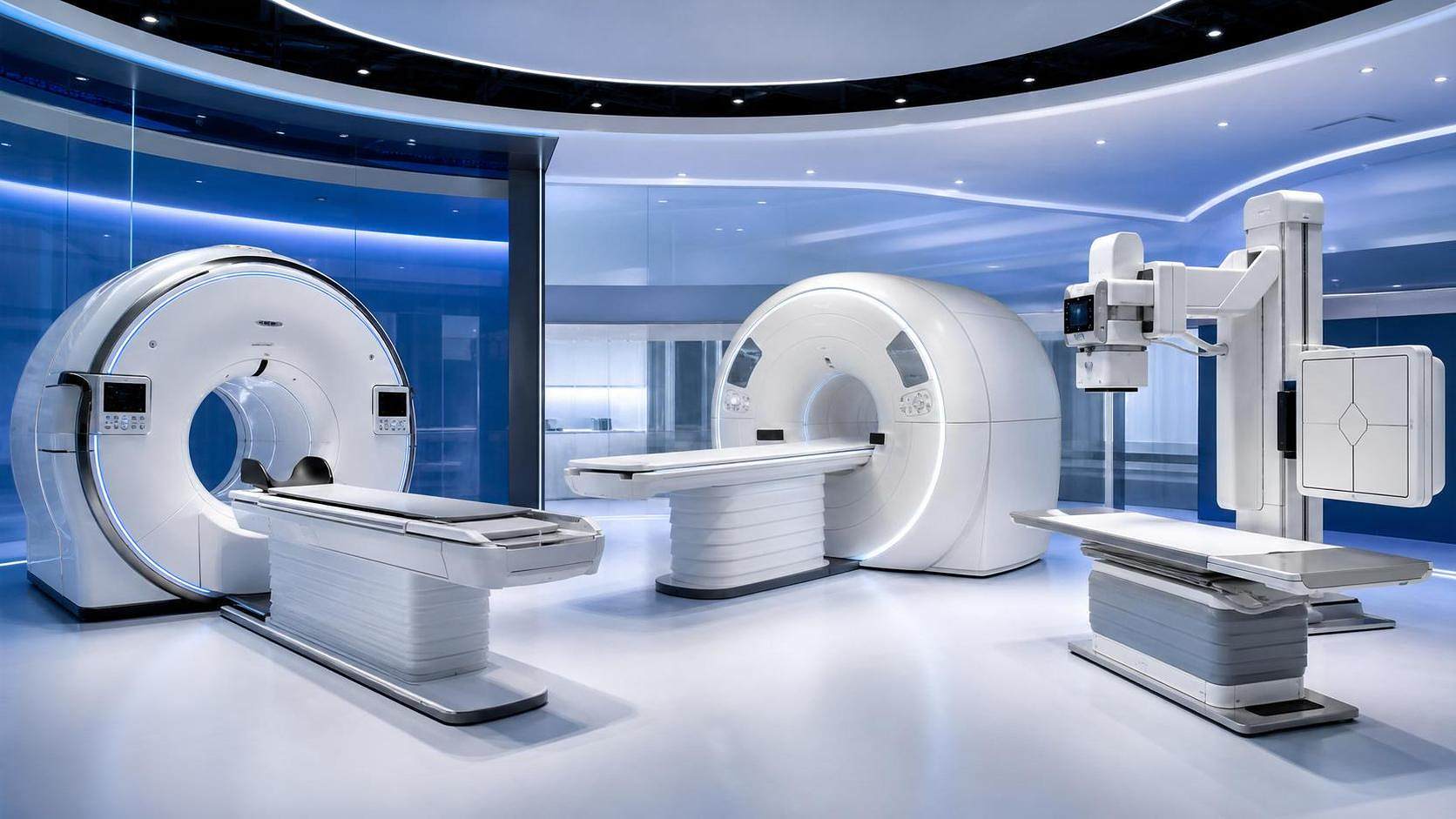




The 93rd CMEF closed in Shanghai on April 12, 2026, but the more relevant signal for the medical imaging industry is emerging from subsequent buyer-intent data: according to a white paper released by the organizer on June 16, overseas importers showed sharply higher interest in Photon-counting CT, Superconducting MRI, and AI-integrated Digital Radiography systems. For manufacturers, exporters, procurement teams, and after-sales providers, the notable issue is not only product demand, but also the apparent rise of technical and interoperability expectations tied to localized AI reconstruction and dual support for DICOM 3.0 and HL7, both of which can affect specification alignment, procurement review, delivery preparation, and cross-border compliance discussions.
What the buyer-intent data actually confirms
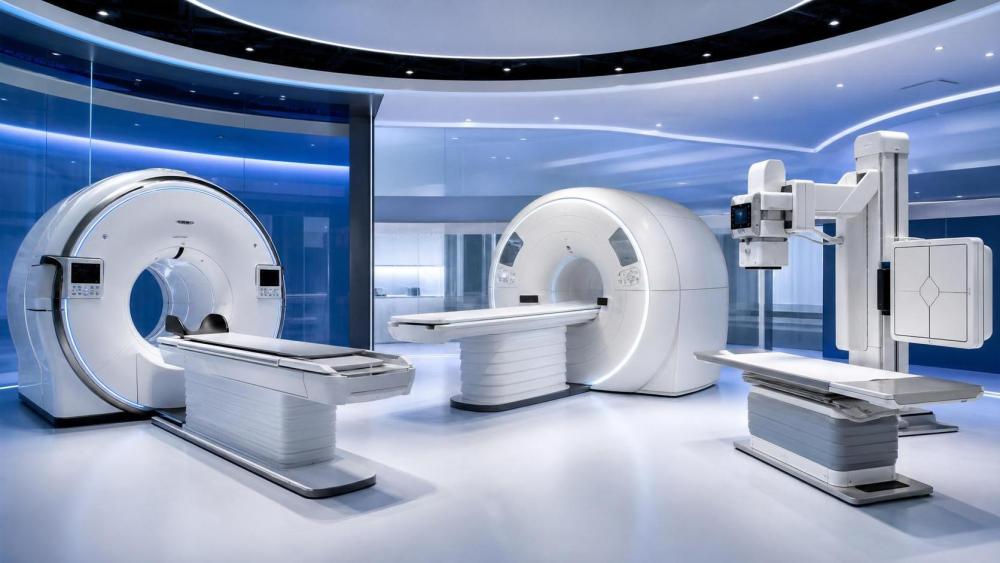
Confirmed information from the event is limited but clear. The 93rd CMEF concluded in Shanghai on April 12, 2026. The exhibition’s impact continued after the close, and on June 16 the organizer released the 2026 CMEF Overseas Buyer Procurement Intention White Paper. According to that document, importers from 37 countries, including Germany, Brazil, and Indonesia, recorded a year-on-year increase of 112% in procurement intention for Photon-counting CT, Superconducting MRI, and AI-integrated Digital Radiography systems. The same summary identifies “localized adaptation of AI reconstruction algorithms” and “dual-protocol support for DICOM 3.0 + HL7” as high-frequency technical requirements.
Why interoperability language now matters across the chain
For imaging equipment manufacturers and system integrators
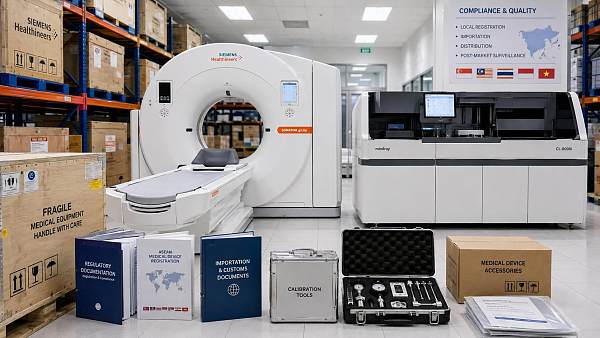
Analysis shows that the most immediate pressure falls on suppliers whose products are entering overseas technical review or bid comparison. When buyers repeatedly mention localized AI reconstruction adaptation and dual-protocol support, the impact is likely to appear first in product specifications, technical dossiers, software documentation, and interface validation materials. These companies should pay closer attention to whether existing product configurations, regulatory files, and delivery documents clearly describe software functions, system compatibility, and localization boundaries.
For exporters and channel-side procurement teams
From an industry perspective, this development may affect how export offers are prepared and how procurement requirements are screened before contract execution. If overseas buyers place more weight on interoperability and local AI usability, exporters and distributors may need tighter alignment between quotations, tender responses, and technical annexes. What deserves closer attention is whether product claims, supported standards, and implementation scope are described consistently across commercial documents and technical submissions, especially when multiple markets are involved.
For testing, certification, and service support participants
Observably, the demand signal also reaches parties involved in verification, installation, and post-delivery support. Even without new confirmed regulatory texts in the input, higher buyer attention to protocol support and localized AI behavior can translate into closer scrutiny of test evidence, software version records, acceptance materials, and post-sales issue handling. Service providers may therefore face greater expectations around traceability, configuration confirmation, and communication of supported workflows during delivery and maintenance.
Operational points companies should monitor next
Keep technical files aligned with procurement language
Analysis shows that companies active in the three highlighted imaging categories should review whether brochures, bid documents, user-facing technical descriptions, and interface statements use consistent wording around AI functions and DICOM 3.0 plus HL7 support. The current information does not confirm any new mandatory rule, so the practical task is not to assume a settled requirement, but to reduce the risk of mismatch between marketing language and contract-level documentation.
Watch how localization requests are defined in practice
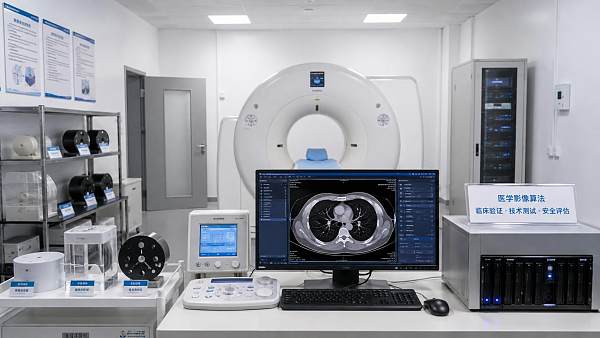
What deserves closer attention is the phrase “localized adaptation” of AI reconstruction algorithms. The input confirms that it is a frequent buyer requirement, but it does not define execution criteria, approval thresholds, or documentation standards. Companies should therefore monitor how future procurement documents, technical clarifications, or buyer-side review questions describe localization expectations before treating them as a finalized compliance benchmark.
Prepare for closer interface and delivery checks
From an execution perspective, dual support for DICOM 3.0 and HL7 can affect pre-delivery communication, system integration planning, and acceptance preparation. Exporters, project teams, and after-sales units should pay attention to whether interface capability descriptions, configuration records, and installation handover materials are complete enough for cross-border delivery scenarios. This is especially relevant where procurement decisions increasingly hinge on integration readiness rather than hardware specifications alone.
Track whether buyer intent turns into formal requirement language
Observably, the white paper reflects procurement intention rather than a published regulatory mandate in the input provided. That means companies should distinguish between a market signal and a binding rule. The practical implication is to watch whether future tender texts, certification expectations, buyer qualification checklists, or delivery acceptance standards begin to repeat the same technical conditions in more formal language.
A market signal, not yet a fully defined rulebook
Analysis shows that this development is better understood as an execution signal from the market than as proof of a newly enacted regulatory framework. The sharp rise in overseas interest, combined with repeated emphasis on localized AI adaptation and DICOM 3.0 plus HL7 support, suggests that buyers are moving procurement attention toward software capability, interoperability, and implementation fit. At the same time, the input does not provide detailed policy texts, regulatory notices, or certification instructions, so the industry still needs to observe how these expectations are translated into actual purchasing rules, review criteria, and delivery obligations.
How this update is best interpreted now
At this stage, the industry significance lies less in the exhibition closing itself and more in the procurement language emerging after the event. For companies in advanced imaging equipment, export trade, channel distribution, technical service, and compliance support, the key takeaway is to treat the reported buyer preferences as an early operational indicator. It is more appropriate to understand this update as a sign of tightening specification and interoperability expectations in overseas procurement, while reserving judgment on whether these preferences will become stable, formalized market-entry or delivery requirements.
Basis of this article and what still needs verification
This article is generated from the user-provided news title, event date, and event summary. For this type of development, relevant source categories typically include organizer releases, regulatory notices, trade and customs information, industry association updates, standards documentation, and reporting from authoritative media. No specific official source link was provided in the input, so the exact official link remains to be independently verified. Follow-up attention should remain on later policy details, certification interpretations, tender-document language, industry feedback, and how companies implement these technical expectations in procurement and delivery practice.
Recommended News
 Sep 15, 2026How to Evaluate Biomedical Signal Processing Suppliers for Clinical Device ProjectsBiomedical signal processing supplier evaluation guide for clinical device teams—compare signal fidelity, regulatory evidence, cybersecurity, integration, and lifecycle support.
 Sep 14, 2026How Integrated Clinical Diagnostics Solutions Reduce Turnaround Time Across Lab WorkflowsIntegrated clinical diagnostics solutions reduce lab turnaround time by connecting workflows, automation, and data. Discover practical strategies for faster, traceable results.
 Sep 13, 2026ECMO System Market Outlook: Demand Drivers, Investment Risks, and Growth OpportunitiesECMO system market outlook explores demand drivers, investment risks, regulatory factors, and growth opportunities shaping critical-care innovation and adoption.
 Sep 12, 2026Where to Find Reliable Medical Device Information for Research and Due DiligenceMedical device information resource guide for due diligence: verify regulatory, clinical, safety, and technical evidence to make confident decisions.
 Sep 11, 2026Medical Equipment Intelligence: A Resource for Comparing Clinical TechnologiesMedical equipment intelligence resource for comparing clinical technologies by clinical fit, compliance, workflow, and total cost—make confident, evidence-led decisions.
 Sep 10, 2026How to Integrate Application-Specific Medical Solutions Into Existing Clinical WorkflowsApplication-specific medical solutions integration: learn how to align clinical workflows, interoperability, safety, and measurable outcomes for reliable deployment.
 Sep 09, 2026Medical Supplier Evaluation Checklist: How to Verify Quality, Compliance, and Delivery RiskMedical supplier evaluation checklist for verifying quality, compliance, service capacity, configuration accuracy, and delivery risk before purchase approval.
 Sep 08, 2026Selecting IVD Instruments With Automatic Sample Loading: Key Workflow CriteriaIVD instruments automatic sample loading: evaluate workflow capacity, traceability, STAT handling, LIS integration, and exceptions for smarter lab selection.
 Sep 07, 2026How to Evaluate a Clinical Diagnostic Systems Supplier for Hospital ProcurementClinical diagnostic systems supplier evaluation guide for hospitals: compare clinical performance, compliance, uptime, interoperability, cybersecurity, and lifecycle value.
 Sep 07, 2026How to Choose Critical Care Equipment for Emergency Room ReadinessCritical care equipment emergency room planning: discover how to select reliable, interoperable devices that strengthen readiness, safety, and lifecycle value.
 Sep 05, 2026Ventilator Comparison for ICU and Transport Use: Which Features Matter Most?Ventilator comparison for ICU and transport use: discover the features that support safer ventilation, reliable monitoring, battery planning, and seamless patient transfers.
 Sep 14, 2026Is Photon-Counting CT Clinically Better Than Conventional CT for Exporters?Is photon-counting CT clinically better than conventional CT for exporters? Explore clinical use cases, compliance, ROI, and market-ready sales strategy.
 Sep 14, 2026Do You Need a Local Distributor to Register Medical Devices in Southeast Asia?Do I need a local distributor to register devices in Southeast Asia? Learn how to separate regulatory ownership, import rights, and distribution for smoother market access.
 Sep 13, 2026How Should an MDR Clinical Performance Study Be Designed for IVD Products?How to design a clinical performance study for IVD products MDR: explore claim-driven endpoints, representative specimens, bias control, and audit-ready evidence.
 Sep 13, 2026What Validation Is Required for Medical Imaging Algorithms Under the MDR?What validation is required for medical imaging analysis algorithms MDR? Explore technical, clinical, risk, dataset, and post-market evidence requirements.
 Sep 12, 2026How Are AI Imaging False Positives Handled in Regulatory Review?How are AI imaging false positives handled under regulatory review? Explore FDA and EU MDR expectations for risk control, clinical validation, labeling, and post-market monitoring.
 Sep 12, 2026What After-Sales Technical Support Is Expected for Life-Support Exports?What after-sales technical support is expected for life support exports? Explore essential service, training, spare-parts, cybersecurity, and compliance requirements.
 Sep 11, 2026What Are the Trade-Offs Between Hematology Analyzer Technologies?What are the trade-offs between different hematology analyzer technologies? Compare impedance, optical, and fluorescence systems for accuracy, workflow, and cost.
 Sep 11, 2026Can One Registration Strategy Cover Imaging Devices in the EU and ASEAN?Can one registration strategy cover both EU and ASEAN for imaging devices? Discover how to build a core dossier, manage local approvals, and accelerate compliant market entry.
 Sep 10, 2026Where Can You Source Compliant Parts for Diagnostic Imaging Equipment?Where to source compliant parts for diagnostic imaging equipment: discover trusted OEM, approved distributor, and qualified supplier options for safer, traceable procurement.
 Sep 10, 2026What Pre-Market Testing Is Mandatory for Ventilator CE Marking?What pre-market testing is mandatory for ventilator system CE marking? Explore MDR requirements for performance, safety, EMC, alarms, software, usability, and clinical evidence.
 Sep 09, 2026Advanced Clinical Diagnostics in Oncology: Tests, Uses, and Selection CriteriaAdvanced clinical diagnostics oncology: explore test selection, imaging, molecular profiling, liquid biopsy, and practical criteria for confident cancer care decisions.
 Sep 09, 2026ECMO System Market Outlook: How Hospitals Assess Capacity and Investment NeedsECMO system market outlook: discover how hospitals evaluate capacity, staffing, supply resilience, compliance, and investment needs for sustainable ECMO programs.
 Sep 08, 2026ICU Ventilator Comparison: Which Features Matter for Patient Acuity Levels?Ventilator comparison for ICUs: discover which ventilation modes, alarms, monitoring, and workflow features best match patient acuity and improve critical-care decisions.















Related News
- 00
0000-00
Lead Glass Applications in Imaging Rooms: A Practical Buyer Guide - 00
0000-00
Medical Imaging Diagnostics Systems: Core Modalities, Use Cases, and Trade-Offs - 00
0000-00
AI in Medical Imaging Radiology: Where It Improves Reading Speed and Where It Falls Short - 00
0000-00
Saudi SFDA Opens 18-Day Fast Track for DR Devices - 00
0000-00
SFDA Fast-Track Cuts DR Device Approval to 22 Days
Weekly Insights
Stay ahead with our curated technology reports delivered every Monday.