
What slows diagnostic algorithm development in practice
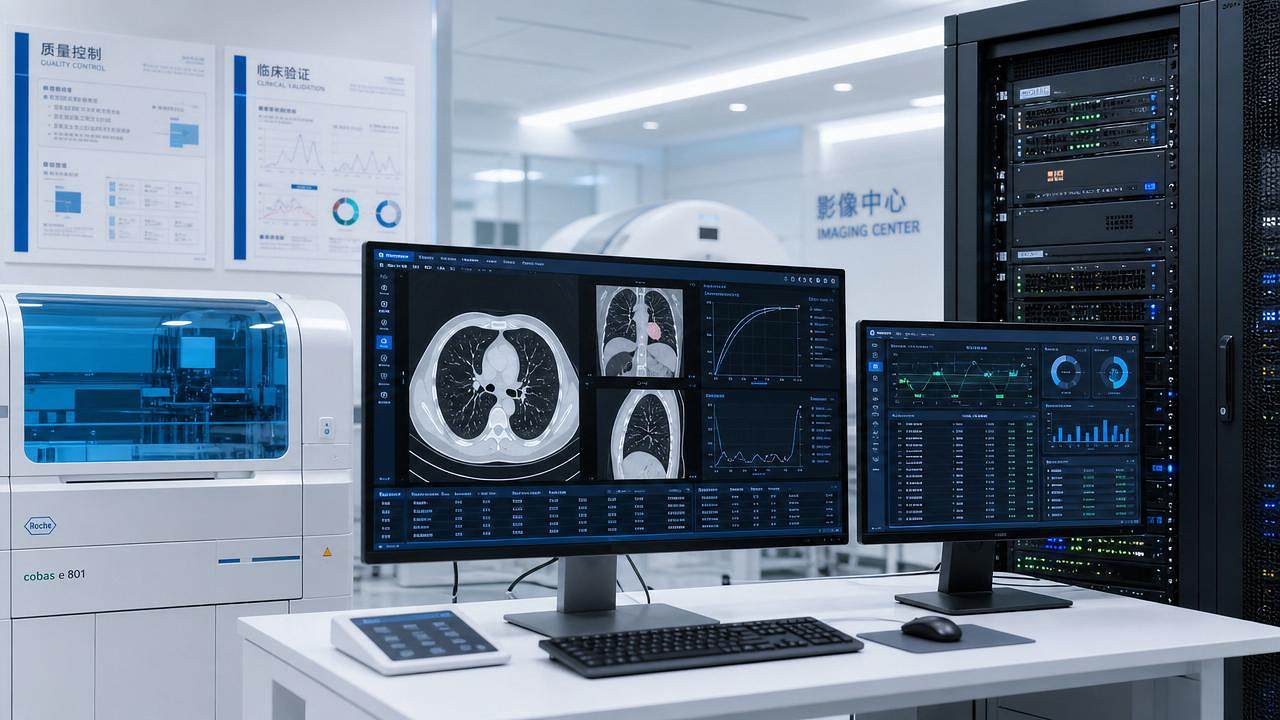




In practice, diagnostic algorithm development moves slowly for reasons far beyond model architecture. Performance in a lab rarely guarantees performance in a hospital.
Real progress depends on data quality, regulatory readiness, clinical validation, workflow integration, and post-deployment monitoring. These factors shape whether diagnostic algorithm development becomes reliable, compliant, and scalable.
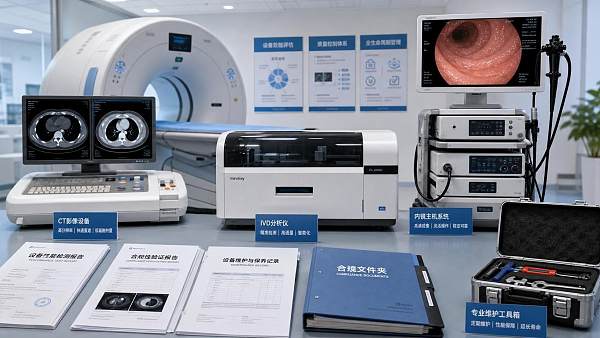
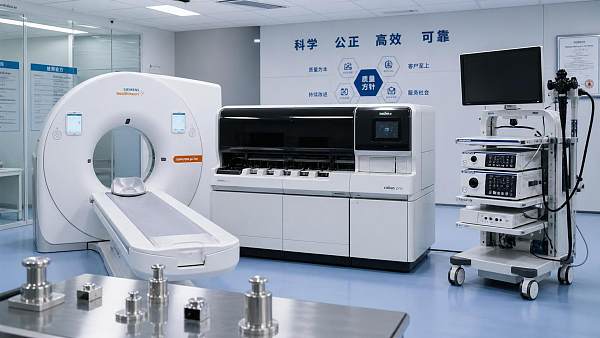
Across medical imaging, IVD, life support systems, and minimally invasive platforms, the same pattern appears. Technical promise is abundant, but operational readiness is harder to achieve.
What diagnostic algorithm development means in real clinical systems
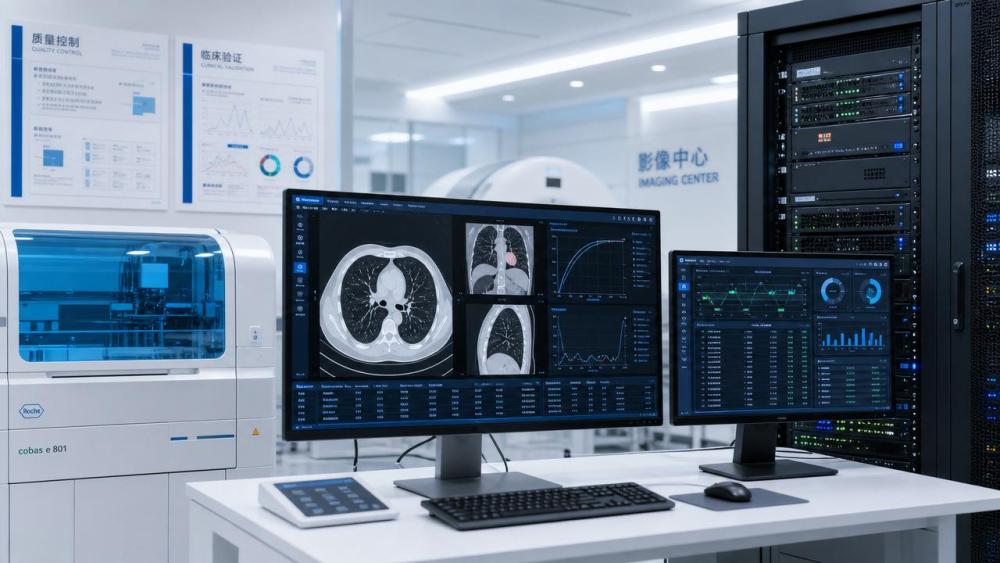
Diagnostic algorithm development refers to designing, training, validating, and maintaining software that supports clinical detection, classification, triage, or measurement.
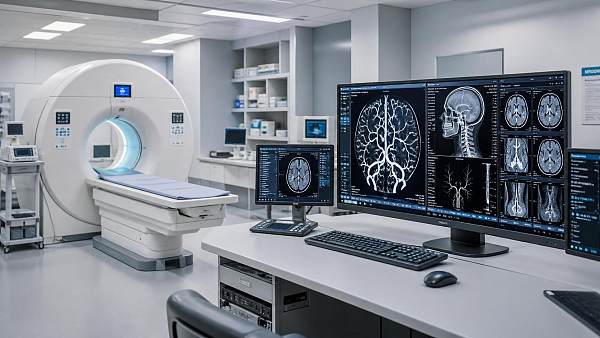
In medical imaging, it may detect lung nodules, stroke signs, or cardiac abnormalities. In IVD, it may interpret signal patterns, quality flags, or biomarker combinations.
The process is multidisciplinary. It combines data engineering, algorithm science, clinical knowledge, software quality systems, and medical compliance.
This is why diagnostic algorithm development often progresses unevenly. The code can advance quickly, while evidence generation and integration take much longer.
Current industry signals slowing practical deployment
Across healthcare technology, several recurring signals explain why diagnostic algorithm development remains slower than many roadmaps suggest.
- Data are distributed across sites, devices, and formats.
- Labels are expensive and often inconsistent.
- Clinical evidence requirements are becoming stricter.
- Regulatory review increasingly examines lifecycle controls.
- Hospitals demand interoperability with existing systems.
- Economic value must be proven, not assumed.
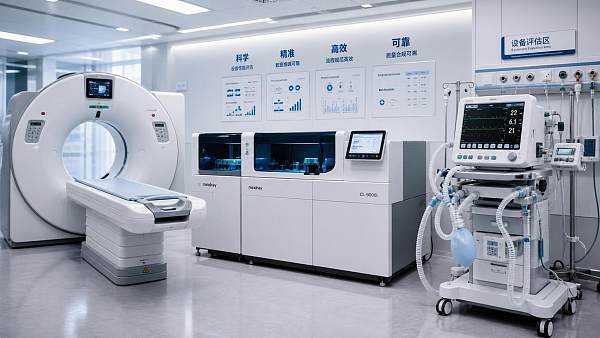
These pressures affect advanced imaging equipment, molecular diagnostics, ICU systems, and endoscope platforms alike. The challenge is not only building intelligence, but making it dependable.
Key bottlenecks at a glance
Why data problems dominate diagnostic algorithm development
Data are usually the largest obstacle in diagnostic algorithm development. Clinical datasets are messy, incomplete, sensitive, and shaped by site-specific practice.
In imaging, scanner vendors, acquisition settings, reconstruction methods, and patient populations vary widely. In IVD, reagent lots, instrument calibration, and sample handling also matter.
Even when data volume looks large, useful data may be limited. Exclusions, poor annotations, and missing metadata can sharply reduce training value.
Common data constraints
- Patient privacy rules restrict sharing and reuse.
- Rare conditions create severe class imbalance.
- Reference standards may evolve over time.
- Retrospective data may not reflect future workflows.
- Annotation quality often depends on expert availability.
As a result, diagnostic algorithm development often spends more time on curation, harmonization, and governance than on actual training runs.
Clinical validation and evidence thresholds
Strong validation is essential because diagnostic outputs can influence treatment timing, resource allocation, and patient safety. A promising AUC alone is not enough.
Clinical evidence must show performance across settings, users, and populations. That usually requires multi-site testing, subgroup analysis, and comparison with routine care.
For diagnostic algorithm development, this means longer timelines. Prospective studies, reader studies, and workflow trials require coordination and disciplined protocol control.
What evaluators look for
- Defined intended use and clear clinical claims
- Representative patient cohorts and device diversity
- Robust sensitivity, specificity, and calibration evidence
- Failure mode analysis and human oversight rules
- Evidence of benefit within real workflows
Regulatory and quality system demands
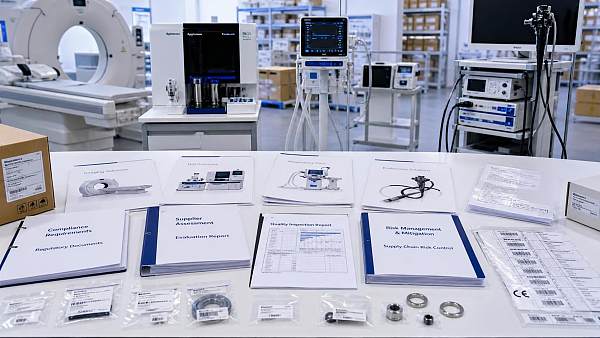
Regulatory obligations slow diagnostic algorithm development because medical software must be traceable, controlled, and auditable across its full lifecycle.
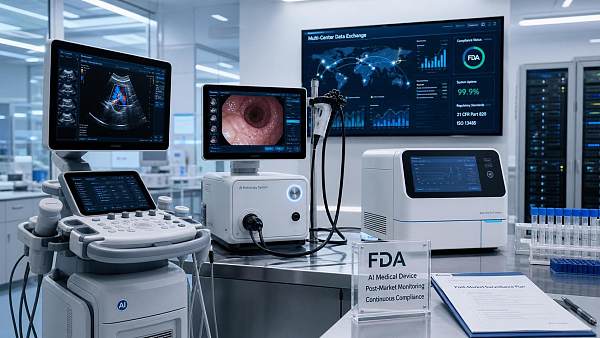
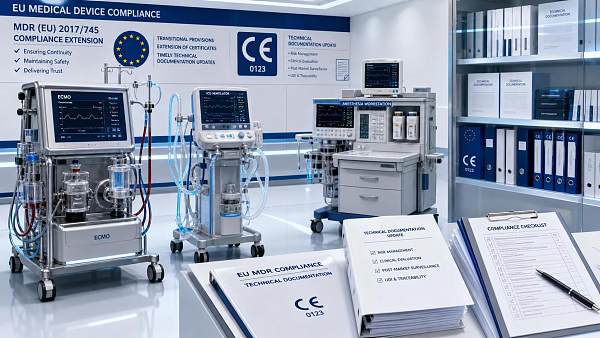
Under frameworks such as FDA expectations and CE MDR requirements, teams must manage risk, versioning, verification, validation, and change control carefully.
This is especially important when algorithms are embedded in imaging systems, IVD analyzers, or surgical visualization tools. Hardware and software evidence must align.
A technically impressive model can stall if documentation is weak. Regulatory readiness is not a finishing step. It must begin early.
Integration challenges across clinical workflows
Another major reason diagnostic algorithm development slows is poor fit with real-world operations. Clinical environments are fast, interconnected, and resistant to extra complexity.
In radiology, the algorithm may need seamless exchange with PACS, RIS, and reporting tools. In IVD, it may need alignment with LIS, middleware, and quality control systems.
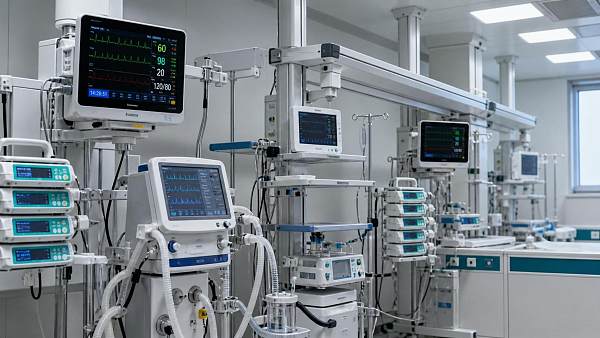
For ICU or operating room equipment, latency, alarm logic, and user interface clarity become critical. An accurate output that arrives too late can lose practical value.
Typical workflow friction points
Business value and strategic importance
Although diagnostic algorithm development is slow, its value remains substantial when deployed correctly. It can improve consistency, accelerate triage, and strengthen precision medicine pathways.
For advanced medtech platforms, better algorithms can support earlier tumor detection, faster infectious disease interpretation, and smarter assistance during minimally invasive procedures.
The commercial significance is also clear. Decision-makers increasingly expect measurable ROI, audit readiness, and evidence that digital features improve operational outcomes.
That is why disciplined diagnostic algorithm development matters. It links technical innovation with market access, adoption, and durable trust.
Representative application paths by equipment type
- Medical imaging: lesion detection, segmentation, reconstruction support, and urgent case prioritization.
- IVD instruments: assay interpretation, quality flagging, multi-marker pattern recognition, and anomaly detection.
- Life support systems: predictive alerts, waveform interpretation, and decision support for instability trends.
- Operating room equipment: image-guided positioning, workflow assistance, and surgical environment optimization.
- Endoscope systems: polyp detection, visualization enhancement, anti-fog support logic, and real-time navigation cues.
Each path has different evidence, latency, safety, and interface requirements. This diversity further slows diagnostic algorithm development across product portfolios.
Practical recommendations for faster, safer progress
A few practical measures can reduce delays in diagnostic algorithm development without sacrificing compliance or clinical reliability.
- Define intended use early and keep claims narrow.
- Build data governance and labeling standards before scaling.
- Use multi-site datasets to test generalization early.
- Align algorithm teams with quality and regulatory teams from the start.
- Validate within target workflows, not only retrospective datasets.
- Plan post-market monitoring for drift, failures, and updates.
These steps help convert isolated model success into credible system performance. They also support smoother review, better interoperability, and stronger lifecycle control.
Next-step perspective for evaluating diagnostic algorithm development
When assessing diagnostic algorithm development, the key question is not whether a model looks advanced. The real question is whether it can survive clinical reality.
Useful evaluation should examine data lineage, validation scope, workflow fit, compliance maturity, and long-term maintainability together.
Within modern medtech, especially imaging, IVD, life support, and endoscopy, durable value comes from stitched intelligence rather than isolated accuracy claims.
A disciplined review framework can clarify where diagnostic algorithm development is truly ready for scale, and where hidden bottlenecks still need resolution.
Recommended News
 Aug 28, 2026Planning Operating Room Technology for a High-Throughput Surgery CenterOperating room technology for a surgery center: plan workflows, integration, uptime, and safety to boost throughput and create future-ready surgical rooms.
 Aug 27, 2026Building Medical Compliance Analytics for Middle East Market AccessMedical compliance analytics Middle East: build device-specific evidence maps, align local requirements, and accelerate market access with confidence.
 Aug 26, 2026How Surgical Equipment Digitalization Is Reshaping Hospital Investment in Latin AmericaSurgical equipment digitalization Latin America is reshaping hospital investment, from smart ORs to ROI-driven upgrades. Explore what buyers now value most.
 Aug 25, 2026How to Evaluate a Medical Compliance Intelligence Provider for Global Market AccessMedical compliance intelligence provider selection can make or break global market access. Learn how to assess technical depth, update quality, and commercial fit before choosing.
 Aug 24, 2026How Advanced Clinical Imaging Is Improving Cardiology Diagnosis and Treatment PlanningAdvanced clinical imaging cardiology is transforming diagnosis and treatment planning with clearer anatomy, tissue insight, and procedural guidance. Discover how it reduces uncertainty and supports smarter cardiac decisions.
 Aug 23, 2026How to Source Medical Devices in North America: Supplier Vetting and Market Access RisksMedical device sourcing North America made practical: learn how to vet suppliers, reduce compliance risks, and protect market access with smarter procurement decisions.
 Aug 22, 2026What Are Integrated Critical Care Systems and How Do Hospitals Evaluate Them?Critical care systems integrated: learn how hospitals assess ICU platforms for interoperability, alarm safety, workflow efficiency, and long-term value before buying.
 Aug 21, 2026How to Evaluate High-Resolution Diagnostic Imaging Systems for Detail-Critical ExamsDiagnostic imaging systems high resolution: learn how to compare detail-critical performance, workflow fit, dose efficiency, and ROI to choose the right system with confidence.
 Aug 20, 2026How to Evaluate Medical Equipment Performance Before Purchase?Medical equipment evaluation performance starts before purchase. Learn how to assess safety, workflow fit, compliance, uptime, and total cost to choose devices that truly perform.
 Aug 19, 2026How to Evaluate Small-Footprint Laboratory Diagnostic Equipment for Space-Limited LabsLaboratory diagnostic equipment small footprint choices require more than size checks. Learn how to assess workflow, throughput, compliance, and service access for smarter lab buying.
 Aug 18, 2026Biochemical Molecular Diagnostics Explained: Methods, Clinical Uses, and Lab Selection CriteriaBiochemical molecular diagnostics explained: compare key methods, clinical applications, and lab selection criteria to choose reliable, compliant testing with confidence.
 Aug 17, 2026How to Choose Diagnostic Equipment Solutions for a Clinic: Key Factors That Affect Workflow and CostDiagnostic equipment solutions clinic buyers can use to improve workflow, control total cost, and avoid hidden service risks. Learn the key factors before you invest.
 Aug 16, 2026How to Choose a Blood Cell Analyzer for a Small Lab: Throughput, CBC Menu, and CostBlood cell analyzers small lab buyers can compare throughput, CBC menu, and total operating cost with confidence. Learn how to avoid waste, reduce downtime, and choose the right fit.
 Aug 16, 2026FDA Approval of AMDS Hybrid Prosthesis Removes IRB Step for Faster U.S. AccessFDA approval of AMDS Hybrid Prosthesis removes the IRB step, speeding U.S. access for acute aortic dissection care and reshaping hospital procurement and supporting equipment demand.
 Aug 15, 2026What Hospital Technology Infrastructure Is Needed for Reliable Interoperability?Hospital technology infrastructure interoperability depends on secure networks, integration engines, identity services, and governance. Discover what hospitals need for reliable, scalable connectivity.
 Aug 14, 2026What to Look for in an Advanced Diagnostic Systems Distributor Before You BuyAdvanced diagnostic systems distributor: learn what to check before buying, from compliance and technical depth to delivery reliability and after-sales support. Make a smarter procurement decision today.
 Aug 14, 2026China Temporarily Bans Helium ExportsChina Temporarily Bans Helium Exports: learn how the July 10, 2026 rule may disrupt MRI, ECMO, and anesthesia device supply chains, compliance, and delivery planning for global buyers.
 Aug 13, 2026How CT Reconstruction Technology Impacts Image Quality, Dose, and WorkflowMedical imaging reconstruction technology CT shapes image quality, dose, and workflow. Learn how smarter CT reconstruction improves diagnostics and efficiency.
 Aug 13, 2026FDA clears AMDS PMA, easing U.S. hospital accessFDA clears AMDS PMA, easing U.S. hospital access for Artivion’s aortic arch device and speeding procurement, compliance, and deployment.
 Aug 12, 2026Hospital Diagnostic Equipment Comparison: What Buyers Should Evaluate Beyond PriceDiagnostic equipment comparison hospital buyers can trust: learn how to evaluate clinical performance, uptime, compliance, integration, and long-term ROI beyond price.
 Aug 12, 2026FDA Draft Guidance Reshapes AI Device ComplianceFDA Draft Guidance reshapes AI device compliance with new postmarket monitoring expectations for AI/ML-enabled SaMD. Learn what it means for U.S. market access, distributors, and exporters.
 Aug 11, 2026How to Evaluate a Diagnostic Medical Systems Manufacturer for Quality and Market AccessDiagnostic medical systems manufacturer selection starts with more than specs. Learn how to assess quality systems, regulatory readiness, service uptime, and market access before you buy.
 Aug 11, 2026EU MDR Deadline Extended for ECMO and ICU DevicesEU MDR deadline extended for ECMO and ICU devices to 2027. Learn what Regulation (EU) 2026/1347 means for compliance, exports, procurement, and roadmap filing.
 Aug 10, 2026How to Evaluate Laboratory Automation Systems in Europe for Multi-Site Lab OperationsLaboratory automation systems Europe buyers can use this guide to compare interoperability, compliance, service coverage, and ROI for multi-site lab operations with confidence.





Related News
- 00
0000-00
Biochemical Molecular Diagnostics Explained: Methods, Clinical Uses, and Lab Selection Criteria - 00
0000-00
What to Look for in an Advanced Diagnostic Systems Distributor Before You Buy - 00
0000-00
FDA Tightens AI Validation Rules for IVD Devices - 00
0000-00
FDA Tightens Clinical Evidence Bar for PCR and NGS IVDs - 00
0000-00
FDA Sets 60-Day Data Rule for PCR Exports
Weekly Insights
Stay ahead with our curated technology reports delivered every Monday.