
EU Extends IVDR Transition to End-2028





On June 12, 2026, the European Commission formally approved an extension of the IVDR transition period, allowing certain PCR testing reagents and molecular diagnostics equipment to continue pursuing CE certification under the IVDD route until December 31, 2028. For IVD exporters, especially companies serving the EU market with Class A/B PCR products and related molecular diagnostics systems, this is a development worth close attention because it directly affects registration timing, delivery planning, and how manufacturers align certification work with production capacity.

What the approved extension covers
According to the information provided, the decision approved on June 12, 2026 extends the transition period under the In Vitro Diagnostic Medical Devices Regulation. Under this arrangement, Class A/B PCR testing reagents and molecular diagnostics equipment, including automated nucleic acid extraction instruments and digital PCR systems, may continue to apply for CE certificates through the IVDD pathway.
The validity of this transition window runs through December 31, 2028. The policy is described as providing a key buffer period for Chinese IVD export companies and easing the registration backlog and production-capacity mismatch that would have resulted from the previously scheduled full switch to IVDR on May 26, 2026.
Where the practical impact is likely to appear
Export-facing manufacturers gain more room in certification planning
From an industry perspective, manufacturers that export PCR reagents and molecular diagnostics equipment to the EU are likely to feel the most immediate effect. The impact is concentrated in regulatory planning, certificate application sequencing, and shipment coordination, because the extended IVDD route changes the near-term compliance timetable for eligible product categories.
Production and operations teams may see pressure shift rather than disappear
Analysis shows the extension matters not only to regulatory departments but also to manufacturing and operations teams. The information provided points to relief from registration congestion and capacity mismatch, which suggests that production scheduling, release planning, and cross-functional coordination may become more manageable in the short term. What deserves closer attention is whether companies use this window to stabilize execution rather than simply postpone difficult compliance work.
Supply-chain and channel partners need clearer document timing
For supply-chain service providers, distributors, and channel partners, the change is likely to affect document preparation, order timing, and customer communication. The practical issue is not only whether products remain eligible under the IVDD route, but also how certificate status, delivery expectations, and commercial commitments are explained across ongoing and new EU-facing business.
What companies should watch now
Track how the policy is described in official follow-up communication
Analysis shows that the headline extension and the operational meaning of the extension are not always the same thing. Companies should closely follow any official wording that clarifies scope, applicability, and implementation details for the relevant product categories, especially where certification timing affects active export programs.
Confirm whether priority product lines fall within the stated categories
What deserves closer attention is product mapping. The information provided explicitly mentions Class A/B PCR testing reagents and molecular diagnostics equipment, including automated nucleic acid extraction instruments and digital PCR systems. Companies should therefore review whether their key export SKUs, application files, and supporting materials align with the categories covered by the approved extension.
Separate policy relief from execution readiness
Observably, the extension creates more time, but it does not automatically resolve document readiness, supplier qualification, certification workflow, or customer-side expectations. Businesses involved in procurement, manufacturing, and export fulfillment should check whether their internal timelines, technical files, and communication plans still match actual delivery commitments.
Prepare for customer and partner communication cycles
For commercial teams and service partners, one immediate task is expectation management. Where customers, distributors, or procurement counterparts had been preparing for a full IVDR switch, the extension may change how ongoing orders, future tenders, and certification discussions are framed. The operational focus should remain on document consistency, lead-time communication, and contingency planning.
Why this looks like a buffer, not a final endpoint
This section is an editorial observation. It is more appropriate to understand this development as a near- to medium-term buffer rather than a complete resolution of the broader compliance transition. The confirmed fact is that the transition period has been extended and that certain product groups may continue using the IVDD pathway until the end of 2028. The analytical point is that companies still need to distinguish between temporary timing relief and long-term regulatory positioning.
Observably, the industry should continue watching how this extension is implemented in practice across certification, order execution, and customer communication. The policy changes the immediate pressure profile, but it does not remove the need for disciplined regulatory and operational planning.
How this update is best understood at this stage
At this stage, the development is best read as a material timing adjustment for affected IVD exporters rather than a broad reset of all regulatory challenges. It provides breathing room for eligible PCR reagents and molecular diagnostics equipment, while also giving manufacturers and partners time to address registration queues and production alignment more rationally. A neutral reading is that the extension matters now, but its full business effect still depends on how companies translate the policy window into workable certification and delivery plans.
Basis of this article
This article is based on the user-provided news title, event date, and event summary. For developments of this kind, typical source types may include official announcements, company statements, industry association updates, authoritative media coverage, and standards-related documentation. No specific official source link was provided in the input, so the precise official publication path still requires ongoing verification. The main follow-up points to watch are any further official clarification on implementation scope and any practical changes affecting certification, documentation, and export execution.
Recommended News
 Sep 17, 2026ISO 13485 for Medical Imaging Equipment: What Manufacturers Must DocumentMedical imaging equipment ISO 13485: discover essential documentation for design controls, risk management, traceability, software, and post-market quality.
 Sep 16, 2026Robotic MIS Equipment: What Hospitals Should Evaluate Before AdoptionMinimally invasive surgical equipment robotic adoption guide: evaluate workflow, safety, imaging, costs, cybersecurity, and service readiness.
 Sep 15, 2026How to Evaluate Biomedical Signal Processing Suppliers for Clinical Device ProjectsBiomedical signal processing supplier evaluation guide for clinical device teams—compare signal fidelity, regulatory evidence, cybersecurity, integration, and lifecycle support.
 Sep 14, 2026How Integrated Clinical Diagnostics Solutions Reduce Turnaround Time Across Lab WorkflowsIntegrated clinical diagnostics solutions reduce lab turnaround time by connecting workflows, automation, and data. Discover practical strategies for faster, traceable results.
 Sep 13, 2026ECMO System Market Outlook: Demand Drivers, Investment Risks, and Growth OpportunitiesECMO system market outlook explores demand drivers, investment risks, regulatory factors, and growth opportunities shaping critical-care innovation and adoption.
 Sep 12, 2026Where to Find Reliable Medical Device Information for Research and Due DiligenceMedical device information resource guide for due diligence: verify regulatory, clinical, safety, and technical evidence to make confident decisions.
 Sep 11, 2026Medical Equipment Intelligence: A Resource for Comparing Clinical TechnologiesMedical equipment intelligence resource for comparing clinical technologies by clinical fit, compliance, workflow, and total cost—make confident, evidence-led decisions.
 Sep 10, 2026How to Integrate Application-Specific Medical Solutions Into Existing Clinical WorkflowsApplication-specific medical solutions integration: learn how to align clinical workflows, interoperability, safety, and measurable outcomes for reliable deployment.
 Sep 09, 2026Medical Supplier Evaluation Checklist: How to Verify Quality, Compliance, and Delivery RiskMedical supplier evaluation checklist for verifying quality, compliance, service capacity, configuration accuracy, and delivery risk before purchase approval.
 Sep 08, 2026Selecting IVD Instruments With Automatic Sample Loading: Key Workflow CriteriaIVD instruments automatic sample loading: evaluate workflow capacity, traceability, STAT handling, LIS integration, and exceptions for smarter lab selection.
 Sep 07, 2026How to Evaluate a Clinical Diagnostic Systems Supplier for Hospital ProcurementClinical diagnostic systems supplier evaluation guide for hospitals: compare clinical performance, compliance, uptime, interoperability, cybersecurity, and lifecycle value.
 Sep 07, 2026How to Choose Critical Care Equipment for Emergency Room ReadinessCritical care equipment emergency room planning: discover how to select reliable, interoperable devices that strengthen readiness, safety, and lifecycle value.
 Sep 05, 2026Ventilator Comparison for ICU and Transport Use: Which Features Matter Most?Ventilator comparison for ICU and transport use: discover the features that support safer ventilation, reliable monitoring, battery planning, and seamless patient transfers.
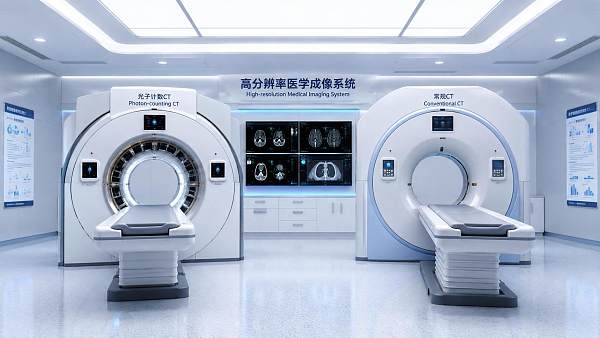
 Sep 14, 2026Is Photon-Counting CT Clinically Better Than Conventional CT for Exporters?Is photon-counting CT clinically better than conventional CT for exporters? Explore clinical use cases, compliance, ROI, and market-ready sales strategy.
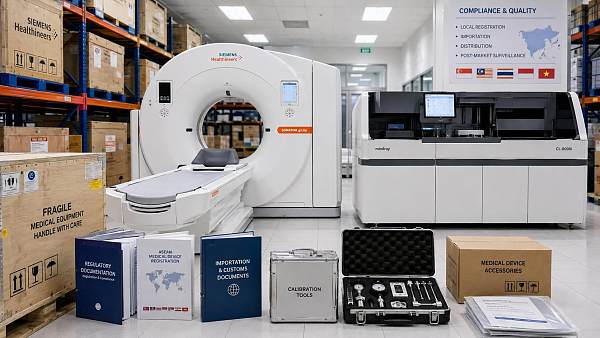
 Sep 14, 2026Do You Need a Local Distributor to Register Medical Devices in Southeast Asia?Do I need a local distributor to register devices in Southeast Asia? Learn how to separate regulatory ownership, import rights, and distribution for smoother market access.
 Sep 13, 2026How Should an MDR Clinical Performance Study Be Designed for IVD Products?How to design a clinical performance study for IVD products MDR: explore claim-driven endpoints, representative specimens, bias control, and audit-ready evidence.
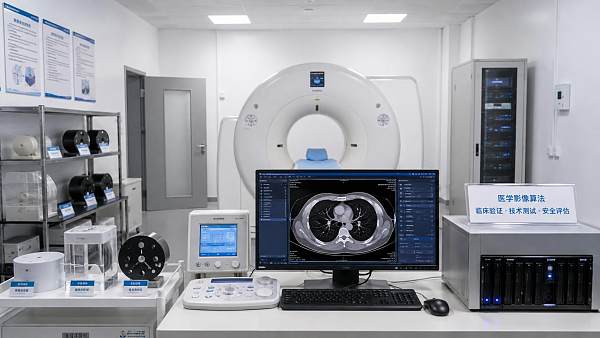
 Sep 13, 2026What Validation Is Required for Medical Imaging Algorithms Under the MDR?What validation is required for medical imaging analysis algorithms MDR? Explore technical, clinical, risk, dataset, and post-market evidence requirements.
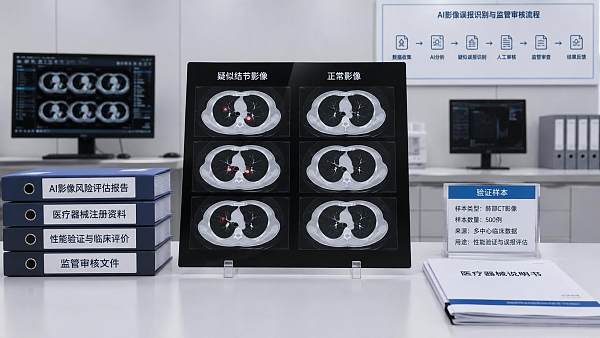
 Sep 12, 2026How Are AI Imaging False Positives Handled in Regulatory Review?How are AI imaging false positives handled under regulatory review? Explore FDA and EU MDR expectations for risk control, clinical validation, labeling, and post-market monitoring.
 Sep 12, 2026What After-Sales Technical Support Is Expected for Life-Support Exports?What after-sales technical support is expected for life support exports? Explore essential service, training, spare-parts, cybersecurity, and compliance requirements.
 Sep 11, 2026What Are the Trade-Offs Between Hematology Analyzer Technologies?What are the trade-offs between different hematology analyzer technologies? Compare impedance, optical, and fluorescence systems for accuracy, workflow, and cost.
 Sep 11, 2026Can One Registration Strategy Cover Imaging Devices in the EU and ASEAN?Can one registration strategy cover both EU and ASEAN for imaging devices? Discover how to build a core dossier, manage local approvals, and accelerate compliant market entry.
 Sep 10, 2026Where Can You Source Compliant Parts for Diagnostic Imaging Equipment?Where to source compliant parts for diagnostic imaging equipment: discover trusted OEM, approved distributor, and qualified supplier options for safer, traceable procurement.
 Sep 10, 2026What Pre-Market Testing Is Mandatory for Ventilator CE Marking?What pre-market testing is mandatory for ventilator system CE marking? Explore MDR requirements for performance, safety, EMC, alarms, software, usability, and clinical evidence.
 Sep 09, 2026Advanced Clinical Diagnostics in Oncology: Tests, Uses, and Selection CriteriaAdvanced clinical diagnostics oncology: explore test selection, imaging, molecular profiling, liquid biopsy, and practical criteria for confident cancer care decisions.















Related News
- 00
0000-00
How Should an MDR Clinical Performance Study Be Designed for IVD Products? - 00
0000-00
Advanced Clinical Diagnostics in Oncology: Tests, Uses, and Selection Criteria - 00
0000-00
How Precision Diagnostics Technology Is Reshaping Pathology Workflows - 00
0000-00
Biochemical Molecular Diagnostics Explained: Methods, Clinical Uses, and Lab Selection Criteria - 00
0000-00
What to Look for in an Advanced Diagnostic Systems Distributor Before You Buy
Weekly Insights
Stay ahead with our curated technology reports delivered every Monday.