
ISMRM 2026 Cape Town Highlights MRI Innovation for Low-Resource Settings
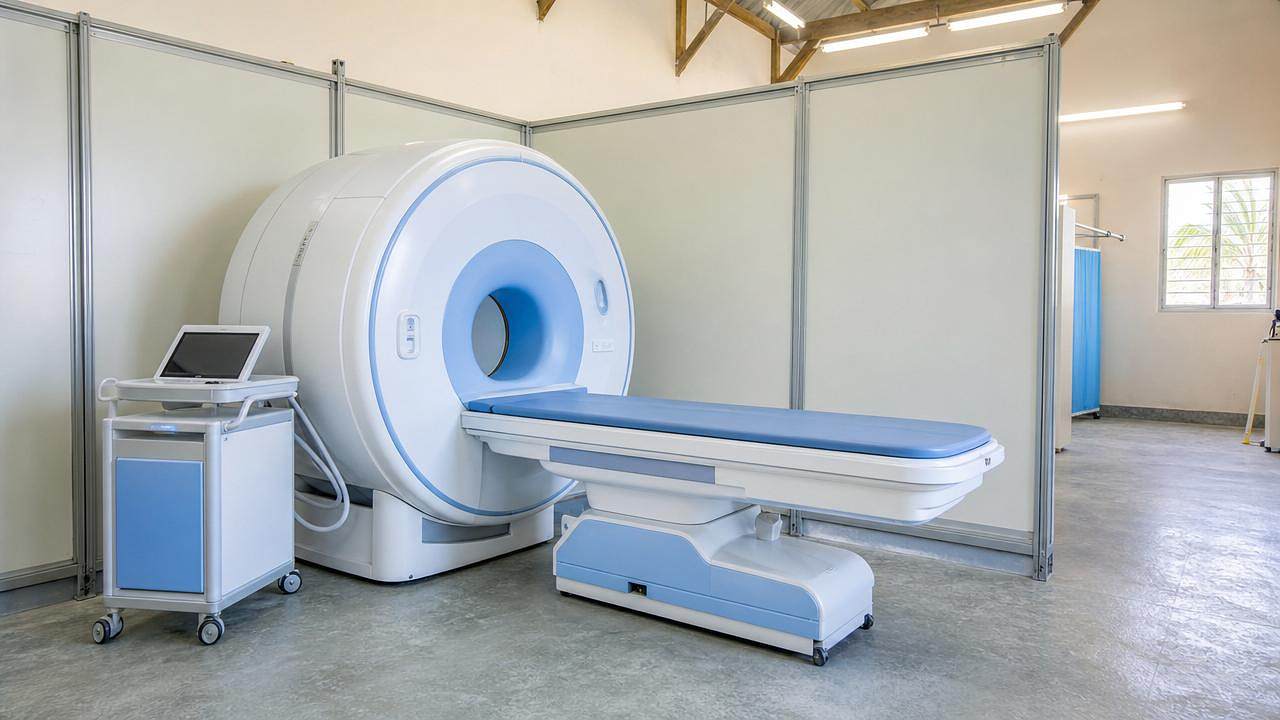




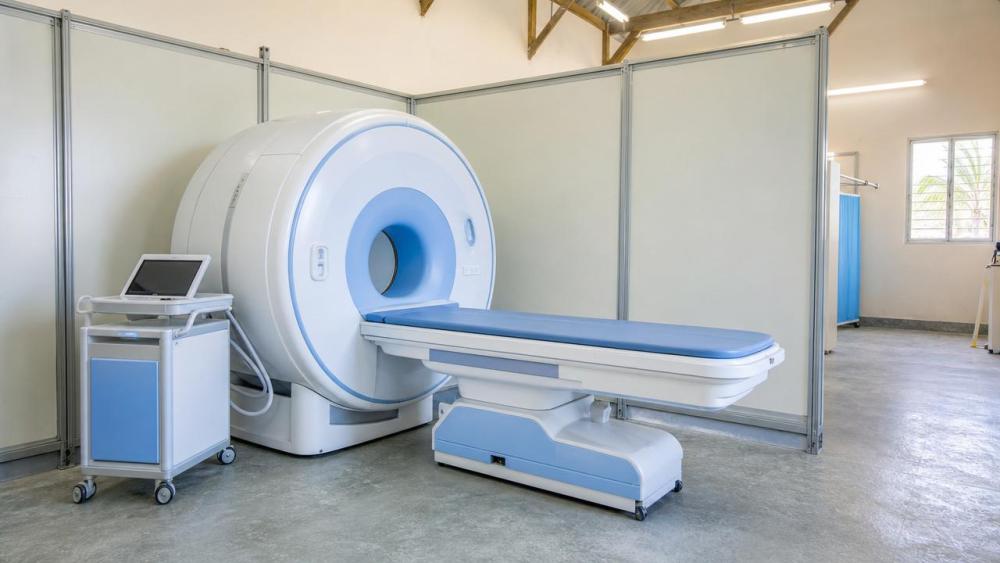
On May 18, 2026, the International Society for Magnetic Resonance in Medicine (ISMRM) annual meeting concluded in Cape Town, South Africa. The event spotlighted technological adaptations enabling broader clinical MRI deployment in resource-constrained environments—triggering tangible shifts in procurement criteria across emerging healthcare markets.
Confirmed Event Highlights
The 2026 ISMRM meeting in Cape Town awarded Senior Fellow status to a Nigerian professor for pioneering work on expanding MRI clinical utility under low-resource conditions. Philips’ BlueSeal Horizon 3.0T—a helium-free, AI-optimized, lightweight MRI platform—emerged as a key reference technology during technical sessions. No additional institutional actions, policy documents, regulatory updates, or national implementation timelines were announced or confirmed at the event.
Impact Across Market Participants
Direct Exporters & Medical Equipment Traders
These entities face evolving tender requirements in Southeast Asia, Africa, and Latin America—where procurement evaluations now prioritize operational sustainability (e.g., zero liquid helium dependency, low power draw, simplified maintenance) and local adaptability (e.g., multilingual UI, offline AI diagnostics, modular service training) over traditional performance benchmarks like field strength alone.
Raw Material & Component Suppliers
Suppliers of cryogen-free magnet subsystems, edge-AI inference chips, and ruggedized power management modules may see increased demand—but only if their components support rapid integration into scalable, regionally certified platforms compliant with IEC 62304 and ISO 13485.
Medical Device Manufacturers
Manufacturers of superconducting MRI and digital radiography systems—particularly those offering modular, cost-optimized architectures—are gaining competitive traction. However, successful market entry now requires demonstrable validation of local service readiness, spare parts logistics, and technician certification pathways—not just CE or FDA clearance.
Regulatory & Compliance Support Providers
Third-party conformity assessment bodies and regulatory consultants must expand capacity in emerging-market-specific standards alignment—especially regarding energy resilience, thermal stability under variable ambient conditions, and post-installation performance verification protocols accepted by national health authorities.
Strategic Priorities for Manufacturers
Reassess Technical Tender Alignment Beyond Specifications
Procurement documents in target regions increasingly require evidence of lifecycle cost modeling, helium-free operation validation reports, and documented local technician training frameworks—not merely compliance with IEC 60601-2-33 or ASTM F2503.
Strengthen Local Service Infrastructure Planning
Exporters must align delivery timelines with regional service network build-out, including pre-deployment calibration kits, remote diagnostic gateways, and bilingual technical documentation validated per WHO medical device guidance for low-resource settings.
Prepare Modular Certification Packages
Modular MRI systems require segmented conformity assessments—e.g., separate IEC 62304 certification for embedded AI software, IEC 61000-6-3 for EMI in off-grid clinics, and ISO 14971 risk files addressing infrastructure volatility (e.g., voltage fluctuations, dust ingress).
Industry Observation: A Shift in Procurement Logic
Analysis shows this is not merely a technical trend but a structural recalibration of value definition in global health imaging procurement. From an industry perspective, what deserves closer attention is how ‘operational sustainability’ is becoming a de facto functional requirement—formalized through tender evaluation weightings, not just informal preference. It is more appropriate to understand this as a convergence of clinical need, fiscal realism, and climate-aware infrastructure planning—rather than a temporary shift in buyer sentiment. This reframing raises the bar for supply chain transparency, service-part availability forecasting, and real-world performance traceability.
Key Takeaway for Stakeholders
This development signals a maturing of global health imaging markets: purchasing decisions are no longer dominated by headline specifications, but by verifiable, context-sensitive operational viability. For manufacturers and exporters, success hinges less on incremental hardware upgrades—and more on integrated, locally grounded delivery models that embed sustainability, service readiness, and regulatory agility from design through decommissioning.
Source Information & Verification Notes
This article was generated exclusively from the provided title, event date (2026-05-18), and summary. Specific official source links were not provided in the input and should be verified continuously. Stakeholders are advised to monitor upcoming tender announcements from national health ministries in Nigeria, Indonesia, Colombia, and Vietnam; forthcoming revisions to WHO’s Essential Diagnostic List (EDL) Annex for Imaging Equipment; and updates to IEC TC 62’s work on low-infrastructure MRI safety standards. Regulatory implementation details, certification acceptance pathways, and tender scoring rubrics remain subject to ongoing regional clarification.
Recommended News
 Aug 29, 2026How to Select a Hematology Analyzer With Reliable Reticulocyte CountingHematology analyzers retic selection guide: compare precision, flags, workflow, QC, and connectivity to achieve reliable reticulocyte counting.
 Aug 28, 2026Planning Operating Room Technology for a High-Throughput Surgery CenterOperating room technology for a surgery center: plan workflows, integration, uptime, and safety to boost throughput and create future-ready surgical rooms.
 Aug 27, 2026Building Medical Compliance Analytics for Middle East Market AccessMedical compliance analytics Middle East: build device-specific evidence maps, align local requirements, and accelerate market access with confidence.
 Aug 26, 2026How Surgical Equipment Digitalization Is Reshaping Hospital Investment in Latin AmericaSurgical equipment digitalization Latin America is reshaping hospital investment, from smart ORs to ROI-driven upgrades. Explore what buyers now value most.
 Aug 25, 2026How to Evaluate a Medical Compliance Intelligence Provider for Global Market AccessMedical compliance intelligence provider selection can make or break global market access. Learn how to assess technical depth, update quality, and commercial fit before choosing.
 Aug 24, 2026How Advanced Clinical Imaging Is Improving Cardiology Diagnosis and Treatment PlanningAdvanced clinical imaging cardiology is transforming diagnosis and treatment planning with clearer anatomy, tissue insight, and procedural guidance. Discover how it reduces uncertainty and supports smarter cardiac decisions.
 Aug 23, 2026How to Source Medical Devices in North America: Supplier Vetting and Market Access RisksMedical device sourcing North America made practical: learn how to vet suppliers, reduce compliance risks, and protect market access with smarter procurement decisions.
 Aug 22, 2026What Are Integrated Critical Care Systems and How Do Hospitals Evaluate Them?Critical care systems integrated: learn how hospitals assess ICU platforms for interoperability, alarm safety, workflow efficiency, and long-term value before buying.
 Aug 21, 2026How to Evaluate High-Resolution Diagnostic Imaging Systems for Detail-Critical ExamsDiagnostic imaging systems high resolution: learn how to compare detail-critical performance, workflow fit, dose efficiency, and ROI to choose the right system with confidence.
 Aug 20, 2026How to Evaluate Medical Equipment Performance Before Purchase?Medical equipment evaluation performance starts before purchase. Learn how to assess safety, workflow fit, compliance, uptime, and total cost to choose devices that truly perform.
 Aug 19, 2026How to Evaluate Small-Footprint Laboratory Diagnostic Equipment for Space-Limited LabsLaboratory diagnostic equipment small footprint choices require more than size checks. Learn how to assess workflow, throughput, compliance, and service access for smarter lab buying.
 Aug 18, 2026Biochemical Molecular Diagnostics Explained: Methods, Clinical Uses, and Lab Selection CriteriaBiochemical molecular diagnostics explained: compare key methods, clinical applications, and lab selection criteria to choose reliable, compliant testing with confidence.
 Aug 17, 2026How to Choose Diagnostic Equipment Solutions for a Clinic: Key Factors That Affect Workflow and CostDiagnostic equipment solutions clinic buyers can use to improve workflow, control total cost, and avoid hidden service risks. Learn the key factors before you invest.
 Aug 16, 2026How to Choose a Blood Cell Analyzer for a Small Lab: Throughput, CBC Menu, and CostBlood cell analyzers small lab buyers can compare throughput, CBC menu, and total operating cost with confidence. Learn how to avoid waste, reduce downtime, and choose the right fit.
 Aug 16, 2026FDA Approval of AMDS Hybrid Prosthesis Removes IRB Step for Faster U.S. AccessFDA approval of AMDS Hybrid Prosthesis removes the IRB step, speeding U.S. access for acute aortic dissection care and reshaping hospital procurement and supporting equipment demand.
 Aug 15, 2026What Hospital Technology Infrastructure Is Needed for Reliable Interoperability?Hospital technology infrastructure interoperability depends on secure networks, integration engines, identity services, and governance. Discover what hospitals need for reliable, scalable connectivity.
 Aug 14, 2026What to Look for in an Advanced Diagnostic Systems Distributor Before You BuyAdvanced diagnostic systems distributor: learn what to check before buying, from compliance and technical depth to delivery reliability and after-sales support. Make a smarter procurement decision today.
 Aug 14, 2026China Temporarily Bans Helium ExportsChina Temporarily Bans Helium Exports: learn how the July 10, 2026 rule may disrupt MRI, ECMO, and anesthesia device supply chains, compliance, and delivery planning for global buyers.
 Aug 13, 2026How CT Reconstruction Technology Impacts Image Quality, Dose, and WorkflowMedical imaging reconstruction technology CT shapes image quality, dose, and workflow. Learn how smarter CT reconstruction improves diagnostics and efficiency.
 Aug 13, 2026FDA clears AMDS PMA, easing U.S. hospital accessFDA clears AMDS PMA, easing U.S. hospital access for Artivion’s aortic arch device and speeding procurement, compliance, and deployment.
 Aug 12, 2026Hospital Diagnostic Equipment Comparison: What Buyers Should Evaluate Beyond PriceDiagnostic equipment comparison hospital buyers can trust: learn how to evaluate clinical performance, uptime, compliance, integration, and long-term ROI beyond price.
 Aug 12, 2026FDA Draft Guidance Reshapes AI Device ComplianceFDA Draft Guidance reshapes AI device compliance with new postmarket monitoring expectations for AI/ML-enabled SaMD. Learn what it means for U.S. market access, distributors, and exporters.
 Aug 11, 2026How to Evaluate a Diagnostic Medical Systems Manufacturer for Quality and Market AccessDiagnostic medical systems manufacturer selection starts with more than specs. Learn how to assess quality systems, regulatory readiness, service uptime, and market access before you buy.
 Aug 11, 2026EU MDR Deadline Extended for ECMO and ICU DevicesEU MDR deadline extended for ECMO and ICU devices to 2027. Learn what Regulation (EU) 2026/1347 means for compliance, exports, procurement, and roadmap filing.















Related News
- 00
0000-00
How to Select a Hematology Analyzer With Reliable Reticulocyte Counting - 00
0000-00
Planning Operating Room Technology for a High-Throughput Surgery Center - 00
0000-00
Building Medical Compliance Analytics for Middle East Market Access - 00
0000-00
How Surgical Equipment Digitalization Is Reshaping Hospital Investment in Latin America - 00
0000-00
How to Evaluate a Medical Compliance Intelligence Provider for Global Market Access
Weekly Insights
Stay ahead with our curated technology reports delivered every Monday.