
BfArM Targets Chinese Flexible Videoscopes in Optical Spot Checks





On June 18, 2026, Germany’s BfArM announced a three-month spot-check program focused on the optical performance of flexible endoscopes, with Chinese-made Flexible Videoscopes forming the first group under review. The move deserves close attention from device manufacturers, exporters, EU compliance teams, distributors, and procurement-side stakeholders because the inspection results are set to be shared with competent authorities across EU member states and may feed directly into CE market surveillance actions.

BfArM’s inspection focus is tightly defined
The confirmed information indicates that BfArM has launched a surprise inspection campaign lasting three months and centered on three optical performance indicators for flexible endoscopes: anti-fog coating durability, attenuation rate in cold light source coupling, and the stability of 4K image signal-to-noise ratio. The first round of sampling covers 12 Chinese Flexible Videoscopes brands. According to the provided information, the results will be reported directly to the competent authorities of EU member states and used as a basis for CE supervisory spot checks. Products that fail to meet requirements may trigger mandatory corrective measures under MDR Article 84.
Where the pressure may appear across the chain
Manufacturers and export-facing compliance teams
From an industry perspective, this development may affect manufacturers most directly because the inspection targets product-level optical performance rather than only document completeness. The immediate pressure point is whether performance consistency can withstand supervisory sampling, especially in indicators tied to coating durability, light coupling, and 4K imaging stability. What deserves closer attention is the linkage between a national inspection outcome and wider EU supervisory reference use.
Distributors and channel-side operators in the EU market
Observably, distributors and channel operators may face increased scrutiny in product screening, stock planning, and customer-side communication. If sampling results become part of CE supervision references, channel participants may need to pay closer attention to product traceability, technical documentation readiness, and any follow-up communications that affect ongoing placements or deliveries.
Buyers and end-use procurement stakeholders
For procurement-side stakeholders, the issue is less about a final market conclusion today and more about short-term verification risk. Products within the affected category may draw closer attention during supplier review, specification confirmation, and acceptance discussions, particularly where optical reliability is a key purchasing consideration.
Supply-chain and supporting service providers
Analysis shows that service providers involved in documentation support, regulatory coordination, logistics planning, or after-sales response may also need to monitor developments. If corrective actions are initiated for any non-compliant products, response speed, file accuracy, and coordination across manufacturing and market entities may become operational bottlenecks.
What companies should watch now
Follow official wording and supervisory follow-through
The immediate priority is to track how BfArM and other relevant authorities describe the inspection scope, outcomes, and any follow-up expectations after the three-month period. The current confirmed fact is the launch of the inspection and the intended reporting path; any broader regulatory consequence still needs continued verification.
Review whether key product files align with the tested indicators
Companies involved in the affected product category should pay attention to whether internal technical files, quality records, and supporting evidence clearly correspond to the three named indicators: anti-fog coating durability, cold light source coupling attenuation, and 4K image signal-to-noise stability. The practical issue here is not general compliance language, but whether product claims and performance evidence remain coherent under spot-check conditions.
Prepare for customer and partner communication needs
Exporters, distributors, and account teams may need to prepare consistent communication for customers and partners, especially where questions arise around inspection scope, delivery continuity, or post-market follow-up. What deserves closer attention is the difference between an announced inspection action and a confirmed product outcome; this distinction matters in commercial communication.
Assess contingency planning around corrective-action exposure
Because the provided information states that non-compliant products may trigger mandatory corrective measures under MDR Article 84, affected businesses should review internal escalation paths, documentation readiness, and coordination mechanisms in case follow-up actions are required. This is a practical preparedness issue rather than proof of any current non-compliance result.
Why this reads as a regulatory signal, not a final verdict
Analysis shows that this development is more appropriate to understand as a targeted supervisory signal than as a concluded market judgment. The facts currently confirm the launch of a focused inspection, the technical indicators under review, the initial emphasis on 12 Chinese brands, and the intended EU authority notification path. They do not, at this stage, establish final pass-fail outcomes for the sampled products. For the industry, the significance lies in the fact that optical performance details—especially durability and image stability claims—are being tested in a way that may influence later CE supervision.
How the market may reasonably read this update
A balanced reading is that the announcement introduces a short-term compliance and communication issue for the affected product segment, while also signaling a longer-term regulatory interest in optical performance consistency within flexible endoscopes. It is more appropriate to understand this as an important development that warrants close monitoring, rather than as a definitive conclusion about all Chinese Flexible Videoscopes in the EU market.
Basis of this article and what still needs verification
This article is based on the user-provided news title, event date, and event summary. For this type of industry update, commonly relevant source categories may include official authority notices, company disclosures, industry association releases, authoritative media reporting, and standards-related documents. A specific official source link was not provided in the input, so further verification remains necessary. Continued attention should be paid to any official publication of sampling outcomes, any follow-up notices circulated to EU member state authorities, and any confirmed supervisory actions tied to CE market surveillance.
Recommended News
 Sep 18, 2026How to Evaluate a Diagnostic Imaging Platform for Multi-Modality Workflow IntegrationDiagnostic imaging platform evaluation guide: assess multi-modality workflows, interoperability, AI integration, image integrity, security, and scalability for safer clinical decisions.
 Sep 17, 2026ISO 13485 for Medical Imaging Equipment: What Manufacturers Must DocumentMedical imaging equipment ISO 13485: discover essential documentation for design controls, risk management, traceability, software, and post-market quality.
 Sep 16, 2026Robotic MIS Equipment: What Hospitals Should Evaluate Before AdoptionMinimally invasive surgical equipment robotic adoption guide: evaluate workflow, safety, imaging, costs, cybersecurity, and service readiness.
 Sep 15, 2026How to Evaluate Biomedical Signal Processing Suppliers for Clinical Device ProjectsBiomedical signal processing supplier evaluation guide for clinical device teams—compare signal fidelity, regulatory evidence, cybersecurity, integration, and lifecycle support.
 Sep 14, 2026How Integrated Clinical Diagnostics Solutions Reduce Turnaround Time Across Lab WorkflowsIntegrated clinical diagnostics solutions reduce lab turnaround time by connecting workflows, automation, and data. Discover practical strategies for faster, traceable results.
 Sep 13, 2026ECMO System Market Outlook: Demand Drivers, Investment Risks, and Growth OpportunitiesECMO system market outlook explores demand drivers, investment risks, regulatory factors, and growth opportunities shaping critical-care innovation and adoption.
 Sep 12, 2026Where to Find Reliable Medical Device Information for Research and Due DiligenceMedical device information resource guide for due diligence: verify regulatory, clinical, safety, and technical evidence to make confident decisions.
 Sep 11, 2026Medical Equipment Intelligence: A Resource for Comparing Clinical TechnologiesMedical equipment intelligence resource for comparing clinical technologies by clinical fit, compliance, workflow, and total cost—make confident, evidence-led decisions.
 Sep 10, 2026How to Integrate Application-Specific Medical Solutions Into Existing Clinical WorkflowsApplication-specific medical solutions integration: learn how to align clinical workflows, interoperability, safety, and measurable outcomes for reliable deployment.
 Sep 09, 2026Medical Supplier Evaluation Checklist: How to Verify Quality, Compliance, and Delivery RiskMedical supplier evaluation checklist for verifying quality, compliance, service capacity, configuration accuracy, and delivery risk before purchase approval.
 Sep 08, 2026Selecting IVD Instruments With Automatic Sample Loading: Key Workflow CriteriaIVD instruments automatic sample loading: evaluate workflow capacity, traceability, STAT handling, LIS integration, and exceptions for smarter lab selection.
 Sep 07, 2026How to Evaluate a Clinical Diagnostic Systems Supplier for Hospital ProcurementClinical diagnostic systems supplier evaluation guide for hospitals: compare clinical performance, compliance, uptime, interoperability, cybersecurity, and lifecycle value.
 Sep 07, 2026How to Choose Critical Care Equipment for Emergency Room ReadinessCritical care equipment emergency room planning: discover how to select reliable, interoperable devices that strengthen readiness, safety, and lifecycle value.
 Sep 05, 2026Ventilator Comparison for ICU and Transport Use: Which Features Matter Most?Ventilator comparison for ICU and transport use: discover the features that support safer ventilation, reliable monitoring, battery planning, and seamless patient transfers.
 Sep 14, 2026Is Photon-Counting CT Clinically Better Than Conventional CT for Exporters?Is photon-counting CT clinically better than conventional CT for exporters? Explore clinical use cases, compliance, ROI, and market-ready sales strategy.
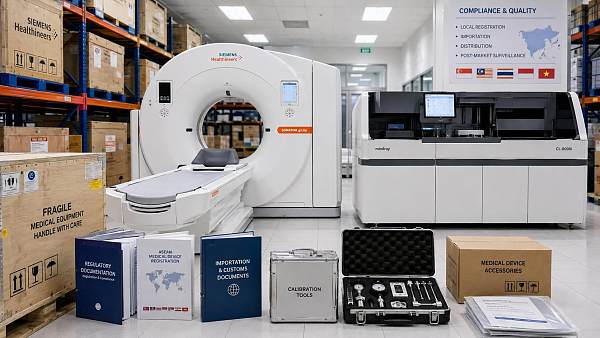
 Sep 14, 2026Do You Need a Local Distributor to Register Medical Devices in Southeast Asia?Do I need a local distributor to register devices in Southeast Asia? Learn how to separate regulatory ownership, import rights, and distribution for smoother market access.
 Sep 13, 2026How Should an MDR Clinical Performance Study Be Designed for IVD Products?How to design a clinical performance study for IVD products MDR: explore claim-driven endpoints, representative specimens, bias control, and audit-ready evidence.
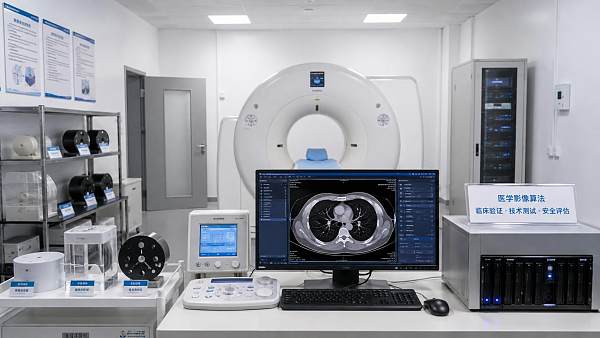
 Sep 13, 2026What Validation Is Required for Medical Imaging Algorithms Under the MDR?What validation is required for medical imaging analysis algorithms MDR? Explore technical, clinical, risk, dataset, and post-market evidence requirements.
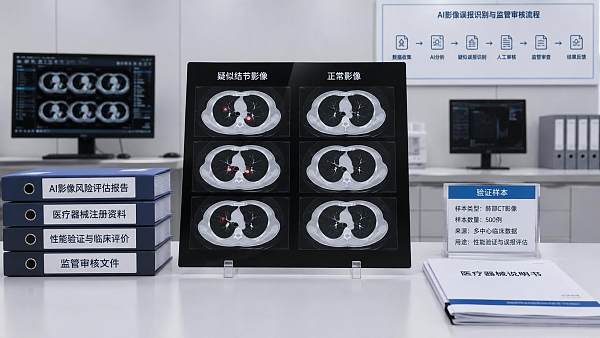
 Sep 12, 2026How Are AI Imaging False Positives Handled in Regulatory Review?How are AI imaging false positives handled under regulatory review? Explore FDA and EU MDR expectations for risk control, clinical validation, labeling, and post-market monitoring.
 Sep 12, 2026What After-Sales Technical Support Is Expected for Life-Support Exports?What after-sales technical support is expected for life support exports? Explore essential service, training, spare-parts, cybersecurity, and compliance requirements.
 Sep 11, 2026What Are the Trade-Offs Between Hematology Analyzer Technologies?What are the trade-offs between different hematology analyzer technologies? Compare impedance, optical, and fluorescence systems for accuracy, workflow, and cost.
 Sep 11, 2026Can One Registration Strategy Cover Imaging Devices in the EU and ASEAN?Can one registration strategy cover both EU and ASEAN for imaging devices? Discover how to build a core dossier, manage local approvals, and accelerate compliant market entry.
 Sep 10, 2026Where Can You Source Compliant Parts for Diagnostic Imaging Equipment?Where to source compliant parts for diagnostic imaging equipment: discover trusted OEM, approved distributor, and qualified supplier options for safer, traceable procurement.
 Sep 10, 2026What Pre-Market Testing Is Mandatory for Ventilator CE Marking?What pre-market testing is mandatory for ventilator system CE marking? Explore MDR requirements for performance, safety, EMC, alarms, software, usability, and clinical evidence.

















Related News
- 00
0000-00
EU MDR Transition Ends, Endoscope Re-Certification Becomes Urgent - 00
0000-00
EU MDR Annex XVI Now Requires Separate CE for Accessories - 00
0000-00
EU MDR Transition Ends for Endoscopy Device Imports - 00
0000-00
EU MDR Rule Triggers CER Updates for Endoscopy Devices - 00
0000-00
EU MDR Update Sets 12-Month CER Rule for Ultrasound and Endoscopy
Weekly Insights
Stay ahead with our curated technology reports delivered every Monday.