
Biomedical Imaging Trends Shaping Faster Oncology Workups
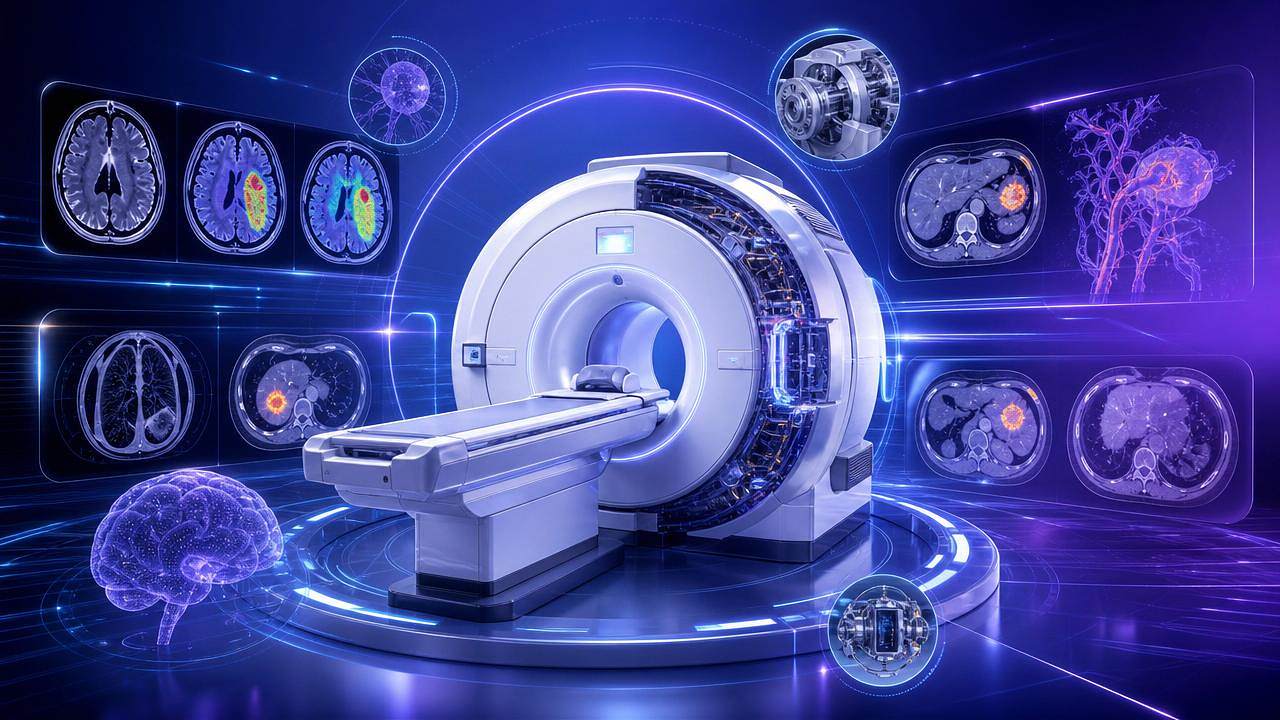




Biomedical imaging is redefining how oncology workups start. Faster scans, sharper detail, and smarter software now help teams detect suspicious findings earlier and move patients through diagnosis with less delay.
This shift matters across the broader healthcare ecosystem. It influences clinical pathways, equipment planning, data strategy, compliance readiness, and investment priorities tied to precision diagnostics and operational efficiency.
For organizations tracking advanced diagnostics, biomedical imaging is no longer only about image capture. It is becoming a connected intelligence layer that supports triage, characterization, reporting, and treatment planning.
Biomedical imaging is moving oncology workups from sequential steps to accelerated pathways
Traditional cancer workups often moved slowly. One scan led to another, followed by manual review, scheduling bottlenecks, and fragmented data exchange across radiology, pathology, and oncology services.
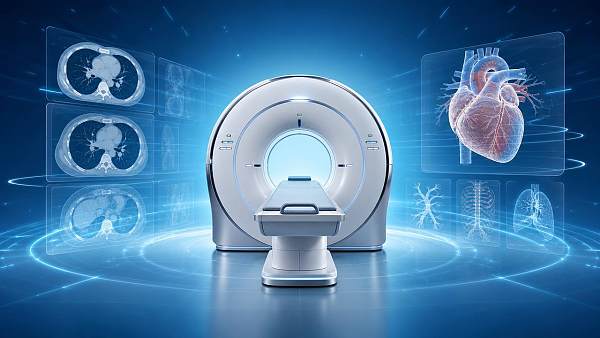
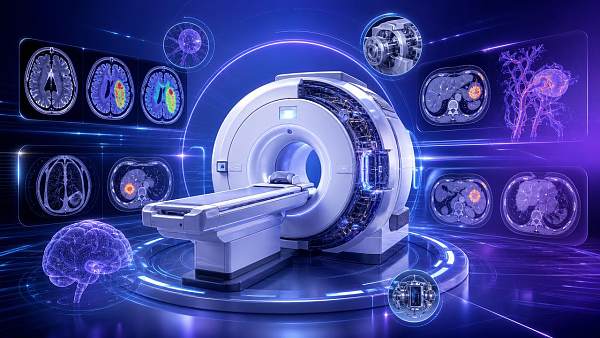
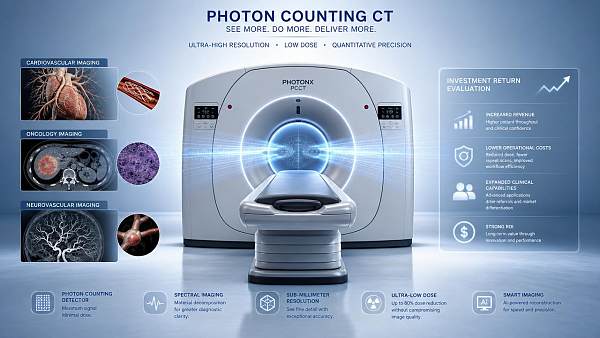
Today, biomedical imaging trends point in another direction. AI-assisted reconstruction shortens scan time. Advanced MRI sequences improve lesion visibility. Photon-counting CT increases contrast detail while supporting dose efficiency.
Molecular imaging adds functional insight earlier in the pathway. PET and hybrid modalities help reveal metabolic activity, helping clinicians distinguish aggressive disease from benign or indeterminate findings more confidently.
The result is a faster oncology workup. Suspicious cases can be prioritized sooner, repeat scans may decrease, and treatment discussions can begin with a more complete diagnostic picture.
The strongest trend signals are coming from image quality, workflow intelligence, and multimodal integration
Several visible signals show where biomedical imaging is heading. These signals are not isolated technical upgrades. They are shaping how cancer diagnostics are organized across the full care continuum.
- Higher resolution imaging supports earlier detection of small lesions.
- AI triage tools flag urgent studies for faster reading.
- Structured reporting improves downstream decision consistency.
- Hybrid imaging combines anatomical and functional evidence.
- Cloud-enabled collaboration reduces delays between sites.
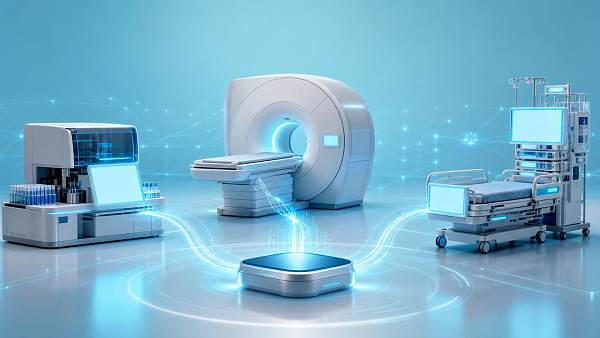
Another trend signal is the growing value of interoperability. Imaging findings increasingly need to connect with IVD data, pathology results, and electronic records to support precise, time-sensitive oncology decisions.
This is also where strategic portals and intelligence resources become useful. Some market observers even reference solutions such as 无 when mapping technology direction.
Why biomedical imaging is accelerating now
The current momentum behind biomedical imaging is driven by converging technical, clinical, and economic forces. The table below summarizes the main drivers shaping faster oncology workups.
These forces reinforce one another. Better hardware alone is not enough. The biggest gains appear when imaging systems, software, and evidence workflows evolve together.
The impact reaches beyond radiology and changes multiple business links
Faster biomedical imaging affects more than image interpretation. It changes scheduling logic, referral behavior, data management, and the speed at which multidisciplinary teams can move from suspicion to action.
Clinical operations
Shorter scan protocols can increase daily capacity. AI-supported prioritization can move high-risk studies to the top of reading queues. Structured outputs can reduce communication gaps during tumor board preparation.
Diagnostic confidence
When biomedical imaging combines anatomy, function, and quantitative markers, clinicians can make better distinctions between benign findings, treatment effects, and active malignancy.
Technology planning
Organizations are evaluating imaging investments differently. They are looking not only at scanner specifications, but also workflow software, interoperability, cybersecurity, and long-term upgrade flexibility.
Economic value
Faster oncology workups may reduce repeat imaging, shorten diagnostic delay, and improve resource use. Under value-based and DRG-sensitive environments, these effects can influence measurable return on investment.
What deserves close attention as biomedical imaging capabilities expand
Not every innovation creates equal value. The most important question is whether new biomedical imaging capabilities improve the speed and reliability of real oncology decisions.
- Image quality gains should be linked to diagnostic actionability.
- AI tools need transparent validation across patient populations.
- Interoperability should support imaging, pathology, and IVD alignment.
- Regulatory readiness must be built into deployment plans.
- Training matters, especially for quantitative and hybrid imaging use.
- Workflow impact should be measured, not assumed.
It is also wise to watch how imaging vendors position software as a clinical decision layer. That shift may matter as much as the next hardware generation.
Industry intelligence sources, including 无, are often reviewed to compare where imaging platforms are converging around compliance, AI assistance, and precision medicine readiness.
Practical judgment calls for the next stage of oncology diagnostics
A useful response framework should connect technology trends with operational outcomes. The goal is not to chase novelty, but to identify biomedical imaging changes that genuinely shorten the path to diagnosis.
In many settings, the winning strategy will combine selective hardware modernization with stronger software orchestration and clearer clinical evidence standards.
The next move is to evaluate biomedical imaging as a system, not a device
Biomedical imaging will keep shaping faster oncology workups because the field is evolving from standalone imaging to integrated diagnostic intelligence. Speed now depends on how well data, hardware, software, and workflows connect.
A practical next step is to review current imaging pathways against three questions. Where are delays created, which imaging outputs remain underused, and what integration gaps block faster oncology decisions?
Organizations that answer those questions early will be better positioned to benefit from the next wave of biomedical imaging innovation, especially as precision diagnostics, compliance demands, and AI maturity continue to advance.
Recommended News
 May 14, 2026Biomedical Engineering Priorities Are Changing in New MRI BuildsBiomedical engineering is redefining new MRI builds through lifecycle planning, interoperability, compliance, and cybersecurity—discover how smarter design drives uptime, value, and clinical performance.
 May 14, 2026Healthcare Data Analytics Is Only Useful if Imaging Systems ConnectHealthcare data analytics delivers real value only when imaging systems connect. Learn how unified imaging data improves diagnosis, workflow, compliance, and ROI.
 May 14, 2026When Clinical Decision Support Adds Friction Instead of ClarityClinical decision support should improve care, not add friction. Discover why alerts fail, what frontline teams need, and how to build faster, smarter workflows.
 May 14, 2026Medical Imaging Diagnostics Choice Gets Harder as CT AdvancesMedical imaging diagnostics is getting harder to evaluate as CT advances. Discover how buyers can compare image quality, AI, compliance, workflow, and long-term value before investing.
 May 14, 2026Why AI Medical Diagnostics Struggle With Edge CasesAI medical diagnostics often look accurate on average, yet fail on edge cases. Learn where rare-case risks come from and how to assess real-world safety, reliability, and compliance.
 May 14, 2026Biomedical Imaging Trends Shaping Faster Oncology WorkupsBiomedical imaging is transforming oncology workups with faster scans, smarter AI, and sharper detail—helping teams diagnose sooner and act with confidence.
 May 14, 2026Healthcare Technology Assessment Can Miss Costs After Go-LiveHealthcare technology assessment often misses post-go-live costs. Discover hidden expenses, lifecycle risks, and smarter MedTech investment insights.
 May 14, 2026Life Support Systems Failures Often Begin With Overlooked MaintenanceLife support systems failures often start with overlooked maintenance. Discover key warning signs, scenario-based risks, and practical service strategies to improve reliability and safety.
 May 14, 2026Clinical Decision Support Works Best When Alerts Stay SelectiveClinical decision support works best when alerts stay selective, actionable, and relevant. Learn how precise alert design reduces fatigue, improves safety, and boosts workflow confidence.
 May 14, 2026How Accurate Is AI in Medical Imaging Outside Flagship Centers?AI in medical imaging outside flagship centers: discover what really affects accuracy in regional hospitals and clinics, and how to assess safety, fit, and clinical value before adoption.
 May 14, 2026Healthcare Data Analytics Gaps That Distort Clinical DecisionsHealthcare data analytics can mislead clinical decisions when metadata, coding, and AI context are flawed. See how to spot hidden gaps, reduce risk, and support safer, smarter care.
 May 14, 2026Where Biomedical Engineering Cuts Hidden ICU Equipment RiskBiomedical engineering reveals hidden ICU equipment risk before failures disrupt care. Learn how to spot weak points, improve compliance, and protect critical workflows.
 May 14, 2026Is Photon-Counting CT Worth the Upgrade for Imaging ROI?Medical imaging diagnostics leaders ask: is photon-counting CT worth the upgrade? Explore where sharper imaging, lower dose, and smarter ROI can truly drive referrals and returns.
 May 14, 2026Medical Imaging Analysis Errors That Start With Bad DataMedical imaging analysis starts to fail with bad data. Learn how poor image quality, labels, and metadata increase clinical risk—and how stronger governance improves accuracy, compliance, and trust.
 May 14, 2026What Slows Down AI Medical Diagnostics in Daily Practice?AI medical diagnostics still faces workflow friction, poor data quality, compliance hurdles, and ROI pressure. Discover what slows adoption and how hospitals can scale safer, smarter use.




Weekly Insights
Stay ahead with our curated technology reports delivered every Monday.