
Hong Kong Opens Dual-Use MRI Trial Path
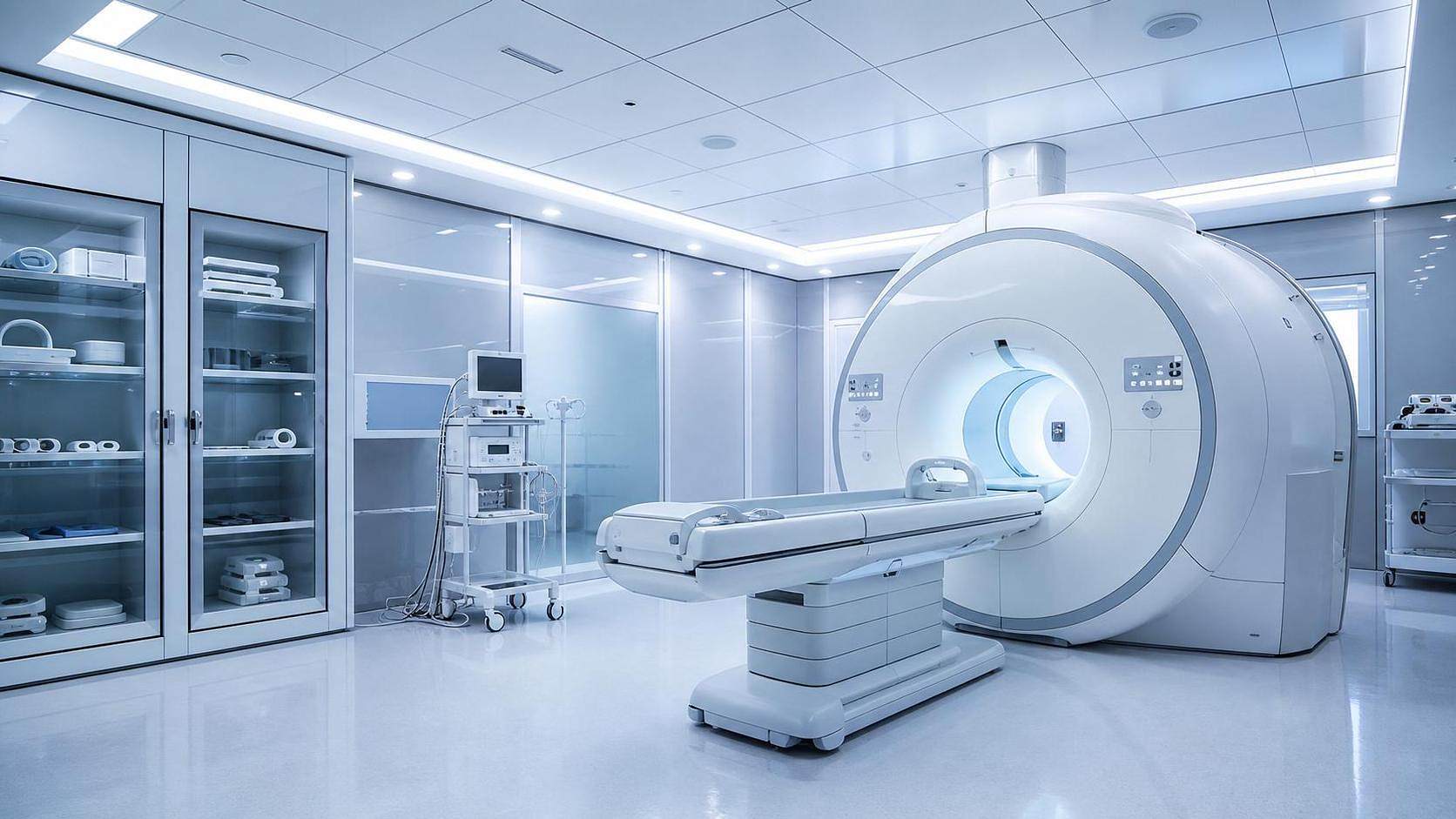




On June 11, 2026, the Hong Kong SAR government announced the establishment of a Centre for the Supervision and Management of Drugs and Medical Devices, creating a new compliance and validation route for domestically developed superconducting MRI systems. From July 1, 2026, eligible local clinical trials in Hong Kong can support both Hong Kong registration and serve as supplementary evidence for FDA and EMA submissions, making this update especially relevant for MRI manufacturers, regulatory teams, hospital trial partners, and market access functions targeting Southeast Asia and the Middle East.
What Has Been Confirmed So Far
According to the information provided, the new center was announced on June 11, 2026. Starting on July 1, 2026, Hong Kong will accept locally conducted clinical trials for domestically produced superconducting MRI equipment. The trial data may be used at the same time for Hong Kong registration and as supplementary evidence in FDA and EMA filings.
The first phase will open five Grade A tertiary hospital GCP platforms. The arrangement covers the full range of superconducting MRI models below 7T. The stated policy effect is to connect a pathway from mainland R&D to Hong Kong validation and then to global market entry, with an expected average reduction of 11 months for superconducting MRI entry into Southeast Asian and Middle Eastern markets.
Where the Industry Impact Is Likely to Appear First
Manufacturers may need to rethink clinical and registration sequencing
From an industry perspective, MRI manufacturers are among the most directly affected parties because the update changes how local validation can be positioned within a broader registration strategy. The likely impact is concentrated in clinical trial planning, regulatory document preparation, and launch sequencing for overseas markets tied to Hong Kong registration or supplementary FDA and EMA evidence.
Hospital trial platforms gain a more visible execution role
The opening of five Grade A tertiary hospital GCP platforms means qualified clinical sites become a practical gateway in this route. Their role is likely to matter not only in trial execution, but also in scheduling, protocol coordination, and data readiness for parallel registration use.
Market access and regional expansion teams may revise timelines
For teams focused on Southeast Asia and the Middle East, the stated 11-month average time reduction is the part most likely to affect business planning. Analysis shows the immediate relevance is not just faster entry in theory, but whether product launch calendars, distributor communication, and submission pacing should be recalibrated around a Hong Kong validation step.
Supply and delivery functions may face earlier coordination needs
Observably, a shorter path between validation and overseas filing can pull forward internal coordination on equipment availability, supporting documents, and delivery preparation. The impact is less about manufacturing volume at this stage and more about alignment across regulatory, clinical, and fulfillment timing.
What Companies Should Watch Closely Now
The difference between policy access and operational readiness
What deserves closer attention is the distinction between the announced pathway and the practical requirements for entering it. Companies should focus on how the July 1 acceptance mechanism is described in subsequent official language, especially around application readiness, trial acceptance conditions, and document expectations tied to dual-use data.
Model coverage and product portfolio fit
The current scope explicitly supports superconducting MRI systems below 7T. For manufacturers with multiple configurations, the practical question is how product portfolios align with that threshold and which models should be prioritized first for Hong Kong-based clinical validation.
Document preparation for parallel regulatory use
Because the same data may support Hong Kong registration while also serving as supplementary evidence for FDA and EMA filings, regulatory and clinical teams should pay attention to documentation consistency, data organization, and communication between local and overseas submission workflows. This is a business execution issue, not just a policy headline.
External communication with partners and buyers
Companies working with regional distributors, healthcare buyers, or service partners may need to update how they describe expected timelines and regulatory progress. Analysis shows this is especially relevant where customer conversations depend on projected launch windows in Southeast Asia or the Middle East.
Why This Looks Like a Strategic Signal
Analysis shows this development can be read as more than a short-term administrative adjustment, because it links mainland development, Hong Kong-based validation, and overseas market access within one stated route. At the same time, it is more appropriate to understand this as an emerging operating framework rather than a completed outcome, since the business value will depend on how smoothly trials are accepted and how effectively the resulting data is used in real submissions.
Observably, the strongest current signal is not that global access has become easier across the board, but that a more structured bridge is being formalized for a specific product category: domestically produced superconducting MRI systems below 7T. That makes this a development worth tracking closely rather than a conclusion that all approval or commercialization barriers have been resolved.
How to Read the Development at This Stage
At this stage, the announcement is best understood as a targeted regulatory and market access signal with immediate relevance for clinical planning and cross-border submission strategy. Its significance lies in the possibility of reducing duplicated effort between local registration and international evidence preparation, while its full industry effect still depends on implementation details and execution quality.
A neutral reading is that the update creates a clearer pathway and a potentially shorter timetable for some superconducting MRI programs, but it does not by itself guarantee faster commercialization for every company. For industry participants, the sensible approach is to treat it as an actionable development with longer-term implications that still require ongoing verification.
Basis of This Article
This article is based on the user-provided news title, event date, and event summary. The analysis is limited to the confirmed information provided: the June 11, 2026 announcement, the July 1, 2026 start date, the dual-use nature of Hong Kong clinical trial data, the first-phase opening of five Grade A tertiary hospital GCP platforms, the coverage of superconducting MRI systems below 7T, and the stated expectation of shortening average market entry time into Southeast Asia and the Middle East by 11 months.
For developments of this type, common source categories usually include official government announcements, company statements, industry association updates, authoritative media reporting, and standard-setting or regulatory documents. No specific official source link was provided in the input, so further verification remains necessary. Continued attention should be paid to any follow-up official wording, operational rules, and implementation details related to trial acceptance and data use.
Recommended News
 Sep 22, 2026How Life Science Labs Can Select Biomedical Research Equipment by Workflow and ThroughputBiomedical research equipment life science labs can select with confidence by aligning workflow, throughput, automation, data integrity, and scalable support.
 Sep 21, 2026How to Plan LIS Connectivity for Chemiluminescence Analyzers Without Data GapsChemiluminescence analyzers LIS connectivity: learn how to prevent data gaps with field mapping, exception workflows, end-to-end validation, and reliable go-live planning.
 Sep 20, 2026Selecting Fluorescence PCR Instruments: Detection Channels, Sensitivity, and Workflow FitPCR diagnostic instruments fluorescence detection guide: compare channels, sensitivity, multiplexing, and workflow fit to select a reliable platform.
 Sep 19, 2026Biomedical Signal Processing: From Sensor Data to Clinical Decision SupportBiomedical signal processing transforms sensor data into reliable clinical decision support. Explore AI, imaging, IVD, ICU monitoring, and compliance-ready MedTech insights.
 Sep 18, 2026How to Evaluate a Diagnostic Imaging Platform for Multi-Modality Workflow IntegrationDiagnostic imaging platform evaluation guide: assess multi-modality workflows, interoperability, AI integration, image integrity, security, and scalability for safer clinical decisions.
 Sep 17, 2026ISO 13485 for Medical Imaging Equipment: What Manufacturers Must DocumentMedical imaging equipment ISO 13485: discover essential documentation for design controls, risk management, traceability, software, and post-market quality.
 Sep 16, 2026Robotic MIS Equipment: What Hospitals Should Evaluate Before AdoptionMinimally invasive surgical equipment robotic adoption guide: evaluate workflow, safety, imaging, costs, cybersecurity, and service readiness.
 Sep 15, 2026How to Evaluate Biomedical Signal Processing Suppliers for Clinical Device ProjectsBiomedical signal processing supplier evaluation guide for clinical device teams—compare signal fidelity, regulatory evidence, cybersecurity, integration, and lifecycle support.
 Sep 14, 2026How Integrated Clinical Diagnostics Solutions Reduce Turnaround Time Across Lab WorkflowsIntegrated clinical diagnostics solutions reduce lab turnaround time by connecting workflows, automation, and data. Discover practical strategies for faster, traceable results.
 Sep 13, 2026ECMO System Market Outlook: Demand Drivers, Investment Risks, and Growth OpportunitiesECMO system market outlook explores demand drivers, investment risks, regulatory factors, and growth opportunities shaping critical-care innovation and adoption.
 Sep 12, 2026Where to Find Reliable Medical Device Information for Research and Due DiligenceMedical device information resource guide for due diligence: verify regulatory, clinical, safety, and technical evidence to make confident decisions.
 Sep 11, 2026Medical Equipment Intelligence: A Resource for Comparing Clinical TechnologiesMedical equipment intelligence resource for comparing clinical technologies by clinical fit, compliance, workflow, and total cost—make confident, evidence-led decisions.
 Sep 10, 2026How to Integrate Application-Specific Medical Solutions Into Existing Clinical WorkflowsApplication-specific medical solutions integration: learn how to align clinical workflows, interoperability, safety, and measurable outcomes for reliable deployment.
 Sep 09, 2026Medical Supplier Evaluation Checklist: How to Verify Quality, Compliance, and Delivery RiskMedical supplier evaluation checklist for verifying quality, compliance, service capacity, configuration accuracy, and delivery risk before purchase approval.
 Sep 08, 2026Selecting IVD Instruments With Automatic Sample Loading: Key Workflow CriteriaIVD instruments automatic sample loading: evaluate workflow capacity, traceability, STAT handling, LIS integration, and exceptions for smarter lab selection.
 Sep 07, 2026How to Evaluate a Clinical Diagnostic Systems Supplier for Hospital ProcurementClinical diagnostic systems supplier evaluation guide for hospitals: compare clinical performance, compliance, uptime, interoperability, cybersecurity, and lifecycle value.
 Sep 07, 2026How to Choose Critical Care Equipment for Emergency Room ReadinessCritical care equipment emergency room planning: discover how to select reliable, interoperable devices that strengthen readiness, safety, and lifecycle value.
 Sep 05, 2026Ventilator Comparison for ICU and Transport Use: Which Features Matter Most?Ventilator comparison for ICU and transport use: discover the features that support safer ventilation, reliable monitoring, battery planning, and seamless patient transfers.
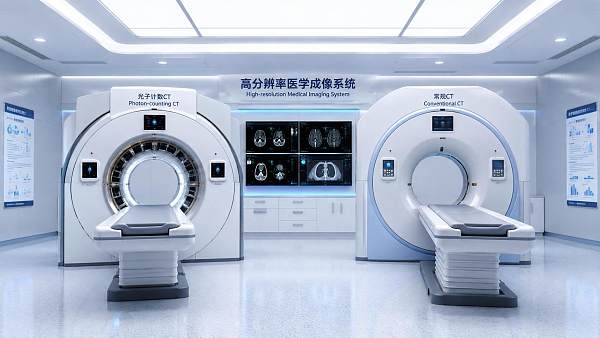
 Sep 14, 2026Is Photon-Counting CT Clinically Better Than Conventional CT for Exporters?Is photon-counting CT clinically better than conventional CT for exporters? Explore clinical use cases, compliance, ROI, and market-ready sales strategy.
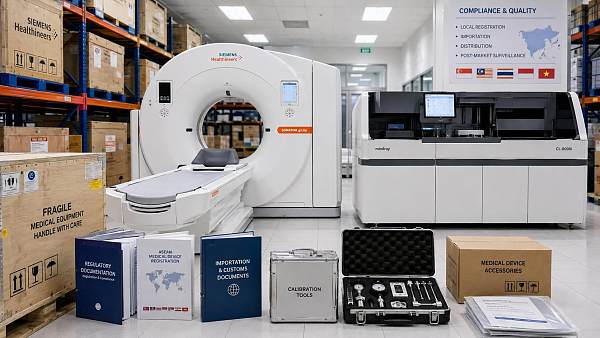
 Sep 14, 2026Do You Need a Local Distributor to Register Medical Devices in Southeast Asia?Do I need a local distributor to register devices in Southeast Asia? Learn how to separate regulatory ownership, import rights, and distribution for smoother market access.
 Sep 13, 2026How Should an MDR Clinical Performance Study Be Designed for IVD Products?How to design a clinical performance study for IVD products MDR: explore claim-driven endpoints, representative specimens, bias control, and audit-ready evidence.
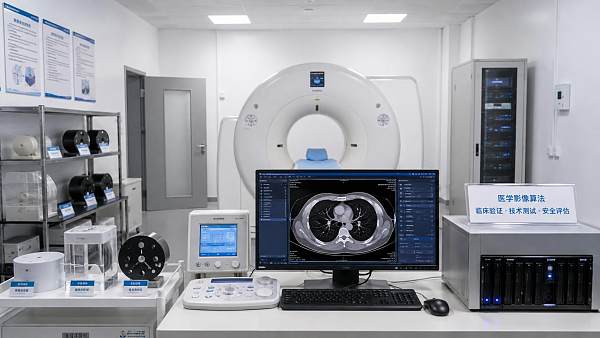
 Sep 13, 2026What Validation Is Required for Medical Imaging Algorithms Under the MDR?What validation is required for medical imaging analysis algorithms MDR? Explore technical, clinical, risk, dataset, and post-market evidence requirements.
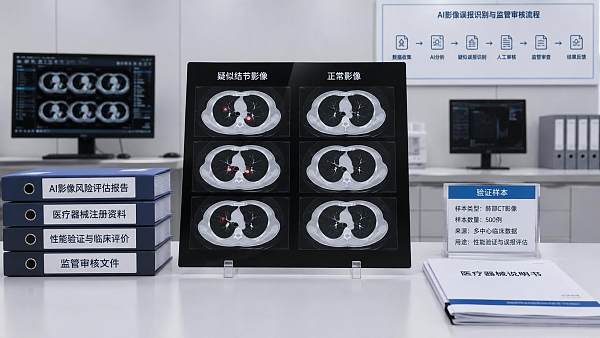
 Sep 12, 2026How Are AI Imaging False Positives Handled in Regulatory Review?How are AI imaging false positives handled under regulatory review? Explore FDA and EU MDR expectations for risk control, clinical validation, labeling, and post-market monitoring.
 Sep 12, 2026What After-Sales Technical Support Is Expected for Life-Support Exports?What after-sales technical support is expected for life support exports? Explore essential service, training, spare-parts, cybersecurity, and compliance requirements.











Related News
- 00
0000-00
China Temporarily Bans Helium Exports - 00
0000-00
How to Evaluate MRI Systems for Neurology: Key Imaging Needs and Selection Criteria - 00
0000-00
MDCG Tightens CE Rules for AI MRI Reconstruction - 00
0000-00
PMDA Fast Track Adds Conditional Path for MRI AI - 00
0000-00
PMDA Fast Track Expansion Opens Conditional Route for MRI AI
Weekly Insights
Stay ahead with our curated technology reports delivered every Monday.