
PMDA Fast-Tracks AI Imaging Devices in Japan
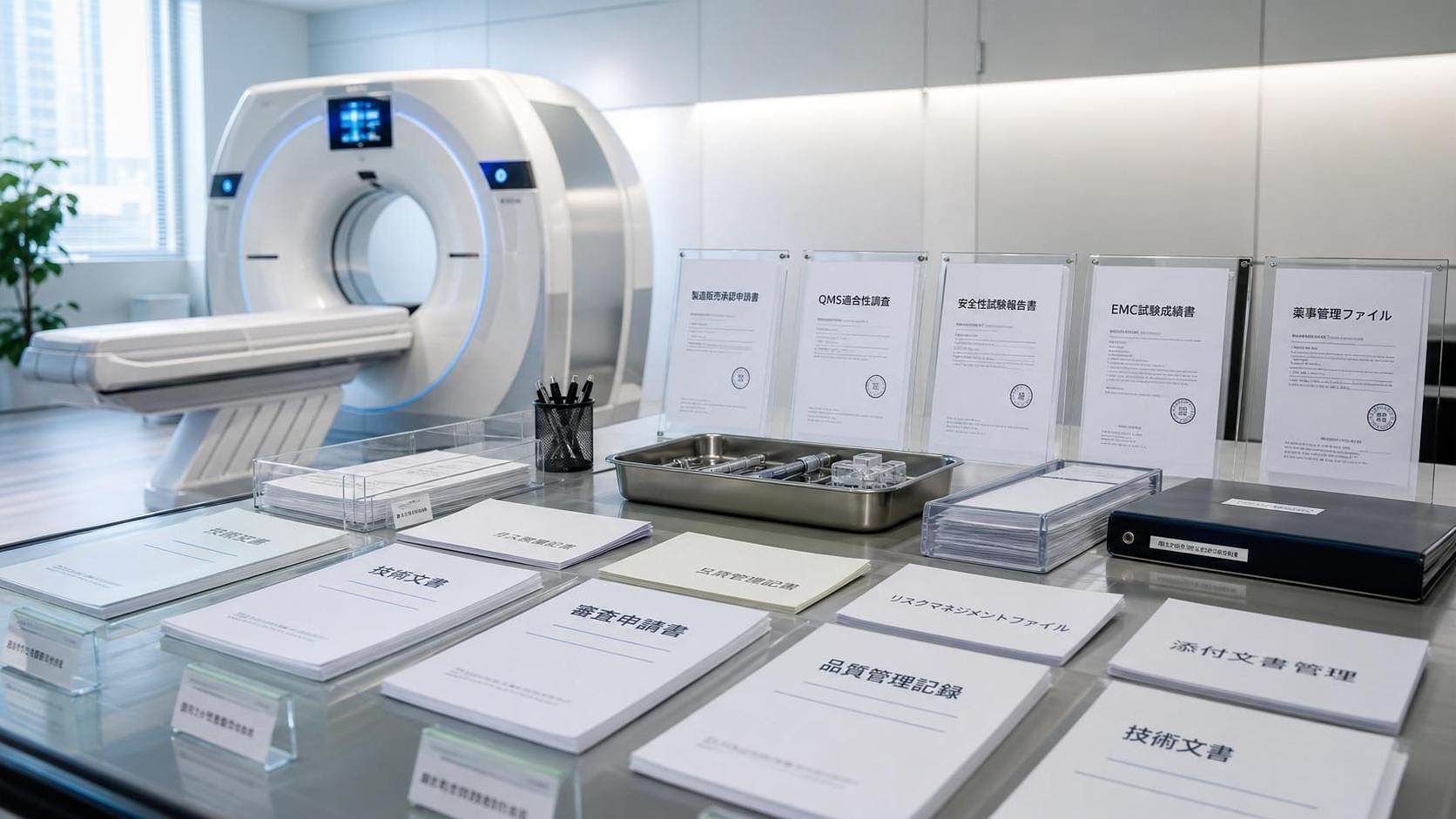




On June 27, 2026, Japan's PMDA formally launched a special review pathway for AI-assisted diagnostic devices, shortening the review period for eligible AI-enhanced imaging systems such as Photon-counting CT from 120 days to 45 working days once complete Japanese technical documentation is submitted. For manufacturers, regulatory teams, distributors, and hospital-facing commercial units, the update is worth close attention because it ties faster review directly to document readiness, prior FDA 510(k)/De Novo status, and compatibility pre-checks under JIS T 0001:2025.
What Has Been Officially Announced
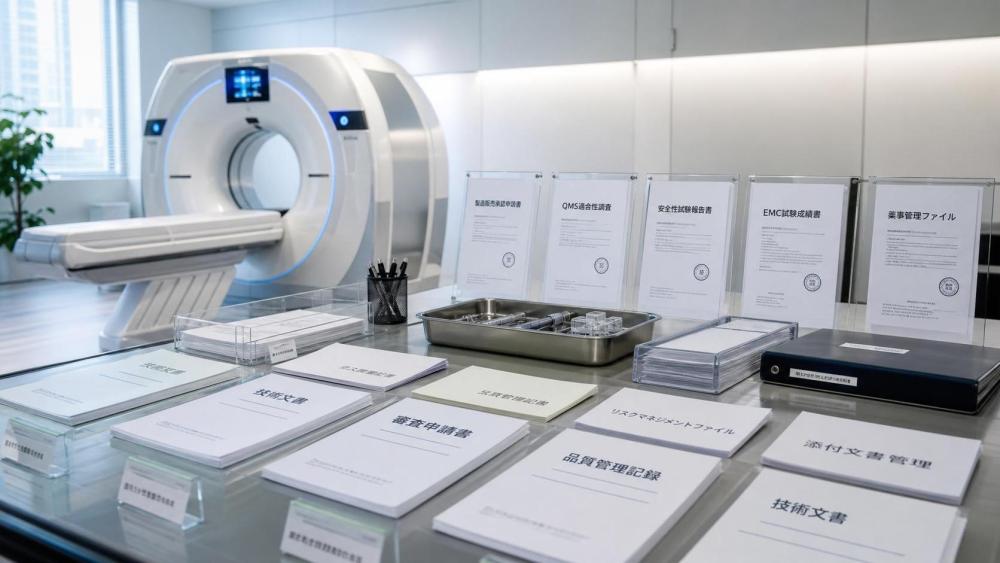
The confirmed information is limited but commercially meaningful. PMDA began operating the special review channel for AI-assisted diagnostic devices on June 27, 2026. The pathway applies to AI-enhanced imaging equipment including Photon-counting CT, provided the device already holds FDA 510(k) or De Novo clearance and the applicant submits a complete set of Japanese-language technical documents. Under this mechanism, the review timeline is reduced from the previous 120 days to 45 working days. The first batch accepted under the channel includes six Chinese CT manufacturers, all of which have completed compatibility pre-checks for JIS T 0001:2025.
Where the Immediate Business Impact May Appear
For imaging equipment manufacturers, the bottleneck may shift from review time to submission readiness
From an industry perspective, the most direct impact falls on CT manufacturers and AI imaging developers seeking entry into Japan. A shorter formal review window can change launch planning, but only for companies that can provide complete Japanese technical documentation and meet the stated eligibility conditions. What deserves closer attention is whether internal regulatory, documentation, and localization workflows are organized well enough to make use of the shorter window.
For regulatory and market access teams, prior approvals now matter in a more operational way
Analysis shows that FDA 510(k) or De Novo status is not simply a branding point in this context; it becomes part of the practical entry threshold for the special channel described in the announcement. For teams responsible for Japan submissions, the impact is likely to be seen in dossier preparation, submission sequencing, and cross-region evidence alignment rather than in marketing activity alone.
For distributors and hospital-facing channels, the timing discussion may change
Observably, a compressed review period can affect how channel partners discuss launch timing, procurement preparation, and customer communication. The relevant business effect is not that demand is automatically changing, but that expected approval timing may become a more active part of planning conversations for eligible products.
For supply chain and compliance support providers, pre-check capability gains weight
The inclusion of six Chinese CT manufacturers that completed JIS T 0001:2025 compatibility pre-checks suggests that upstream compliance preparation may influence who can move first. Service providers supporting testing, technical file localization, and submission coordination may therefore see more attention on front-loaded readiness rather than late-stage filing speed alone.
What Companies Should Watch Now
Track the exact operational wording of the special pathway
Companies should pay close attention to how PMDA continues to describe the scope of eligible products, required documentation, and any procedural clarifications. The headline timeline matters, but the practical value of the channel depends on how precisely the eligibility and submission requirements are applied in real cases.
Do not confuse a shorter review window with a shorter preparation cycle
Analysis shows that the announced reduction from 120 days to 45 working days applies after complete Japanese technical documentation is submitted. That makes document completeness, translation quality, and internal review discipline central operational issues. For many companies, the preparation stage may remain the pacing item.
Prioritize product mapping against the stated eligibility conditions
For manufacturers with AI-enhanced imaging portfolios, the immediate task is to identify which products actually fit the conditions described in the announcement, especially where FDA 510(k) or De Novo status is already in place. This matters for resource allocation, partner communication, and launch sequencing across product lines.
Use compatibility pre-checks as a practical readiness indicator
The first accepted group had already completed JIS T 0001:2025 compatibility pre-checks. That does not by itself guarantee broader outcomes, but it does indicate that early technical compliance work may be an important gating item. Companies that are still earlier in the process should watch this point closely when planning submission timing and external support needs.
Why This Looks More Like a Policy Signal Than a Final Outcome
Observably, this development can be read as a concrete short-term change in review handling, but it is more appropriate to understand it as an early operational signal rather than a fully settled market outcome. The announcement shows that PMDA is creating a faster route for a defined category of AI-assisted imaging devices under stated conditions. What remains to be observed is how broadly the pathway is used, how consistently the 45-working-day timeline is achieved in practice, and whether the initial acceptance of six Chinese CT manufacturers translates into a wider pattern of cross-border participation.
How the Industry May Best Read This Update
At this stage, the significance of the news lies less in immediate market conclusions and more in the regulatory direction it points to. The combination of accelerated review, FDA-linked eligibility, Japanese technical documentation, and JIS T 0001:2025 pre-check readiness suggests that entry into Japan for AI-enhanced imaging devices may become more dependent on structured regulatory preparation than on post-submission waiting time. It is more appropriate to understand this update as a targeted and actionable policy shift that still requires continued observation in real filing and approval practice.
Basis of This Article and What Still Needs Verification
This article is based on the user-provided news title, event date, and event summary. For this type of development, commonly relevant source categories may include official regulator announcements, company disclosures, industry association updates, authoritative media reporting, and standards-related documents. A specific official source link was not provided in the input, so the precise wording and any later procedural updates still require ongoing verification. The next points worth monitoring are whether PMDA issues further implementation details, whether the eligibility scope changes, and how the accelerated timeline performs in subsequent accepted cases.
Recommended News
 Oct 02, 2026High-Flow ICU Ventilators: Key Selection Criteria for Acute Respiratory CareICU ventilators high flow: discover key selection criteria for accurate gas delivery, NIV performance, humidification, alarms, reliability, and safer acute respiratory care.
 Oct 01, 2026How to Evaluate Medical Equipment Intelligence Suppliers for Hospital ProcurementMedical equipment intelligence suppliers: learn how hospitals can assess evidence quality, total cost, compliance, interoperability, and cybersecurity for smarter procurement decisions.
 Sep 30, 2026ISO 13485 Requirements for Blood Testing Instruments: A Buyer’s ChecklistBlood testing instruments ISO 13485 buyer’s checklist: verify certification scope, traceability, installation, consumables, and supplier support before you buy.
 Sep 29, 2026How to Evaluate Integrated Operating Room Systems for Workflow, Imaging, and IT IntegrationIntegrated operating room systems: evaluate workflow, imaging, IT integration, cybersecurity, and lifecycle value to select a scalable surgical solution.
 Sep 28, 2026How to Evaluate a Genetic Testing Equipment Supplier for PCR Lab ProcurementGenetic testing equipment supplier evaluation guide for PCR labs: compare performance, compliance, workflow, service, supply resilience, and total cost.
 Sep 27, 2026How to Specify Custom Benchtop Diagnostic Instruments for Your Assay WorkflowCustom diagnostic instruments benchtop guide: specify optics, fluidics, automation, software integration, and support to build a reliable assay workflow.
 Sep 26, 2026How Cardiac Imaging Analysis Tools Turn CT and MRI Data into Clinical MetricsMedical imaging analysis cardiology tools transform cardiac CT and MRI into reliable metrics. Explore segmentation, validation, workflow integration, and AI review.
 Sep 25, 2026How Iterative Image Reconstruction Algorithms Balance CT Dose, Noise, and DetailIterative image reconstruction algorithms help CT teams balance dose, noise, and diagnostic detail. Explore practical insights for confident imaging decisions.
 Sep 24, 2026What Drives the Total Cost of Medical Technology Solutions Over Their Lifecycle?Medical technology solutions cost goes far beyond purchase price—explore lifecycle drivers from installation and service to software, training, compliance, and downtime.
 Sep 24, 2026Diagnostic Imaging Technology: How Modalities Support Different Clinical DecisionsDiagnostic imaging technology supports smarter clinical decisions across CT, MRI, ultrasound, and nuclear imaging. Explore modality strengths, workflows, and selection factors.
 Sep 22, 2026How Life Science Labs Can Select Biomedical Research Equipment by Workflow and ThroughputBiomedical research equipment life science labs can select with confidence by aligning workflow, throughput, automation, data integrity, and scalable support.
 Sep 21, 2026How to Plan LIS Connectivity for Chemiluminescence Analyzers Without Data GapsChemiluminescence analyzers LIS connectivity: learn how to prevent data gaps with field mapping, exception workflows, end-to-end validation, and reliable go-live planning.
 Sep 20, 2026Selecting Fluorescence PCR Instruments: Detection Channels, Sensitivity, and Workflow FitPCR diagnostic instruments fluorescence detection guide: compare channels, sensitivity, multiplexing, and workflow fit to select a reliable platform.
 Sep 19, 2026Biomedical Signal Processing: From Sensor Data to Clinical Decision SupportBiomedical signal processing transforms sensor data into reliable clinical decision support. Explore AI, imaging, IVD, ICU monitoring, and compliance-ready MedTech insights.
 Sep 18, 2026How to Evaluate a Diagnostic Imaging Platform for Multi-Modality Workflow IntegrationDiagnostic imaging platform evaluation guide: assess multi-modality workflows, interoperability, AI integration, image integrity, security, and scalability for safer clinical decisions.
 Sep 17, 2026ISO 13485 for Medical Imaging Equipment: What Manufacturers Must DocumentMedical imaging equipment ISO 13485: discover essential documentation for design controls, risk management, traceability, software, and post-market quality.
 Sep 16, 2026Robotic MIS Equipment: What Hospitals Should Evaluate Before AdoptionMinimally invasive surgical equipment robotic adoption guide: evaluate workflow, safety, imaging, costs, cybersecurity, and service readiness.
 Sep 15, 2026How to Evaluate Biomedical Signal Processing Suppliers for Clinical Device ProjectsBiomedical signal processing supplier evaluation guide for clinical device teams—compare signal fidelity, regulatory evidence, cybersecurity, integration, and lifecycle support.
 Sep 14, 2026How Integrated Clinical Diagnostics Solutions Reduce Turnaround Time Across Lab WorkflowsIntegrated clinical diagnostics solutions reduce lab turnaround time by connecting workflows, automation, and data. Discover practical strategies for faster, traceable results.
 Sep 13, 2026ECMO System Market Outlook: Demand Drivers, Investment Risks, and Growth OpportunitiesECMO system market outlook explores demand drivers, investment risks, regulatory factors, and growth opportunities shaping critical-care innovation and adoption.
 Sep 12, 2026Where to Find Reliable Medical Device Information for Research and Due DiligenceMedical device information resource guide for due diligence: verify regulatory, clinical, safety, and technical evidence to make confident decisions.
 Sep 11, 2026Medical Equipment Intelligence: A Resource for Comparing Clinical TechnologiesMedical equipment intelligence resource for comparing clinical technologies by clinical fit, compliance, workflow, and total cost—make confident, evidence-led decisions.
 Sep 10, 2026How to Integrate Application-Specific Medical Solutions Into Existing Clinical WorkflowsApplication-specific medical solutions integration: learn how to align clinical workflows, interoperability, safety, and measurable outcomes for reliable deployment.
 Sep 09, 2026Medical Supplier Evaluation Checklist: How to Verify Quality, Compliance, and Delivery RiskMedical supplier evaluation checklist for verifying quality, compliance, service capacity, configuration accuracy, and delivery risk before purchase approval.







Related News
- 00
0000-00
Is Photon-Counting CT Clinically Better Than Conventional CT for Exporters? - 00
0000-00
How CT Reconstruction Technology Impacts Image Quality, Dose, and Workflow - 00
0000-00
EU Tightens MDR Transition for Photon-Counting CT - 00
0000-00
What Low-Dose Imaging Innovations Matter Most When Evaluating New CT Systems? - 00
0000-00
EFTA Requires NdFeB Carbon Disclosure for Photon-counting CT
Weekly Insights
Stay ahead with our curated technology reports delivered every Monday.