
FDA Draft IVD Rule Raises Clinical Evidence Bar
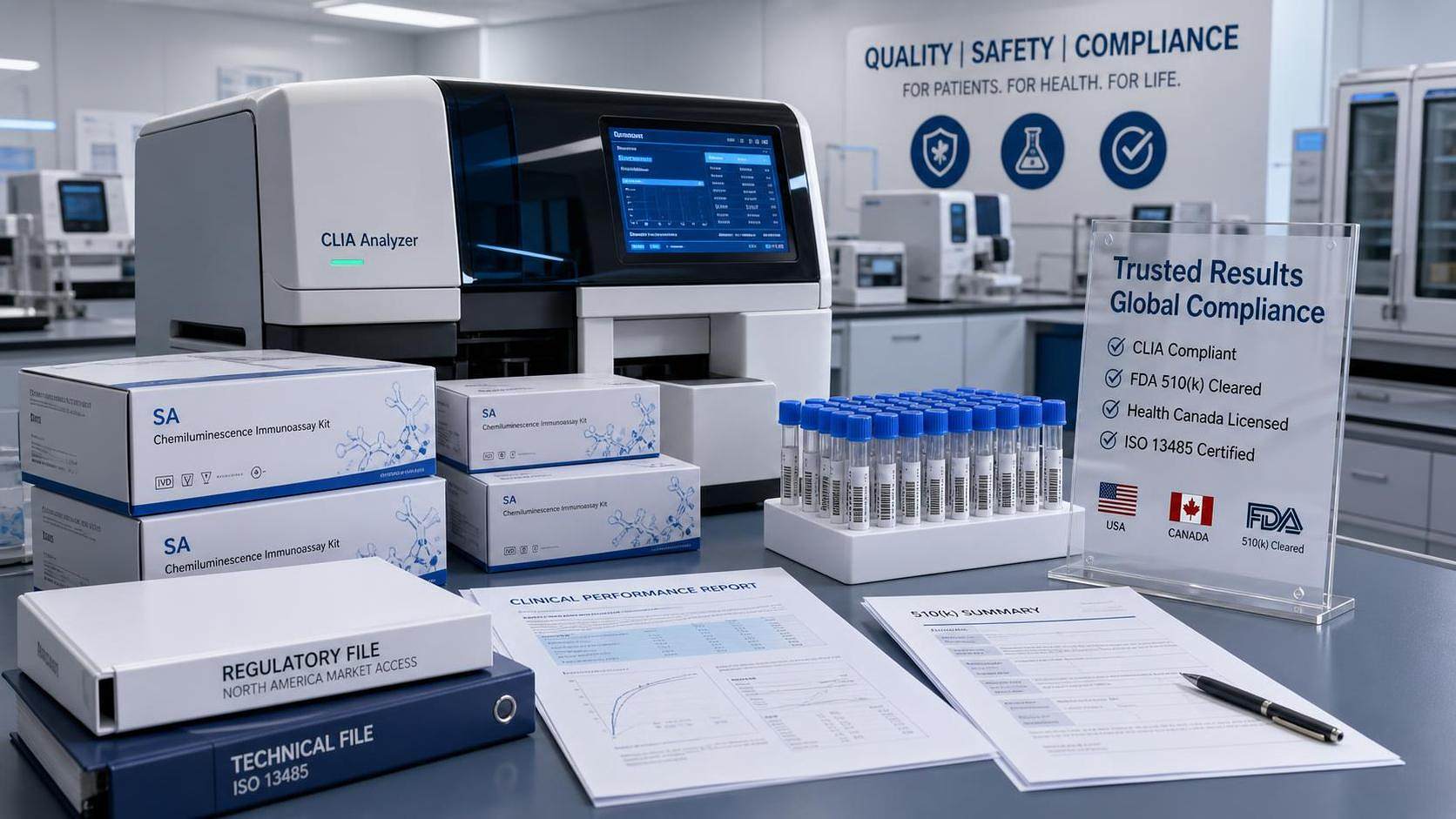




On August 7, 2026, the FDA issued a draft guidance titled In Vitro Diagnostic Devices: Clinical Evidence Requirements for Chemiluminescence Immunoassays, setting out a new compliance expectation for chemiluminescence immunoassay devices and their related reagents marketed in the United States. The key point for industry is the stated requirement that, from January 1, 2027, submissions must include Annex XVI clinical performance evidence. For manufacturers, exporters, registration teams, testing partners, and buyers managing launch schedules, this is worth close attention because it directly affects registration preparation and time to market, especially for Chinese suppliers serving the U.S., Canadian, and Mexican markets.
What the FDA Draft Guidance Explicitly Requires
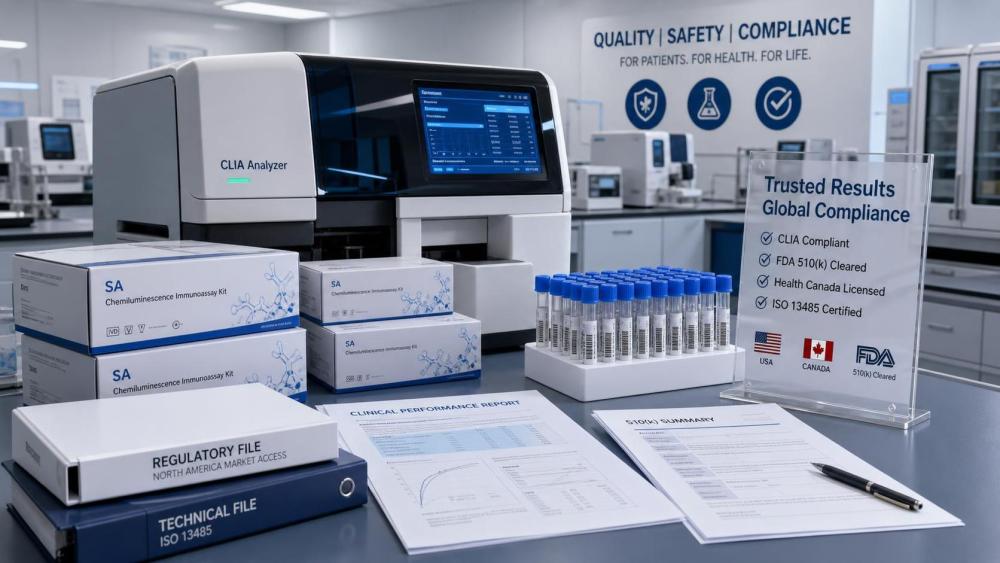
The confirmed facts provided are limited but clear. The FDA released the draft guidance on August 7, 2026. It applies to chemiluminescence immunoassay devices placed on the U.S. market, including associated reagents. According to the summary provided, beginning on January 1, 2027, these products must submit the clinical performance validation data listed under Annex XVI. The required data categories include multicenter cross-comparison using real-world samples, repeatability verification for LOD/LOQ, and interference substance spectrum analysis reports. The same summary states that this requirement directly affects the registration pathway and listing timeline for Chinese exporters targeting the U.S., Canadian, and Mexican markets.
Where the Pressure Will Likely Appear First
Registration and market-entry teams may face a narrower submission window
From an industry perspective, the most immediate impact is likely to fall on companies preparing filings for chemiluminescence systems and related reagents. If Annex XVI clinical evidence becomes a required submission element from the stated date, registration planning, dossier assembly, and launch sequencing may need to be adjusted. What deserves closer attention is whether existing technical files, validation records, and product claims are already organized in a way that can support the required evidence package.
Exporters and cross-border sales channels may need to revisit delivery assumptions
Chinese exporters serving North American customers may see the practical effect first in sales commitments and shipment planning. Analysis shows that when registration inputs become more evidence-heavy, quotation validity, order confirmation timing, and delivery forecasting can all come under pressure. For channel partners and import-side buyers, the immediate concern is less about policy language itself and more about whether product availability and listing progress still match procurement schedules.
Testing and evidence-preparation partners may become more central to market access
The summary specifically mentions multicenter real-world sample comparison, LOD/LOQ repeatability verification, and interference substance spectrum analysis. Observably, that shifts attention toward the organizations and internal teams responsible for study design, laboratory verification, data integrity, and report readiness. For companies relying on external testing or validation support, the practical issue is whether documentation output, technical scope, and timing align with the new submission expectation.
Procurement and after-sales functions may need tighter document control
For procurement teams, distributors, and after-sales support providers, the rule change may surface through documentation requests rather than through product changes alone. Buyers may begin asking for clearer evidence status, validation materials, or compliance declarations before placing orders or finalizing supplier lists. After-sales teams may also need stronger traceability over reagent-device pairing, technical records, and product documentation if market access milestones begin to affect installation or replenishment timing.
What Companies Should Track Before the Effective Date
Check whether current files can support the named evidence categories
Analysis shows that companies should first review whether current submission materials already cover the evidence areas identified in the summary. The practical question is not only whether testing exists, but whether it is documented in a format that can be used for regulatory review, tender responses, or customer due diligence.
Watch for later clarification on implementation language
Because the input describes this as draft guidance, it is more appropriate to understand the current development as a strong regulatory signal rather than a fully explained execution framework. Companies should therefore follow later official wording, interpretive updates, and any changes in how the evidence requirement is described or applied in practice.
Reassess launch calendars, tender commitments, and supply planning
For products intended for the affected market, commercial planning may need to account for longer evidence preparation and review coordination. Observably, this matters not only for first registration but also for procurement schedules, distributor commitments, and customer-facing delivery promises tied to listing progress.
Prepare for closer scrutiny of technical and quality records
What deserves closer attention is the quality of supporting records around validation, report consistency, and traceability between devices and reagents. Even where no confirmed enforcement detail has been provided, companies exposed to export risk may need stronger internal readiness around technical documents, report version control, and evidence retrieval.
Why This Reads as an Execution Signal, Not Just a Draft Update
Analysis shows that the significance of this development lies less in the publication of another guidance text and more in the combination of scope, evidence specificity, and an identified start date. The summary points to a rule change that can affect how chemiluminescence immunoassay products are prepared for market entry, not just how they are described in regulatory correspondence. At the same time, because the provided information does not include detailed implementation mechanics, industry participants should avoid treating every downstream consequence as settled. It is more appropriate to understand this as a concrete compliance signal with real planning implications, while still leaving room for continued observation of execution details.
How the Market May Need to Read This Development
In practical terms, this update should be read as a compliance-driven change affecting registration readiness, documentation depth, and commercial timing for chemiluminescence immunoassay devices and related reagents. It does not by itself confirm every procedural outcome, but it clearly raises the importance of clinical performance evidence in market access preparation. A neutral reading is that the change is already meaningful for affected businesses, while the exact operational impact still depends on how the requirement is interpreted and applied in subsequent practice.
Basis of This Article and What Still Needs Verification
This article is based on the user-provided news title, event date, and event summary. For developments of this type, relevant source categories usually include official regulatory announcements, guidance documents issued by supervisory authorities, trade or customs information, industry association updates, standards body documents, and reporting by established professional media. No specific official source link was provided in the input, so the precise official publication path still requires follow-up verification. Observably, the areas that remain worth tracking include later policy wording, certification and registration interpretation, tender document changes, market feedback, and how affected companies implement the requirement in practice.
Recommended News
 Sep 22, 2026How Life Science Labs Can Select Biomedical Research Equipment by Workflow and ThroughputBiomedical research equipment life science labs can select with confidence by aligning workflow, throughput, automation, data integrity, and scalable support.
 Sep 21, 2026How to Plan LIS Connectivity for Chemiluminescence Analyzers Without Data GapsChemiluminescence analyzers LIS connectivity: learn how to prevent data gaps with field mapping, exception workflows, end-to-end validation, and reliable go-live planning.
 Sep 20, 2026Selecting Fluorescence PCR Instruments: Detection Channels, Sensitivity, and Workflow FitPCR diagnostic instruments fluorescence detection guide: compare channels, sensitivity, multiplexing, and workflow fit to select a reliable platform.
 Sep 19, 2026Biomedical Signal Processing: From Sensor Data to Clinical Decision SupportBiomedical signal processing transforms sensor data into reliable clinical decision support. Explore AI, imaging, IVD, ICU monitoring, and compliance-ready MedTech insights.
 Sep 18, 2026How to Evaluate a Diagnostic Imaging Platform for Multi-Modality Workflow IntegrationDiagnostic imaging platform evaluation guide: assess multi-modality workflows, interoperability, AI integration, image integrity, security, and scalability for safer clinical decisions.
 Sep 17, 2026ISO 13485 for Medical Imaging Equipment: What Manufacturers Must DocumentMedical imaging equipment ISO 13485: discover essential documentation for design controls, risk management, traceability, software, and post-market quality.
 Sep 16, 2026Robotic MIS Equipment: What Hospitals Should Evaluate Before AdoptionMinimally invasive surgical equipment robotic adoption guide: evaluate workflow, safety, imaging, costs, cybersecurity, and service readiness.
 Sep 15, 2026How to Evaluate Biomedical Signal Processing Suppliers for Clinical Device ProjectsBiomedical signal processing supplier evaluation guide for clinical device teams—compare signal fidelity, regulatory evidence, cybersecurity, integration, and lifecycle support.
 Sep 14, 2026How Integrated Clinical Diagnostics Solutions Reduce Turnaround Time Across Lab WorkflowsIntegrated clinical diagnostics solutions reduce lab turnaround time by connecting workflows, automation, and data. Discover practical strategies for faster, traceable results.
 Sep 13, 2026ECMO System Market Outlook: Demand Drivers, Investment Risks, and Growth OpportunitiesECMO system market outlook explores demand drivers, investment risks, regulatory factors, and growth opportunities shaping critical-care innovation and adoption.
 Sep 12, 2026Where to Find Reliable Medical Device Information for Research and Due DiligenceMedical device information resource guide for due diligence: verify regulatory, clinical, safety, and technical evidence to make confident decisions.
 Sep 11, 2026Medical Equipment Intelligence: A Resource for Comparing Clinical TechnologiesMedical equipment intelligence resource for comparing clinical technologies by clinical fit, compliance, workflow, and total cost—make confident, evidence-led decisions.
 Sep 10, 2026How to Integrate Application-Specific Medical Solutions Into Existing Clinical WorkflowsApplication-specific medical solutions integration: learn how to align clinical workflows, interoperability, safety, and measurable outcomes for reliable deployment.
 Sep 09, 2026Medical Supplier Evaluation Checklist: How to Verify Quality, Compliance, and Delivery RiskMedical supplier evaluation checklist for verifying quality, compliance, service capacity, configuration accuracy, and delivery risk before purchase approval.
 Sep 08, 2026Selecting IVD Instruments With Automatic Sample Loading: Key Workflow CriteriaIVD instruments automatic sample loading: evaluate workflow capacity, traceability, STAT handling, LIS integration, and exceptions for smarter lab selection.
 Sep 07, 2026How to Evaluate a Clinical Diagnostic Systems Supplier for Hospital ProcurementClinical diagnostic systems supplier evaluation guide for hospitals: compare clinical performance, compliance, uptime, interoperability, cybersecurity, and lifecycle value.
 Sep 07, 2026How to Choose Critical Care Equipment for Emergency Room ReadinessCritical care equipment emergency room planning: discover how to select reliable, interoperable devices that strengthen readiness, safety, and lifecycle value.
 Sep 05, 2026Ventilator Comparison for ICU and Transport Use: Which Features Matter Most?Ventilator comparison for ICU and transport use: discover the features that support safer ventilation, reliable monitoring, battery planning, and seamless patient transfers.
 Sep 14, 2026Is Photon-Counting CT Clinically Better Than Conventional CT for Exporters?Is photon-counting CT clinically better than conventional CT for exporters? Explore clinical use cases, compliance, ROI, and market-ready sales strategy.
 Sep 14, 2026Do You Need a Local Distributor to Register Medical Devices in Southeast Asia?Do I need a local distributor to register devices in Southeast Asia? Learn how to separate regulatory ownership, import rights, and distribution for smoother market access.
 Sep 13, 2026How Should an MDR Clinical Performance Study Be Designed for IVD Products?How to design a clinical performance study for IVD products MDR: explore claim-driven endpoints, representative specimens, bias control, and audit-ready evidence.
 Sep 13, 2026What Validation Is Required for Medical Imaging Algorithms Under the MDR?What validation is required for medical imaging analysis algorithms MDR? Explore technical, clinical, risk, dataset, and post-market evidence requirements.
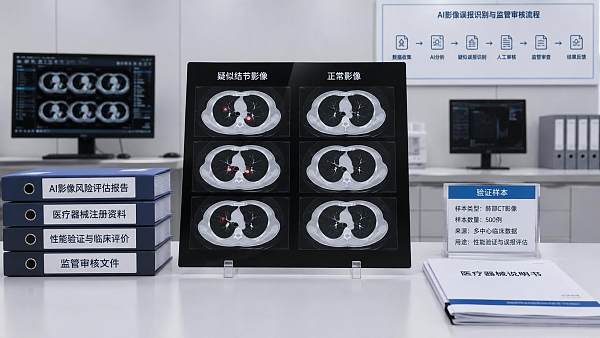
 Sep 12, 2026How Are AI Imaging False Positives Handled in Regulatory Review?How are AI imaging false positives handled under regulatory review? Explore FDA and EU MDR expectations for risk control, clinical validation, labeling, and post-market monitoring.
 Sep 12, 2026What After-Sales Technical Support Is Expected for Life-Support Exports?What after-sales technical support is expected for life support exports? Explore essential service, training, spare-parts, cybersecurity, and compliance requirements.



















Related News
- 00
0000-00
How to Plan LIS Connectivity for Chemiluminescence Analyzers Without Data Gaps - 00
0000-00
FDA Draft IVD Rule Raises Clinical Evidence Bar - 00
0000-00
EU Extends MDR Transition, Tightens Rules for Chemiluminescence IVDs - 00
0000-00
EU MDR Transition Ends, Hitting 1,200+ Chinese IVD Firms - 00
0000-00
EU MDR Transition Ends, 1,200+ China IVD Firms at Risk
Weekly Insights
Stay ahead with our curated technology reports delivered every Monday.