
Precision Diagnostics Technology Costs: Equipment, Testing and Maintenance





When two diagnostic systems appear to meet the same clinical requirement, the lower equipment quote may not be the less expensive purchase. Precision diagnostics technology cost includes the capital price, site preparation, testing supplies, labor, software, service, and downtime exposure over the equipment’s useful life. Compare bids using the same expected workload and ownership period before deciding which offer provides better value.
The distinction matters when an imaging department is budgeting for a scanner or a laboratory is selecting an analyzer. A favorable instrument price can be offset by construction work, minimum reagent commitments, or exclusions in the service agreement. The practical starting point is a cost model that separates one-time spending from recurring costs and makes uncertain assumptions visible.
Start with the full cost of getting the system into use
The acquisition price should include more than the base instrument. Ask each supplier to identify the hardware, software licenses, accessories, installation, acceptance testing, and initial training included in its quotation. A bid that lists an analyzer without sample-handling components, or an imaging system without the workstation needed for the intended workflow, is not directly comparable with a complete configuration.
Site readiness can also change the economics. Imaging equipment may require structural assessment, electrical upgrades, cooling, shielding, or modifications to access routes. MRI installations can have additional room and safety requirements; CT installations require an assessment of radiation protection and local approval requirements. The scope depends on the equipment and the existing facility, so obtain a site-specific assessment rather than treating construction as a standard allowance.
Laboratory systems may need benches, water quality checks, drainage, power protection, ventilation, network connections, or changes to sample flow. Include the cost of moving or disposing of an existing instrument where applicable. Assign responsibility for each task: an installation quote does not necessarily cover the building work needed before the supplier arrives.

Commissioning expenses can extend beyond installation. Budget for acceptance tests, method verification or validation as applicable, staff training, and the period during which the old and new systems operate in parallel. Before signing, establish who supplies test materials, who performs each activity, and what evidence is required before the system is accepted for clinical use.
Build a comparable ownership model
Choose one evaluation period for all bids and use it consistently. It should reflect the organization’s planning horizon and expected replacement strategy, not a supplier’s preferred contract term. Separate committed prices from estimates and identify which party controls each assumption.
A basic calculation is: total cost of ownership = upfront costs + recurring operating costs + expected lifecycle costs − any documented residual value. Treat residual value cautiously if there is no written buyback offer or credible disposal plan. Taxes, financing costs, and inflation or discounting assumptions may also matter; apply the same financial treatment to every option.
Show the result as both a total and a cost per completed examination or reportable test. The denominator should reflect usable output, not merely the instrument’s advertised capacity. Model a lower-volume scenario as well as the expected workload: fixed costs spread across fewer tests can materially change the comparison.
Calculate the real cost of each test
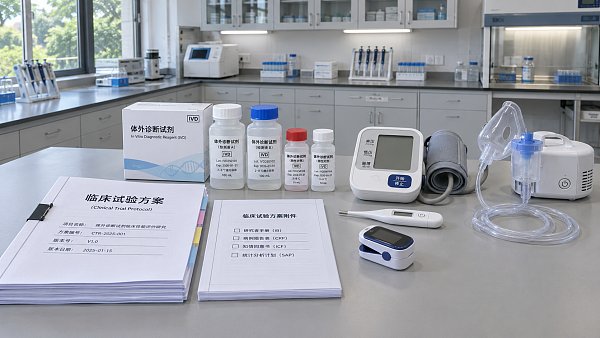
For an IVD analyzer, the reagent price per test is only one part of operating cost. Include sample containers and preparation materials where relevant, assay consumables, calibrators, controls, cleaning supplies, and waste handling. Also account for repeats, failed runs, expired materials, and minimum quantities that may be difficult to use before expiry. Estimate these from local experience where available; otherwise, flag them as assumptions for sensitivity testing.
Batch size is particularly important for molecular testing and other workflows with run-level controls or setup requirements. A laboratory processing small, intermittent batches may consume a different amount of material per reportable result than one running full batches. Ask suppliers to provide a bill of materials for the actual test mix and operating pattern, including controls and calibration frequency under the proposed workflow.
Reagent rental or placement agreements can reduce the initial instrument payment but may tie the organization to purchase volumes, assay pricing, or contract duration. Request the instrument’s purchase option, minimum commitments, shortfall charges, annual price adjustment terms, and treatment of unused stock. Compare the complete agreement with an outright purchase using the same volumes and time period.
Imaging cost per examination
An imaging system has a different cost profile. Consumables may be less significant than service, staffing, facilities, software, and utilization, although the required supplies depend on the examination. Include relevant patient preparation materials, contrast-related costs where applicable, cleaning, and scheduled quality assurance. Do not assign costs to the scanner that belong to a separate clinical service without making that allocation explicit.
Use the expected number of completed examinations, allowing for operating hours, appointment length, preparation, cleaning, and planned maintenance. Installed capacity is not the same as booked or completed activity. A system designed for higher throughput may justify its cost when demand and staffing support that throughput; otherwise, a less expensive configuration may deliver the required service at a lower cost per examination.
Maintenance quotes need a line-by-line comparison
A service contract should state the preventive maintenance schedule, response arrangements, repair coverage, parts exclusions, and conditions for software updates. Check whether travel, labor outside normal hours, remote support, and replacement equipment are included. A stated response time is not necessarily a repair time or an uptime guarantee; the contract should define each measure and any associated remedy.
For imaging equipment, clarify coverage of major components and any limits based on usage or component life. For laboratory analyzers, ask about probes, pumps, optical components, scheduled replacement parts, and user maintenance. The exact components and exclusions vary by system, so compare the contract against the proposed configuration rather than relying on a general service brochure.
Also identify what happens when a fault interrupts testing. Backup arrangements might involve another instrument, an external laboratory, rescheduling, or transferring patients. Estimate the direct costs that the organization would bear, such as transport, additional testing, overtime, or repeat examinations. Avoid counting hypothetical clinical or revenue impacts as certain savings unless the assumptions can be supported locally.
Software, connectivity, and compliance can alter the price
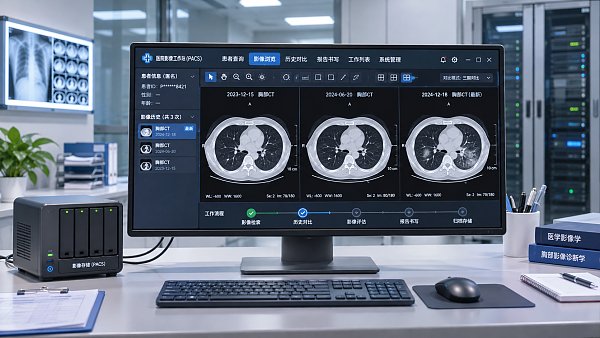
Diagnostic equipment often depends on connections to laboratory, radiology, or hospital information systems. Obtain separate quotations for interfaces, implementation, testing, and ongoing support. Confirm whether licenses are perpetual or subscription-based, whether they are limited by workstation or user, and whether essential functions continue if a subscription ends.
Ask who maintains operating systems, security updates, remote access, and compatibility with connected infrastructure. An inexpensive system that cannot be supported within the organization’s cybersecurity requirements may require additional controls or become costly to maintain. Include data migration, export, and retention arrangements in the exit plan, especially where proprietary formats or interfaces are involved.
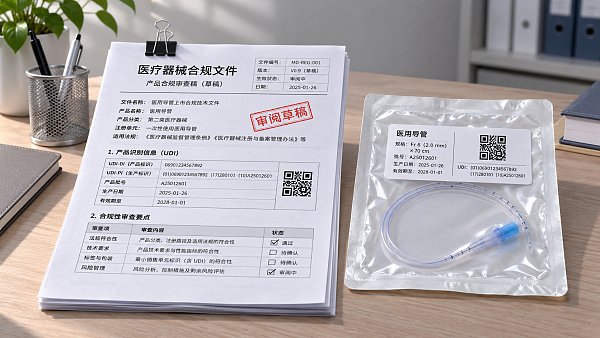
For each intended market and clinical use, verify the applicable device authorization, labeling, installation requirements, and local obligations. Do not assume that an authorization for one configuration, assay, or jurisdiction automatically covers another. Compliance work may include documentation review, acceptance testing, and local quality procedures; include the associated staff time and any external fees in the deployment budget.
Turn supplier quotes into a defensible decision
Send suppliers the same workload assumptions and ask them to price a configuration that meets the same clinical and operational requirements. Request an itemized response rather than a single bundled total. Where an item is optional, identify whether it is necessary for the intended service or merely desirable.
- Define the workload. Specify expected annual examinations or reportable tests, test mix, operating hours, turnaround needs, and any planned growth.
- Normalize the configuration. Include required accessories, interfaces, training, site work, and validation materials for every bid.
- Model recurring use. Apply the same volume assumptions to consumables, labor, utilities, service, and software fees; identify supplier-specific rates and commitments.
- Test uncertainty. Recalculate at lower and higher activity levels and examine the effect of reagent waste, service exclusions, or price adjustments.
- Check contractual exposure. Review termination charges, ownership of equipment and data, renewal terms, spare-parts support, and responsibilities at end of service.
Keep clinical performance as a condition of comparison, not a cost saving to be assumed. A cheaper assay is not equivalent if it does not meet the required intended use or local performance criteria. Likewise, a scanner’s advanced features should be costed only when the necessary hardware, licenses, training, and workflow support are included; anticipated throughput gains should be tested against realistic staffing and demand.
Before award, document the preferred option’s total projected spending, the assumptions with the greatest effect on cost, and the items still subject to confirmation. This gives budget holders a basis for negotiating unresolved exclusions and leaves an auditable record if actual volumes, service needs, or prices later differ from the original estimate.
Have questions about the global trade trends discussed here, or planning your expansion and supply chain strategy? Leave a message below and let the trade experts at AMDS guide you.
“We respect your privacy. Your information is strictly confidential.”
Recommended News
 Nov 17, 2026Australia's TGA Consults on Adding UDI Information to Medical Device CertificatesAustralia's TGA is consulting on adding UDI information to medical device certificates of free sale. Discover what the proposal could mean for global market access.
 Nov 17, 2026Choosing a Medical Imaging Software Vendor: Integration and SupportChoosing a medical imaging software vendor? Compare integration, migration, security, costs, and support to make a confident decision.
 Nov 16, 2026China's NMPA to Expand Class III Device Trial Consultations From 2027China’s NMPA plans to expand Class III medical device trial consultations from 2027. Explore the proposed scope, application pathways and planning implications.
 Summaries") Nov 15, 2026FDA Approves 25 AI Medical Devices as Innolitics Reviews 510(k) SummariesExplore Innolitics’ review of 25 reported FDA AI medical device decisions and learn how 510(k) summaries can inform product and purchasing reviews.
 Nov 15, 2026Choosing 4K Endoscopy Systems in North America: Compatibility and Image QualityExplore 4K endoscopy systems in North America: compare compatibility, image quality and regulatory requirements to make a confident purchase.
 Nov 14, 2026China-EU Medical Device Meeting Yields Over 100 Cooperation IntentionsChina-EU medical device trade gains momentum as a matchmaking meeting generates over 100 cooperation intentions. Explore what the results mean for buyers and suppliers.
 Nov 14, 2026Medical Device Procurement: How to Evaluate Specifications Before BuyingMedical device specification guide for procurement teams: compare performance, compatibility, regulatory status and lifetime costs before you buy.
 Nov 13, 2026Clear Labs Expands Clear Dx Oncology NGS Workflow at AMP Annual MeetingClear Dx expands its oncology NGS workflow with automated extraction and tissue panel preparation. Explore what the integration means for laboratories.
 Nov 13, 2026Choosing a Portable Life Support System for Patient TransportFind the right clinical life support portable system for patient transport. Compare ventilation, monitoring, oxygen reserves, battery life, and safety.
 Nov 12, 2026EU and Singapore Sign Public Health Cooperation Arrangement Covering Medical DevicesEU-Singapore medical device cooperation could reshape regulatory coordination. Discover what the arrangement means for compliance and market access.
 Nov 12, 2026Choosing a Veterinary Hematology Analyzer: Species and CBC ParametersCompare blood cell analyzers veterinary clinics and labs can use, from species coverage and CBC parameters to validation, workflow, and lifetime costs.
 Nov 11, 2026Experts Warn Wellness Claims Offer Little Regulatory Shelter for Diagnostic TestsWellness claims may not shield diagnostic tests from regulatory scrutiny. Explore what IVD and OTC test makers and buyers should consider before launch.
 Nov 11, 2026Emergency Ventilation in Critical Care: Initial Settings and MonitoringCritical care ventilation emergency care: explore initial ventilator settings, monitoring essentials, and alarm response for adult patients.
 Nov 10, 2026FDA Issues Final Guidance on Emerging Pathogen IVD Validation for Emergency UseExplore FDA guidance on emerging pathogen IVD validation and learn how manufacturers can prepare performance evidence for emergency use authorization.
 Nov 10, 2026Life Support Technology: How Ventilators and ECMO Support PatientsExplore life support technology and learn how ventilators and ECMO assist patients, their key differences and risks, and what families can ask the ICU team.
 Nov 09, 2026US Senate Draft PATIENT AI Act Proposes Changes to Medical AI Software ReviewPATIENT AI Act discussion draft: Explore proposed changes to medical AI software oversight, rolling reviews, payment pathways and market access.
 Nov 09, 2026Medical Device Digitalization in Hospitals: Connecting Devices to EHRsExplore medical device digitalization in hospitals and learn how to connect devices to EHRs with reliable patient matching, secure data exchange, and safer workflows.
 Criteria") Nov 08, 2026Selecting a Predicate Device for Imaging Equipment: FDA 510(k) CriteriaLearn how to choose a predicate device for FDA 510(k) imaging equipment. Compare intended use, technology, and evidence to build a defensible submission.
 Nov 07, 2026FDA Releases Discussion Paper on Benefit-Risk Assessment for Robotic Medical DevicesFDA benefit-risk assessment for robotic medical devices: explore the discussion paper and what it could mean for developers and market access.
 Nov 07, 2026How 3D Medical Image Reconstruction Turns CT and MRI Scans into ModelsDiscover how medical imaging reconstruction 3D workflows turn CT and MRI scans into models, and learn what makes them reliable for clinical use.
 Nov 06, 2026Medical Imaging Compliance in North America: U.S. and Canadian RequirementsMedical imaging compliance North America: compare U.S. and Canadian requirements for device licensing, radiation safety, quality systems, AI, and cybersecurity.
 Nov 06, 2026Siemens Healthineers Plans Rebrand and Diagnostics Spin-OffSiemens Healthineers plans a rebrand and diagnostics spin-off. Explore what the proposed separation could mean for imaging, suppliers and customers.
 Nov 05, 2026Precision Diagnostics Technology Costs: Equipment, Testing and MaintenanceExplore precision diagnostics technology cost, from equipment and testing to maintenance. Compare total ownership costs and make a confident purchasing decision.
 Nov 05, 2026Philips Reaches €288 Million Agreement in Principle With DOJ Over CPAP RecallPhilips CPAP recall: Explore the €288 million agreement in principle with the DOJ and what it could mean for device buyers, suppliers and compliance teams.



Related News
- 00
0000-00
China-EU Medical Device Meeting Yields Over 100 Cooperation Intentions - 00
0000-00
Siemens Healthineers Plans Rebrand and Diagnostics Spin-Off - 00
0000-00
Precision Diagnostics Technology Costs: Equipment, Testing and Maintenance - 00
0000-00
Choosing a Medical Device Sourcing Platform: Supplier Checks and Fees - 00
0000-00
2026 Medical Equipment Brand Influence Research Report Released in Shanghai
0000-00
Weekly Insights
Stay ahead with our curated technology reports delivered every Monday.