
Choosing a Veterinary Hematology Analyzer: Species and CBC Parameters
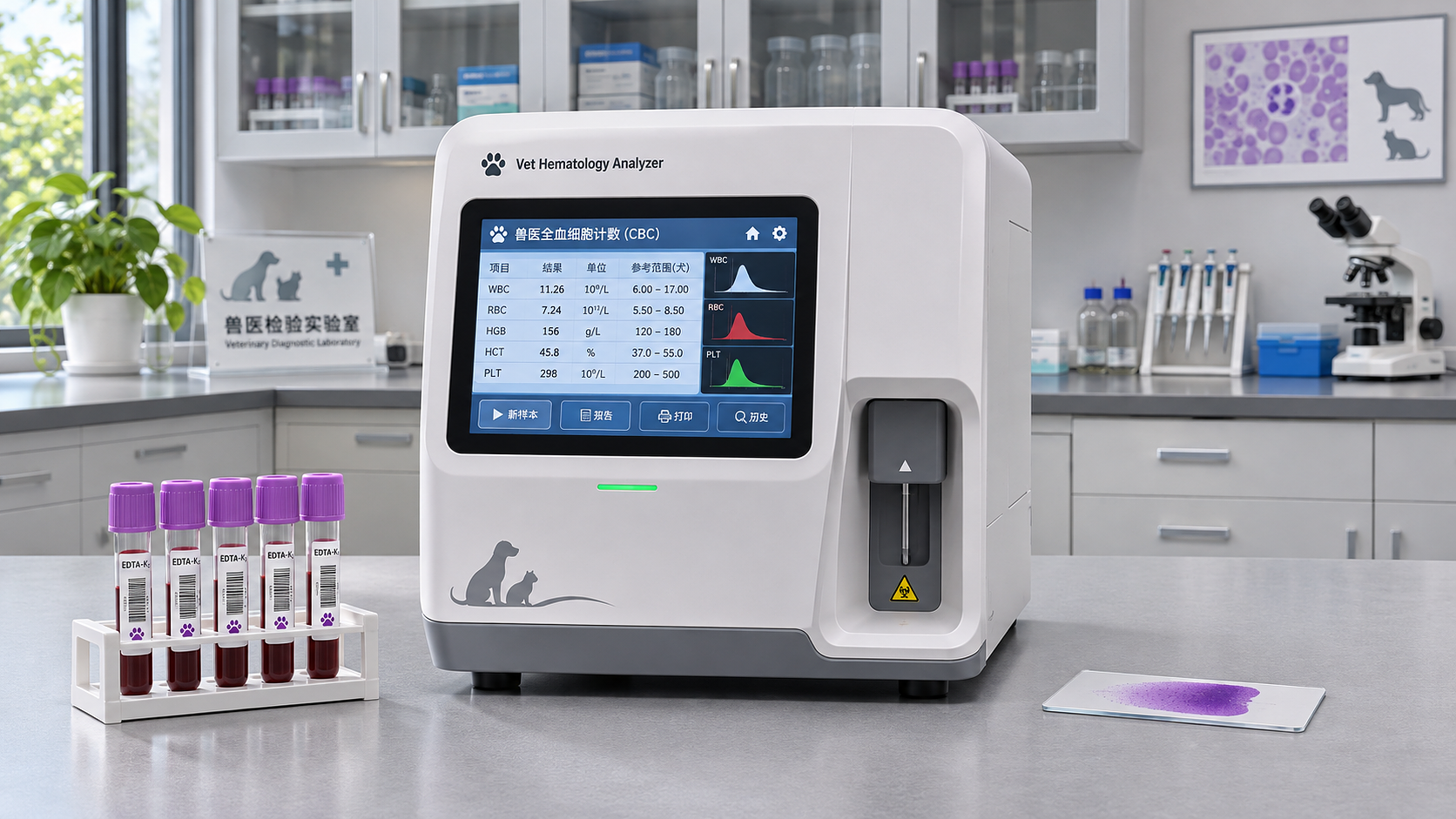




Choosing a veterinary hematology analyzer requires more than comparing instrument specifications. For technical evaluators, the critical questions are whether a system supports the species tested.
It must also produce clinically useful complete blood count (CBC) parameters and deliver reliable results across relevant sample types and workloads.
This guide examines blood cell analyzers veterinary laboratories and clinics may consider, focusing on species-specific settings, red and white blood cell measurements, platelet counts, and practical performance considerations.
Use it to identify the capabilities that matter most before comparing instruments or requesting validation data. Prioritize documented performance in your species and samples over parameter counts alone.
Which species does the analyzer actually support?
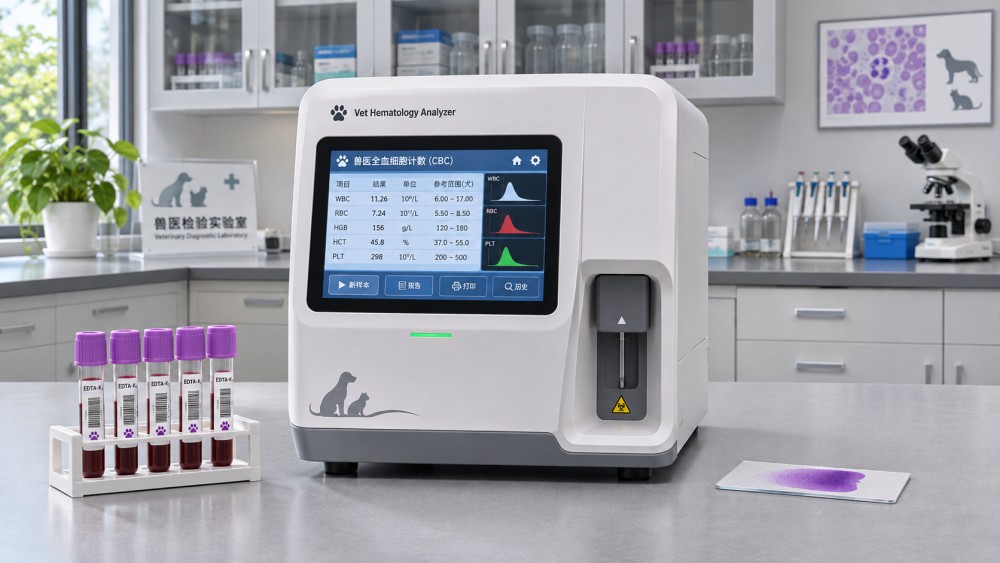
Start with your laboratory’s species mix, including low-volume patients and referral cases. A system calibrated for dogs and cats may not reliably classify cells from other animals.
Ask the manufacturer for a current list of supported species, the available analysis mode for each, and the evidence behind every claimed measurement.
Separate species with validated quantitative results from those offered under a research, generic, or screening mode. Confirm which parameters are reported, suppressed, or flagged in each mode.
For example, a device may report a total white blood cell count for a species while providing no validated automated differential. Your workflow must account for that limitation.
Species-specific reference intervals are a separate requirement. Determine whether intervals are supplied, where they originated, and whether your laboratory can enter or verify its own intervals.
Also check whether age, breed, health status, and collection conditions affect interpretation. A manufacturer’s interval should not automatically replace local verification or appropriate published veterinary references.
For mixed-animal practices, estimate how often each species is tested and how often samples would require manual review or referral. This reveals the practical value of broad species coverage.
Which CBC parameters are essential for your cases?
A useful comparison begins with clinical questions, not the longest parameter list. Map each reported value to the decisions your veterinarians or laboratory clients need to make.
For red blood cells, assess the availability of red blood cell count, hemoglobin, hematocrit, mean corpuscular volume, mean corpuscular hemoglobin, and mean corpuscular hemoglobin concentration.
These measurements help characterize anemia and other erythrocyte abnormalities, but their usefulness depends on accurate measurement and appropriate species-specific interpretation.
Clarify which values are directly measured and which are calculated. Errors in an underlying measurement can affect derived indices and create misleading patterns.
If reticulocyte analysis matters, check whether the analyzer provides an absolute reticulocyte count and whether that result is validated for the species you test.
In cats, ask how the system handles aggregate and punctate reticulocytes, and whether its output supports your laboratory’s preferred interpretation and reporting practice.
For white blood cells, compare the total leukocyte count and the reported differential. A five-part differential generally separates neutrophils, lymphocytes, monocytes, eosinophils, and basophils.
A three-part differential groups some cell populations together. It may suit routine screening, but it provides less detail and can increase the need for blood smear review.
Request performance data for abnormal samples, not just healthy controls. Leukopenia, leukocytosis, immature cells, and unusual cell morphology can challenge automated classification.
For platelets, assess the reported count, the measurement method, relevant flags, and the instrument’s handling of low counts. These details matter more than the parameter name alone.
Large platelets and platelet clumps can distort automated counts, particularly in feline samples. Establish when a smear estimate or an alternative method is required.
Ask whether the analyzer reports platelet indices and whether those indices are validated for your species. A displayed value is not necessarily supported for clinical interpretation.
How do species-specific cells affect measurement?
Veterinary blood varies substantially in cell size and morphology. These differences can cause cell populations to overlap, making counting and classification more difficult.
Cats frequently present platelet clumping, while some breeds have unusually large platelets. An analyzer may underestimate the count or confuse large platelets with red cells.
In horses, leukocyte characteristics and sample handling can affect differential results. Review the manufacturer’s equine evidence rather than assuming canine performance transfers directly.
Ruminant samples may contain small red blood cells that complicate separation from platelets. Ask for validation data covering the particular species and count ranges you encounter.
Birds and many reptiles have nucleated red blood cells and thrombocytes. Instruments designed around mammalian cell characteristics may misclassify these cells or produce unreliable leukocyte counts.
For exotic species, confirm whether the system has a validated method for correcting or distinguishing nucleated cells. Otherwise, plan for manual methods or referral testing.
Do not assume that selecting a species name changes every relevant analytical setting. Request documentation describing calibration, algorithms, reportable parameters, and known interferences for that mode.
How should you evaluate accuracy and reliability?
Ask suppliers for species-specific method comparison data against an appropriate reference method. Review the number of samples, clinical diversity, concentration ranges, and the comparator used.
A correlation coefficient alone is insufficient. Examine bias, agreement, and performance at clinically important decision points, especially for low platelet counts or severe leukopenia.
For differentials, request comparisons with a qualified manual differential and details of smear review procedures. Manual counts also have sampling variability, so interpret agreement accordingly.
Review precision using repeated measurements at normal and abnormal levels. Ask for within-run and between-run results and check whether they meet your laboratory’s quality goals.
Confirm the analyzer’s reportable range for each key parameter and species. A system may flag results outside its validated range instead of reporting a reliable numeric value.
Carryover matters when a sample with an extreme count follows a low-count sample. Ask how carryover was evaluated and whether additional cleaning is needed.
Flags should be assessed alongside numeric accuracy. Determine which abnormalities trigger a flag, how often flags occur, and whether the instrument provides histograms or scatterplots for review.
During an on-site evaluation, include abnormal, low-count, and species-representative specimens when available. Compare results with your established method and investigate discrepancies using predefined criteria.
Document acceptance limits before testing. Involve the laboratory director or supervising veterinarian in deciding which differences are clinically significant and when manual review is mandatory.
What sample and workflow requirements can change the decision?
Compare the minimum required sample volume with the volumes you can routinely collect. Small patients may benefit from lower-volume testing, but confirm the actual aspiration and dead-volume requirements.
Check validated anticoagulants and collection tubes for each species. EDTA is common for mammalian CBCs, but suitability can vary, particularly for some avian and exotic specimens.
Ask about mixing, sample age, transport temperature, and time from collection to analysis. Delays can alter cell morphology and affect counts, differentials, and smear interpretation.
Evaluate throughput in the context of your real workload. Advertised tests per hour may exclude mixing, maintenance, quality control, repeat testing, and flagged-sample review.
For emergency settings, measure practical turnaround time from sample receipt to an actionable report. Include startup time, reagent readiness, and operator availability outside normal hours.
Review the frequency of cleaning, calibration, and quality control. Determine whether controls cover relevant species or whether additional verification procedures will be needed.
Ask how the instrument handles clots, insufficient volume, and instrument errors. Clear alerts and accessible troubleshooting can prevent delays and reduce unnecessary repeat collections.
Integration also matters. Confirm whether patient identifiers, species, results, flags, and images or graphs transfer correctly to your laboratory or practice management system.
How much will the analyzer cost over its useful life?
Compare total ownership costs over a defined period, not just the purchase price. Use your expected monthly volume and species mix to build comparable estimates.
Include reagents, controls, calibrators, consumables, maintenance, software, connectivity, service contracts, and operator training. Account for reagent expiration and minimum order quantities.
Calculate the cost of repeat tests, manual differentials, and referral samples. A lower instrument price may be offset by a high review rate in your patient population.
Ask whether reagents are proprietary, how long opened packs remain stable, and what happens if a supply is interrupted. Confirm local availability and delivery lead times.
For service planning, check response times, remote support, loaner availability, and the cost of repairs outside the contract. These factors affect operational continuity.
Estimate cost per reportable CBC by dividing total relevant costs by the number of usable reports, including the effect of failed runs and necessary repeats.
What evidence should you request before purchase?
Give each supplier the same species list, expected workload, and priority parameters. Request written responses so that claims can be compared consistently.
Ask for species-specific validation summaries, reportable ranges, precision data, method comparisons, interference information, and examples of flags and result displays.
Request instructions for use, maintenance schedules, quality control requirements, reagent stability, and a detailed quotation. Verify that the proposed configuration includes all necessary accessories.
Arrange a demonstration with your own representative samples where feasible. Include a process for resolving discrepancies and reviewing smears with qualified personnel.
Before acceptance, document installation checks, staff training, quality control procedures, and laboratory-defined verification criteria. Confirm who is responsible for each activity and its cost.
Making the final choice
The best veterinary hematology analyzer is the one that supports your actual species and clinical questions with evidence you can evaluate.
Prioritize validated CBC parameters, reliable performance at decision points, and a workable plan for flags and manual review. Then compare workflow, service, and lifetime costs.
A structured evaluation turns a specification sheet into a defensible purchasing decision and helps your laboratory deliver results clinicians can use with confidence.
Have questions about the global trade trends discussed here, or planning your expansion and supply chain strategy? Leave a message below and let the trade experts at AMDS guide you.
“We respect your privacy. Your information is strictly confidential.”
Recommended News
 Nov 17, 2026Australia's TGA Consults on Adding UDI Information to Medical Device CertificatesAustralia's TGA is consulting on adding UDI information to medical device certificates of free sale. Discover what the proposal could mean for global market access.
 Nov 17, 2026Choosing a Medical Imaging Software Vendor: Integration and SupportChoosing a medical imaging software vendor? Compare integration, migration, security, costs, and support to make a confident decision.
 Nov 16, 2026China's NMPA to Expand Class III Device Trial Consultations From 2027China’s NMPA plans to expand Class III medical device trial consultations from 2027. Explore the proposed scope, application pathways and planning implications.
 Summaries") Nov 15, 2026FDA Approves 25 AI Medical Devices as Innolitics Reviews 510(k) SummariesExplore Innolitics’ review of 25 reported FDA AI medical device decisions and learn how 510(k) summaries can inform product and purchasing reviews.
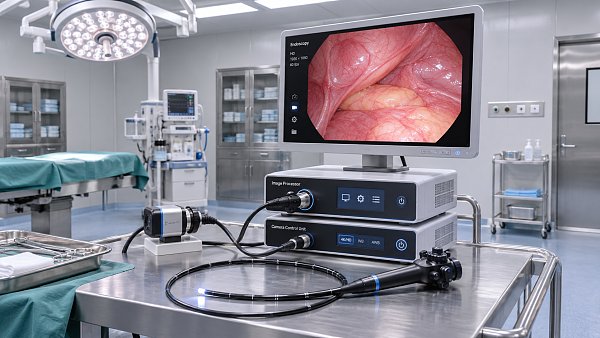
 Nov 15, 2026Choosing 4K Endoscopy Systems in North America: Compatibility and Image QualityExplore 4K endoscopy systems in North America: compare compatibility, image quality and regulatory requirements to make a confident purchase.
 Nov 14, 2026China-EU Medical Device Meeting Yields Over 100 Cooperation IntentionsChina-EU medical device trade gains momentum as a matchmaking meeting generates over 100 cooperation intentions. Explore what the results mean for buyers and suppliers.
 Nov 14, 2026Medical Device Procurement: How to Evaluate Specifications Before BuyingMedical device specification guide for procurement teams: compare performance, compatibility, regulatory status and lifetime costs before you buy.
 Nov 13, 2026Clear Labs Expands Clear Dx Oncology NGS Workflow at AMP Annual MeetingClear Dx expands its oncology NGS workflow with automated extraction and tissue panel preparation. Explore what the integration means for laboratories.
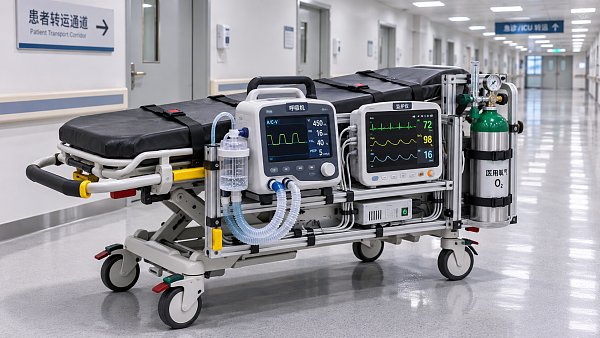
 Nov 13, 2026Choosing a Portable Life Support System for Patient TransportFind the right clinical life support portable system for patient transport. Compare ventilation, monitoring, oxygen reserves, battery life, and safety.
 Nov 12, 2026EU and Singapore Sign Public Health Cooperation Arrangement Covering Medical DevicesEU-Singapore medical device cooperation could reshape regulatory coordination. Discover what the arrangement means for compliance and market access.
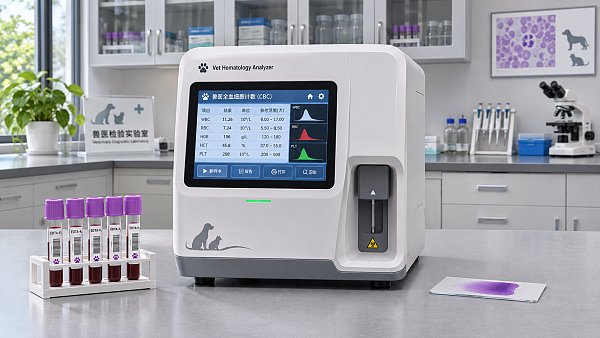
 Nov 12, 2026Choosing a Veterinary Hematology Analyzer: Species and CBC ParametersCompare blood cell analyzers veterinary clinics and labs can use, from species coverage and CBC parameters to validation, workflow, and lifetime costs.
 Nov 11, 2026Experts Warn Wellness Claims Offer Little Regulatory Shelter for Diagnostic TestsWellness claims may not shield diagnostic tests from regulatory scrutiny. Explore what IVD and OTC test makers and buyers should consider before launch.
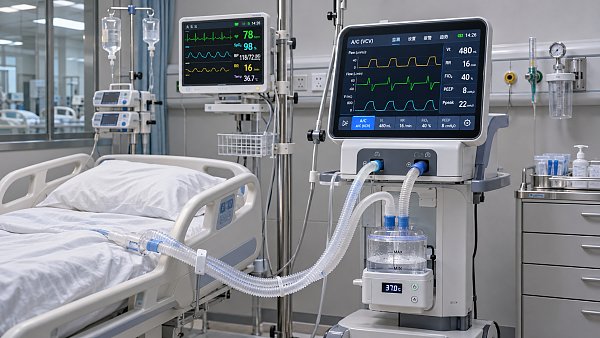
 Nov 11, 2026Emergency Ventilation in Critical Care: Initial Settings and MonitoringCritical care ventilation emergency care: explore initial ventilator settings, monitoring essentials, and alarm response for adult patients.
 Nov 10, 2026FDA Issues Final Guidance on Emerging Pathogen IVD Validation for Emergency UseExplore FDA guidance on emerging pathogen IVD validation and learn how manufacturers can prepare performance evidence for emergency use authorization.
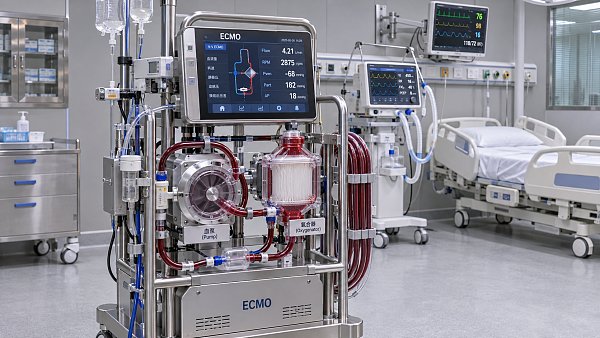
 Nov 10, 2026Life Support Technology: How Ventilators and ECMO Support PatientsExplore life support technology and learn how ventilators and ECMO assist patients, their key differences and risks, and what families can ask the ICU team.
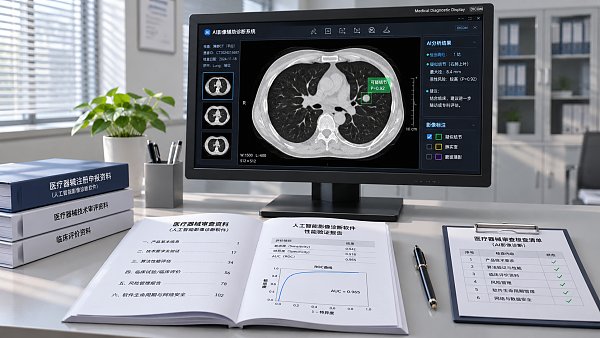
 Nov 09, 2026US Senate Draft PATIENT AI Act Proposes Changes to Medical AI Software ReviewPATIENT AI Act discussion draft: Explore proposed changes to medical AI software oversight, rolling reviews, payment pathways and market access.
 Nov 09, 2026Medical Device Digitalization in Hospitals: Connecting Devices to EHRsExplore medical device digitalization in hospitals and learn how to connect devices to EHRs with reliable patient matching, secure data exchange, and safer workflows.
 Criteria") Nov 08, 2026Selecting a Predicate Device for Imaging Equipment: FDA 510(k) CriteriaLearn how to choose a predicate device for FDA 510(k) imaging equipment. Compare intended use, technology, and evidence to build a defensible submission.
 Nov 07, 2026FDA Releases Discussion Paper on Benefit-Risk Assessment for Robotic Medical DevicesFDA benefit-risk assessment for robotic medical devices: explore the discussion paper and what it could mean for developers and market access.
 Nov 07, 2026How 3D Medical Image Reconstruction Turns CT and MRI Scans into ModelsDiscover how medical imaging reconstruction 3D workflows turn CT and MRI scans into models, and learn what makes them reliable for clinical use.
 Nov 06, 2026Medical Imaging Compliance in North America: U.S. and Canadian RequirementsMedical imaging compliance North America: compare U.S. and Canadian requirements for device licensing, radiation safety, quality systems, AI, and cybersecurity.
 Nov 06, 2026Siemens Healthineers Plans Rebrand and Diagnostics Spin-OffSiemens Healthineers plans a rebrand and diagnostics spin-off. Explore what the proposed separation could mean for imaging, suppliers and customers.
 Nov 05, 2026Precision Diagnostics Technology Costs: Equipment, Testing and MaintenanceExplore precision diagnostics technology cost, from equipment and testing to maintenance. Compare total ownership costs and make a confident purchasing decision.
 Nov 05, 2026Philips Reaches €288 Million Agreement in Principle With DOJ Over CPAP RecallPhilips CPAP recall: Explore the €288 million agreement in principle with the DOJ and what it could mean for device buyers, suppliers and compliance teams.







Related News
- 00
0000-00
Choosing a Veterinary Hematology Analyzer: Species and CBC Parameters - 00
0000-00
Selecting IVD Instruments With Automatic Sample Loading: Key Workflow Criteria - 00
0000-00
What Are the Trade-Offs Between Hematology Analyzer Technologies? - 00
0000-00
How to Select a Hematology Analyzer With Reliable Reticulocyte Counting - 00
0000-00
How to Choose a Blood Cell Analyzer for a Small Lab: Throughput, CBC Menu, and Cost
0000-00
Weekly Insights
Stay ahead with our curated technology reports delivered every Monday.