
Can medical device precision engineering reduce recalls?





Can medical device precision engineering reduce recalls? For quality control and safety leaders, the answer increasingly depends on how tightly design tolerances, process validation, supplier controls, and post-market data are connected. In high-risk systems—from imaging platforms and IVD instruments to ventilators, endoscopes, and surgical equipment—small deviations can become clinical, regulatory, and reputational threats. This article explores how precision engineering helps manufacturers detect variation earlier, strengthen compliance evidence, and build safer devices before defects reach patients.
Where recalls really start: variation before failure

Most recalls do not begin with a dramatic breakdown. They often start as small, repeated deviations in dimensions, materials, software behavior, calibration drift, or assembly conditions.
For quality control and safety managers, medical device precision engineering turns those deviations into measurable signals before they become complaints, adverse events, or field corrections.
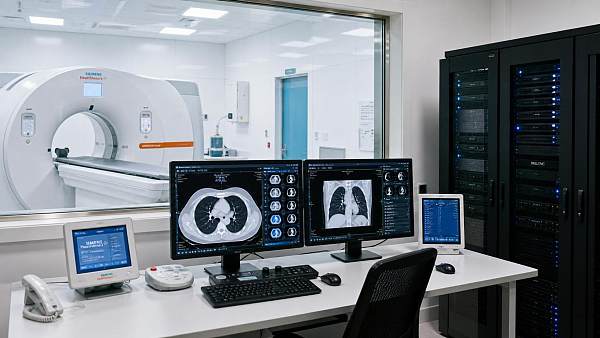
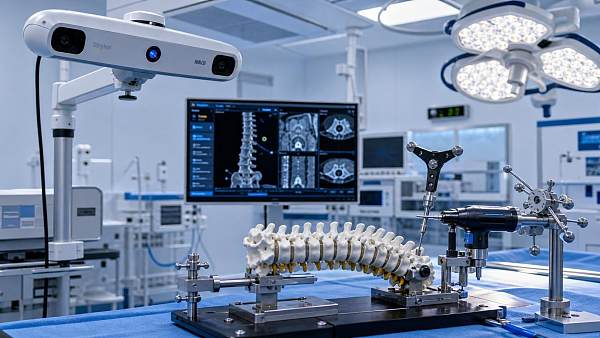
The challenge is broader than machining accuracy. A CT detector, PCR thermal block, ventilator valve, endoscope lens, or operating table actuator each has different risk pathways.
Common recall triggers that precision engineering can influence
- Tolerance stack-up causing misalignment in imaging gantries, optical modules, pump mechanisms, or robotic surgical accessories.
- Material inconsistency affecting sterilization resistance, biocompatibility, electrical insulation, fluid pathways, or mechanical fatigue performance.
- Process drift in bonding, soldering, molding, coating, calibration, sealing, or reagent dispensing operations.
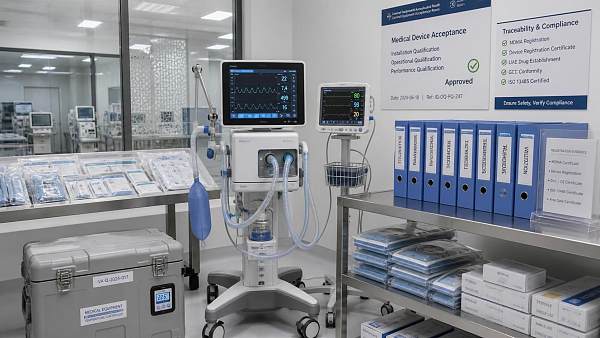
- Incomplete traceability linking suppliers, process lots, firmware versions, inspection records, and patient-facing device identifiers.
Medical device precision engineering reduces recall exposure when it is connected to design controls, process capability, risk management, and post-market surveillance, not treated as isolated technical craftsmanship.
How precision engineering supports safer design decisions
In regulated medical technology, design intent must survive manufacturing reality. Precision engineering helps translate clinical performance requirements into verifiable physical and digital specifications.
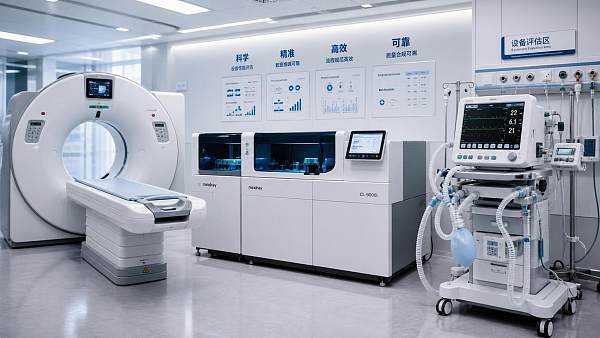
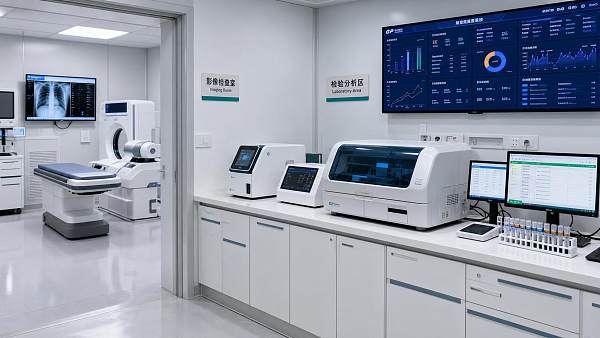
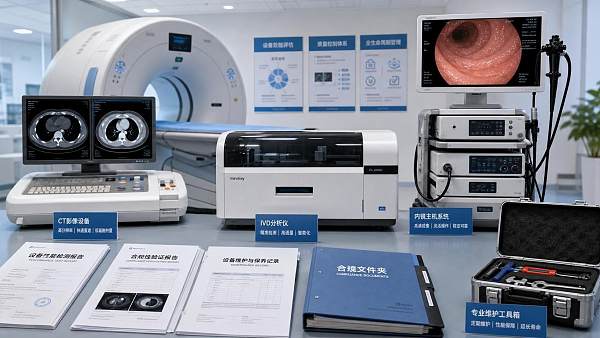
For AMDS focus areas, this link is critical. Imaging platforms need stable geometry, IVD instruments need fluidic repeatability, and life support devices need predictable control response.
The following table shows how medical device precision engineering can reduce recall pathways across different device families and safety concerns.
The table highlights one practical point: recall prevention depends on device-specific precision controls, not a generic inspection checklist applied at final release.
From specification to clinical risk
A dimensional defect is not automatically a safety defect. It becomes critical when it affects diagnosis, therapy delivery, sterility, usability, or alarm reliability.
That is why tolerances should be ranked by clinical severity, occurrence probability, detection capability, and regulatory impact under risk management principles such as ISO 14971.
What should QC leaders measure before defects escape?
Final inspection alone is a weak shield. By the time a device reaches final release, rework is costly and root-cause isolation becomes slower.
Medical device precision engineering works best when critical parameters are monitored at incoming inspection, in-process verification, automated testing, and post-market data review.
Practical parameter framework
The parameter set should reflect actual clinical use. Safety managers should challenge specifications that are easy to measure but weakly connected to patient risk.
A strong parameter framework helps teams defend decisions during audits, supplier reviews, design transfers, and corrective action investigations.
Precision engineering versus traditional inspection: which prevents recalls better?
Traditional inspection asks whether the finished product passes. Medical device precision engineering asks whether the process is capable, stable, traceable, and clinically meaningful.
For safety leaders facing limited budgets, this distinction matters. More inspectors do not always reduce recalls; better control points often do.
Decision comparison for resource allocation
- Use final inspection when defects are visible, low-frequency, and do not require complex root-cause correlation.
- Use in-process precision control when small deviations accumulate into functional or clinical performance failures.
- Use supplier capability audits when outsourced components determine safety-critical performance or sterilization compatibility.
- Use post-market signal analytics when complaints, service records, and sensor logs reveal field conditions not seen in validation.
The best recall prevention model is layered. It combines design margin, process validation, statistical monitoring, supplier discipline, and fast feedback from the field.
How to implement a recall-reduction precision program
Implementation should not begin with buying new measurement equipment. It should begin with mapping which failures would harm patients or trigger regulatory action.
AMDS often evaluates high-risk systems through connected intelligence: engineering behavior, clinical consequences, health economics, and market access requirements are reviewed together.
A practical five-step workflow
- Identify critical-to-quality characteristics from intended use, hazard analysis, complaint history, and clinical workflow requirements.
- Translate each characteristic into measurable specifications, test methods, sampling plans, and acceptance criteria.
- Validate processes where output cannot be fully verified later, including bonding, sterilization, cleaning, software release, and calibration.
- Connect supplier lots, production records, device identifiers, service events, and complaint codes for rapid containment.
- Review trend data regularly and update risk files, control plans, and training when early warning signals appear.
This workflow supports a preventive culture. It also gives quality teams clearer evidence when deciding whether to quarantine, rework, notify, or escalate.
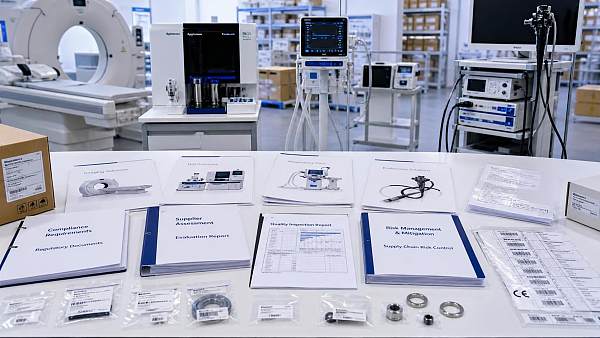
Supplier and procurement checks for safety-critical components
Procurement decisions can create recall risk years before launch. A low-cost sensor, valve, coating, connector, or optical element may become a high-cost field action.
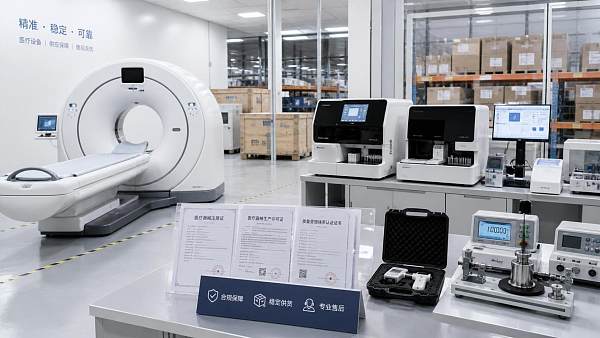
For medical device precision engineering, supplier selection should evaluate capability, change discipline, documentation quality, and understanding of regulated medical requirements.
The following checklist helps quality and sourcing teams compare suppliers beyond price and lead time.
A supplier with slightly higher unit cost may reduce total recall exposure if it provides stable processes, transparent data, and disciplined change notification.
Compliance evidence: turning precision data into audit strength
Regulators do not expect perfect products. They expect controlled processes, justified decisions, documented risk management, and timely corrective action when signals appear.
Medical device precision engineering strengthens compliance because it creates objective evidence. That evidence can support CE MDR technical files, FDA submissions, and QMS audits.
Evidence quality matters more than document volume
- Design verification should show that specifications are tied to intended clinical performance and foreseeable misuse.
- Process validation should prove that critical outputs remain controlled under defined operating conditions.
- CAPA records should connect symptoms, root cause, containment, correction, effectiveness checks, and risk file updates.
- Post-market surveillance should integrate complaints, service trends, vigilance reports, and real-world use patterns.
When evidence is fragmented, recall decisions become reactive. When evidence is connected, teams can defend proportional actions and avoid unnecessary market disruption.
Common misconceptions that weaken recall prevention
Many manufacturers invest in advanced equipment but still experience field issues. The problem is usually not one missing machine, but one missing connection.
Precision must connect engineering, manufacturing, clinical risk, regulatory evidence, supplier control, and service feedback. Otherwise, early warnings remain invisible.
Misconception 1: tighter tolerances always mean safer devices
Tighter tolerances can increase cost without reducing risk if they are not linked to clinical performance. The right tolerance is justified, measurable, and manufacturable.
Misconception 2: final testing can replace process control
Final testing may miss latent weaknesses, especially in fatigue, contamination, software interaction, or environmental exposure. Process control reduces variation before it accumulates.
Misconception 3: supplier certificates are enough
Certificates support documentation, but they do not replace capability evidence, change control agreements, incoming verification, and periodic supplier performance review.
FAQ for quality control and safety managers
Can medical device precision engineering eliminate recalls completely?
No responsible program can guarantee zero recalls. It can reduce preventable variation, improve early detection, narrow containment scope, and strengthen decision evidence.
Which devices benefit most from precision engineering controls?
High-risk or high-complexity devices benefit most, including imaging systems, IVD analyzers, ventilators, ECMO modules, endoscopes, surgical tables, and energy-based surgical tools.
What should be checked first when budget is limited?
Start with critical-to-quality characteristics linked to patient harm, regulatory nonconformity, complaint recurrence, supplier instability, or difficult field containment.
How does precision engineering support faster corrective action?
Better measurement data and traceability help isolate affected lots, identify process shifts, compare supplier batches, and verify whether corrective actions are effective.
Why consult AMDS before your next quality or safety decision?
AMDS connects clinical MedTech intelligence with engineering interpretation, compliance strategy, and procurement judgment across imaging, IVD, life support, OR, and endoscope systems.
Our Strategic Intelligence Center helps teams examine medical device precision engineering from multiple angles: technical feasibility, CE MDR and FDA expectations, and hospital value logic.
What you can discuss with AMDS
- Parameter confirmation for critical components, including tolerances, functional tests, environmental conditions, and acceptance criteria.
- Product selection and supplier evaluation for imaging, IVD, ventilator, endoscope, and operating room equipment projects.
- Compliance requirement review for technical documentation, risk files, process validation, post-market surveillance, and audit readiness.
- Customized intelligence support for delivery planning, sample evaluation, quotation comparison, and market access decision-making.
If your team is assessing recall risk, supplier capability, validation evidence, or a new device platform, AMDS can help clarify the engineering and compliance questions before costly decisions are locked in.
Recommended News
 Sep 01, 2026What to Evaluate in AI Image Reconstruction Software for Clinical Imaging?AI image reconstruction software: learn how to evaluate diagnostic fidelity, workflow integration, safety, and change control for confident clinical imaging decisions.
 Aug 31, 2026Clinical Imaging Innovation: Which Technologies Deliver Measurable Diagnostic Gains?Clinical imaging innovation delivers measurable diagnostic gains through photon-counting CT, AI reconstruction, and quantitative MRI—explore evidence-based selection insights.
 Aug 30, 2026How Surgical Navigation Technology Improves Accuracy in Complex Spine SurgerySurgical navigation technology spine surgery: discover how imaging, tracking, and workflow controls improve precision for complex procedures.
 Aug 29, 2026How to Select a Hematology Analyzer With Reliable Reticulocyte CountingHematology analyzers retic selection guide: compare precision, flags, workflow, QC, and connectivity to achieve reliable reticulocyte counting.
 Aug 28, 2026Planning Operating Room Technology for a High-Throughput Surgery CenterOperating room technology for a surgery center: plan workflows, integration, uptime, and safety to boost throughput and create future-ready surgical rooms.
 Aug 27, 2026Building Medical Compliance Analytics for Middle East Market AccessMedical compliance analytics Middle East: build device-specific evidence maps, align local requirements, and accelerate market access with confidence.
 Aug 26, 2026How Surgical Equipment Digitalization Is Reshaping Hospital Investment in Latin AmericaSurgical equipment digitalization Latin America is reshaping hospital investment, from smart ORs to ROI-driven upgrades. Explore what buyers now value most.
 Aug 25, 2026How to Evaluate a Medical Compliance Intelligence Provider for Global Market AccessMedical compliance intelligence provider selection can make or break global market access. Learn how to assess technical depth, update quality, and commercial fit before choosing.
 Aug 24, 2026How Advanced Clinical Imaging Is Improving Cardiology Diagnosis and Treatment PlanningAdvanced clinical imaging cardiology is transforming diagnosis and treatment planning with clearer anatomy, tissue insight, and procedural guidance. Discover how it reduces uncertainty and supports smarter cardiac decisions.
 Aug 23, 2026How to Source Medical Devices in North America: Supplier Vetting and Market Access RisksMedical device sourcing North America made practical: learn how to vet suppliers, reduce compliance risks, and protect market access with smarter procurement decisions.
 Aug 22, 2026What Are Integrated Critical Care Systems and How Do Hospitals Evaluate Them?Critical care systems integrated: learn how hospitals assess ICU platforms for interoperability, alarm safety, workflow efficiency, and long-term value before buying.
 Aug 21, 2026How to Evaluate High-Resolution Diagnostic Imaging Systems for Detail-Critical ExamsDiagnostic imaging systems high resolution: learn how to compare detail-critical performance, workflow fit, dose efficiency, and ROI to choose the right system with confidence.
 Aug 20, 2026How to Evaluate Medical Equipment Performance Before Purchase?Medical equipment evaluation performance starts before purchase. Learn how to assess safety, workflow fit, compliance, uptime, and total cost to choose devices that truly perform.
 Aug 19, 2026How to Evaluate Small-Footprint Laboratory Diagnostic Equipment for Space-Limited LabsLaboratory diagnostic equipment small footprint choices require more than size checks. Learn how to assess workflow, throughput, compliance, and service access for smarter lab buying.
 Aug 18, 2026Biochemical Molecular Diagnostics Explained: Methods, Clinical Uses, and Lab Selection CriteriaBiochemical molecular diagnostics explained: compare key methods, clinical applications, and lab selection criteria to choose reliable, compliant testing with confidence.
 Aug 17, 2026How to Choose Diagnostic Equipment Solutions for a Clinic: Key Factors That Affect Workflow and CostDiagnostic equipment solutions clinic buyers can use to improve workflow, control total cost, and avoid hidden service risks. Learn the key factors before you invest.
 Aug 16, 2026How to Choose a Blood Cell Analyzer for a Small Lab: Throughput, CBC Menu, and CostBlood cell analyzers small lab buyers can compare throughput, CBC menu, and total operating cost with confidence. Learn how to avoid waste, reduce downtime, and choose the right fit.
 Aug 16, 2026FDA Approval of AMDS Hybrid Prosthesis Removes IRB Step for Faster U.S. AccessFDA approval of AMDS Hybrid Prosthesis removes the IRB step, speeding U.S. access for acute aortic dissection care and reshaping hospital procurement and supporting equipment demand.
 Aug 15, 2026What Hospital Technology Infrastructure Is Needed for Reliable Interoperability?Hospital technology infrastructure interoperability depends on secure networks, integration engines, identity services, and governance. Discover what hospitals need for reliable, scalable connectivity.
 Aug 14, 2026What to Look for in an Advanced Diagnostic Systems Distributor Before You BuyAdvanced diagnostic systems distributor: learn what to check before buying, from compliance and technical depth to delivery reliability and after-sales support. Make a smarter procurement decision today.
 Aug 14, 2026China Temporarily Bans Helium ExportsChina Temporarily Bans Helium Exports: learn how the July 10, 2026 rule may disrupt MRI, ECMO, and anesthesia device supply chains, compliance, and delivery planning for global buyers.
 Aug 13, 2026How CT Reconstruction Technology Impacts Image Quality, Dose, and WorkflowMedical imaging reconstruction technology CT shapes image quality, dose, and workflow. Learn how smarter CT reconstruction improves diagnostics and efficiency.
 Aug 13, 2026FDA clears AMDS PMA, easing U.S. hospital accessFDA clears AMDS PMA, easing U.S. hospital access for Artivion’s aortic arch device and speeding procurement, compliance, and deployment.
 Aug 12, 2026Hospital Diagnostic Equipment Comparison: What Buyers Should Evaluate Beyond PriceDiagnostic equipment comparison hospital buyers can trust: learn how to evaluate clinical performance, uptime, compliance, integration, and long-term ROI beyond price.













Related News
- 00
0000-00
What to Evaluate in AI Image Reconstruction Software for Clinical Imaging? - 00
0000-00
Clinical Imaging Innovation: Which Technologies Deliver Measurable Diagnostic Gains? - 00
0000-00
How Surgical Navigation Technology Improves Accuracy in Complex Spine Surgery - 00
0000-00
Planning Operating Room Technology for a High-Throughput Surgery Center - 00
0000-00
How Advanced Clinical Imaging Is Improving Cardiology Diagnosis and Treatment Planning
Weekly Insights
Stay ahead with our curated technology reports delivered every Monday.