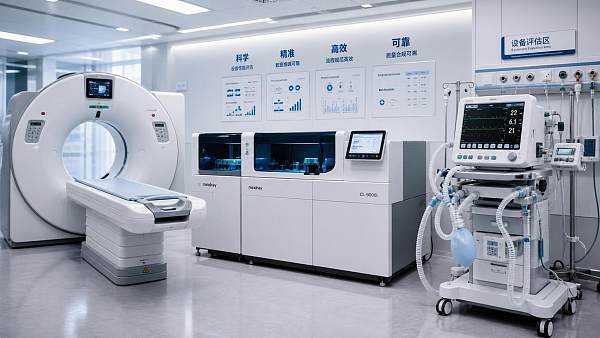




Advanced diagnostic systems are no longer optional upgrades for laboratories seeking higher accuracy; they are becoming the operating foundation of reliable clinical decisions.
For technical evaluators, the real question is not whether new systems look innovative, but whether they improve confidence under routine pressure.
Modern laboratories need evidence that instruments, software, automation, and compliance controls can reduce uncertainty without creating hidden operational risks.
What Technical Evaluators Should Judge First
The first evaluation priority is diagnostic certainty, not feature quantity. A system should measurably improve sensitivity, specificity, reproducibility, and report reliability.
Advanced diagnostic systems often combine molecular detection, imaging intelligence, automated sample handling, and digital interpretation. Each layer can improve accuracy or introduce variation.
Technical teams should therefore assess the complete diagnostic chain, from specimen collection and image acquisition to algorithmic processing and final clinical reporting.
A high-performing analyzer with weak pre-analytical control may still produce inconsistent results. Accuracy depends on system behavior, not isolated specifications.
Evaluators should ask whether the system performs consistently across operators, shifts, sample types, environmental conditions, and clinically realistic workloads.
Why Laboratory Accuracy Is Being Redefined
Traditional laboratory accuracy focused heavily on analytical performance. Today, accuracy also includes data traceability, automation stability, algorithm transparency, and workflow resilience.
In vitro diagnostics, medical imaging, and AI-supported interpretation increasingly influence one another. A laboratory result may now depend on hardware and computational decisions.
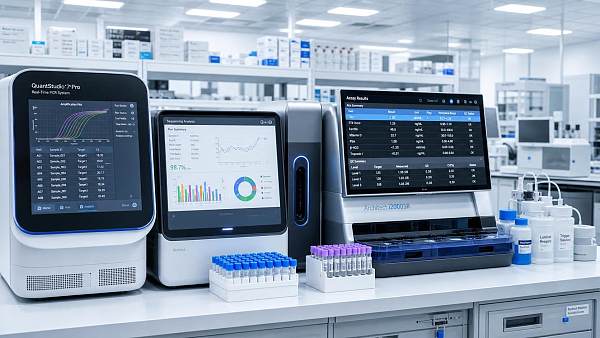
For example, molecular amplification platforms require precise thermal control, contamination prevention, and intelligent signal interpretation to deliver trustworthy low-copy detection.
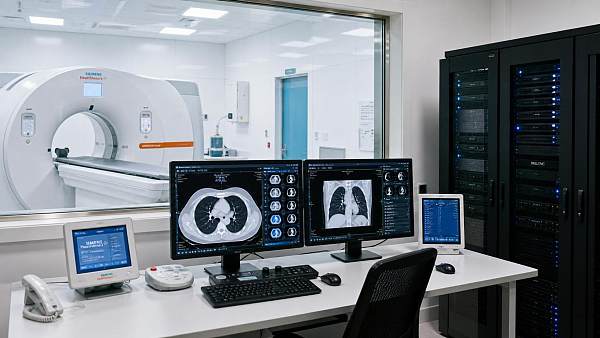
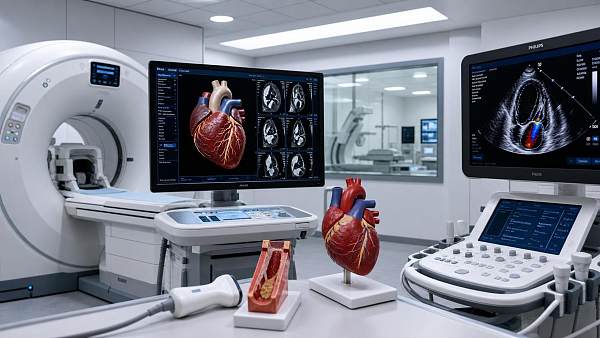
Similarly, advanced imaging systems rely on reconstruction algorithms, detector quality, and artifact suppression to support earlier and more confident diagnosis.
This shift means technical evaluation must move beyond catalog comparison. It must examine how systems behave in the messy reality of clinical operation.
The Accuracy Metrics That Actually Matter
Technical evaluators should begin with verified analytical sensitivity and specificity, but they should not stop there. Clinical relevance matters equally.
Limit of detection, linearity, precision, interference resistance, carryover control, and calibration stability help determine whether results remain dependable over time.
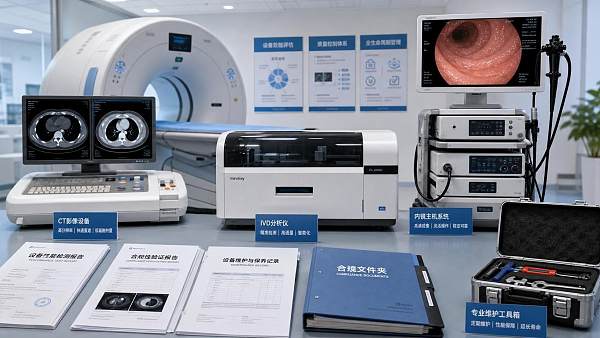
For diagnostic imaging, evaluators should consider spatial resolution, contrast resolution, dose efficiency, motion compensation, reconstruction fidelity, and consistency between protocols.
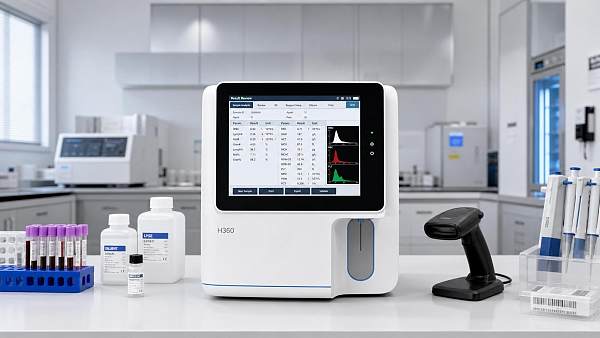
For IVD platforms, coefficient of variation, reagent lot stability, onboard quality control, and sample-to-answer reproducibility are essential performance indicators.
The strongest advanced diagnostic systems present these metrics through transparent validation data, not only vendor claims or ideal laboratory demonstrations.
AI Can Improve Accuracy, But Only When Properly Controlled
AI-enabled analytics are changing laboratory workflows by detecting subtle patterns, flagging anomalies, prioritizing urgent cases, and reducing repetitive interpretation burdens.
However, AI does not automatically improve accuracy. Poorly validated algorithms may amplify bias, misclassify edge cases, or fail under population shifts.
Evaluators should request evidence covering training data diversity, external validation, performance drift monitoring, explainability, and cybersecurity protections.
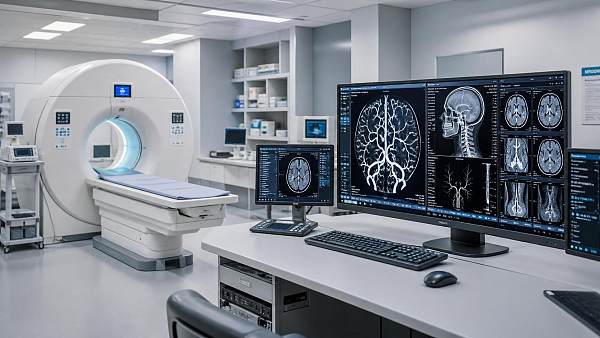
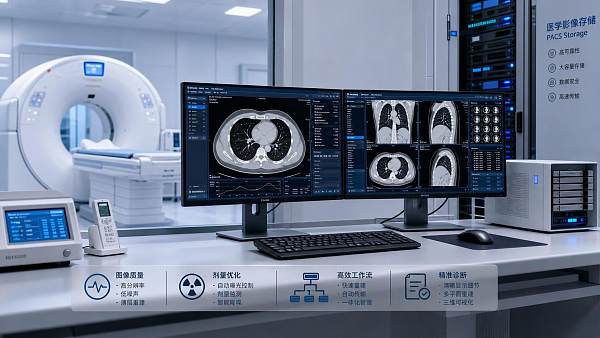
For imaging systems, AI reconstruction can reduce noise and support lower radiation doses, but evaluators must check for artificial detail generation.
For molecular and biochemical diagnostics, AI can improve signal interpretation, yet decision thresholds must remain clinically validated and audit-ready.
The best systems combine algorithmic assistance with human oversight, allowing laboratories to improve efficiency without surrendering professional accountability.
Workflow Automation Is an Accuracy Tool
Automation is often marketed as a productivity feature, but its deeper value is error reduction across repetitive and high-risk laboratory steps.
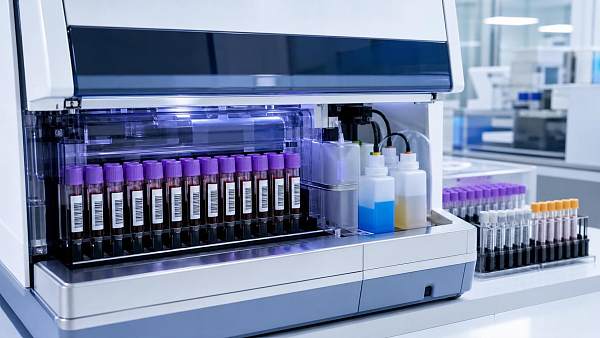
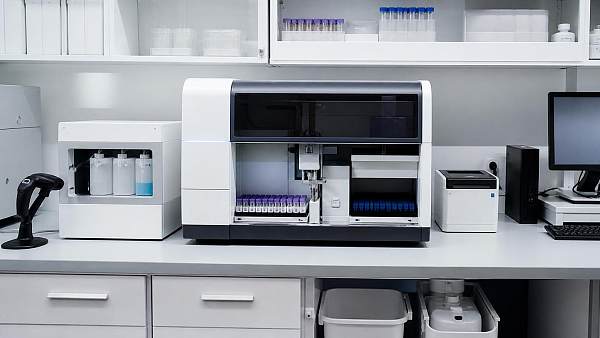
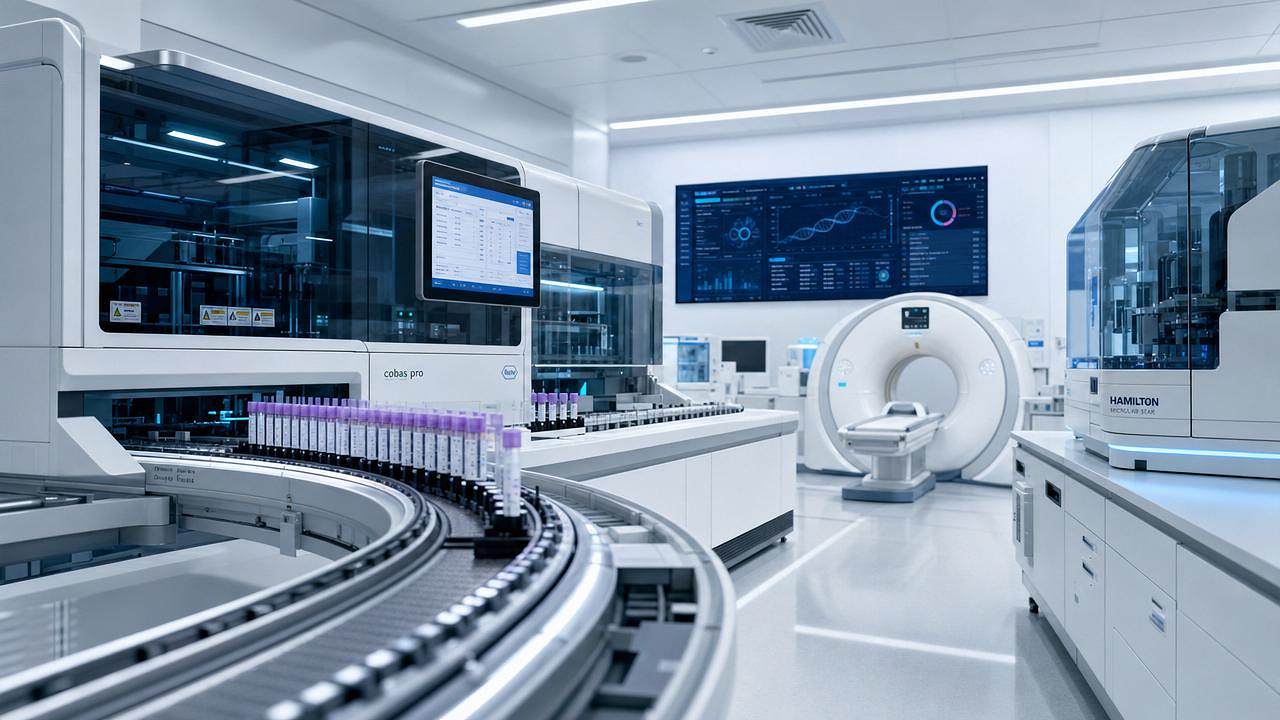
Automated sample identification, pipetting, incubation, transport, and result routing can reduce mislabeling, timing variation, transcription errors, and operator-dependent inconsistency.
Technical evaluators should examine how the system handles exceptions, including insufficient samples, clots, hemolysis, barcode failures, and interrupted runs.
A strong automation platform does not merely accelerate normal cases. It protects accuracy when workflows deviate from ideal conditions.
Integration with laboratory information systems is also critical. Accurate results lose value if data transfer, mapping, or reporting introduces errors.
Regulatory Readiness Is Part of Technical Quality
In modern diagnostics, compliance is not administrative decoration. It is a structured proof that the system can be trusted clinically.
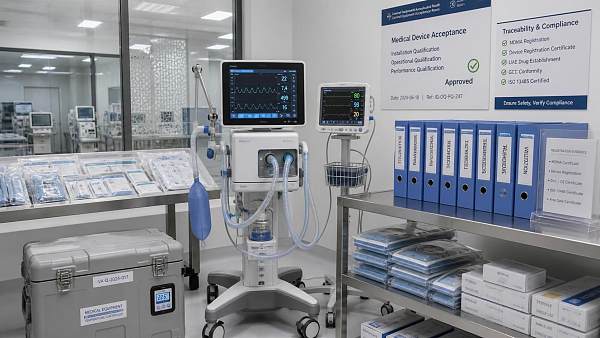
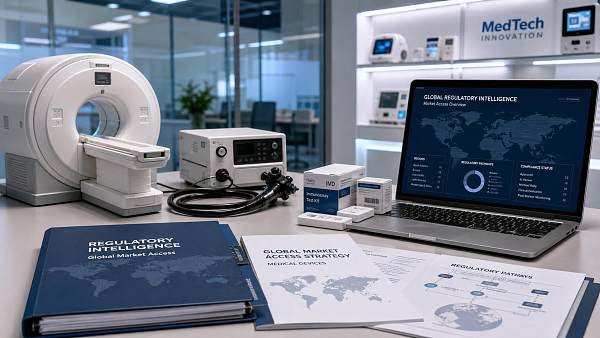
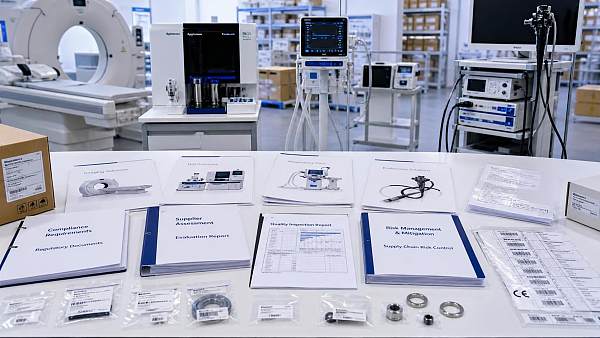
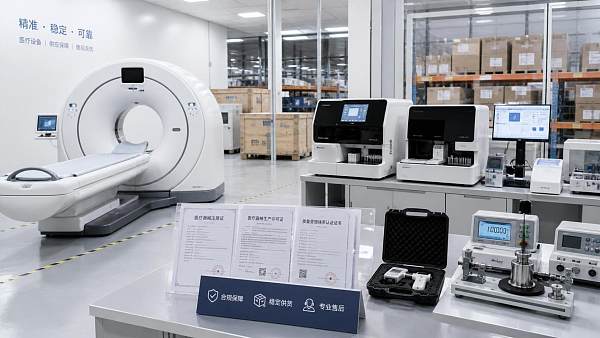
Evaluators should review FDA, CE MDR, IVDR, ISO, cybersecurity, software lifecycle, risk management, and post-market surveillance documentation.
Regulatory readiness matters especially for systems using AI, connected platforms, cloud analytics, or frequent software updates affecting interpretation logic.
Technical teams should ask how vendors manage version control, validation after updates, field safety notices, and documentation for audits.
A system that performs well but lacks compliant evidence may create procurement risk, implementation delay, and long-term operational exposure.
Reliability Under Real Clinical Pressure
Laboratories rarely operate under textbook conditions. Emergency demand, staffing shortages, reagent constraints, and urgent clinical expectations challenge system reliability daily.
Technical evaluation should include uptime history, service response, preventive maintenance requirements, calibration frequency, consumable availability, and failure recovery procedures.
Mean time between failures and mean time to repair are useful, but evaluators should also inspect workflow consequences during downtime.
Can samples be safely paused, redirected, or repeated? Can urgent results still be delivered through backup protocols?
Advanced diagnostic systems should strengthen the laboratory’s last line of defense, not create dependence on fragile technical infrastructure.
Interoperability Determines Long-Term Value
Accuracy increasingly depends on connected information. Instruments must exchange data cleanly with LIS, HIS, PACS, middleware, and quality platforms.
Interoperability reduces manual entry, supports traceability, and enables longitudinal comparison across patient history, imaging findings, and laboratory biomarkers.
Technical evaluators should assess HL7, DICOM, FHIR compatibility, cybersecurity architecture, user permission controls, and audit trail completeness.
Closed systems may appear efficient at purchase, but they can limit future analytics, multi-site standardization, and enterprise data strategy.
The best diagnostic infrastructure allows laboratories to scale, connect, and analyze without compromising patient privacy or operational control.
How to Separate Meaningful Innovation From Complexity
Not every advanced feature improves diagnostic performance. Some functions increase training demands, service dependency, or interpretation uncertainty without clear clinical benefit.
Evaluators should map every major feature to a measurable outcome, such as fewer repeats, faster turnaround, lower error rates, or better sensitivity.
If a feature cannot be linked to clinical, operational, or economic value, it should be treated as secondary during procurement decisions.
Technical demonstrations should use realistic samples, representative users, normal workload volume, and defined acceptance criteria rather than curated best-case scenarios.
A pilot evaluation is especially valuable when adopting AI analytics, high-throughput molecular platforms, or integrated imaging-guided diagnostic workflows.
Total Cost of Accuracy Matters
The most accurate system on paper may not be the best choice if operating cost limits sustainable clinical use.
Technical evaluators should calculate cost per reportable result, not only instrument purchase price or headline throughput.
This calculation should include reagents, consumables, controls, maintenance, software licenses, calibration materials, staff time, downtime, and repeat testing.
Under value-based care and DRG-linked payment models, laboratories must show that improved accuracy supports better decisions and avoids downstream waste.
For hospital leadership, stronger diagnostic confidence can reduce unnecessary procedures, shorten treatment delays, and improve resource allocation across departments.
Questions Every Technical Evaluation Team Should Ask
Before procurement, teams should define the clinical problem clearly. Is the priority earlier detection, faster triage, higher throughput, or fewer ambiguous results?
They should ask whether validation data matches their patient population, specimen types, disease prevalence, staffing model, and reporting requirements.
They should also confirm who owns performance monitoring after installation, including quality indicators, software updates, retraining, and corrective action workflows.
Vendor support should be evaluated as part of system capability. Training, application expertise, spare parts, and remote diagnostics affect accuracy continuity.
Finally, teams should decide acceptable trade-offs in advance. Higher sensitivity, for example, may increase confirmatory testing if specificity decreases.
Where Advanced Diagnostic Systems Are Heading
The next phase of laboratory accuracy will be shaped by convergence between imaging, molecular diagnostics, automation, and clinical decision intelligence.
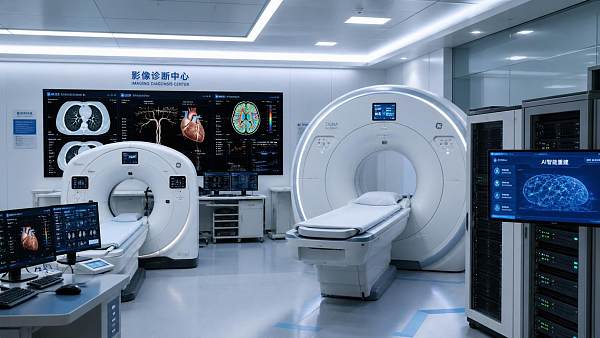
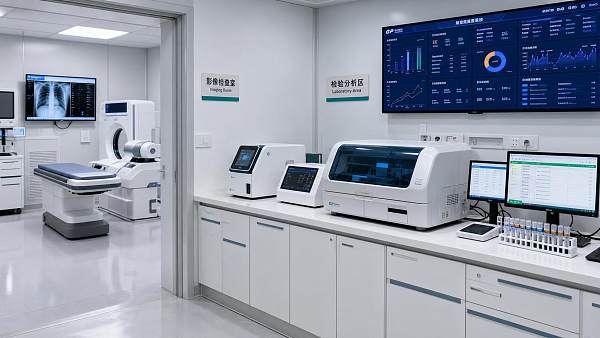
Multimodal diagnostics will connect CT, MRI, pathology, genomics, immunoassays, and patient data to generate more contextual clinical insights.
Point-of-care molecular testing will continue expanding, but central laboratories will remain essential for complex validation and high-throughput quality control.
AI will increasingly support quality assurance by detecting process drift, flagging unusual result patterns, and recommending maintenance before failures occur.
The laboratories that benefit most will be those treating technology adoption as a clinical governance decision, not a procurement shortcut.
Conclusion: Accuracy Is Now a System-Level Outcome
Advanced diagnostic systems are changing lab accuracy by expanding it from analytical precision into a full ecosystem of control.
For technical evaluators, the strongest systems are those that combine validated performance, workflow resilience, compliance readiness, interoperability, and sustainable economics.
The right question is not which platform is most advanced, but which platform produces the most trustworthy results under real conditions.
When laboratories evaluate technology through that lens, advanced diagnostic systems become more than instruments. They become clinical confidence infrastructure.