
China’s Anti-Dumping Rules Hit Endoscope Components
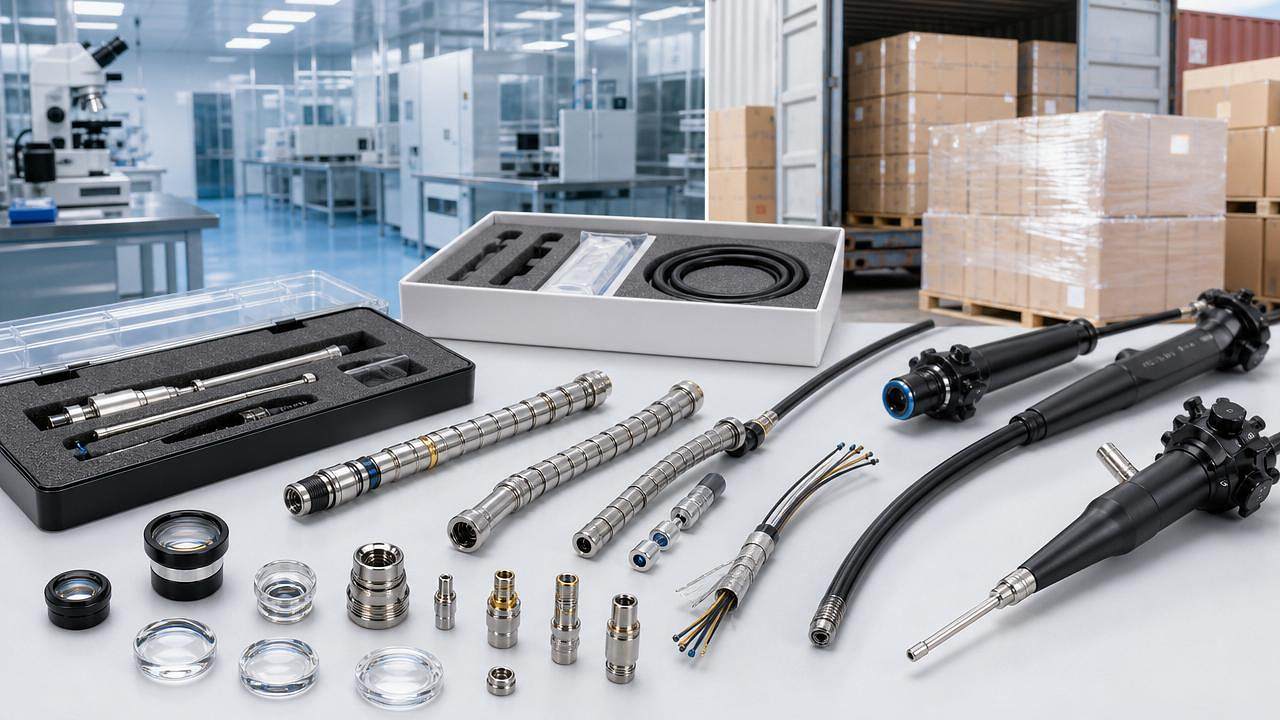




On June 4, 2026, China put new anti-dumping measures into effect for certain medical endoscope components originating in South Korea, Thailand, and Malaysia. The move directly concerns upstream supply for Rigid Endoscopy Systems and Flexible Videoscopes, especially medical optical lenses and snake-bone joint modules. For manufacturers, traders, and sourcing teams, the development matters not only because some export costs may rise by 8–12%, but also because it arrives while domestic device makers are already accelerating assembly shifts to Vietnam and Mexico, even as short-term delivery pressure remains concentrated in core optical parts.
What the new measure covers
According to Announcement No. 22 of 2026 released by China’s Ministry of Commerce on June 4, 2026, anti-dumping measures have been launched on key medical endoscope components originating in South Korea, Thailand, and Malaysia.
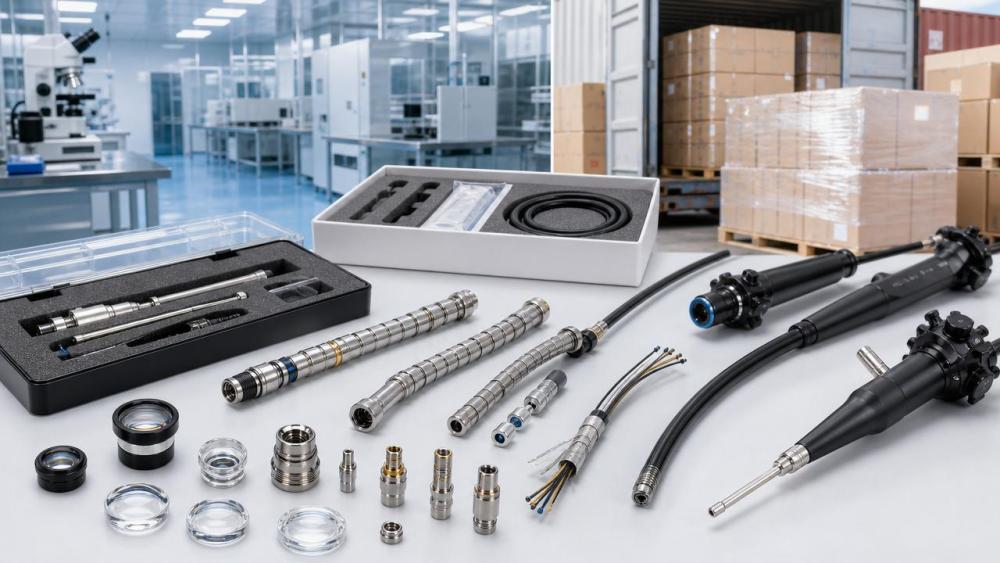
The components explicitly involved include medical endoscope optical lenses and snake-bone joint modules. The measure took effect immediately upon release.
The affected supply chain scope reaches upstream component links serving Rigid Endoscopy Systems and Flexible Videoscopes. At the same time, domestic finished-device manufacturers are reported to be speeding up assembly transfers to Vietnam and Mexico, while short-term delivery pressure remains for core optical components.
Where disruption may appear first in the supply chain
Import and trading businesses may face immediate cost adjustments
From an industry perspective, companies directly importing or trading the covered components may be the first to feel the operational impact. The reason is straightforward: the rule applies immediately, and the reported cost increase range of 8–12% could alter pricing, quotation validity, and contract execution for affected shipments.
What deserves closer attention is whether existing orders, pending customs arrangements, and near-term procurement schedules are exposed to timing pressure under the new rule.
Device manufacturers may face uneven pressure between assembly and core parts
For finished-device manufacturers, the impact is not limited to tariff or pricing calculations. Analysis shows the more practical challenge may lie in coordination between relocated assembly operations and the continued dependence on core optical components. Even if assembly links are moving toward Vietnam and Mexico, that does not automatically remove short-term supply pressure on critical upstream parts.
In business terms, this could affect production scheduling, delivery commitments, and internal planning for Rigid Endoscopy Systems and Flexible Videoscopes.
Supply chain service providers may need to monitor documentation and lead times more closely
Observably, logistics, sourcing support, and cross-border supply chain service teams may also see higher execution complexity. When a trade rule changes with immediate effect, the sensitive points are often product classification, origin-related documentation, shipment timing, and lead-time visibility.
For service providers, the main issue is not only transport execution, but also whether upstream and downstream parties are aligned on the compliance and timing implications of the measure.
Practical issues companies should watch now
Track whether official wording changes in follow-up notices
Analysis shows companies should continue watching how the official scope is expressed in any subsequent notice or clarification. In this case, the distinction between the policy signal and day-to-day execution may matter as much as the initial announcement itself.
Review exposure in the listed component categories
Businesses dealing with medical optical lenses, snake-bone joint modules, or related upstream parts for Rigid Endoscopy Systems and Flexible Videoscopes should check where their procurement, inventory, and open orders intersect with the covered origin countries. The most immediate concern is whether cost changes and supply pressure appear in the same product lines at the same time.
Separate assembly relocation from core component dependence
What deserves closer attention is the difference between shifting assembly geography and securing core optical parts. The input information indicates that domestic manufacturers are accelerating assembly transfer to Vietnam and Mexico, but that short-term delivery pressure still exists in key optical components. Companies therefore need to assess whether their current mitigation plans address only final assembly, or the more constrained upstream links as well.
Prepare customer communication and fulfillment contingencies
For commercial and operations teams, practical preparation may be more important than broad strategic statements. This includes checking supplier documentation, reviewing fulfillment cycles, reassessing quotation periods, and preparing customer communication where delivery schedules or pricing may be affected.
Why this looks like both an immediate change and a signal to keep watching
As an editorial observation, this development is best understood in two layers. First, it is already an immediate operational change because the measure took effect on the day of announcement. Second, it also functions as a broader signal that upstream sourcing risk in endoscope components remains highly relevant even when downstream assembly footprints are being adjusted.
It is more appropriate to understand this as a live industry development rather than a fully settled outcome. The announced measure is clear, but the full business impact will depend on how supply chain participants absorb cost changes, manage origin exposure, and handle short-term delivery pressure in core optical parts.
What this means for the market right now
For the medical endoscope supply chain, the significance of this update lies less in headline policy language and more in execution risk across sourcing, pricing, and delivery. The immediate effect of the anti-dumping measure creates a short-term operational issue, while the ongoing pressure in core optical components suggests that assembly relocation alone may not resolve upstream constraints.
At this stage, the most balanced reading is that the measure should be treated as a concrete near-term change with possible wider implications, but not yet as a final indicator of long-term supply chain outcomes.
Basis of this report and points for continued verification
This article is based on the user-provided news title, event date, and event summary regarding China’s anti-dumping measure on certain medical endoscope components. The specific official source link was not provided in the input and still needs continued verification.
For this type of industry update, commonly relevant source categories include official government announcements, company disclosures, industry association updates, authoritative media reporting, and standard-setting organization documents. Further attention should be paid to any follow-up official clarification, scope interpretation, and practical impact on delivery cycles and sourcing arrangements.
Recommended News
 Sep 03, 2026How European Hospitals Assess Application-Specific Medical Solutions for Clinical FitApplication-specific medical solutions Europe: discover how hospitals assess clinical fit, workflow integration, compliance, value, and long-term resilience.
 Sep 02, 2026How Precision Diagnostics Technology Is Reshaping Pathology WorkflowsPrecision diagnostics technology pathology is transforming workflows through digital slides, AI, molecular testing, and interoperable data—see what drives reliable implementation.
 Sep 01, 2026What to Evaluate in AI Image Reconstruction Software for Clinical Imaging?AI image reconstruction software: learn how to evaluate diagnostic fidelity, workflow integration, safety, and change control for confident clinical imaging decisions.
 Aug 31, 2026Clinical Imaging Innovation: Which Technologies Deliver Measurable Diagnostic Gains?Clinical imaging innovation delivers measurable diagnostic gains through photon-counting CT, AI reconstruction, and quantitative MRI—explore evidence-based selection insights.
 Aug 30, 2026How Surgical Navigation Technology Improves Accuracy in Complex Spine SurgerySurgical navigation technology spine surgery: discover how imaging, tracking, and workflow controls improve precision for complex procedures.
 Aug 29, 2026How to Select a Hematology Analyzer With Reliable Reticulocyte CountingHematology analyzers retic selection guide: compare precision, flags, workflow, QC, and connectivity to achieve reliable reticulocyte counting.
 Aug 28, 2026Planning Operating Room Technology for a High-Throughput Surgery CenterOperating room technology for a surgery center: plan workflows, integration, uptime, and safety to boost throughput and create future-ready surgical rooms.
 Aug 27, 2026Building Medical Compliance Analytics for Middle East Market AccessMedical compliance analytics Middle East: build device-specific evidence maps, align local requirements, and accelerate market access with confidence.
 Aug 26, 2026How Surgical Equipment Digitalization Is Reshaping Hospital Investment in Latin AmericaSurgical equipment digitalization Latin America is reshaping hospital investment, from smart ORs to ROI-driven upgrades. Explore what buyers now value most.
 Aug 25, 2026How to Evaluate a Medical Compliance Intelligence Provider for Global Market AccessMedical compliance intelligence provider selection can make or break global market access. Learn how to assess technical depth, update quality, and commercial fit before choosing.
 Aug 24, 2026How Advanced Clinical Imaging Is Improving Cardiology Diagnosis and Treatment PlanningAdvanced clinical imaging cardiology is transforming diagnosis and treatment planning with clearer anatomy, tissue insight, and procedural guidance. Discover how it reduces uncertainty and supports smarter cardiac decisions.
 Aug 23, 2026How to Source Medical Devices in North America: Supplier Vetting and Market Access RisksMedical device sourcing North America made practical: learn how to vet suppliers, reduce compliance risks, and protect market access with smarter procurement decisions.
 Aug 22, 2026What Are Integrated Critical Care Systems and How Do Hospitals Evaluate Them?Critical care systems integrated: learn how hospitals assess ICU platforms for interoperability, alarm safety, workflow efficiency, and long-term value before buying.
 Aug 21, 2026How to Evaluate High-Resolution Diagnostic Imaging Systems for Detail-Critical ExamsDiagnostic imaging systems high resolution: learn how to compare detail-critical performance, workflow fit, dose efficiency, and ROI to choose the right system with confidence.
 Aug 20, 2026How to Evaluate Medical Equipment Performance Before Purchase?Medical equipment evaluation performance starts before purchase. Learn how to assess safety, workflow fit, compliance, uptime, and total cost to choose devices that truly perform.
 Aug 19, 2026How to Evaluate Small-Footprint Laboratory Diagnostic Equipment for Space-Limited LabsLaboratory diagnostic equipment small footprint choices require more than size checks. Learn how to assess workflow, throughput, compliance, and service access for smarter lab buying.
 Aug 18, 2026Biochemical Molecular Diagnostics Explained: Methods, Clinical Uses, and Lab Selection CriteriaBiochemical molecular diagnostics explained: compare key methods, clinical applications, and lab selection criteria to choose reliable, compliant testing with confidence.
 Aug 17, 2026How to Choose Diagnostic Equipment Solutions for a Clinic: Key Factors That Affect Workflow and CostDiagnostic equipment solutions clinic buyers can use to improve workflow, control total cost, and avoid hidden service risks. Learn the key factors before you invest.
 Aug 16, 2026How to Choose a Blood Cell Analyzer for a Small Lab: Throughput, CBC Menu, and CostBlood cell analyzers small lab buyers can compare throughput, CBC menu, and total operating cost with confidence. Learn how to avoid waste, reduce downtime, and choose the right fit.
 Aug 16, 2026FDA Approval of AMDS Hybrid Prosthesis Removes IRB Step for Faster U.S. AccessFDA approval of AMDS Hybrid Prosthesis removes the IRB step, speeding U.S. access for acute aortic dissection care and reshaping hospital procurement and supporting equipment demand.
 Aug 15, 2026What Hospital Technology Infrastructure Is Needed for Reliable Interoperability?Hospital technology infrastructure interoperability depends on secure networks, integration engines, identity services, and governance. Discover what hospitals need for reliable, scalable connectivity.
 Aug 14, 2026What to Look for in an Advanced Diagnostic Systems Distributor Before You BuyAdvanced diagnostic systems distributor: learn what to check before buying, from compliance and technical depth to delivery reliability and after-sales support. Make a smarter procurement decision today.
 Aug 14, 2026China Temporarily Bans Helium ExportsChina Temporarily Bans Helium Exports: learn how the July 10, 2026 rule may disrupt MRI, ECMO, and anesthesia device supply chains, compliance, and delivery planning for global buyers.
 Aug 13, 2026How CT Reconstruction Technology Impacts Image Quality, Dose, and WorkflowMedical imaging reconstruction technology CT shapes image quality, dose, and workflow. Learn how smarter CT reconstruction improves diagnostics and efficiency.














Related News
- 00
0000-00
FDA clears AMDS PMA, easing U.S. hospital access - 00
0000-00
EU Ends MDD Grace Period for Rigid Endoscopy Systems - 00
0000-00
Endoscopic Imaging Technology 4K vs HD: Which Specs Matter in Daily Clinical Use? - 00
0000-00
EU Extends MDR Class IIa Deadline, Ends Rigid Endoscope Exemption - 00
0000-00
EU MDR Extends Class IIa Transition, Ends Rigid Endoscopy Exemption
Weekly Insights
Stay ahead with our curated technology reports delivered every Monday.