
Surgical Imaging Technology for ORs: Camera, Lighting, and Display Choices
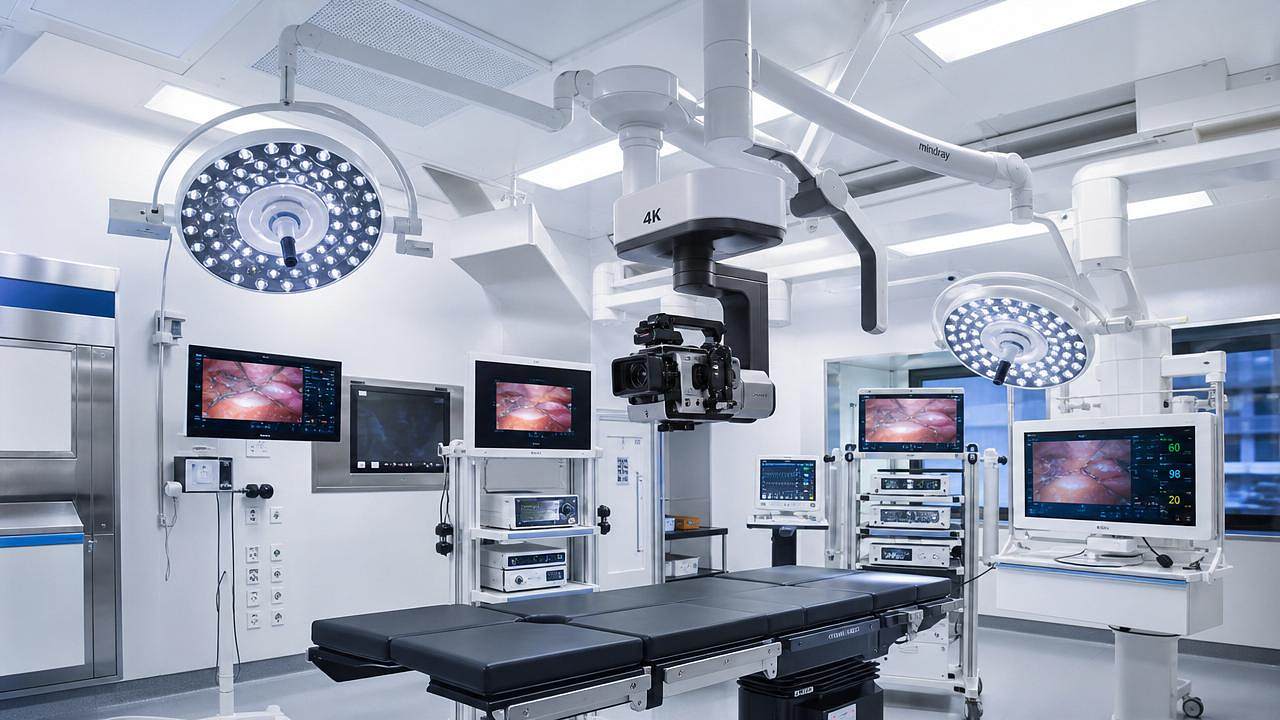




Choosing the right surgical imaging technology is now a strategic procurement decision for modern operating rooms, where camera clarity, shadowless lighting, and medical-grade displays directly affect clinical precision, workflow efficiency, and equipment ROI.
The challenge is not simply selecting high-resolution devices, but building an integrated imaging ecosystem for minimally invasive procedures, compliance expectations, surgeon ergonomics, and long-term service reliability.
Why Surgical Imaging Technology Needs a Checklist-Based Decision
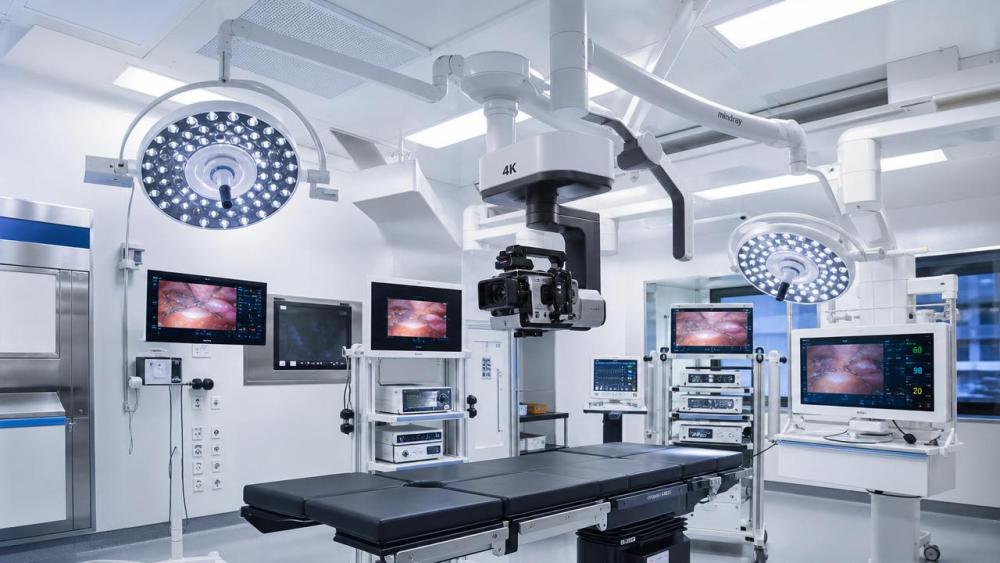
Operating rooms depend on synchronized visual information. A weak camera, unstable light source, or mismatched display can undermine the value of the entire system.
Checklist-based evaluation keeps surgical imaging technology decisions grounded in clinical reality, not isolated specifications or marketing claims.
It also supports traceable comparisons across vendors, installation plans, service contracts, cybersecurity requirements, and future OR integration needs.
Core Surgical Imaging Technology Checklist for OR Upgrades
Use the following checklist to evaluate camera, lighting, display, recording, and integration choices as one connected surgical imaging technology platform.
- Confirm clinical use cases first, including laparoscopy, arthroscopy, ENT, open surgery, hybrid OR workflows, and image-guided minimally invasive procedures.
- Validate native camera resolution, sensor size, color accuracy, latency, dynamic range, zoom behavior, and performance under blood, smoke, and reflective tissue.
- Check whether 4K, 3D, fluorescence, or HDR imaging truly improves the target procedure instead of adding unnecessary complexity.
- Assess LED surgical lighting for shadow control, adjustable color temperature, deep-cavity illumination, heat management, and sterile handle usability.
- Match medical-grade displays with the camera output, including resolution, brightness, contrast, viewing angle, color calibration, and latency requirements.
- Review image routing compatibility with endoscopy towers, ceiling arms, PACS, video management systems, teaching rooms, and remote consultation platforms.
- Demand documented cleaning, sterilization, ingress protection, cable durability, antimicrobial surfaces, and resistance to repeated disinfectant exposure.
- Evaluate service access, spare part availability, software update policy, loaner equipment options, and response time for mission-critical failures.
- Compare lifecycle cost, not only purchase price, including installation, maintenance, consumables, upgrades, training, downtime, and eventual replacement.
- Verify compliance evidence for IEC, ISO, FDA, CE MDR, electrical safety, electromagnetic compatibility, data protection, and risk management documentation.
Camera Choices: Clarity, Latency, and Clinical Use
The camera is the first decision point in surgical imaging technology because every downstream image depends on its optical capture quality.
A 4K camera may look impressive during a demonstration, but resolution alone does not guarantee better tissue recognition or safer dissection.
Evaluate color reproduction carefully. Subtle differences in vascularity, bleeding, bile staining, and necrotic tissue must remain visible under changing conditions.
Latency is equally important. Even small delays between instrument movement and display response can reduce confidence during delicate minimally invasive surgery.
Camera Selection Checks
- Test the camera with real surgical lighting, smoke, irrigation, blood, and specular reflections instead of relying only on showroom footage.
- Compare white balance stability, auto-exposure behavior, edge detail, noise suppression, and low-light performance across realistic procedural scenarios.
- Confirm compatibility with existing scopes, couplers, camera heads, sterile drapes, recording devices, and integrated OR control systems.
Lighting Choices: Shadowless Illumination and Tissue Visibility
Lighting is often treated as infrastructure, yet it strongly determines how surgical imaging technology performs during open and hybrid procedures.
Modern LED surgical lights should deliver uniform illumination without excessive heat, harsh glare, or color distortion across the operative field.
Color temperature adjustment helps adapt to specialty preferences. Warmer tones may support tissue contrast, while cooler tones can improve perceived brightness.
Shadow control matters when multiple heads, hands, instruments, and cameras occupy the same field during complex procedures.
Lighting Selection Checks
- Measure illumination depth, central intensity, field diameter, dimming smoothness, and shadow dilution during simulated multi-person surgical positioning.
- Check whether integrated cameras, suspension arms, and ceiling-mounted displays interfere with movement, sterility, or laminar airflow.
- Review heat output, power redundancy, LED lifespan, control panel usability, and compatibility with digital OR management systems.
Display Choices: Medical-Grade Screens for Reliable Decisions
Displays translate surgical imaging technology into actionable visual guidance. A premium camera loses value if the monitor cannot reproduce detail faithfully.
Medical-grade displays differ from consumer screens through calibration stability, cleanability, electrical safety, signal handling, and operating room durability.
Brightness must be sufficient for lit environments, yet not so aggressive that it causes visual fatigue during long cases.
Viewing angle also matters. Surgeons, assistants, and nurses may rely on different sightlines during crowded procedures.
Display Selection Checks
- Match display resolution, refresh rate, color gamut, grayscale performance, and input format with the selected camera and video chain.
- Confirm low latency for endoscopic work, especially when image processing, routing, recording, or network transmission is involved.
- Evaluate mounting position, cable management, screen size, anti-glare coating, disinfectant resistance, and emergency replacement procedures.
Scenario Notes for Different OR Applications
Minimally Invasive Surgery
Minimally invasive surgery requires surgical imaging technology with excellent low-light performance, low latency, and stable color under insufflation smoke.
For laparoscopy and arthroscopy, prioritize camera-to-display synchronization, ergonomic monitor placement, and reliable recording for review or training.
Open Surgery and Hybrid Procedures
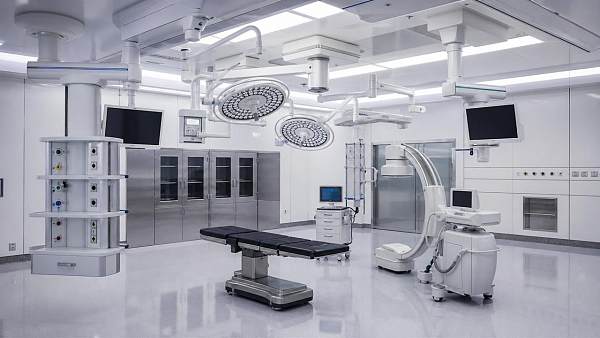
Open surgery depends more heavily on shadowless lighting, overhead camera capture, and screen sharing across the operating room.
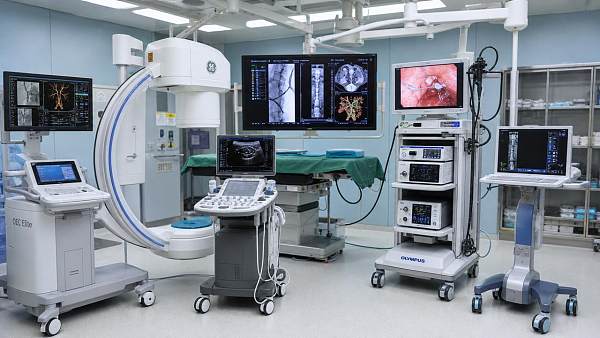
Hybrid procedures require integration with fluoroscopy, ultrasound, navigation, endoscopy, and patient data, making signal routing a critical planning issue.
Teaching and Remote Collaboration
When surgical imaging technology supports education, image quality must remain consistent after recording, compression, streaming, and external display output.
Audio capture, privacy controls, access permissions, and case archiving should be included before finalizing the OR imaging architecture.
Commonly Overlooked Risks in Surgical Imaging Technology
Ignoring system latency: Delayed video response can appear minor in demonstrations, yet become disruptive during suturing, dissection, or scope-guided navigation.
Overbuying resolution: Higher resolution increases data load, storage demand, network pressure, and display requirements without always improving clinical outcomes.
Underestimating cleaning stress: OR equipment faces constant disinfection, cable bending, fluid exposure, and handling during rapid room turnover.
Separating equipment decisions: Cameras, lights, displays, recorders, and routers should not be purchased as isolated devices with uncertain interoperability.
Skipping compliance documentation: Missing technical files, safety certificates, cybersecurity statements, or maintenance records can delay deployment and audits.
Practical Execution Plan for OR Imaging Upgrades
Start with a procedure map. List high-volume cases, high-risk cases, teaching needs, imaging sources, and expected growth in minimally invasive surgery.
Then create a performance matrix for surgical imaging technology. Compare vendors using measured criteria, not only brochures or single-room demonstrations.
- Run side-by-side image tests using the same scope, light condition, monitor distance, recording setting, and simulated surgical environment.
- Request integration drawings showing signal flow, mounting points, power supply, network ports, cable paths, and backup modes.
- Include biomedical engineering, sterile processing, IT security, facilities, infection control, and clinical leadership during final acceptance testing.
- Define uptime expectations, preventive maintenance intervals, warranty coverage, software update responsibility, and escalation channels before installation.
A phased deployment may reduce risk. Upgrade one room, validate performance, refine training, and then standardize across additional operating rooms.
Conclusion and Next Action
Surgical imaging technology should be selected as a complete clinical visualization ecosystem, not as separate cameras, lights, and displays.
The strongest choices combine optical precision, shadowless illumination, medical-grade display performance, interoperability, compliance readiness, and service reliability.
For the next step, build a checklist around real procedures, test the full imaging chain, and verify lifecycle support before committing capital.
This disciplined approach helps surgical imaging technology deliver safer visualization, smoother workflows, and stronger long-term value in the modern OR.
Recommended News
![]() Jun 09, 2026Hospital Technology Integration Costs: What Drives Budget, Timeline, and RiskHospital technology integration costs go far beyond equipment. Learn what drives budget, timeline, and risk to plan smarter, avoid overruns, and improve ROI.
Jun 09, 2026Hospital Technology Integration Costs: What Drives Budget, Timeline, and RiskHospital technology integration costs go far beyond equipment. Learn what drives budget, timeline, and risk to plan smarter, avoid overruns, and improve ROI.![]() Jun 09, 2026Common AI Medical Diagnostics Implementation Problems and How Hospitals Solve ThemAI medical diagnostics implementation often fails on workflow, data quality, and compliance—not model accuracy alone. Learn how hospitals solve integration barriers and scale safer adoption.
Jun 09, 2026Common AI Medical Diagnostics Implementation Problems and How Hospitals Solve ThemAI medical diagnostics implementation often fails on workflow, data quality, and compliance—not model accuracy alone. Learn how hospitals solve integration barriers and scale safer adoption.![]() Jun 09, 2026Medical Imaging Software Selection Guide: DICOM, AI Tools, and Integration PointsMedical imaging software selection made simple: compare DICOM performance, AI tools, and PACS/RIS/EHR integration points to choose a scalable, compliant platform.
Jun 09, 2026Medical Imaging Software Selection Guide: DICOM, AI Tools, and Integration PointsMedical imaging software selection made simple: compare DICOM performance, AI tools, and PACS/RIS/EHR integration points to choose a scalable, compliant platform.![]() Jun 09, 2026Surgical Navigation Intelligence: Key Functions, Workflow Fit, and OR Use CasesSurgical navigation intelligence explained: discover key functions, workflow fit, and real OR use cases to improve accuracy, integration, and confident surgical decision-making.
Jun 09, 2026Surgical Navigation Intelligence: Key Functions, Workflow Fit, and OR Use CasesSurgical navigation intelligence explained: discover key functions, workflow fit, and real OR use cases to improve accuracy, integration, and confident surgical decision-making.![]() Jun 09, 2026How to Evaluate Precision Medicine Solutions for Oncology ProgramsPrecision medicine solutions for oncology: learn how to evaluate accuracy, workflow integration, compliance, vendor fit, and ROI to choose a platform that improves cancer care.
Jun 09, 2026How to Evaluate Precision Medicine Solutions for Oncology ProgramsPrecision medicine solutions for oncology: learn how to evaluate accuracy, workflow integration, compliance, vendor fit, and ROI to choose a platform that improves cancer care. Jun 09, 2026EUDAMED UDI/Device Module Becomes Mandatory on June 28EUDAMED UDI/Device Module becomes mandatory on June 28, 2026. Learn how UDI-DI registration, completeness checks, and a 21-day buffer may affect EU market entry.
 Jun 09, 2026FDA Sets 2FA Rule for ICU VentilatorsFDA Sets 2FA Rule for ICU Ventilators: learn how the new FDA cybersecurity guidance affects 510(k) review, firmware upgrades, remote access audit logs, and U.S. market compliance timelines.
 Jun 09, 2026CE Mark Speeds EU Access for Helium-Free MRICE Mark speeds EU access for helium-free MRI as 1.5T and 3.0T systems gain TÜV SÜD certification, cutting installation barriers and helping hospitals shorten procurement cycles.
 Jun 09, 2026Middle East Bulk Orders Extend Photon-counting CT Lead TimesPhoton-counting CT lead times are stretching as Middle East bulk orders surge. Learn how UDI lock-in, import permits, and shipment planning now shape export success.
 Jun 09, 2026IVDR QMS Checks Tighten as Class C Transition ExtendsIVDR QMS checks tighten from June 1, 2026, while the Class C transition extends to 2028. See how stricter QMS compliance affects CE planning, renewals, and supply-chain decisions.
 Jun 08, 2026Clinical Equipment Compliance Checklist: Standards, Documentation, and Audit RisksClinical equipment compliance checklist for standards, documentation, and audit risks. Learn how to reduce gaps, improve readiness, and protect patient safety.
 Jun 08, 2026Minimally Invasive Tools vs Open Surgery Instruments: What Affects Cost and ROI?Minimally invasive tools vs open surgery instruments: discover what drives cost, ROI, reimbursement, turnover, and long-term value before your next capital purchase.
 Jun 08, 2026How to Evaluate a Medical Intelligence Platform for Hospital DeploymentMedical intelligence platform evaluation for hospital deployment: learn how to assess data depth, interoperability, compliance, workflow fit, security, and ROI for smarter decisions.
 Jun 08, 2026Surgical Imaging Technology Explained: Key Modalities, Use Cases, and Integration LimitsSurgical imaging technology explained: explore key modalities, real-world use cases, and integration limits to choose smarter OR imaging systems with confidence.
 Jun 08, 2026How to Plan Surgical Equipment Infrastructure for a New OR: Power, Gas, Data, and WorkflowSurgical equipment infrastructure planning for a new OR starts early. Learn how to align power, gas, data, and workflow to avoid costly redesigns and build a safer, future-ready operating room.
 Jun 08, 2026IVDR Shift: Class C Deadline Extended, QMS Checks TightenIVDR Shift updates the Class C deadline extension to 2028 while tightening QMS checks for CE applications. Learn what IVD manufacturers, distributors, and buyers must do now.
 Jun 08, 2026CE Approval Opens EU Path for Helium-Free MRI MagnetCE Approval for a helium-free MRI magnet opens a practical EU path for OEMs, exporters, and procurement teams. Explore the compliance signal, delivery impact, and market-ready opportunities.
 Jun 08, 2026Middle East Orders Stretch Photon-counting CT Lead TimesPhoton-counting CT lead times are stretching as Middle East bulk orders tighten capacity and CZT detector supply. See how exporters, distributors, and buyers can adapt procurement, delivery, and inventory plans.
 Jun 08, 2026EU Sets June 28 Start for EUDAMED Device RegistrationEU Sets June 28 Start for EUDAMED Device Registration. Learn how the 2026 EUDAMED UDI/Device rule impacts CE marking, customs clearance, and EU medical device launch timelines.
 Jun 08, 2026FDA Tightens ICU Ventilator Cybersecurity RulesFDA Tightens ICU Ventilator Cybersecurity Rules: learn how new 2FA and firmware signature mandates affect U.S. market access, compliance, delivery, and liability.
 Jun 07, 2026Clinical Imaging Innovation in Photon-Counting CT: Where It Adds Value in DiagnosisClinical imaging innovation in photon-counting CT reveals where sharper detail, lower dose, and stronger diagnostic confidence create real value in cardiology, oncology, and strategic care decisions.
 Jun 07, 2026Minimally Invasive Tools Selection Guide: Key Features for Endoscopy and OR UseMinimally invasive tools selection guide for endoscopy and OR teams: compare key features, compatibility, compliance, and lifecycle cost to choose smarter, safer, high-value solutions.
 Jun 07, 2026Medical Equipment Economics: How Hospitals Compare ROI, Utilization, and Lifecycle CostMedical equipment economics explained: learn how hospitals compare ROI, utilization, reimbursement, and lifecycle cost to make smarter capital decisions with less financial risk.
 Jun 07, 2026Clinical Validation Standards for AI Imaging Software: What Evidence Matters Most?Clinical validation standards define whether AI imaging software earns real clinical trust. Discover which evidence—datasets, reader studies, endpoints, and post-market plans—matters most.








Related News
- 00
0000-00
Surgical Imaging Technology Explained: Key Modalities, Use Cases, and Integration Limits - 00
0000-00
Chongqing Medtech Orders Signal New SEA Buying Rules - 00
0000-00
Surgical Imaging Technology for ORs: Camera, Lighting, and Display Choices - 00
0000-00
How surgical imaging technology affects OR workflow speed - 00
0000-00
Saudi Arabia Updates Washer Efficiency Standards, Impacting Surgical LED Power Modules
Weekly Insights
Stay ahead with our curated technology reports delivered every Monday.