
ITC Bars Certain Photon-Counting CT Modules
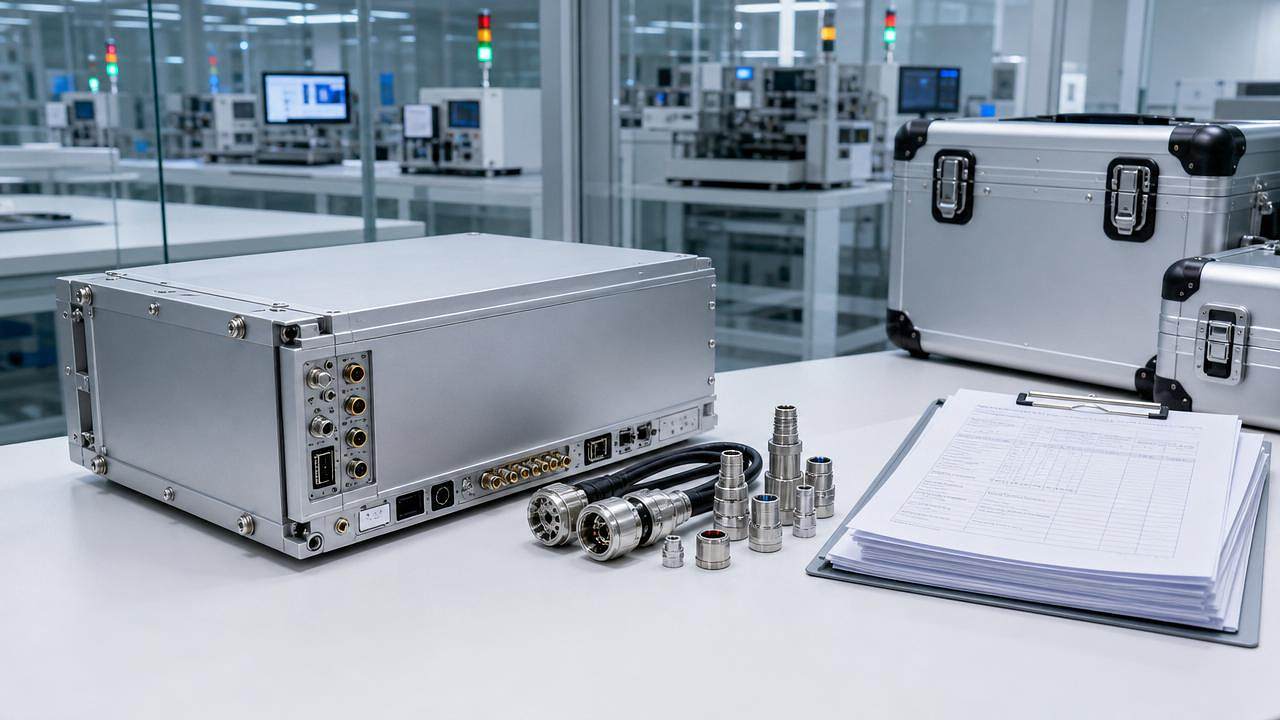




Image Placement Plan
One visual is planned near the opening section to support reader understanding of the affected medical imaging supply chain and the compliance declaration requirement for imported modules.
On June 2, 2026, the U.S. International Trade Commission issued a final determination in a Section 337 investigation affecting Photon-counting CT image reconstruction modules, creating immediate trade and compliance implications for medical imaging component exporters, importers, OEM system manufacturers, and supply chain auditors because certain modules are now barred from export to the United States and from sale in the U.S. market.
What the ITC Final Determination Confirms
The confirmed event concerns the U.S. International Trade Commission final determination dated June 2, 2026, in Investigation No. 337-TA-1428.
According to the provided case summary, the ITC determined that Photon-counting CT dedicated image reconstruction modules from three Chinese companies infringed U.S. patent US11229345B2. The determination took effect on the same date.
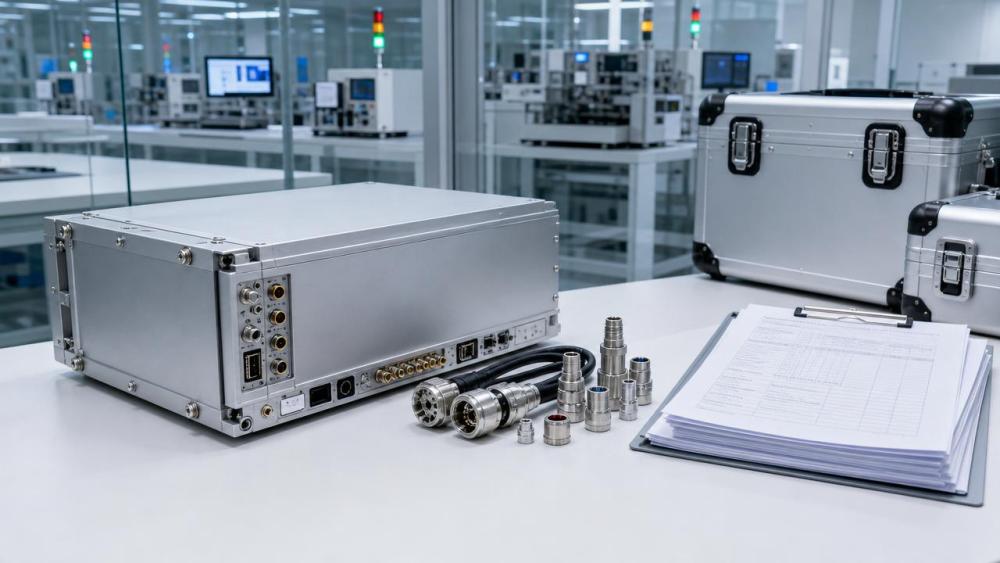
The measure prohibits the relevant modules from being exported to the United States and from being sold in the U.S. market. The final determination does not extend to complete CT systems. However, importers are required to provide a compliance declaration on the source of the modules, which affects supply chain audits conducted by OEM system manufacturers.
Compliance Effects Across the Medical Imaging Supply Chain
Direct trade companies facing immediate shipment controls
Direct trade companies are affected because the restriction applies to the relevant Photon-counting CT image reconstruction modules entering or being sold in the U.S. market. The impact is most visible in export screening, order acceptance, customs documentation, sales contract review, and post-shipment risk control.
These companies may need to pay closer attention to whether traded modules fall within the scope described in the final determination, whether module source declarations can be supported, and whether existing commercial arrangements require adjustment before shipment or resale.
Component and materials procurement teams under closer source review
Procurement organizations are affected because the importer declaration requirement shifts attention upstream to the source and identity of the relevant image reconstruction modules. Even though the determination does not cover complete systems, the compliance status of a module can influence whether an OEM can pass supply chain review for U.S.-bound products.
The main business links affected include supplier onboarding, bill-of-materials verification, purchase order terms, technical file collection, and documentation of component origin. Procurement teams may need to monitor whether suppliers can provide traceable module information and whether substitute sourcing plans are required for U.S.-related projects.
Manufacturing and integration businesses reviewing system configurations
Processing, assembly, and manufacturing companies may be affected when they integrate Photon-counting CT image reconstruction modules into larger systems or subassemblies. Although complete systems are not directly covered by the final determination, OEMs may still require evidence that restricted modules are not used in products intended for the U.S. market.
The affected operational areas may include production configuration control, engineering change management, incoming inspection, module serialization, technical documentation, and final delivery review. Manufacturers should watch whether customers update specifications, compliance clauses, or acceptance requirements connected to module sourcing.
Supply chain service providers supporting audit readiness
Supply chain service providers, including logistics, compliance support, inspection, and documentation service firms, are affected because importers must provide module source compliance declarations. This increases the need for document consistency across purchase records, shipping files, supplier declarations, and OEM audit packages.
The business impact may appear in pre-shipment checks, document review workflows, traceability file management, and exception handling when the module source is unclear. Service providers may need to prepare for more detailed customer requests related to trade compliance and supply chain evidence.
Practical Points for Companies to Review Now
Confirm whether modules fall within the restricted scope
Companies involved in Photon-counting CT components should first determine whether the image reconstruction modules they export, import, purchase, integrate, or resell match the type of modules referenced in the final determination. This review should remain tied to the information in Investigation No. 337-TA-1428 and patent US11229345B2 rather than broad assumptions about all CT equipment.
Strengthen module source declarations and audit files
Because the determination requires importers to provide a compliance declaration on module source, businesses should ensure that supplier declarations, purchase records, technical descriptions, and shipment documents are aligned. OEM system manufacturers may also need clearer evidence trails when auditing suppliers for U.S.-bound projects.
Align technical specifications with customer and tender requirements
For projects involving OEM supply, technical specifications and procurement documents may need to distinguish complete systems from the affected modules. Companies should review whether bid documents, customer specifications, and acceptance criteria require additional statements about module origin, patent risk screening, or compliance with the ITC final determination.
Reassess delivery schedules for U.S.-related orders
Exporters, importers, and OEM manufacturers may need to reassess delivery timing when compliance declarations or source verification are required before shipment. Any uncertainty around module origin could affect order confirmation, customs preparation, delivery planning, and after-sales traceability for the U.S. market.
Industry Observation: Patent-Based Trade Controls Are Moving Upstream
From an industry perspective, this event illustrates how patent-related trade remedies can affect not only the named module suppliers but also OEM audit practices and upstream sourcing decisions. The confirmed measure is limited to the relevant modules, yet the compliance burden may be felt by companies that assemble or trade complete systems because importers must still verify module source.
Analysis shows that supply chain transparency is becoming more important for high-value medical imaging technologies. It is more appropriate to understand this event as a targeted exclusion affecting specific image reconstruction modules rather than a blanket restriction on all Photon-counting CT systems.
What deserves closer attention is whether future procurement documents, supplier qualification procedures, and technical compliance files place greater emphasis on patent clearance, component traceability, and declaration consistency. These are analytical observations, not confirmed outcomes.
Measured Conclusion for Market Participants
The ITC final determination creates a clear compliance requirement for certain Photon-counting CT image reconstruction modules linked to the U.S. market. While complete systems are not covered by the exclusion, OEM manufacturers, importers, exporters, and supply chain service providers may still need to adjust audit procedures and documentation controls.
The industry significance lies in the connection between intellectual property enforcement and cross-border medical imaging supply chains. Companies should respond with careful scope review, traceable sourcing records, and disciplined communication with customers and suppliers, without overstating the impact beyond the modules identified in the determination.
Information Basis and Items to Monitor
This article is based on the user-provided news title, event date, and event summary concerning the ITC final determination dated June 2, 2026, in Investigation No. 337-TA-1428.
Relevant official or authoritative source types for continued verification may include ITC determination materials, patent records, import compliance guidance, customs documentation requirements, OEM supplier audit instructions, and procurement or tender documents. Specific official source links were not provided in the input and should be verified continuously.
Further monitoring should focus on implementation details, certification and compliance review practices, changes in tender or procurement language, importer declaration requirements, OEM audit expectations, and industry feedback on affected supply chain processes.
Recommended News
 Sep 01, 2026What to Evaluate in AI Image Reconstruction Software for Clinical Imaging?AI image reconstruction software: learn how to evaluate diagnostic fidelity, workflow integration, safety, and change control for confident clinical imaging decisions.
 Aug 31, 2026Clinical Imaging Innovation: Which Technologies Deliver Measurable Diagnostic Gains?Clinical imaging innovation delivers measurable diagnostic gains through photon-counting CT, AI reconstruction, and quantitative MRI—explore evidence-based selection insights.
 Aug 30, 2026How Surgical Navigation Technology Improves Accuracy in Complex Spine SurgerySurgical navigation technology spine surgery: discover how imaging, tracking, and workflow controls improve precision for complex procedures.
 Aug 29, 2026How to Select a Hematology Analyzer With Reliable Reticulocyte CountingHematology analyzers retic selection guide: compare precision, flags, workflow, QC, and connectivity to achieve reliable reticulocyte counting.
 Aug 28, 2026Planning Operating Room Technology for a High-Throughput Surgery CenterOperating room technology for a surgery center: plan workflows, integration, uptime, and safety to boost throughput and create future-ready surgical rooms.
 Aug 27, 2026Building Medical Compliance Analytics for Middle East Market AccessMedical compliance analytics Middle East: build device-specific evidence maps, align local requirements, and accelerate market access with confidence.
 Aug 26, 2026How Surgical Equipment Digitalization Is Reshaping Hospital Investment in Latin AmericaSurgical equipment digitalization Latin America is reshaping hospital investment, from smart ORs to ROI-driven upgrades. Explore what buyers now value most.
 Aug 25, 2026How to Evaluate a Medical Compliance Intelligence Provider for Global Market AccessMedical compliance intelligence provider selection can make or break global market access. Learn how to assess technical depth, update quality, and commercial fit before choosing.
 Aug 24, 2026How Advanced Clinical Imaging Is Improving Cardiology Diagnosis and Treatment PlanningAdvanced clinical imaging cardiology is transforming diagnosis and treatment planning with clearer anatomy, tissue insight, and procedural guidance. Discover how it reduces uncertainty and supports smarter cardiac decisions.
 Aug 23, 2026How to Source Medical Devices in North America: Supplier Vetting and Market Access RisksMedical device sourcing North America made practical: learn how to vet suppliers, reduce compliance risks, and protect market access with smarter procurement decisions.
 Aug 22, 2026What Are Integrated Critical Care Systems and How Do Hospitals Evaluate Them?Critical care systems integrated: learn how hospitals assess ICU platforms for interoperability, alarm safety, workflow efficiency, and long-term value before buying.
 Aug 21, 2026How to Evaluate High-Resolution Diagnostic Imaging Systems for Detail-Critical ExamsDiagnostic imaging systems high resolution: learn how to compare detail-critical performance, workflow fit, dose efficiency, and ROI to choose the right system with confidence.
 Aug 20, 2026How to Evaluate Medical Equipment Performance Before Purchase?Medical equipment evaluation performance starts before purchase. Learn how to assess safety, workflow fit, compliance, uptime, and total cost to choose devices that truly perform.
 Aug 19, 2026How to Evaluate Small-Footprint Laboratory Diagnostic Equipment for Space-Limited LabsLaboratory diagnostic equipment small footprint choices require more than size checks. Learn how to assess workflow, throughput, compliance, and service access for smarter lab buying.
 Aug 18, 2026Biochemical Molecular Diagnostics Explained: Methods, Clinical Uses, and Lab Selection CriteriaBiochemical molecular diagnostics explained: compare key methods, clinical applications, and lab selection criteria to choose reliable, compliant testing with confidence.
 Aug 17, 2026How to Choose Diagnostic Equipment Solutions for a Clinic: Key Factors That Affect Workflow and CostDiagnostic equipment solutions clinic buyers can use to improve workflow, control total cost, and avoid hidden service risks. Learn the key factors before you invest.
 Aug 16, 2026How to Choose a Blood Cell Analyzer for a Small Lab: Throughput, CBC Menu, and CostBlood cell analyzers small lab buyers can compare throughput, CBC menu, and total operating cost with confidence. Learn how to avoid waste, reduce downtime, and choose the right fit.
 Aug 16, 2026FDA Approval of AMDS Hybrid Prosthesis Removes IRB Step for Faster U.S. AccessFDA approval of AMDS Hybrid Prosthesis removes the IRB step, speeding U.S. access for acute aortic dissection care and reshaping hospital procurement and supporting equipment demand.
 Aug 15, 2026What Hospital Technology Infrastructure Is Needed for Reliable Interoperability?Hospital technology infrastructure interoperability depends on secure networks, integration engines, identity services, and governance. Discover what hospitals need for reliable, scalable connectivity.
 Aug 14, 2026What to Look for in an Advanced Diagnostic Systems Distributor Before You BuyAdvanced diagnostic systems distributor: learn what to check before buying, from compliance and technical depth to delivery reliability and after-sales support. Make a smarter procurement decision today.
 Aug 14, 2026China Temporarily Bans Helium ExportsChina Temporarily Bans Helium Exports: learn how the July 10, 2026 rule may disrupt MRI, ECMO, and anesthesia device supply chains, compliance, and delivery planning for global buyers.
 Aug 13, 2026How CT Reconstruction Technology Impacts Image Quality, Dose, and WorkflowMedical imaging reconstruction technology CT shapes image quality, dose, and workflow. Learn how smarter CT reconstruction improves diagnostics and efficiency.
 Aug 13, 2026FDA clears AMDS PMA, easing U.S. hospital accessFDA clears AMDS PMA, easing U.S. hospital access for Artivion’s aortic arch device and speeding procurement, compliance, and deployment.
 Aug 12, 2026Hospital Diagnostic Equipment Comparison: What Buyers Should Evaluate Beyond PriceDiagnostic equipment comparison hospital buyers can trust: learn how to evaluate clinical performance, uptime, compliance, integration, and long-term ROI beyond price.




















Related News
- 00
0000-00
How CT Reconstruction Technology Impacts Image Quality, Dose, and Workflow - 00
0000-00
EU Tightens MDR Transition for Photon-Counting CT - 00
0000-00
What Low-Dose Imaging Innovations Matter Most When Evaluating New CT Systems? - 00
0000-00
EFTA Requires NdFeB Carbon Disclosure for Photon-counting CT - 00
0000-00
Photon Counting CT Manufacturer Comparison: Detector Design, Image Quality, and Upgrade Path
Weekly Insights
Stay ahead with our curated technology reports delivered every Monday.