
What clinical equipment compliance gaps trigger audits?
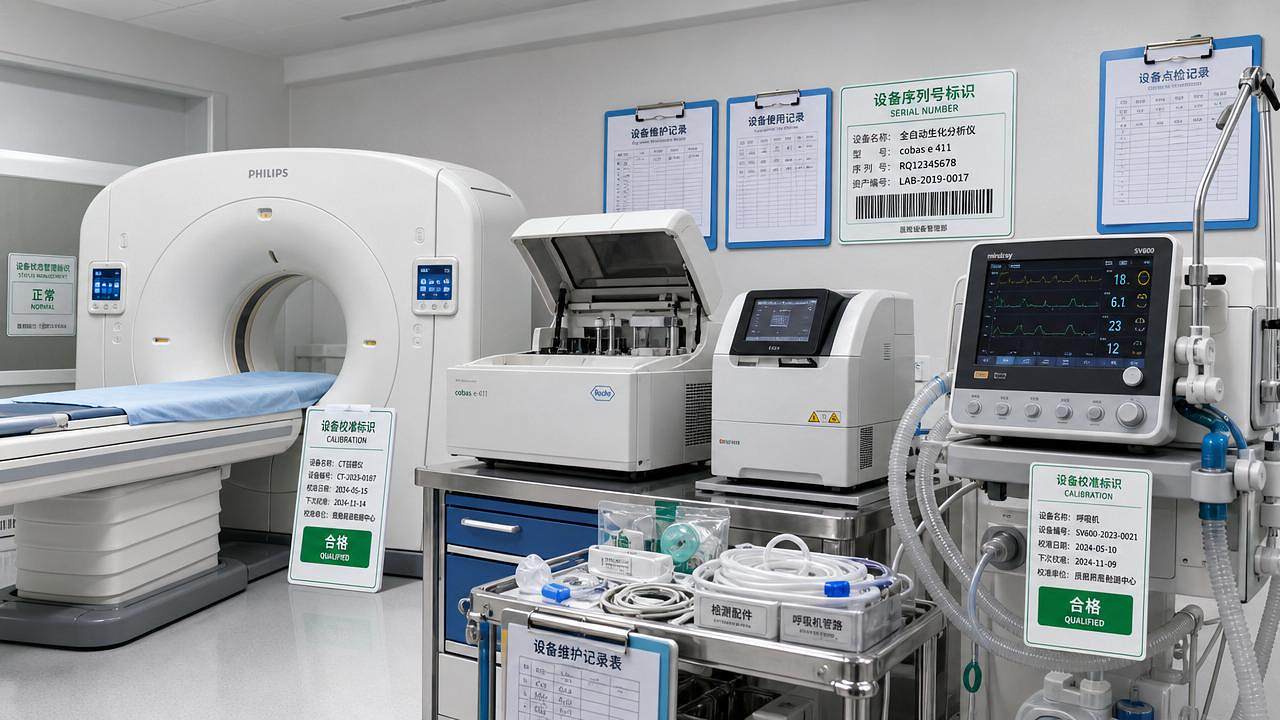




Clinical equipment compliance gaps often remain hidden until auditors connect scattered weaknesses into one systemic finding. Missing calibration evidence, outdated risk files, weak maintenance discipline, and uneven competency records are common triggers.
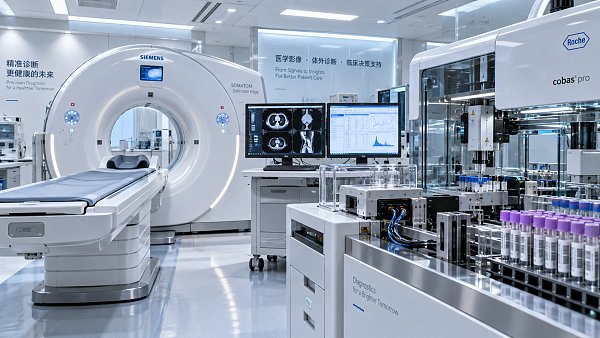
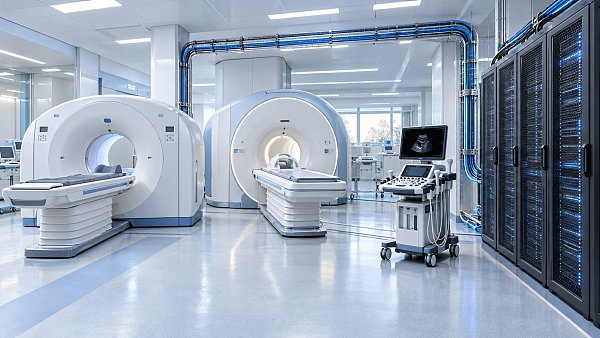
Across imaging, IVD, life support, operating room systems, and endoscopy, clinical equipment compliance now shapes market access, uptime, reimbursement confidence, and patient safety performance at the same time.
For organizations tracking audit readiness, the key question is no longer whether inspections will become stricter. It is which compliance failures most predictably attract attention first.
Audit pressure is rising where clinical equipment compliance meets real-world use
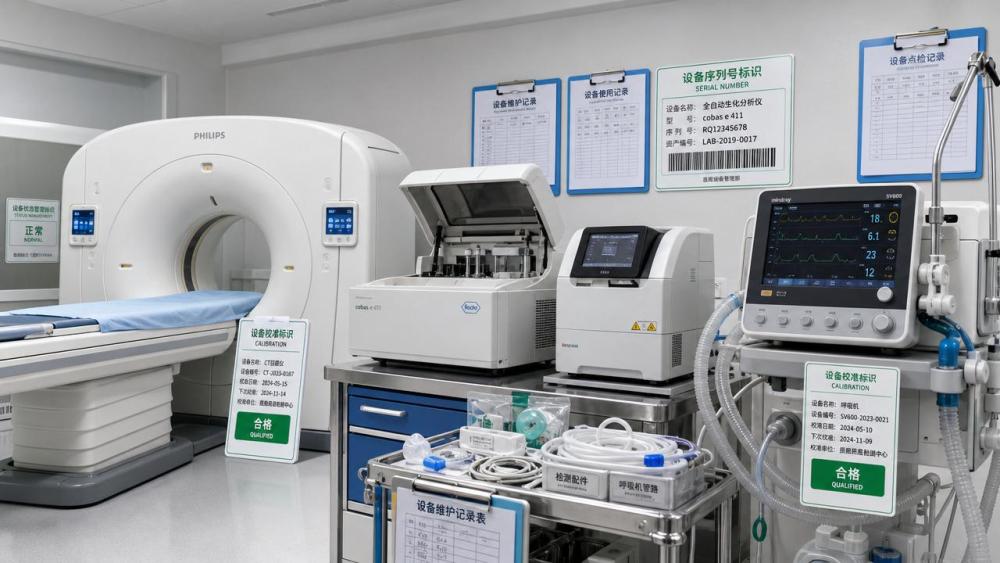
Regulatory scrutiny has shifted from paper completeness to evidence consistency. Auditors increasingly compare technical files, service logs, user training, complaint handling, and post-market actions across the equipment lifecycle.
This matters because modern devices are software-driven, network-connected, and clinically interdependent. A ventilator alarm issue, CT protocol change, or IVD assay update can create compliance exposure beyond one department.
In this environment, clinical equipment compliance is judged by traceability, change control, and proof that safety decisions remain effective after installation, upgrades, and daily clinical use.
The strongest trend signals come from recurring audit findings
Across global inspections, several gaps repeatedly trigger deeper review. They look administrative at first, but often reveal weak control of safety-critical processes.
- Calibration records are incomplete, overdue, or not linked to specific assets.
- Preventive maintenance schedules exist, but execution evidence is inconsistent.
- Risk management files do not reflect software updates, accessories, or new use settings.
- Training matrices fail to prove user competency for current device versions.
- Complaint, service, and CAPA records are stored separately and never trended together.
- Cybersecurity patches or configuration changes lack documented validation.
- Supplier controls are weak for probes, reagents, sensors, software modules, or replacement parts.
These patterns show that clinical equipment compliance has become an operational discipline, not a final document review before inspection.
Why these clinical equipment compliance gaps now trigger audits faster
The result is clear. Clinical equipment compliance failures are easier to detect because systems are more digital, more connected, and more dependent on controlled change.
The most common compliance gaps by equipment environment
Medical imaging systems
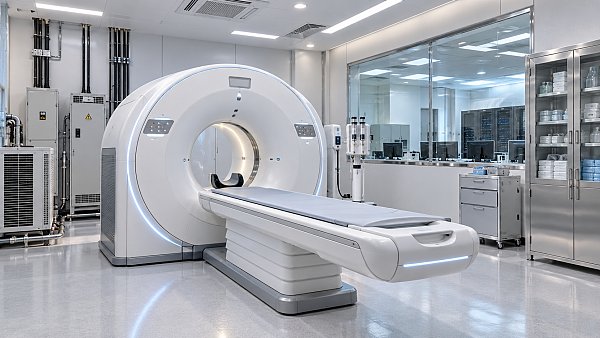
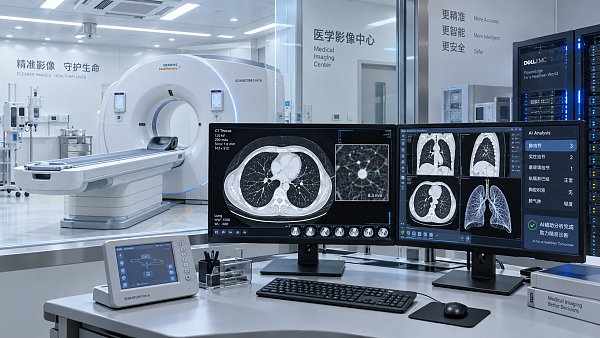
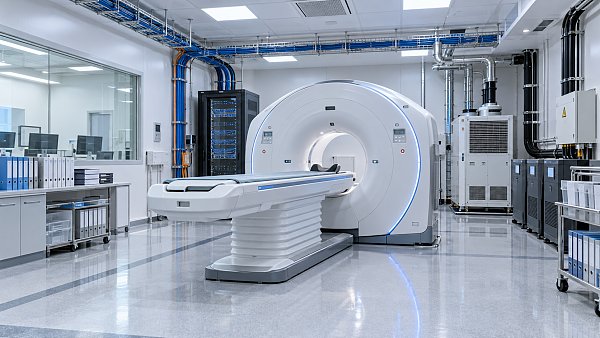
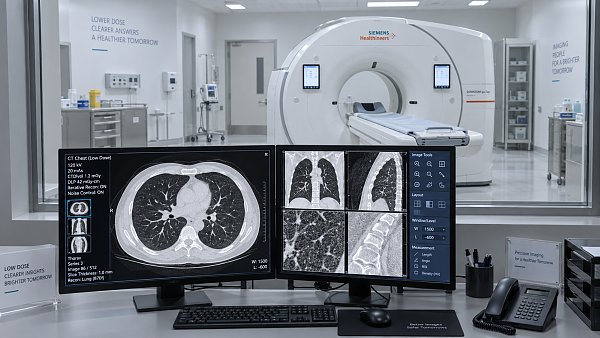
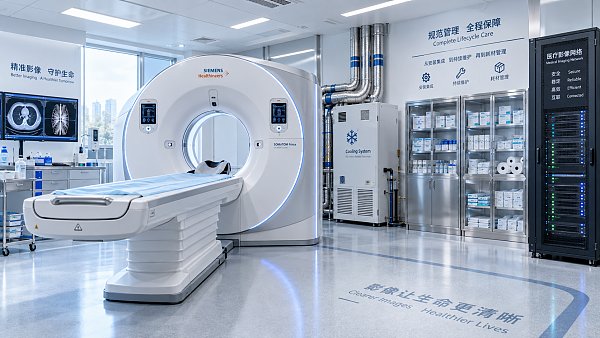
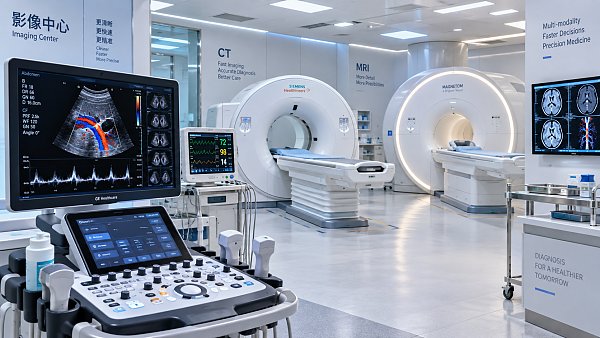
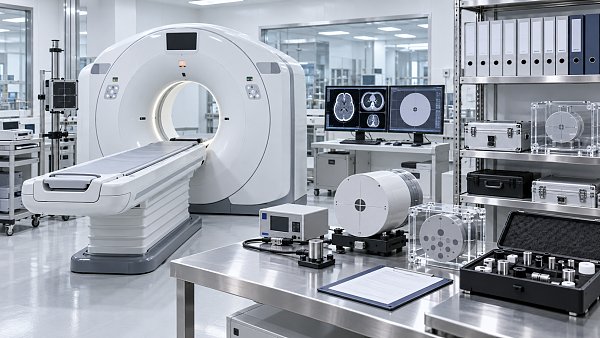
Imaging audits often focus on calibration drift, protocol version control, dose optimization records, image quality verification, and service documentation after detector, tube, or software interventions.
IVD instruments
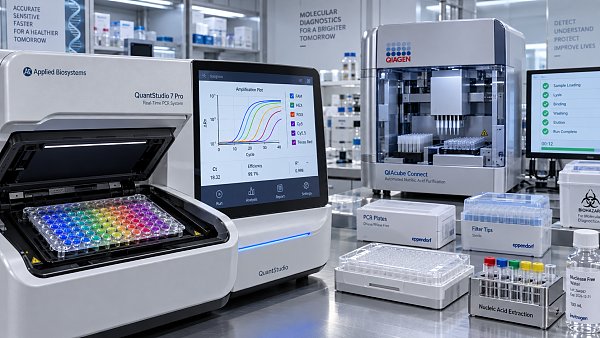
For IVD platforms, auditors examine reagent lot traceability, instrument verification, contamination prevention, environmental controls, and whether assay performance claims match actual laboratory practice.
Life support equipment
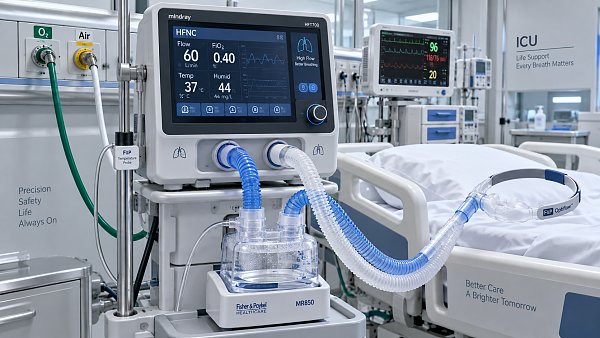
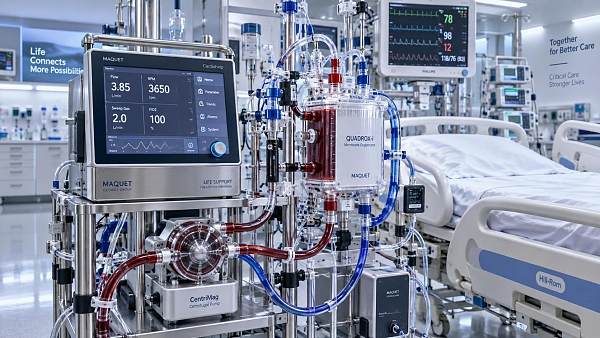
Ventilators, infusion systems, and ECMO-related devices draw attention when alarm settings, battery checks, emergency maintenance, and backup readiness are poorly documented or inconsistently executed.
Operating room and endoscopy systems
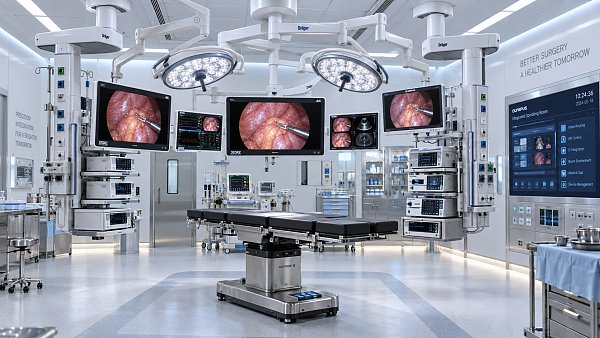
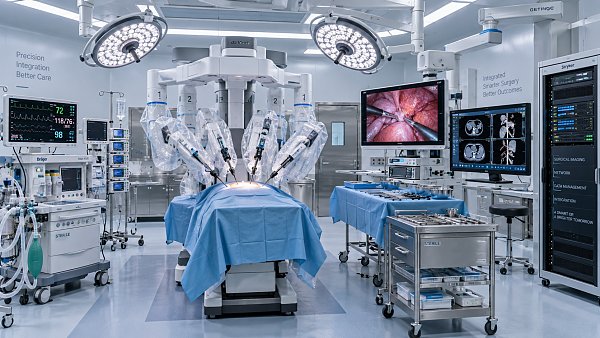
Here, clinical equipment compliance issues often involve sterilization interfaces, accessory compatibility, light source performance, image chain validation, and damage inspection records for reusable components.
Although details differ, the audit logic remains similar: if evidence cannot prove control, auditors assume the process may not be safe or repeatable.
These gaps affect operations, safety, and commercial timelines at once
A compliance finding rarely stays inside the quality department. It can delay product release, slow installation, interrupt clinical schedules, complicate tender participation, and weaken confidence during regulatory submissions.
For advanced systems, the impact is broader because one unresolved issue may affect accessories, software modules, connected platforms, and multiple use environments simultaneously.
- Operational impact: more downtime, repeated service calls, and delayed utilization.
- Clinical impact: inconsistent outputs, workflow disruptions, and elevated patient safety concern.
- Regulatory impact: expanded audit scope, CAPA burden, and slower market access.
- Commercial impact: weaker trust during evaluations, partnerships, and renewal decisions.
This is why clinical equipment compliance should be monitored as a strategic risk signal, not a narrow documentation obligation.
What deserves immediate attention in an inspection-ready compliance system
The strongest programs simplify evidence flow. They connect asset identity, maintenance status, training records, risk controls, software history, and field performance into one traceable compliance story.
- Build a single source of truth for asset inventory and configuration status.
- Tie calibration and preventive maintenance records to serial number and location.
- Update risk files whenever software, accessories, or use conditions change.
- Validate cybersecurity patches and network changes like any safety-relevant modification.
- Trend complaints, service calls, alarms, and deviations together.
- Document competency by device version, task type, and refresher interval.
- Verify supplier controls for critical parts, consumables, and outsourced servicing.
When these controls are active, clinical equipment compliance becomes visible, measurable, and easier to defend during audits.
A practical way to judge whether current gaps are likely to trigger audits
If several high-risk signals appear together, clinical equipment compliance weaknesses are likely to trigger not just questions, but expanded audit sampling.
The next move is to turn scattered records into defensible evidence
The fastest improvement usually comes from mapping one equipment family end to end. Start with asset identity, service history, training status, change records, and risk updates.
Then test whether each record supports the same version, location, and clinical use reality. That exercise quickly exposes the hidden gaps most likely to trigger audits.
For organizations navigating CE MDR, FDA expectations, and increasingly digital care settings, strong clinical equipment compliance is no longer optional. It is the proof that advanced technology remains safe, effective, and inspection-ready in practice.
AMDS follows these shifts across imaging, IVD, life support, operating room systems, and endoscopy to help translate complex compliance pressure into clearer operational priorities and smarter next-step decisions.
Recommended News
 Oct 07, 2026Hospital Diagnostic Equipment Procurement: A Framework for Comparing Cost, Capacity, and RiskHospital diagnostic equipment procurement made clearer: compare lifecycle cost, usable capacity, clinical fit, and operational risk to make confident, sustainable buying decisions.
 Oct 06, 2026How to Evaluate an Operating Room Technology Distributor for Hospital ProjectsOperating room technology distributor evaluation guide for hospitals: assess integration, compliance, lifecycle costs, service capacity, and delivery confidence before award.
 Oct 05, 2026Global Medical Procurement Planning: How Hospitals Can Reduce Supply Risk and CostGlobal medical procurement planning helps hospitals reduce supply risk, control lifecycle costs, and protect care continuity through smarter sourcing, service, and compliance strategies.
 Oct 03, 2026How Detection Algorithms Improve Sensitivity and Workflow in Medical ImagingMedical imaging algorithms detection improves sensitivity, manages false positives, and streamlines clinical workflows. Explore validation, integration, and governance essentials.
 Oct 02, 2026High-Flow ICU Ventilators: Key Selection Criteria for Acute Respiratory CareICU ventilators high flow: discover key selection criteria for accurate gas delivery, NIV performance, humidification, alarms, reliability, and safer acute respiratory care.
 Oct 01, 2026How to Evaluate Medical Equipment Intelligence Suppliers for Hospital ProcurementMedical equipment intelligence suppliers: learn how hospitals can assess evidence quality, total cost, compliance, interoperability, and cybersecurity for smarter procurement decisions.
 Sep 30, 2026ISO 13485 Requirements for Blood Testing Instruments: A Buyer’s ChecklistBlood testing instruments ISO 13485 buyer’s checklist: verify certification scope, traceability, installation, consumables, and supplier support before you buy.
 Sep 29, 2026How to Evaluate Integrated Operating Room Systems for Workflow, Imaging, and IT IntegrationIntegrated operating room systems: evaluate workflow, imaging, IT integration, cybersecurity, and lifecycle value to select a scalable surgical solution.
 Sep 28, 2026How to Evaluate a Genetic Testing Equipment Supplier for PCR Lab ProcurementGenetic testing equipment supplier evaluation guide for PCR labs: compare performance, compliance, workflow, service, supply resilience, and total cost.
 Sep 27, 2026How to Specify Custom Benchtop Diagnostic Instruments for Your Assay WorkflowCustom diagnostic instruments benchtop guide: specify optics, fluidics, automation, software integration, and support to build a reliable assay workflow.
 Sep 26, 2026How Cardiac Imaging Analysis Tools Turn CT and MRI Data into Clinical MetricsMedical imaging analysis cardiology tools transform cardiac CT and MRI into reliable metrics. Explore segmentation, validation, workflow integration, and AI review.
 Sep 25, 2026How Iterative Image Reconstruction Algorithms Balance CT Dose, Noise, and DetailIterative image reconstruction algorithms help CT teams balance dose, noise, and diagnostic detail. Explore practical insights for confident imaging decisions.
 Sep 24, 2026What Drives the Total Cost of Medical Technology Solutions Over Their Lifecycle?Medical technology solutions cost goes far beyond purchase price—explore lifecycle drivers from installation and service to software, training, compliance, and downtime.
 Sep 24, 2026Diagnostic Imaging Technology: How Modalities Support Different Clinical DecisionsDiagnostic imaging technology supports smarter clinical decisions across CT, MRI, ultrasound, and nuclear imaging. Explore modality strengths, workflows, and selection factors.
 Sep 22, 2026How Life Science Labs Can Select Biomedical Research Equipment by Workflow and ThroughputBiomedical research equipment life science labs can select with confidence by aligning workflow, throughput, automation, data integrity, and scalable support.
 Sep 21, 2026How to Plan LIS Connectivity for Chemiluminescence Analyzers Without Data GapsChemiluminescence analyzers LIS connectivity: learn how to prevent data gaps with field mapping, exception workflows, end-to-end validation, and reliable go-live planning.
 Sep 20, 2026Selecting Fluorescence PCR Instruments: Detection Channels, Sensitivity, and Workflow FitPCR diagnostic instruments fluorescence detection guide: compare channels, sensitivity, multiplexing, and workflow fit to select a reliable platform.
 Sep 19, 2026Biomedical Signal Processing: From Sensor Data to Clinical Decision SupportBiomedical signal processing transforms sensor data into reliable clinical decision support. Explore AI, imaging, IVD, ICU monitoring, and compliance-ready MedTech insights.
 Sep 18, 2026How to Evaluate a Diagnostic Imaging Platform for Multi-Modality Workflow IntegrationDiagnostic imaging platform evaluation guide: assess multi-modality workflows, interoperability, AI integration, image integrity, security, and scalability for safer clinical decisions.
 Sep 17, 2026ISO 13485 for Medical Imaging Equipment: What Manufacturers Must DocumentMedical imaging equipment ISO 13485: discover essential documentation for design controls, risk management, traceability, software, and post-market quality.
 Sep 16, 2026Robotic MIS Equipment: What Hospitals Should Evaluate Before AdoptionMinimally invasive surgical equipment robotic adoption guide: evaluate workflow, safety, imaging, costs, cybersecurity, and service readiness.
 Sep 15, 2026How to Evaluate Biomedical Signal Processing Suppliers for Clinical Device ProjectsBiomedical signal processing supplier evaluation guide for clinical device teams—compare signal fidelity, regulatory evidence, cybersecurity, integration, and lifecycle support.
 Sep 14, 2026How Integrated Clinical Diagnostics Solutions Reduce Turnaround Time Across Lab WorkflowsIntegrated clinical diagnostics solutions reduce lab turnaround time by connecting workflows, automation, and data. Discover practical strategies for faster, traceable results.
 Sep 13, 2026ECMO System Market Outlook: Demand Drivers, Investment Risks, and Growth OpportunitiesECMO system market outlook explores demand drivers, investment risks, regulatory factors, and growth opportunities shaping critical-care innovation and adoption.








Related News
- 00
0000-00
ISO 13485 Requirements for Blood Testing Instruments: A Buyer’s Checklist - 00
0000-00
ISO 13485 for Medical Imaging Equipment: What Manufacturers Must Document - 00
0000-00
Where to Find Reliable Medical Device Information for Research and Due Diligence - 00
0000-00
Medical Supplier Evaluation Checklist: How to Verify Quality, Compliance, and Delivery Risk - 00
0000-00
Do You Need a Local Distributor to Register Medical Devices in Southeast Asia?
Weekly Insights
Stay ahead with our curated technology reports delivered every Monday.