
Does medical equipment innovation lower lifetime cost?





For procurement teams, the real price of a CT scanner, IVD platform, ventilator, endoscope, or operating room system is never limited to the purchase order. Service contracts, uptime, consumables, training, compliance risk, and clinical throughput shape the true lifetime cost. This article examines whether medical equipment innovation can genuinely reduce total cost of ownership, especially when AI-assisted imaging, smarter diagnostics, modular life support, and minimally invasive technologies are evaluated under hospital ROI, DRG pressure, and long-term reliability expectations.
Where medical equipment innovation changes the cost equation

Medical equipment innovation lowers lifetime cost only when it improves clinical output, reliability, and compliance control faster than it increases acquisition cost.
For buyers, the useful question is not whether a device is advanced. The question is whether innovation removes measurable operational friction.
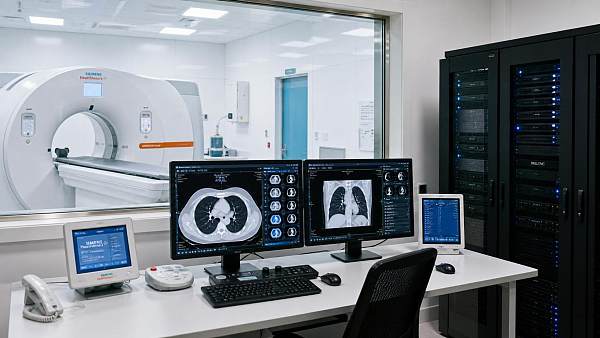
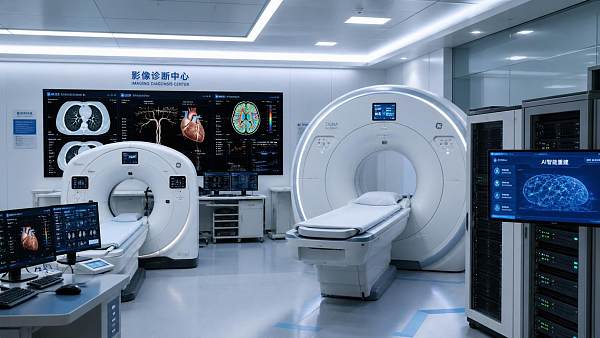
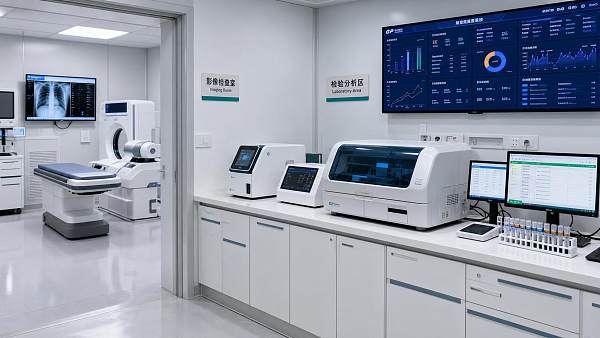
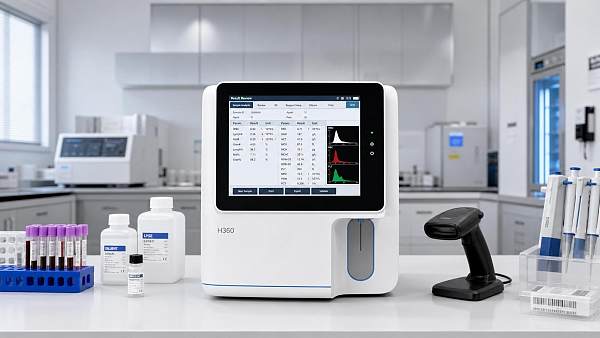
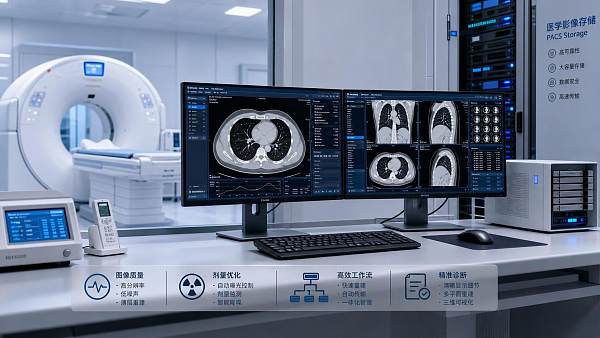
In imaging, AI reconstruction may reduce repeat scans and shorten acquisition time. In IVD, automation can reduce reagent waste and manual errors.
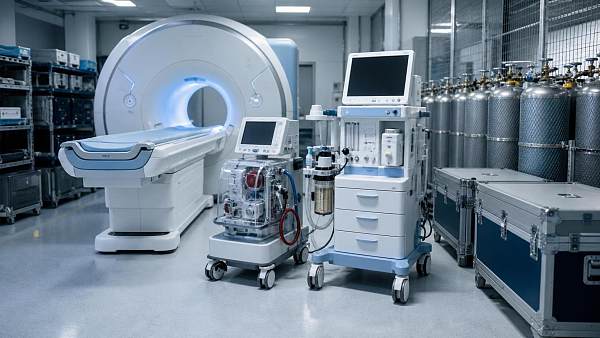
In ICU life support, modular platforms can simplify maintenance. In endoscopy, improved optics may support faster procedures and fewer conversions.
The buyer’s lifetime cost map
- Acquisition cost includes the base system, workstation, probes, software licenses, accessories, installation, and initial acceptance testing.
- Operating cost includes energy, consumables, calibration materials, sterilization workflow, staff time, and recurring quality control procedures.
- Risk cost includes downtime, non-compliant documentation, failed audits, delayed treatment, repeat procedures, and underused installed capacity.
AMDS evaluates medical equipment innovation across these cost layers, connecting engineering performance with access requirements, clinical use, and procurement economics.
Which innovations actually reduce total cost of ownership?
Not every upgrade deserves premium pricing. Procurement teams should distinguish cosmetic features from innovations that influence throughput, safety, and asset utilization.
The following comparison shows how medical equipment innovation can affect cost drivers across AMDS’s five clinical technology pillars.
The strongest business case appears when clinical performance and workflow economics reinforce each other. A faster device without scheduling reform may still underperform.
How procurement teams should calculate lifetime cost
A credible lifetime cost model must include purchase price, maintenance, consumables, utilization, staffing, compliance, and reimbursement environment.
Under DRG payment pressure, hospitals cannot simply pass every technology premium downstream. Medical equipment innovation must support predictable case economics.
A practical TCO calculation framework
- Define expected clinical volume by department, modality, case mix, and operating hours before comparing supplier quotations.
- Estimate avoidable losses, including repeat scans, instrument idle time, reagent expiry, cancelled cases, and emergency service delays.
- Convert innovation benefits into measurable variables, such as scans per shift, tests per hour, or procedures per operating room day.
- Stress-test assumptions against maintenance downtime, staff turnover, software renewal fees, and local regulatory inspection requirements.
This cost table helps procurement personnel compare advanced systems with lower-cost alternatives without relying only on supplier claims.
A low upfront bid can become expensive if it creates downtime, closed consumable dependence, uncertain certification, or weak user adoption.
Procurement scenarios where innovation pays back faster
Medical equipment innovation is most valuable when a department faces volume pressure, staffing shortage, strict compliance, or high clinical risk.
For low-volume settings, premium technology still needs careful justification. A technically superior system can fail financially if utilization remains limited.
High-yield purchasing conditions
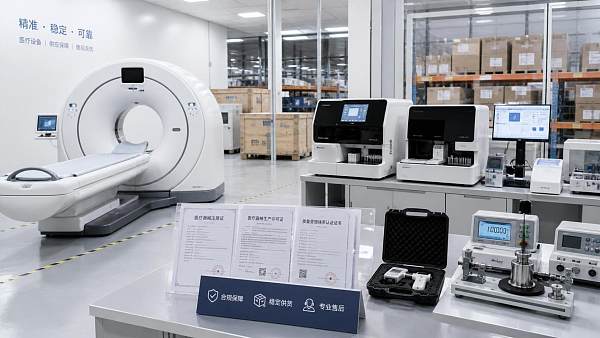
- Regional hospitals expanding early tumor screening may benefit from CT innovations that improve image quality at controlled radiation dose.
- Central laboratories with rising sample volume can justify automated IVD platforms when turnaround time affects clinical decisions.
- ICU networks with limited biomedical engineering capacity may prioritize ventilators with standardized modules and remote service diagnostics.
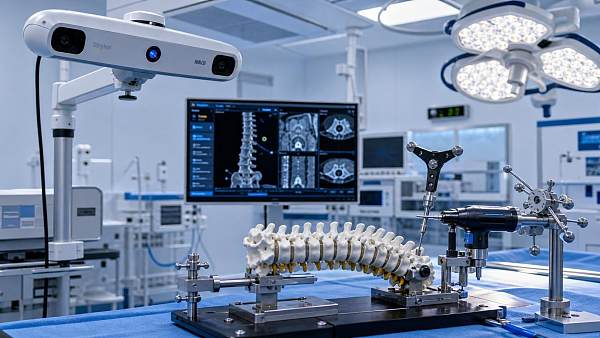
- Surgical centers with back-to-back cases can gain value from integrated operating room equipment that shortens turnover time.
- Endoscopy departments growing minimally invasive procedures should evaluate image clarity, reprocessing burden, and scope repair exposure together.
AMDS’s intelligence approach links these scenarios with engineering data, compliance interpretation, and health economic logic for procurement decisions.
Compliance and standards: the hidden cost gate
Innovation that cannot pass regulatory scrutiny does not lower lifetime cost. It creates delay, revalidation expense, and reputational exposure.
Procurement should examine compliance before price negotiation, especially for cross-border equipment, software-driven devices, and connected diagnostic systems.
What to verify before supplier shortlisting
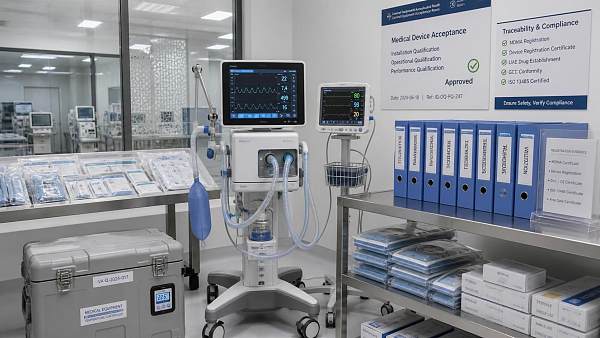
The standards below are not a substitute for local legal review, but they provide a practical screening basis for medical equipment innovation.
Compliance should be treated as a cost control instrument, not only as a documentation formality after technical selection.
Common misconceptions that inflate lifetime cost
Many purchasing failures occur because teams evaluate innovative devices using the same checklist used for conventional equipment.
Misconception one: premium technology always means premium cost
A higher acquisition price can reduce lifetime cost when it increases daily capacity, reduces repeat work, or avoids service disruption.
Misconception two: service contracts are optional overhead
For imaging, ICU, and operating room systems, uptime protects revenue, treatment continuity, and clinician trust. Service terms deserve line-item scrutiny.
Misconception three: AI features automatically produce ROI
AI-assisted medical equipment innovation needs compatible protocols, trained users, validated data workflows, and clear clinical governance to produce savings.
FAQ for procurement teams evaluating medical equipment innovation
These questions reflect common purchasing discussions around budget approval, supplier comparison, and long-term operational accountability.
How can buyers prove that medical equipment innovation reduces lifetime cost?
Use department-specific baselines. Compare current downtime, daily volume, repeat procedures, staffing workload, consumables, and reimbursement constraints with projected performance.
Should procurement choose open or closed consumable ecosystems?
Closed ecosystems may offer validated performance and simpler quality control. Open systems may reduce supply dependency, but compatibility evidence becomes critical.
What matters most when buying AI-enabled imaging equipment?
Evaluate image quality, dose impact, protocol speed, software update policy, cybersecurity, PACS integration, and whether radiologists accept the workflow.
How early should compliance review begin?
Compliance review should begin before technical scoring. Early checks reduce tender delays, registration uncertainty, and acceptance testing surprises.
Why choose AMDS for cost-aware MedTech decisions?
AMDS helps procurement teams interpret medical equipment innovation beyond brochures, linking clinical function, engineering detail, compliance exposure, and ROI logic.
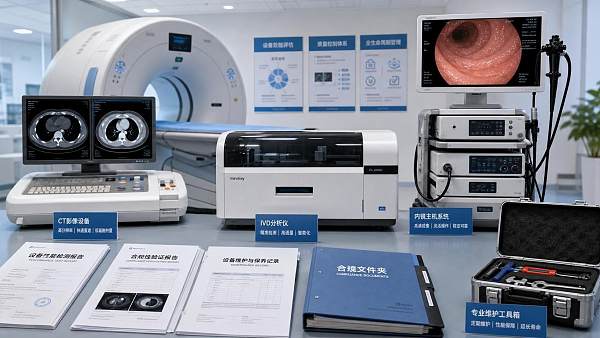
Our intelligence focus covers imaging, IVD, life support, operating room infrastructure, and endoscope systems used in demanding clinical environments.
What you can consult with AMDS
- Parameter confirmation for CT, MRI, IVD, ventilator, ECMO, operating table, lighting, and endoscope procurement comparisons.
- Product selection logic based on case volume, department workflow, DRG pressure, uptime expectations, and consumable strategy.
- Compliance requirement review involving CE MDR, FDA pathways, IEC 60601 considerations, quality files, and software documentation.
- Delivery-cycle and implementation planning, including installation dependencies, user training, acceptance testing, and service escalation points.
- Quotation communication support to clarify lifecycle assumptions, maintenance scope, upgrade policies, and cost-per-use calculations.
If your team is comparing advanced medical systems, start with lifetime cost, not catalogue price. AMDS can support structured evaluation.
Contact AMDS to discuss parameters, selection priorities, certification expectations, delivery timing, sample support where applicable, and quotation assumptions.
Recommended News
 Sep 01, 2026What to Evaluate in AI Image Reconstruction Software for Clinical Imaging?AI image reconstruction software: learn how to evaluate diagnostic fidelity, workflow integration, safety, and change control for confident clinical imaging decisions.
 Aug 31, 2026Clinical Imaging Innovation: Which Technologies Deliver Measurable Diagnostic Gains?Clinical imaging innovation delivers measurable diagnostic gains through photon-counting CT, AI reconstruction, and quantitative MRI—explore evidence-based selection insights.
 Aug 30, 2026How Surgical Navigation Technology Improves Accuracy in Complex Spine SurgerySurgical navigation technology spine surgery: discover how imaging, tracking, and workflow controls improve precision for complex procedures.
 Aug 29, 2026How to Select a Hematology Analyzer With Reliable Reticulocyte CountingHematology analyzers retic selection guide: compare precision, flags, workflow, QC, and connectivity to achieve reliable reticulocyte counting.
 Aug 28, 2026Planning Operating Room Technology for a High-Throughput Surgery CenterOperating room technology for a surgery center: plan workflows, integration, uptime, and safety to boost throughput and create future-ready surgical rooms.
 Aug 27, 2026Building Medical Compliance Analytics for Middle East Market AccessMedical compliance analytics Middle East: build device-specific evidence maps, align local requirements, and accelerate market access with confidence.
 Aug 26, 2026How Surgical Equipment Digitalization Is Reshaping Hospital Investment in Latin AmericaSurgical equipment digitalization Latin America is reshaping hospital investment, from smart ORs to ROI-driven upgrades. Explore what buyers now value most.
 Aug 25, 2026How to Evaluate a Medical Compliance Intelligence Provider for Global Market AccessMedical compliance intelligence provider selection can make or break global market access. Learn how to assess technical depth, update quality, and commercial fit before choosing.
 Aug 24, 2026How Advanced Clinical Imaging Is Improving Cardiology Diagnosis and Treatment PlanningAdvanced clinical imaging cardiology is transforming diagnosis and treatment planning with clearer anatomy, tissue insight, and procedural guidance. Discover how it reduces uncertainty and supports smarter cardiac decisions.
 Aug 23, 2026How to Source Medical Devices in North America: Supplier Vetting and Market Access RisksMedical device sourcing North America made practical: learn how to vet suppliers, reduce compliance risks, and protect market access with smarter procurement decisions.
 Aug 22, 2026What Are Integrated Critical Care Systems and How Do Hospitals Evaluate Them?Critical care systems integrated: learn how hospitals assess ICU platforms for interoperability, alarm safety, workflow efficiency, and long-term value before buying.
 Aug 21, 2026How to Evaluate High-Resolution Diagnostic Imaging Systems for Detail-Critical ExamsDiagnostic imaging systems high resolution: learn how to compare detail-critical performance, workflow fit, dose efficiency, and ROI to choose the right system with confidence.
 Aug 20, 2026How to Evaluate Medical Equipment Performance Before Purchase?Medical equipment evaluation performance starts before purchase. Learn how to assess safety, workflow fit, compliance, uptime, and total cost to choose devices that truly perform.
 Aug 19, 2026How to Evaluate Small-Footprint Laboratory Diagnostic Equipment for Space-Limited LabsLaboratory diagnostic equipment small footprint choices require more than size checks. Learn how to assess workflow, throughput, compliance, and service access for smarter lab buying.
 Aug 18, 2026Biochemical Molecular Diagnostics Explained: Methods, Clinical Uses, and Lab Selection CriteriaBiochemical molecular diagnostics explained: compare key methods, clinical applications, and lab selection criteria to choose reliable, compliant testing with confidence.
 Aug 17, 2026How to Choose Diagnostic Equipment Solutions for a Clinic: Key Factors That Affect Workflow and CostDiagnostic equipment solutions clinic buyers can use to improve workflow, control total cost, and avoid hidden service risks. Learn the key factors before you invest.
 Aug 16, 2026How to Choose a Blood Cell Analyzer for a Small Lab: Throughput, CBC Menu, and CostBlood cell analyzers small lab buyers can compare throughput, CBC menu, and total operating cost with confidence. Learn how to avoid waste, reduce downtime, and choose the right fit.
 Aug 16, 2026FDA Approval of AMDS Hybrid Prosthesis Removes IRB Step for Faster U.S. AccessFDA approval of AMDS Hybrid Prosthesis removes the IRB step, speeding U.S. access for acute aortic dissection care and reshaping hospital procurement and supporting equipment demand.
 Aug 15, 2026What Hospital Technology Infrastructure Is Needed for Reliable Interoperability?Hospital technology infrastructure interoperability depends on secure networks, integration engines, identity services, and governance. Discover what hospitals need for reliable, scalable connectivity.
 Aug 14, 2026What to Look for in an Advanced Diagnostic Systems Distributor Before You BuyAdvanced diagnostic systems distributor: learn what to check before buying, from compliance and technical depth to delivery reliability and after-sales support. Make a smarter procurement decision today.
 Aug 14, 2026China Temporarily Bans Helium ExportsChina Temporarily Bans Helium Exports: learn how the July 10, 2026 rule may disrupt MRI, ECMO, and anesthesia device supply chains, compliance, and delivery planning for global buyers.
 Aug 13, 2026How CT Reconstruction Technology Impacts Image Quality, Dose, and WorkflowMedical imaging reconstruction technology CT shapes image quality, dose, and workflow. Learn how smarter CT reconstruction improves diagnostics and efficiency.
 Aug 13, 2026FDA clears AMDS PMA, easing U.S. hospital accessFDA clears AMDS PMA, easing U.S. hospital access for Artivion’s aortic arch device and speeding procurement, compliance, and deployment.
 Aug 12, 2026Hospital Diagnostic Equipment Comparison: What Buyers Should Evaluate Beyond PriceDiagnostic equipment comparison hospital buyers can trust: learn how to evaluate clinical performance, uptime, compliance, integration, and long-term ROI beyond price.









Related News
- 00
0000-00
How Surgical Equipment Digitalization Is Reshaping Hospital Investment in Latin America - 00
0000-00
Hospital Diagnostic Equipment Comparison: What Buyers Should Evaluate Beyond Price - 00
0000-00
What Drives Precision Diagnostics Technology Cost in Labs and Hospitals? - 00
0000-00
What Drives Clinical Diagnostics Solutions Cost Across PCR, Immunoassay, and Hematology? - 00
0000-00
ICU Equipment Price Breakdown: What Buyers Should Budget Beyond the Base Cost
Weekly Insights
Stay ahead with our curated technology reports delivered every Monday.