
Chile Mandates IEC 60601-1:2023 for Endoscopes from Oct 2026
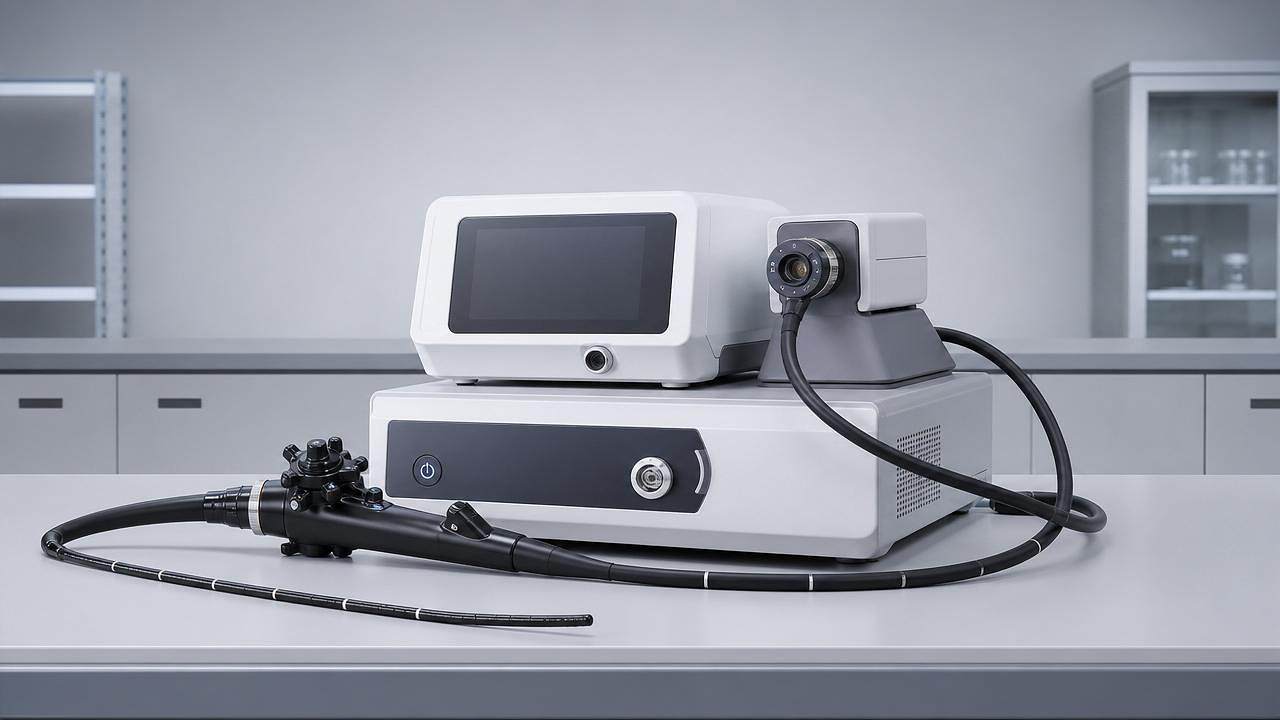




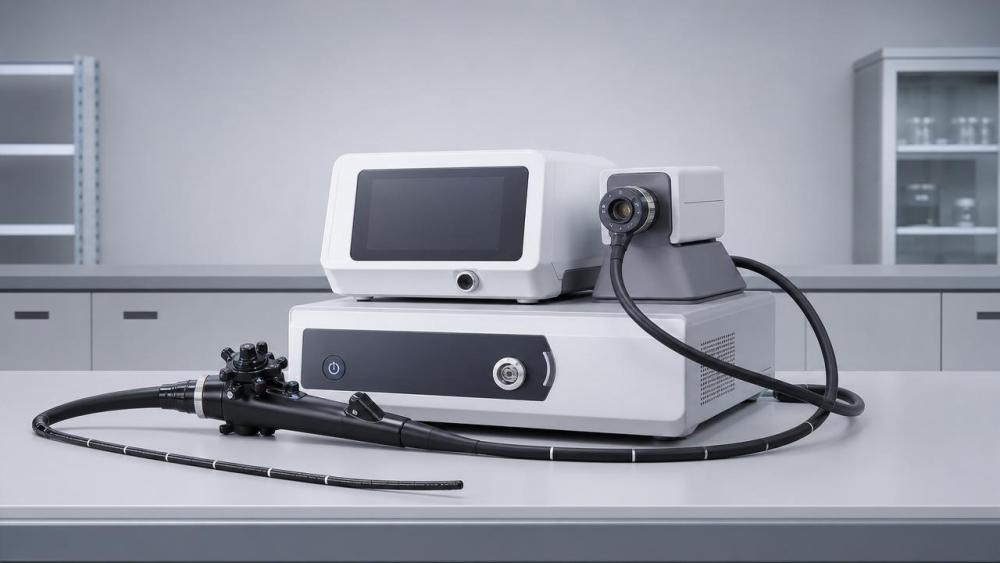
Chile’s National Institute of Standardization (INN) announced on May 23, 2026, that all flexible video endoscopes, rigid endoscope systems, and associated light/camera systems entering the Chilean market must comply with IEC 60601-1:2023 and be registered with SERNAC as medical devices—effective October 1, 2026. This regulatory shift directly impacts manufacturers, exporters, and distributors of endoscopic equipment, especially those based in China, where a significant share of global endoscope supply originates.
Event Overview
On May 23, 2026, INN published an official notice stating that, effective October 1, 2026, importation of flexible video endoscopes, rigid endoscope systems, and their integrated light and imaging components into Chile will require certification to IEC 60601-1:2023. Concurrently, full registration with Chile’s consumer protection authority, SERNAC, is mandatory. No transitional period is provided; certificates issued under prior editions of IEC 60601-1 are no longer accepted for new imports after the deadline.
Industries Affected by Segment
Direct Exporters and Trading Companies
Exporters shipping endoscopic systems to Chile will face immediate compliance obligations. Because the requirement applies at the point of import, companies must secure updated certification before shipment—not after arrival. Non-compliant shipments risk rejection at customs or forced rework, delaying market access and increasing landed cost.
Manufacturers of Endoscopic Devices (OEM/ODM)
Manufacturers—particularly those supplying Chinese OEMs exporting to Chile—must redesign or revalidate product safety documentation to meet IEC 60601-1:2023’s updated risk management, usability, and essential performance requirements. Unlike earlier editions, the 2023 version introduces stricter clauses on cybersecurity awareness, alarm system reliability, and usability engineering—impacting firmware, labeling, and user manual content.
Supply Chain and Regulatory Support Providers
Third-party testing labs, certification bodies, and regulatory consultants supporting Chile-bound endoscope exports will see increased demand for IEC 60601-1:2023 assessments. However, capacity constraints may emerge, especially for labs accredited to perform the new usability validation and cybersecurity-related evaluations required under Clause 14.3 and Annex BB of the standard.
Key Actions for Affected Enterprises
Monitor Official Updates from INN and SERNAC
While the May 23, 2026 notice establishes the effective date and scope, technical implementation guidance—including acceptable test reports, recognized certification bodies, and SERNAC registration workflows—has not yet been published. Enterprises should track INN’s official bulletins and SERNAC’s medical device portal for procedural details expected in Q3 2026.
Prioritize Certification for High-Volume and High-Risk Product Lines
Given limited lab capacity and extended lead times for IEC 60601-1:2023 assessments (typically 4–6 months), exporters should identify top-selling or clinically critical models—e.g., gastrointestinal video endoscopes and laparoscopic rigid systems—and initiate certification well ahead of October 2026. Products with embedded software or network connectivity warrant early attention due to added cybersecurity evaluation steps.
Distinguish Between Regulatory Signal and Operational Readiness
The announcement signals a hard enforcement timeline, but actual customs enforcement depends on SERNAC’s ability to verify documentation upon entry. Enterprises should treat the October 1, 2026 date as a firm internal deadline—not a buffer—and align procurement, labeling, and packaging updates accordingly. Relying on informal grace periods or ad hoc approvals is not advisable.
Update Internal Compliance Roadmaps and Cross-Functional Coordination
Compliance requires coordination across R&D (for design verification), QA (for test report generation), regulatory affairs (for SERNAC submission), and logistics (for documentation handling). Companies should assign clear ownership, set milestone dates for each stage, and validate that existing quality management systems cover IEC 60601-1:2023’s expanded usability and risk management documentation requirements.
Editorial Perspective / Industry Observation
Observably, this mandate reflects Chile’s broader alignment with international medical device safety frameworks—particularly the IEC 60601 series’ evolution toward human factors integration and lifecycle-based risk control. Analysis shows it functions less as an isolated regulatory change and more as a signal of tightening convergence between Latin American markets and global standards. From an industry perspective, the absence of a transition period suggests Chile intends rapid, uniform enforcement—making proactive preparation more consequential than reactive adaptation. Current developments indicate this is already a binding outcome for future imports, not merely a policy proposal under review.
Chile’s enforcement of IEC 60601-1:2023 represents a concrete step toward harmonized medical device regulation in Latin America—but one that imposes measurable operational and financial pressure on exporters unprepared for its scope and timing. It is best understood not as a temporary hurdle, but as a structural recalibration of market access requirements for endoscopic technologies in Chile. Enterprises should treat it as a fixed compliance milestone requiring cross-departmental execution—not a negotiable or deferrable item.
Source: National Institute of Standardization of Chile (INN), official notice dated May 23, 2026.
Note: Technical implementation guidelines from SERNAC remain pending and are subject to ongoing monitoring.
Recommended News
 Oct 07, 2026Hospital Diagnostic Equipment Procurement: A Framework for Comparing Cost, Capacity, and RiskHospital diagnostic equipment procurement made clearer: compare lifecycle cost, usable capacity, clinical fit, and operational risk to make confident, sustainable buying decisions.
 Oct 06, 2026How to Evaluate an Operating Room Technology Distributor for Hospital ProjectsOperating room technology distributor evaluation guide for hospitals: assess integration, compliance, lifecycle costs, service capacity, and delivery confidence before award.
 Oct 05, 2026Global Medical Procurement Planning: How Hospitals Can Reduce Supply Risk and CostGlobal medical procurement planning helps hospitals reduce supply risk, control lifecycle costs, and protect care continuity through smarter sourcing, service, and compliance strategies.
 Oct 03, 2026How Detection Algorithms Improve Sensitivity and Workflow in Medical ImagingMedical imaging algorithms detection improves sensitivity, manages false positives, and streamlines clinical workflows. Explore validation, integration, and governance essentials.
 Oct 02, 2026High-Flow ICU Ventilators: Key Selection Criteria for Acute Respiratory CareICU ventilators high flow: discover key selection criteria for accurate gas delivery, NIV performance, humidification, alarms, reliability, and safer acute respiratory care.
 Oct 01, 2026How to Evaluate Medical Equipment Intelligence Suppliers for Hospital ProcurementMedical equipment intelligence suppliers: learn how hospitals can assess evidence quality, total cost, compliance, interoperability, and cybersecurity for smarter procurement decisions.
 Sep 30, 2026ISO 13485 Requirements for Blood Testing Instruments: A Buyer’s ChecklistBlood testing instruments ISO 13485 buyer’s checklist: verify certification scope, traceability, installation, consumables, and supplier support before you buy.
 Sep 29, 2026How to Evaluate Integrated Operating Room Systems for Workflow, Imaging, and IT IntegrationIntegrated operating room systems: evaluate workflow, imaging, IT integration, cybersecurity, and lifecycle value to select a scalable surgical solution.
 Sep 28, 2026How to Evaluate a Genetic Testing Equipment Supplier for PCR Lab ProcurementGenetic testing equipment supplier evaluation guide for PCR labs: compare performance, compliance, workflow, service, supply resilience, and total cost.
 Sep 27, 2026How to Specify Custom Benchtop Diagnostic Instruments for Your Assay WorkflowCustom diagnostic instruments benchtop guide: specify optics, fluidics, automation, software integration, and support to build a reliable assay workflow.
 Sep 26, 2026How Cardiac Imaging Analysis Tools Turn CT and MRI Data into Clinical MetricsMedical imaging analysis cardiology tools transform cardiac CT and MRI into reliable metrics. Explore segmentation, validation, workflow integration, and AI review.
 Sep 25, 2026How Iterative Image Reconstruction Algorithms Balance CT Dose, Noise, and DetailIterative image reconstruction algorithms help CT teams balance dose, noise, and diagnostic detail. Explore practical insights for confident imaging decisions.
 Sep 24, 2026What Drives the Total Cost of Medical Technology Solutions Over Their Lifecycle?Medical technology solutions cost goes far beyond purchase price—explore lifecycle drivers from installation and service to software, training, compliance, and downtime.
 Sep 24, 2026Diagnostic Imaging Technology: How Modalities Support Different Clinical DecisionsDiagnostic imaging technology supports smarter clinical decisions across CT, MRI, ultrasound, and nuclear imaging. Explore modality strengths, workflows, and selection factors.
 Sep 22, 2026How Life Science Labs Can Select Biomedical Research Equipment by Workflow and ThroughputBiomedical research equipment life science labs can select with confidence by aligning workflow, throughput, automation, data integrity, and scalable support.
 Sep 21, 2026How to Plan LIS Connectivity for Chemiluminescence Analyzers Without Data GapsChemiluminescence analyzers LIS connectivity: learn how to prevent data gaps with field mapping, exception workflows, end-to-end validation, and reliable go-live planning.
 Sep 20, 2026Selecting Fluorescence PCR Instruments: Detection Channels, Sensitivity, and Workflow FitPCR diagnostic instruments fluorescence detection guide: compare channels, sensitivity, multiplexing, and workflow fit to select a reliable platform.
 Sep 19, 2026Biomedical Signal Processing: From Sensor Data to Clinical Decision SupportBiomedical signal processing transforms sensor data into reliable clinical decision support. Explore AI, imaging, IVD, ICU monitoring, and compliance-ready MedTech insights.
 Sep 18, 2026How to Evaluate a Diagnostic Imaging Platform for Multi-Modality Workflow IntegrationDiagnostic imaging platform evaluation guide: assess multi-modality workflows, interoperability, AI integration, image integrity, security, and scalability for safer clinical decisions.
 Sep 17, 2026ISO 13485 for Medical Imaging Equipment: What Manufacturers Must DocumentMedical imaging equipment ISO 13485: discover essential documentation for design controls, risk management, traceability, software, and post-market quality.
 Sep 16, 2026Robotic MIS Equipment: What Hospitals Should Evaluate Before AdoptionMinimally invasive surgical equipment robotic adoption guide: evaluate workflow, safety, imaging, costs, cybersecurity, and service readiness.
 Sep 15, 2026How to Evaluate Biomedical Signal Processing Suppliers for Clinical Device ProjectsBiomedical signal processing supplier evaluation guide for clinical device teams—compare signal fidelity, regulatory evidence, cybersecurity, integration, and lifecycle support.
 Sep 14, 2026How Integrated Clinical Diagnostics Solutions Reduce Turnaround Time Across Lab WorkflowsIntegrated clinical diagnostics solutions reduce lab turnaround time by connecting workflows, automation, and data. Discover practical strategies for faster, traceable results.
 Sep 13, 2026ECMO System Market Outlook: Demand Drivers, Investment Risks, and Growth OpportunitiesECMO system market outlook explores demand drivers, investment risks, regulatory factors, and growth opportunities shaping critical-care innovation and adoption.
















Related News
- 00
0000-00
Hospital Diagnostic Equipment Procurement: A Framework for Comparing Cost, Capacity, and Risk - 00
0000-00
How to Evaluate an Operating Room Technology Distributor for Hospital Projects - 00
0000-00
Global Medical Procurement Planning: How Hospitals Can Reduce Supply Risk and Cost - 00
0000-00
How Detection Algorithms Improve Sensitivity and Workflow in Medical Imaging - 00
0000-00
High-Flow ICU Ventilators: Key Selection Criteria for Acute Respiratory Care
Weekly Insights
Stay ahead with our curated technology reports delivered every Monday.